How Much Does It Cost to Live in Panama City per Month?
Navigating monthly budgets in Panama City can feel overwhelming when online estimates range from unrealistically dirt-cheap to ultra-luxurious. Distinguishing realistic living expenses from exaggerated claims is one of the biggest hurdles prospective expats face before taking the leap. This comprehensive breakdown details real-world monthly costs, covering rent, groceries, utilities, transportation, and healthcare to help you build an accurate, workable budget.
Housing and Utility Expenses in Panama City
Housing will inevitably form the largest portion of your monthly budget in Panama City. Prices vary dramatically depending on the neighborhood, building amenities, and whether you prefer an oceanfront high-rise or a bohemian walking district.
Apartment Rentals Across Major Neighbourhoods
Finding the right place to live requires balancing convenience, security, and lifestyle preferences. For high-end urban living with ocean views, neighborhoods like Avenida Balboa, Punta Pacifica, and Costa del Este command premium prices. Modern two-bedroom apartments in these areas feature amenities such as swimming pools, full gyms, 24-hour security, and covered parking.
If you prefer a walkable, leafy neighborhood with a distinct café culture, El Cangrejo and San Francisco offer fantastic options at a slightly lower price point. Meanwhile, Casco Viejo offers historic charm and vibrant nightlife, though rent here can be high due to limited supply and heritage architecture. If you are in the planning stages of relocating your household furniture across borders, checking international moving quotes through platforms like Sirelo can help you decide whether to rent a furnished unit or ship your own belongings.
To get a clearer sense of what your money buys in different parts of the capital, take a look at our guide on How Much Does It Cost to Rent an Apartment in Panama City in 2026? as well as our broader overview in The Complete Guide to Cost of Living in Panama for Expats (2026).
Electricity, Water, and Building Maintenance Fees
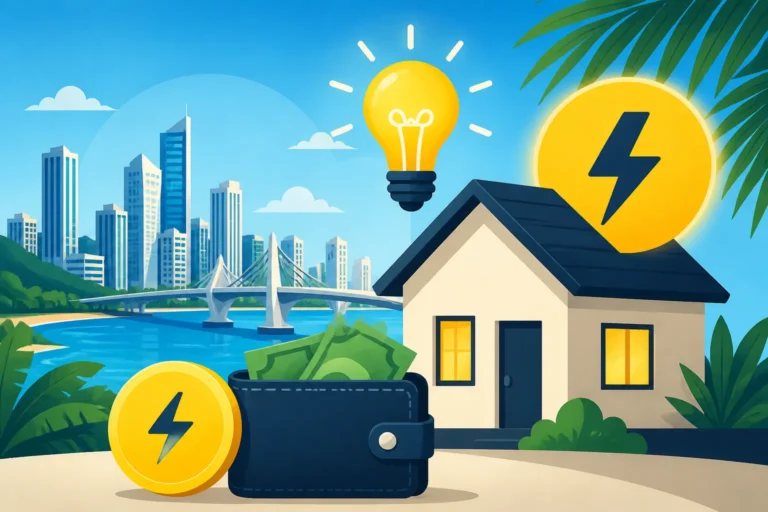
Utilities in Panama City present a few surprises for newcomers, particularly when it comes to power consumption. Electricity is relatively expensive, and because the city remains warm and humid year-round, central air conditioning or multiple split-unit ACs running constantly will drive your monthly bill up significantly. Keeping your air conditioning running 24/7 in a multi-bedroom apartment can easily double your utility expenses compared to using ceiling fans during cooler hours and running split units only when sleeping.
Water and municipal waste service, managed largely by the state utility IDAAN, remain very inexpensive, often billed directly to the landlord or included in building fees. However, if you own your property or rent a unit where building expenses are itemised, you will encounter monthly PH fees. These maintenance charges cover common areas, elevators, pool upkeep, and round-the-clock security personnel. Before committing to a lease, always clarify whether these building management costs are included in your monthly rent. For more details on utility management, review How Much Does Electricity Cost per Month in Panama? and check out Understanding HOA and PH (Propiedad Horizontal) Fees in Panama.
Food, Transportation, and Everyday Lifestyle Costs
Your day-to-day spending in Panama City hinges on how closely you adapt to local habits versus sticking strictly to imported foreign goods.
Grocery Budgets and Dining Out
Food costs vary depending on where you shop. High-end grocery chains like Riba Smith cater heavily to North American and European tastes, stocking imported cheeses, international wines, and specialty brand-name products. While convenient, relying exclusively on imported goods will inflate your monthly grocery bill fast.
In contrast, shopping at chains like Super 99, Rey, or Xtra offers substantial savings on everyday staples. To stretch your food budget even further, head to Merca Panamá, the massive central agricultural market located just outside the city centre, where local farmers sell fresh fruits, vegetables, and seafood at a fraction of supermarket prices.
Dining out follows a similar pattern. You can enjoy a traditional almuerzo ejecutivo (a heart lunch plate featuring rice, beans, plantains, and chicken or beef) at a neighborhood fonda for very little money. On the flip side, dining at modern fusion restaurants, steak houses, and cocktail lounges in Calle 50 or Casco Viejo matches international metropolitan prices. Comparing local life to regional alternatives is easier when reading What Is the Cost of Living in Panama vs Costa Rica?.
Mobile Data, Internet, and Getting Around
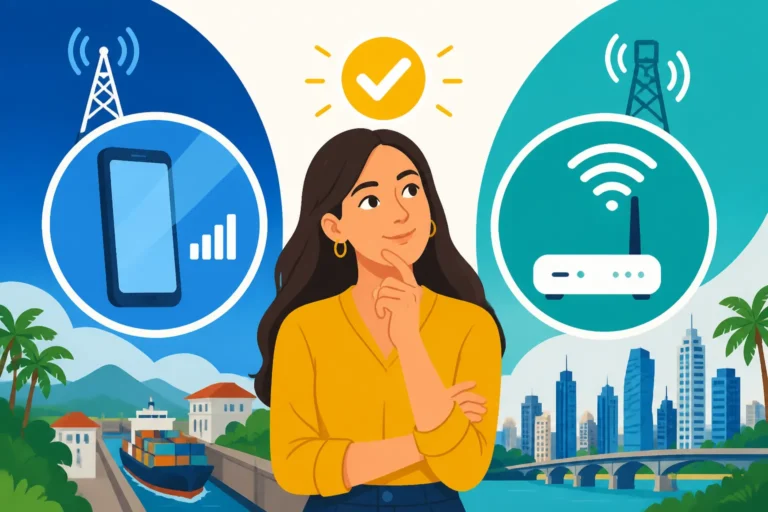
Panama City boasts modern digital infrastructure and a highly accessible public transit network. Home internet service provider packages offering high-speed fiber-optic connections are widely available and generally reliable. For mobile phone coverage, local prepaid SIM cards or postpaid plans provide generous data packages. If you are arriving in the country and need immediate connectivity before establishing a local phone plan, activating an international eSIM from Airalo allows you to stay connected the moment you land at Tocumen International Airport without paying roaming fees.
Getting around the capital is straightforward and affordable. The Panama City Metro system is clean, safe, and efficient, featuring two active lines that connect major urban hubs, shopping centers, and residential districts. Complemented by the Metrobus network, public transit allows you to navigate the city on a modest budget. Rideshare platforms like Uber are also ubiquitous, safe, and reasonably priced, making them a popular alternative to traditional street taxis. If you plan to rely on public transit, explore How to Use the Metro and Public Transport in Panama City alongside The Expat Guide to Public Transport in Panama.
Healthcare, Insurance, and Miscellaneous Monthly Expenditures
Healthcare quality in Panama City is exceptional, with top-tier private facilities like Hospital Punta Pacífica (affiliated with Johns Hopkins Medicine International) and Hospital Nacional offering world-class care. Budgeting for health coverage is an absolute necessity for foreign residents.
Health Insurance and Medical Care Expenses
Expats generally choose between local private health insurance plans and international comprehensive coverage. Local health plans provided by Panamanian insurers offer excellent coverage within domestic hospital networks at reasonable monthly premiums, though policies often have age limits for new applicants or pre-existing condition exclusions.
If you prefer freedom to seek treatment abroad or require international medical transport coverage, global policies are available, though they carry higher monthly rates. Paying out-of-pocket for general practitioner consultations or routine lab tests at private clinics remains quite manageable compared to North American prices, but major procedures or emergency admissions without insurance can quickly deplete savings.
To understand how the local medical system is structured, consult Public vs Private Healthcare in Panama: What Expats Need to Know and Understanding Out-of-Pocket Healthcare Costs and Co-Pays in Panama.
Real World Monthly Budget Breakdown
To give you a realistic picture of living costs, the table below compares estimated monthly budget categories for a single expat living comfortably in a one-bedroom apartment versus a family of four renting a three-bedroom home in a mid-to-high-tier Panama City neighborhood.
| Expense Category | Single Expat Monthly Estimate | Family of Four Monthly Estimate |
|---|---|---|
| Apartment Rent (1 BR vs 3 BR) | $800 – $1,300 | $1,800 – $3,000 |
| Utilities (Electricity, Water, Trash) | $90 – $180 | $200 – $400 |
| High-Speed Internet & Mobile Plans | $60 – $90 | $100 – $150 |
| Groceries & Household Supplies | $300 – $450 | $700 – $1,100 |
| Dining Out & Entertainment | $250 – $500 | $500 – $900 |
| Transportation (Public Transit / Uber) | $70 – $150 | $200 – $400 (or car expenses) |
| Health Insurance (Private Plan) | $100 – $220 | $350 – $700 |
| Miscellaneous & Personal Care | $150 – $300 | $300 – $600 |
| Estimated Total Monthly Budget | $1,820 – $3,190 | $4,150 – $7,650 |
Note: The figures above assume a comfortable lifestyle in safe, popular expat neighborhoods. Expenses like international school tuition, which can add significant monthly costs per child, are not included in the family estimate.
Practical Strategies to Stretch Your Monthly Dollars
Living comfortably in Panama City without overspending comes down to understanding local retail patterns, avoiding artificial markups, and managing cross-border financial transactions smartly.
Avoiding the Expat Tax and Navigating Local Markets
The “expat tax” isn’t an official government levy; it refers to the tendency of newcomers to overpay for goods and services simply because they shop exclusively in high-end tourist zones or hire services without getting competitive local quotes. To trim your monthly expenditures:
- Shop Seasonally at Local Produce Markets: Produce bought at neighborhood supermarkets often carries a substantial markup. Purchasing fruit and vegetables at local markets like Merca Panamá saves money while delivering fresher produce.
- Manage Air Conditioning Usage: Air conditioning is the single largest variable in your monthly utility bill. Installing inverter-style AC units, turning off cooling in unused rooms, and utilizing ceiling fans during humid evenings can noticeably lower your electricity bill.
- Opt for Local Brands: Basic household cleaning products, pantry staples, and toiletries manufactured in Central or South America perform just as well as North American brand names at a fraction of the shelf price.
When organizing a major move from overseas, getting multiple estimates for international shipping through platforms like Sirelo ensures you don’t overspend on transport logistics before even landing in Panama.
Managing Banking and Currency Movement
Because Panama uses the US Dollar alongside the Panamanian Balboa (pegged 1:1 with the dollar), North American expats avoid foreign exchange volatility. However, international bank wire fees, ATM conversion surcharges, and credit card foreign transaction fees can quietly erode your monthly budget if you rely entirely on foreign bank accounts.
Opening a local Panamanian bank account makes paying rent, settling utility bills via online banking portals, and making daily purchases frictionless. Major local financial institutions like Banco General, Banistmo, and BAC Credomatic offer modern online banking platforms and debit cards widely accepted across the country. To streamline your transition, read our step-by-step guides on How to Open a Bank Account at a Panamanian Bank as a Foreigner and The Expat Guide to Opening a Bank Account in Panama.
Staying connected while settling in is equally important; keeping a flexible eSIM active via Airalo during your first few weeks gives you mobile data access to navigate, manage online banking setup, and communicate with local landlords without immediately committing to a long-term contract.
By aligning your lifestyle with local habits, choosing your neighborhood thoughtfully, and managing utilities mindfully, you can enjoy a vibrant, comfortable, and high-quality lifestyle in Panama City while keeping your monthly expenses well within budget.
Disclaimer
This article is for general informational purposes only and does not constitute professional advice. Laws, prices and regulations vary by location and change over time. Consult a qualified professional for guidance on your specific situation.