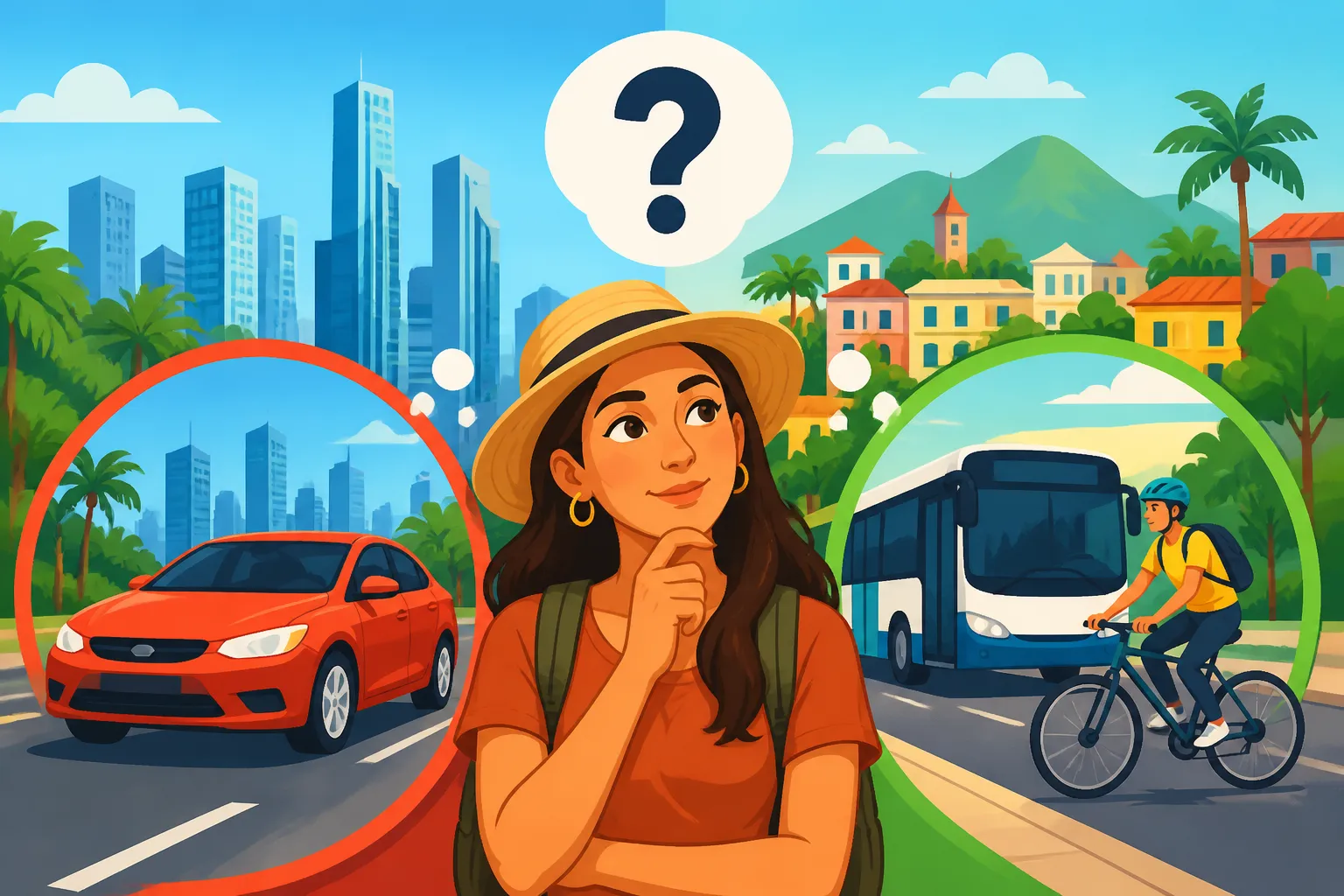
Do I Need a Car to Get Around in Panama?
Ah, the age-old question that crosses every expat's mind when they first set foot in Panama: "Do I actually need a car here?" It’s a legitimate concern, I tell you, because what works in your home country might be a completely different ballgame on these tropical shores. This isn't just about getting from A to B; it's about navigating traffic, understanding local driving quirks, and weighing the costs against the convenience. This comprehensive guide will unpack all your transportation options, giving you a realistic picture to help you decide if a personal vehicle is truly a necessity for your life in Panama.
The Reality of Driving in Panama: What Expats Face
Let's not sugarcoat it: driving in Panama can be an adventure, to put it mildly. It's not for the faint of heart, and it certainly requires a shift in mindset from what many of us are used to. Before you even consider buying a car, it’s crucial to understand the lay of the land, both literally and figuratively.
Traffic, Road Conditions, and Driving Habits
If you’re coming from a country with orderly traffic and well-maintained roads, Panama will be a wake-up call. Panama City, especially, is notorious for its tranques, or traffic jams, which can turn a 15-minute drive into an hour-long ordeal, particularly during rush hour (early mornings, lunch, and late afternoons). These aren't just minor delays; they can be epic battles of patience and horn-honking. Trying to get across the city from, say, Costa del Este to Albrook at 5 PM is often a test of endurance.
Then there are the roads themselves. While major highways are generally in decent shape, you'll encounter everything from unexpected potholes that could swallow a small dog to unmarked speed bumps that appear out of nowhere, particularly off the beaten path. Road signage can be sparse or confusing, and GPS, while helpful, doesn't always account for sudden detours or the labyrinthine one-way streets in older neighborhoods like Casco Viejo. Heavy rains, especially during the wet season, can quickly turn streets into rivers, causing flash flooding and making driving even more treacherous. You’ll see local drivers navigating these conditions with a mix of aggression and improvisation, often making their own lanes or ignoring turn signals entirely. It's a dance, and you're learning the steps on the fly.
Parking and Roadside Assistance
Finding parking in bustling areas like El Cangrejo, Bella Vista, or the banking district of Panama City can feel like winning the lottery. Many buildings have limited parking, and street parking is often restricted or quickly snapped up. In areas with high foot traffic, you might find informal "parking attendants" who, for a small fee, will "watch" your car – it's a common practice, but always be aware of your surroundings. If you're living in an apartment building, dedicated parking spots are a huge bonus, but they often come at a premium or are limited to one per unit. For example, if you live in a popular area like San Francisco and plan to entertain, your guests might have to circle for ages to find a spot.
And what happens if your car breaks down? Roadside assistance exists, but it might not be as immediate or comprehensive as you're used to. Having a trusted mechanic or a reliable insurance policy that includes towing services is crucial. Many expats have been expats stranded on the Corredor Sur with a flat tire, waiting for help, realizing that a little preparedness goes a long way. Understanding what your options are for things like a flat tire, a dead battery, or a minor accident is paramount. This includes knowing who to call and having a basic grasp of Spanish to explain your situation.
Public and Alternative Transportation Options: Navigating Panama Without a Car
While a car might seem like the easiest solution, Panama, especially its capital, offers a surprising variety of public and alternative transportation options that can make car ownership completely unnecessary for many expats. It all depends on where you live and what your daily routine looks like.
Panama City's Metro and Metrobus System
Panama City boasts the only metro system in Central America, and it's a game-changer. The Metro is clean, efficient, air-conditioned (a blessing in Panama's heat!), and incredibly affordable. It currently has two lines, Line 1 and Line 2, with plans for expansion, connecting key areas from Albrook to San Miguelito and out to the eastern suburbs and Tocumen International Airport. You’ll need a rechargeable Metro Card, which you can purchase and top up at any station. These cards are also used for the Metrobus system.
I remember when the Metro first opened; it instantly cut my commute time significantly. It's fantastic for avoiding the worst of the city's tranques and for reaching major hubs like the Albrook Mall (a shopping mecca) or the major bus terminal. For daily commutes, getting to appointments, or simply exploring different neighborhoods, the Metro is often faster and less stressful than driving. The Metrobus system, while not as glamorous, supplements the Metro, reaching areas the train doesn't. Buses can be a bit more unpredictable with traffic, but they’re equally affordable and cover extensive routes throughout the city. If you're looking for an efficient way to get around Panama City, embracing The Expat Guide to Public Transport in Panama is a smart move.
Taxis, Ride-Sharing, and Private Drivers
Beyond public transit, taxis and ride-sharing services are readily available. Traditional yellow taxis are everywhere, but remember that fares are often negotiated before you get in, as meters are rarely used. Always agree on the price upfront to avoid any surprises. While generally safe, some expats prefer the transparency and convenience of ride-sharing apps.
Uber is very popular in Panama City, offering fixed pricing, driver tracking, and cashless payments, which eliminates the language barrier for price negotiation. There's also a local alternative, Yappy Taxi, often integrated into the popular Yappy payment app, which works similarly. These services are perfect for evenings out, trips with luggage, or when you need a door-to-door service without the hassle of parking. For times when you absolutely need reliable connectivity to hail a ride or navigate, consider getting a local eSIM from services like Airalo. It ensures you’re always connected without hunting for Wi-Fi. For longer trips outside the city or if you prefer a more personalized experience, hiring a private driver for a day or a specific journey is also an option, particularly useful for exploring the interior of Panama or making airport runs.
Buses and Chivas for Inter-City Travel and Rural Areas
If you're planning to explore beyond the capital, Panama has an extensive and affordable inter-city bus network. The main hub is the Albrook Bus Terminal, where you can catch comfortable, air-conditioned buses to almost anywhere in the country, from David in Chiriquí to Bocas del Toro. These long-distance buses are a fantastic way to see the country without the stress of driving, and they’re incredibly cheap. For example, a bus ride from Panama City to David typically costs under $20 and offers stunning views along the Pan-American Highway.
In more rural areas, you'll encounter chivas, or the brightly painted diablos rojos (red devils), which are old school buses converted into local public transport. They’re an iconic part of Panamanian culture, often playing loud music and stopping frequently. While they might not be the most comfortable ride for long distances, they are an authentic experience and a lifeline for local communities. For short distances in towns like Boquete or Coronado, local mini-buses operate on fixed routes for a nominal fee. You’ll quickly learn how to hail them and where they generally go.
Here's a quick comparison of the common transportation options:
| Transportation Type | Pros | Cons | Cost (Approx. in USD) | Convenience Level |
|---|---|---|---|---|
| Personal Car | Ultimate freedom, door-to-door, cargo capacity | High upfront & ongoing costs, traffic stress, parking difficulty | Purchase + $300-600/month | High (when moving) |
| Metro | Fast, air-conditioned, reliable, cheap in city | Limited coverage outside main routes, requires Metro Card | $0.35/ride | High (on route) |
| Metrobus | Extensive city coverage, cheap, air-conditioned | Traffic delays, can be crowded, requires Metro Card | $0.25-$1.25/ride | Medium |
| Uber/Yappy Taxi | Door-to-door, fixed price, safe, convenient | Can be pricey during surge, reliance on app, need data | $3-20/ride (city) | High |
| Traditional Taxis | Abundant, hail anywhere, direct | Negotiate fare, potential for overcharging, less regulated | $3-15/ride (city) | Medium |
| Inter-city Buses | Affordable, extensive national network, comfortable | Fixed schedules, longer travel times, Albrook Terminal can be chaotic | $5-30/trip (national) | Medium |
| Chivas/Local Buses | Very cheap, authentic experience, rural access | Less comfortable, frequent stops, irregular schedules | $0.25-$1.00/ride (local) | Low-Medium |
The Costs of Car Ownership vs. Alternatives in Panama
Now, let's talk numbers, because this is where the decision often truly solidifies for many expats. Owning a car in Panama isn't just about the purchase price; it's a continuous stream of expenses that can quickly add up.
Initial and Ongoing Expenses of a Vehicle
First off, buying a car in Panama can be surprisingly expensive. New cars, due to import taxes and tariffs, often cost significantly more than in North America or Europe. Even used cars hold their value well. Beyond the sticker price, you're looking at:
- Import Taxes: If you plan to import your own car, prepare for substantial customs duties and paperwork. It's often more straightforward and sometimes even cheaper to buy locally.
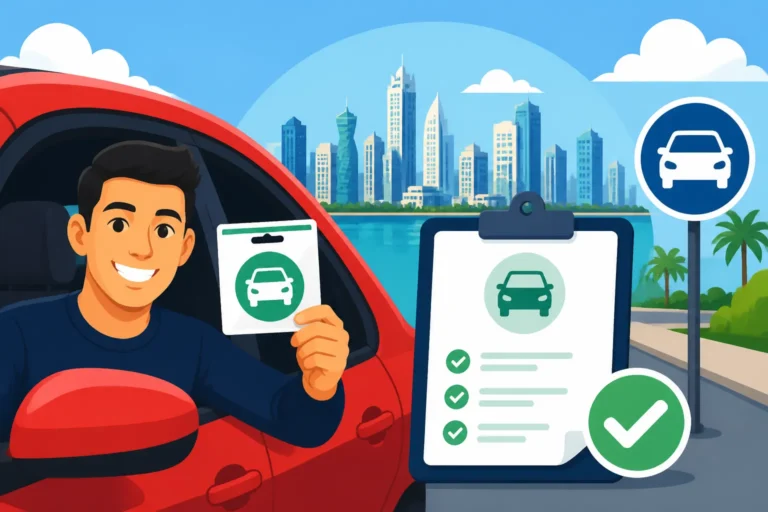
- Registration and License Plates: This is an annual cost, along with the Revisado, or vehicle inspection, which is mandatory. Don't underestimate the bureaucracy involved; it can be a process! You’ll want to look into How Much Does It Cost to Register a Car in Panama? and How Much Does the Revisado Vehicle Inspection Cost in Panama? for current figures.
- Insurance: Car insurance is compulsory in Panama. While third-party liability is usually quite affordable, comprehensive insurance (recommended given the driving conditions) can be a significant expense. For a detailed breakdown, check out How Much Is Car Insurance in Panama?.
- Maintenance and Repairs: Finding reliable mechanics can take time, and parts, especially for foreign or luxury vehicles, might need to be imported, adding to the cost and wait time.
- Fuel: Panama uses the US dollar, so fuel prices fluctuate with global oil markets. While generally lower than many Western countries, it's still a constant outgoing expense. In 2024, regular gasoline often hovers around $3.50-$4.50 per gallon.
- Parking: As mentioned, parking can be scarce and, in many areas, you’ll pay for it, whether it’s a lot or an informal attendant.
All these factors mean that a car, which might seem like a one-time purchase, transforms into a recurring monthly drain on your finances.
Comparing Costs: Car vs. Public Transport/Ride-Sharing
Let's do a hypothetical comparison.
Scenario 1: Car Ownership (Monthly Estimate)
- Car Payment (if financed): $300 – $600+ (depending on car value)
- Insurance: $50 – $150
- Fuel (average 1-2 tanks/week for city driving): $150 – $300
- Maintenance/Repairs (set aside): $50 – $100
- Parking/Tolls (e.g., Corredor Sur/Norte): $30 – $80
- Annual Registration/Revisado (amortized monthly): $10 – $20
Total Monthly Car Cost: $590 – $1,250+
Scenario 2: No Car, Relying on Alternatives (Monthly Estimate)
- Metro/Metrobus (daily commute + weekend use): $30 – $60
- Uber/Yappy Taxi (10-15 rides per month): $80 – $200
- Inter-city bus (1-2 trips per month): $20 – $60
- Occasional private driver: $50 – $100
Total Monthly Alternative Transport Cost: $180 – $420
As you can see, the financial difference is stark. For many, especially those living in Panama City and working or socializing within the Metro's reach, relying on public transport and ride-sharing can lead to substantial savings. These savings could be allocated to other aspects of your life here, improving your overall The Complete Guide to Cost of Living in Panama for Expats (2026). The convenience of not having to worry about parking, traffic, or maintenance is also a valuable, intangible benefit.
When a Car Might Be Essential: Specific Scenarios and Lifestyles
Despite the compelling arguments against car ownership for many, there are certainly situations and lifestyles in Panama where having your own wheels becomes less of a luxury and more of a practical necessity.
Living Outside Major Urban Centers
If you’ve decided that the bustling energy of Panama City isn't for you and instead opted for the serene beauty of the highlands in Boquete, the Pacific beach communities like Coronado or Gorgona, or the more laid-back vibe of David, then a car moves much higher up the "necessity" list. These areas often have limited public transportation compared to the capital.
Imagine living in a community in Boquete, surrounded by coffee farms and mountain trails. While local buses (often smaller chivas) do exist and will get you to the town center, they don't cover every single road or deliver you directly to your doorstep. Grocery runs, trips to hardware stores, visiting friends in other expat enclaves, or exploring the region’s many natural attractions (like the hot springs or Volcán Barú) would be incredibly cumbersome, if not impossible, without a car. The same applies to the beach areas. While some developments offer shuttle services, getting to the larger supermarkets, medical clinics, or even just exploring different beaches would be a constant logistical challenge. In these environments, the freedom and flexibility a car provides dramatically enhance your quality of life.
Family Needs, Frequent Travel, and Business Requirements
For expats with families, a car often becomes indispensable. Juggling school runs, after-school activities, doctor's appointments, and weekend family outings can quickly become a nightmare without your own vehicle. Trying to cram car seats and multiple children onto a Metrobus or into a regular taxi for every single trip is simply not practical for most families. When considering How to Choose Between Panama City, David and Boquete to Live In, family logistics play a huge role.
Furthermore, if your lifestyle involves frequent travel for pleasure or business, especially to areas not served by major bus routes, a car gives you unparalleled freedom. Perhaps you're an avid surfer who wants to chase waves along the Azuero Peninsula, or a hiker keen on exploring national parks, or a photographer who needs to transport equipment to remote locations. These activities are simply not conducive to public transport or relying on taxis. Similarly, if you're running a business that requires transporting goods, tools, or visiting clients across different locations, a reliable personal vehicle isn't just convenient, it's a critical business asset. When The Complete Guide to Freelancing in Panama as an Expat or Self-Employment in Panama: Registering a Business and Going Independent (2027) becomes your reality, a car might be a smart investment in your professional capacity.
For those planning a move and contemplating bringing a vehicle, or just managing the logistics of relocation, remember services like Sirelo can assist with international moving details, though bringing a car often involves significant import costs as mentioned earlier. It’s a big decision to weigh against the local purchase options.
Ultimately, the decision of whether or not you need a car in Panama boils down to your personal circumstances, where you choose to live, and your daily needs. While many can comfortably navigate urban life using Panama's improving public transit, ride-sharing apps, and taxis, a vehicle becomes a much stronger consideration for families, those living in rural areas, or individuals who value the freedom to explore extensively on their own terms. My advice? Come, settle in, get a temporary How Do I Use My Foreign Driver's Licence in Panama?, and try living without one for a few months. Then, you'll truly know if you can get by, or if those shiny wheels are calling your name.
Disclaimer
Please remember that the information provided in this guide is for general informational purposes only and does not constitute legal, financial, or professional advice. Regulations, costs, and services in Panama can change, and it is always recommended to consult with local experts and verify current information.