How Do I Choose Between Panama City, David and Boquete to Live In?
Deciding where to settle in a new country like Panama is one of the biggest, most exciting, and frankly, most overwhelming decisions you’ll make. It’s not just about finding a place to live; it’s about finding a lifestyle, a community, and a rhythm that resonates with you. Many expats immediately think of the big three: the bustling capital, the regional hub, or the tranquil highlands. This guide will walk you through the distinct characteristics of Panama City, David, and Boquete, helping you understand their unique vibes, practicalities, and who each spot is truly for.
Panama City: The Bustling Metropolis
Panama City. Just the name conjures images of gleaming skyscrapers, a vibrant skyline against the Pacific, and the incessant hum of a truly global city. If you’re coming from a major international city and crave that energy, that endless list of things to do, and that feeling of being at the heart of it all, then Panama City might just be calling your name. But let me tell you, it's not for everyone, and it certainly comes with its own set of unique Panamanian quirks.
The Urban Expat Experience
Living in Panama City is a complete immersion in urban life. Think traffic, noise, and a relentless pace, but also world-class dining, incredible shopping, and cultural events that you won't find anywhere else in the country. The city is a mosaic of distinct neighborhoods, each with its own character. Areas like El Cangrejo and Obarrio are lively, full of restaurants, bars, and a younger crowd, perfect if you’re looking for a walkable, energetic vibe. On the other hand, areas like Punta Pacifica or Costa del Este offer more modern, planned communities with larger apartments, often catering to families or those seeking a more luxurious, amenity-rich environment. San Francisco and Coco del Mar strike a nice balance, offering more local flavor with good access to amenities.
One of the big draws here is the sheer convenience. Need to visit a specialist doctor? The city boasts top-tier private hospitals like Hospital Punta Pacifica and Hospital Nacional, making your healthcare journey much smoother than in more remote areas. Looking for a specific imported grocery item? You’ll find it here. Want to catch a movie in English or see an international concert? Panama City is your only real option. However, that convenience comes at a price. Navigating the city often means dealing with significant traffic, especially during peak hours. Owning a car is almost a necessity for many, though the Metro and extensive Metrobus system are improving, offering decent public transport options, especially if you understand how to use the system. You'll want to read up on How to Use the Metro and Public Transport in Panama City before you commit. For short-term visits or exploring on foot, having reliable internet access is key, and an eSIM from providers like Airalo can be incredibly useful to stay connected without hunting for local SIM cards.
Cost of Living and Lifestyle
Let’s be real, the cost of living in Panama City is the highest in the country. Rent, especially for modern apartments in desirable areas, can be comparable to some mid-sized North American or European cities. A nice two-bedroom apartment in a good neighborhood could easily run you anywhere from $1,200 to $2,500+ USD per month, depending on the building's amenities and the specific location. Utilities, particularly electricity to run that much-needed air conditioning, can also add up. Groceries might be a mixed bag; local produce is affordable, but imported goods can carry a premium. For a more detailed breakdown, check out our guide on How Much Does It Cost to Rent an Apartment in Panama City in 2026?
The lifestyle here is fast-paced. Weekends might involve brunch in Casco Viejo, exploring the Amador Causeway, or hitting one of the many malls. There’s a thriving expat community, and finding social groups or activities specific to your interests is relatively easy. However, if you're not a fan of humidity, concrete jungles, or the constant buzz of urban life, the city might feel overwhelming after a while. It’s a fantastic place for professionals, young families who value international schools, and anyone who thrives on constant stimulation and access to everything.
David: The Hub of Chiriquí
Venturing away from the capital, we find ourselves in David, the capital of the Chiriquí province. This city often gets overlooked by expats who head straight for the mountains of Boquete or the beaches of the Pacific coast. But David holds a significant place as the economic and commercial heart of western Panama. It’s a city of contrasts: bustling commercial streets, local markets, and a more relaxed pace than Panama City, but still with all the essential amenities you need.
Daily Life and Practicalities
David offers a more authentically Panamanian experience than the capital. You'll hear more Spanish spoken, encounter fewer tourists, and find that life generally moves at a slower, more manageable speed. For many expats, particularly those on a budget or looking for a more "real" Panamanian immersion without sacrificing convenience, David hits a sweet spot. It’s large enough to have major supermarkets, several private clinics, shopping malls, and all the necessary services, but small enough to feel less anonymous than Panama City. It’s also the gateway to the beautiful highlands of Boquete and Volcán, and the stunning beaches of Las Lajas and Boca Chica are just a short drive away.
The infrastructure in David is solid for a regional hub. You'll find good internet service, decent public transport (local buses and taxis), and a range of housing options. While it doesn't boast the high-tech hospitals of the capital, David has reputable private clinics and a large public hospital (Hospital Regional Rafael Hernández) that serve the entire province. For those wondering, "How Do I Find an English-Speaking Doctor in Panama," you'll find options here, but perhaps fewer than in Panama City.
Affordability and Community
One of David’s major selling points is its affordability. The cost of living is significantly lower than in Panama City. Rent for a comfortable two-bedroom apartment can range from $500 to $900 USD, often including some utilities. Groceries, especially local produce purchased from the markets, are incredibly inexpensive. This makes David a very attractive option for retirees on a fixed income or individuals looking to stretch their budget further. You might find our guide on How Much Is the Cost of Living in Panama for Expats? useful for a broader comparison.
The expat community in David is smaller and less visible than in Boquete or Panama City, but it is present and welcoming. Many expats here are drawn to the slower pace, the lower costs, and the proximity to both mountains and beaches. It tends to attract those who are more independent and willing to integrate more deeply into local Panamanian culture. The weather in David is generally hot and humid, similar to Panama City, but without the constant sea breeze you sometimes get in the capital, so prepare for that warmth! When planning a move, especially if you're bringing belongings, exploring resources like Sirelo can help you find reliable international moving companies that serve regions like Chiriquí.
Boquete: The Mountain Retreat
Ah, Boquete. The name alone evokes images of cool mountain air, lush green coffee plantations, and a perpetually spring-like climate. Tucked away in the highlands of Chiriquí, Boquete is a stark contrast to both Panama City and David, offering a tranquil, nature-centric lifestyle that has charmed countless expats.
The Highland Lifestyle
Boquete is famous for its "eternal spring" weather, with daytime temperatures hovering in the low to mid-70s Fahrenheit (around 20-25°C) and cooler evenings, often accompanied by a gentle drizzle known as bajareque. If you're tired of relentless heat and humidity, Boquete is your haven. The landscape is breathtaking, dominated by Volcán Barú (Panama's highest peak), pristine rivers, and dense cloud forests. This is a place for outdoor enthusiasts: hiking, birdwatching, white-water rafting, and coffee tours are all popular pastimes.
The town itself is charming and walkable, centered around its main park and the Caldera River. While smaller than David, Boquete has a surprising number of amenities catering to its large expat population. You'll find good restaurants, a variety of small shops, and several private clinics. For serious medical needs or more extensive shopping, David is just a 30-45 minute drive away. Getting around Boquete is easy on foot or by local taxi, though many residents choose to own a car for greater flexibility, especially to explore the surrounding areas. Learning How to Get a Panamanian Driver's Licence will be a key step for new residents.
Community and Vibe
Boquete boasts arguably the largest and most active expat community in Panama, outside of Panama City. This is a huge draw for many newcomers, as it means an instant social network, numerous clubs and organizations (from bridge clubs to hiking groups, charitable foundations to language exchange meetups), and a wealth of shared experience to tap into. This vibrant community makes settling in much easier for some, offering a sense of camaraderie and support that can be invaluable when adjusting to life abroad.
The cost of living in Boquete is generally higher than in David but often lower than in Panama City. Rent for a nice house or apartment can vary widely, from $800 to $1,500+ USD, depending on size, location, and views. While some things, like local produce, are cheap, others, like imported goods or certain services, might be a bit more expensive due to logistics. Utilities are generally lower because you rarely need air conditioning; a fan or simply open windows often suffice. Boquete’s vibe is relaxed, friendly, and very community-oriented, making it ideal for retirees, nature lovers, or anyone seeking a peaceful, picturesque environment with a strong sense of belonging.
Making Your Choice: Key Considerations and Lifestyle Match
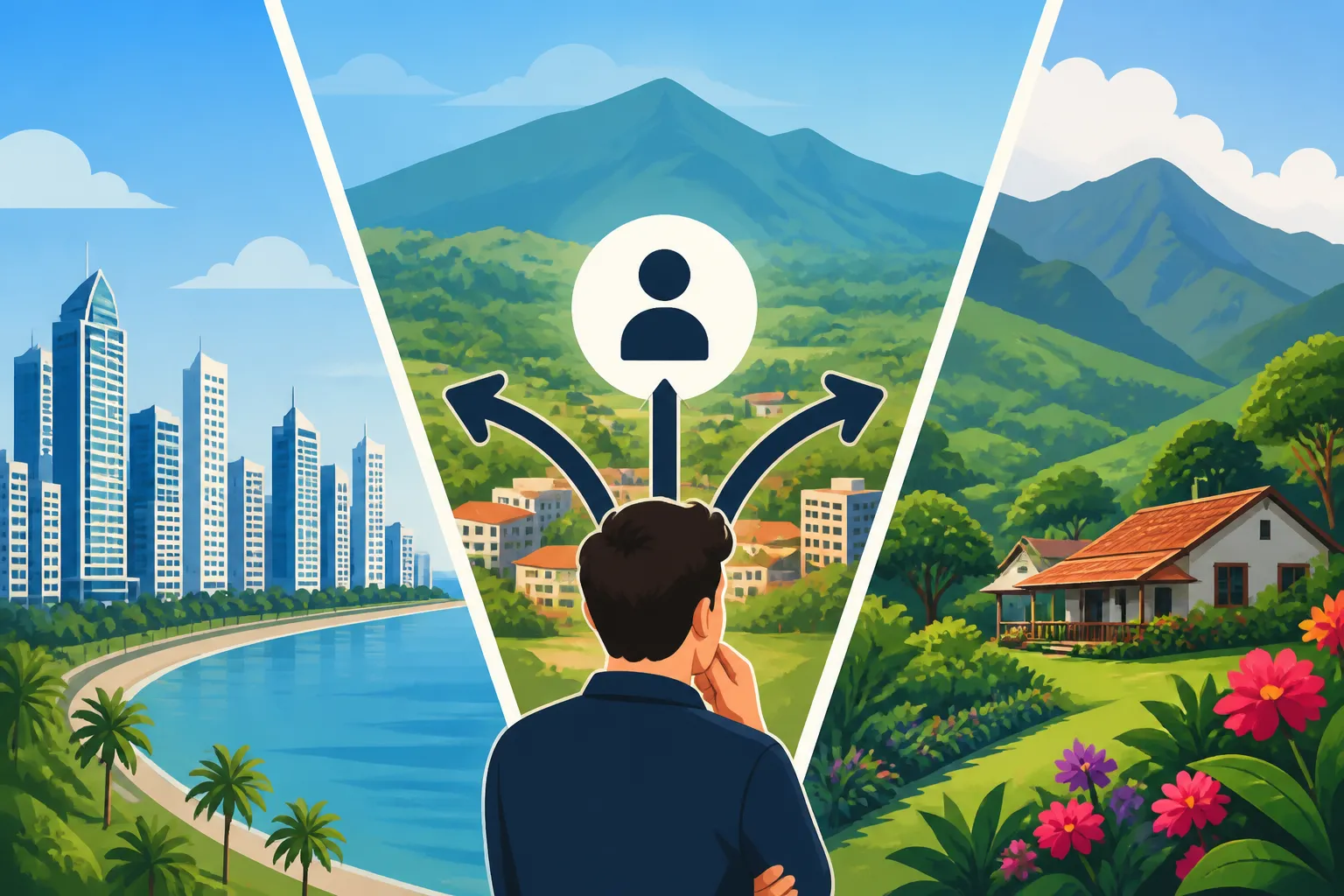
Choosing between these three distinct locations truly boils down to your personal preferences, priorities, and what you envision for your life as an expat in Panama. It’s not just about a list of pros and cons; it’s about finding that feeling of home.
Lifestyle Priorities and Climate
Consider what really matters to you on a day-to-day basis. Are you a city person who thrives on constant activity, cultural events, and access to everything metropolitan? Then Panama City’s energy, diverse dining, and amenities will likely appeal. If you wilt in heat and humidity and dream of cool breezes and misty mornings, Boquete’s climate and natural beauty will be a powerful draw. If you’re looking for a comfortable balance – access to modern conveniences, a slower pace, and proximity to both mountains and beaches without the big-city price tag – David might be your Goldilocks zone. Remember to think about what you want your weekends to look like. City exploring, mountain hiking, or beach hopping?
Budget and Financial Comfort
Your budget is undeniably a crucial factor. Panama City, while offering a wealth of opportunities, will demand more from your wallet in terms of rent, transportation, and discretionary spending. David offers a more affordable lifestyle, allowing your retirement funds or income to stretch further. Boquete sits somewhere in the middle, offering a high quality of life with reasonable costs, though some niche expat-focused services can be pricier. For those still working, understanding your potential income tax in Panama and overall financial planning is vital, and our guide on How to Choose the Best Bank for Expats in Panama might be helpful.
It's also worth thinking about unexpected costs. For instance, while Panama has a robust healthcare system, the cost of healthcare in Panama: A Complete Breakdown for Foreigners (2026) varies by region and type of care. Access to certain specialists might mean traveling to Panama City, which incurs travel and accommodation costs if you live in David or Boquete.
Community and Integration
How important is an existing expat community to you? If you value a ready-made social circle and structured expat activities, Boquete will probably offer the easiest transition. Panama City also has a large expat population, but it's more spread out and often takes more effort to connect. In David, you'll find a smaller, more integrated community, which might appeal to those looking to truly immerse themselves in local culture and build relationships with Panamanians. Each option presents a different path to integration and belonging. When you're ready to make a move, you'll also want to consider The Complete Guide to Moving to Panama: Your First 90 Days (2026), which covers everything from initial setup to long-term integration.
A Comparative Snapshot
Here's a quick overview to help visualize the differences, keeping in mind this is a simplified view of complex places:
| Feature | Panama City | David | Boquete |
|---|---|---|---|
| Vibe | Bustling, modern, international, fast-paced | Commercial hub, authentic, steady, regional | Tranquil, nature-focused, expat-friendly, relaxed |
| Climate | Hot, humid, tropical year-round | Hot, humid, tropical year-round | Spring-like, cool evenings, misty |
| Cost of Living | Highest | Most affordable | Moderate |
| Healthcare | Best access to private hospitals/specialists | Good regional hospitals/clinics | Good local clinics, close to David for more |
| Expat Community | Large, diverse, spread out | Smaller, more integrated | Large, active, visible |
| Activities | Shopping, dining, nightlife, cultural events | Local markets, gateway to nature/beaches | Hiking, coffee tours, birdwatching, community events |
| Transportation | Metro, buses, taxis, heavy traffic (car often needed) | Buses, taxis (car useful for exploring) | Walkable town, taxis (car useful for exploring) |
| Noise Level | High | Moderate | Low |
Ultimately, the best way to choose is to visit these places yourself, if possible. Spend a few days or even weeks in each, talk to expats who live there, and get a feel for the rhythm of daily life. What feels like "home" to one person can feel entirely alien to another. Panama offers incredible diversity, and finding your perfect spot is part of the grand adventure of expat life. Remember to stay connected during your travels; a global eSIM like Airalo is perfect for seamless data across different regions. Also, if you’re planning a significant move, research international movers through resources like Sirelo to simplify your logistics.
Disclaimer
Please remember that the information provided in this guide is intended for general informational purposes only and may not reflect the most current legal, financial, or immigration regulations. Panama's laws and economic conditions can change, and individual circumstances vary. It is highly recommended to consult with qualified local professionals, such as immigration lawyers, financial advisors, and real estate agents, for personalized advice before making any significant decisions about moving or settling in Panama.