How Do I Choose a Good School Area in Panama?
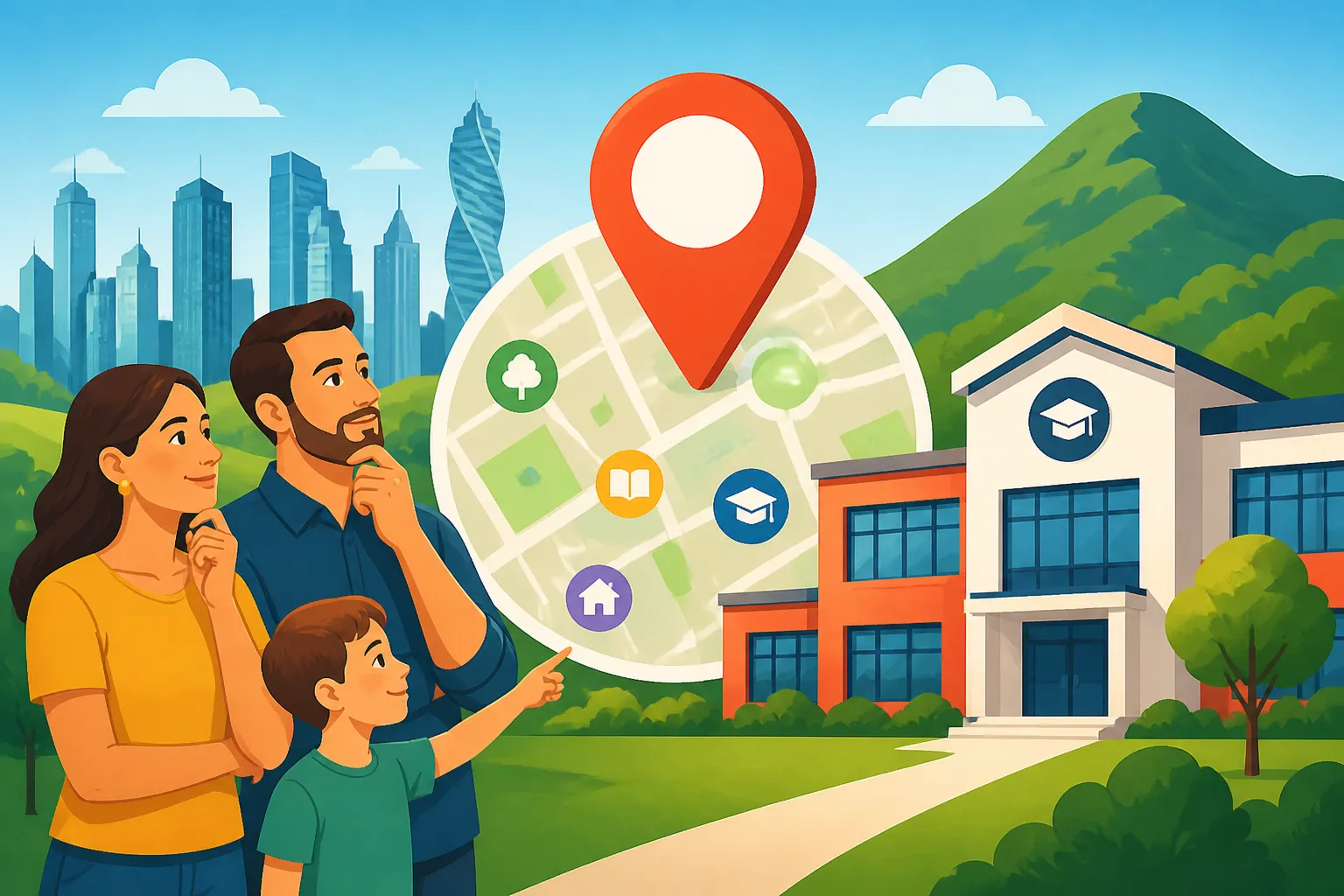
Ah, the school search! If you're an expat family eyeing Panama, figuring out where your kids will get a good education while also finding a neighborhood that fits your family's vibe is probably one of the biggest headaches you'll face. It's not just about the curriculum; it's about traffic, community, and that all-important sense of belonging. This guide will walk you through how to choose a fantastic school area in Panama, focusing on what truly matters for expat families.
Navigating Panama's Educational Landscape for Your Kids
Let's be honest, trying to understand a new country's education system can feel like deciphering ancient hieroglyphs, especially when you're also juggling residency paperwork and finding a place to live. Panama has a diverse system, but for most expat families, the choices quickly narrow down.
Public vs. Private vs. International Schools
When you first start looking at schools in Panama, you'll encounter the full spectrum: public, private (local Panamanian), and international. For many of us coming from abroad, especially with kids already in an international curriculum, the public school system here, while undergoing reforms, often isn't the most direct fit. The language barrier is a huge one, as instruction is almost entirely in Spanish, and the curriculum is geared towards the local Panamanian system. For a few brave souls with fully bilingual children and a desire for deep cultural immersion, it could work, but it's certainly not the norm for expat families.
Then you have local private schools. These can be a fantastic option if your children are fluent in Spanish or you're specifically looking for a more immersive cultural experience while still benefiting from smaller class sizes and better resources than many public schools. They often follow the Panamanian curriculum but might offer some English instruction. The fees for these can be significantly lower than international schools, which is a major draw for some families. However, integrating into these schools can still present challenges if your kids aren't already comfortable with Spanish and Panamanian social norms. It's a different rhythm, a different way of doing things, and it can take time to adjust.
This brings us to international schools – the go-to for the vast majority of expat families in Panama. These schools, like Balboa Academy or the International School of Panama, typically offer curricula like the American, British, or International Baccalaureate (IB) programs, which can make transitions smoother if you're planning on moving again or if your children are pursuing higher education abroad. They generally have a diverse student body, English as the primary language of instruction (though Spanish classes are mandatory), and facilities that often mirror those found in North America or Europe. The biggest considerations here are location, cost, and availability. We'll delve into the specifics of these institutions in our comprehensive guide, "Schools and Education in Panama: A Complete Guide for Expat Families", where we explore all the nitty-gritty details.
Key Factors Beyond Academics
Beyond the curriculum, there are so many other things that weigh on an expat parent's mind when choosing a school. The language of instruction is, of course, paramount. If your kids aren't fluent in Spanish, an English-speaking international school will likely be your first port of call. But even within English-speaking schools, there's the question of Spanish integration. Do they offer intensive Spanish programs for newcomers? How well do they support students who aren't yet bilingual? These are critical questions to ask during your inquiries.
Another often-overlooked factor is the school's approach to extracurricular activities and cultural integration. Is there a strong emphasis on Panamanian culture and traditions, or is it more globally focused? Does the school offer a wide range of sports, arts, and clubs that align with your child's interests? For children trying to adjust to a new country, these activities can be lifelines, helping them make friends and find their footing. It's also worth considering the school's parent community. Are there active parent associations? Do they organize events that foster connection among expat and local families? A supportive school community can make a world of difference for both parents and kids in a new country.
Finally, think about the overall philosophy and vibe. Some schools might be very academically rigorous, while others prioritize a more holistic approach to child development. Does the school's mission statement resonate with your family's values? Visiting schools, if possible, or at least engaging in detailed virtual tours and conversations with admissions staff and current expat parents, can give you a much better feel for the subtle nuances that a brochure might not capture. Don't be afraid to ask direct questions about discipline, diversity, and how they handle student well-being, especially for kids undergoing a big international move. You might also want to look into "How to Enrol Your Child in a School in Panama" for specific enrollment requirements and tips.
Top Contender School Areas in Panama City and Beyond
Choosing a school area in Panama means balancing convenience, lifestyle, and access to quality education. Panama City is where the majority of international schools are concentrated, but don't discount options in other regions if you're looking for a different pace of life.
Panama City's Expat-Friendly Neighborhoods
Panama City is sprawling, and traffic, as I'm sure you've heard, can be brutal. This means the location of your child's school will heavily influence your daily life and your choice of neighborhood. Some areas naturally draw expat families due to their proximity to top schools and family-friendly amenities.
Clayton and City of Knowledge: This area, located on the former U.S. Army base, is a huge draw for expat families. It's green, quiet, and feels a bit like a suburban oasis within the city. You'll find a strong community feel, plenty of parks, and safe streets for kids to ride bikes. The International School of Panama is located here, making it incredibly convenient for families whose children attend. Other schools are also easily accessible via school bus routes. The drawback? It's a bit removed from the hustle and bustle of downtown and can mean longer commutes for parents working in other parts of the city. However, many residents find the trade-off for peace and quiet, and excellent schools, well worth it.
Costa del Este: A modern, upscale development, Costa del Este boasts a beautiful oceanfront promenade, contemporary high-rise buildings, and a wealth of amenities like supermarkets, restaurants, and medical centers. It's very popular with multinational executives and their families. Schools such as the Metropolitan School of Panama are located within or very close to this area, and many other international schools offer bus services. The lifestyle here is comfortable and convenient, almost like a city within a city, with everything you need at your fingertips. The downside is that it's one of the more expensive areas for rent and property.
Albrook: Similar to Clayton, Albrook is another former U.S. military base area, offering a more residential and green environment compared to the dense urban core. It's home to the Balboa Academy and Crossroads Christian Academy, making it an excellent choice if these schools are on your radar. Albrook also benefits from being close to the Albrook Mall (a major shopping hub) and the domestic airport. It’s a bit more bustling than Clayton but still retains a community feel with many expat families. The proximity to Omar Park also makes it appealing for families who enjoy outdoor activities.
San Francisco and Paitilla: These are more central, vibrant neighborhoods closer to the financial district and many city attractions. They offer a more urban living experience with a wide array of apartments, restaurants, and shops. While international schools aren't in these neighborhoods, they are easily accessible by car or school bus. Many families choose to live here for the convenience of city living and proximity to work, accepting the school commute. Areas like San Francisco, in particular, have a great family atmosphere with plenty of parks and activities, making it a lively place to raise children.
For a deeper dive into these options, check out "The Best Places to Live in Panama for Expats: A Complete Guide".
Alternative Locations: Highlands and Beaches
While Panama City is the hub for international education, not every expat family dreams of city life. If you're yearning for cooler climates or a laid-back beach lifestyle, Panama offers compelling alternatives, though with different schooling considerations.
Boquete, Chiriquí: Nestled in the highlands, Boquete is famous for its mild climate, stunning mountain scenery, and vibrant expat community. It's a haven for nature lovers and retirees, but more and more families are discovering its charm. The trade-off here is school options. While there are some local private schools and smaller, independent initiatives often started by expat parents (like homeschooling co-ops or small private schools with a mixed curriculum), you won't find the large, established international schools with IB programs that you'd find in Panama City. Many expat families in Boquete opt for homeschooling, online schooling, or even sending their children to boarding schools in other countries. This requires a different approach to education planning, but for those seeking a tranquil, tight-knit community and an outdoor lifestyle, Boquete offers an unparalleled quality of life that some feel outweighs the schooling challenge. It's a conscious choice, often made by families committed to a simpler, closer-to-nature upbringing.
Coronado and the Pacific Beaches: Along Panama's Pacific coast, towns like Coronado, Gorgona, and Farallón offer beautiful beaches and a relaxed, resort-like atmosphere. This area is popular with weekenders from Panama City and a growing number of full-time expats. Similar to Boquete, the international school options are limited. There might be small bilingual schools or private local options, but usually not with the full international curriculum. Again, homeschooling or online education are common solutions for expat families here. Living by the beach offers incredible opportunities for outdoor recreation and a less hectic pace of life, which can be a huge benefit for family well-being. However, it means parents need to be proactive and creative in securing educational pathways that meet their children's needs and future aspirations. If you're considering this lifestyle, it's crucial to thoroughly research the available educational resources and ensure they align with your family's long-term plans.
Practical Considerations for Your Family
Once you've narrowed down potential school areas, it's time to get pragmatic. Panama's unique challenges, particularly in urban areas, will significantly impact your daily routine.
Commute Times and Traffic Realities
Oh, the traffic in Panama City! I can't stress this enough. What looks like a short distance on a map can easily turn into an hour-long gridlock during peak school drop-off and pick-up times. Living close to your child's school isn't just a convenience; it can genuinely be a sanity-saver. Imagine adding an extra two hours of commuting a day – that's valuable family time lost, and a lot of frustration for both you and your kids. If your child's school is in Clayton, living in Costa del Este, while beautiful, could mean a long, stressful daily drive across the city. Many international schools offer bus services, which can alleviate some of this burden, but even school buses get stuck in traffic.
Before committing to a neighborhood, do a few test runs during morning and afternoon rush hours between potential homes and schools. Use mapping apps to get realistic commute estimates, but then add a healthy buffer. Roads like Corredor Sur and Corredor Norte are toll roads and can save time, but they also have their choke points. Consider if walking or cycling to school is even a remote possibility from your chosen neighborhood – in most of Panama City, it's not due to heat, humidity, and lack of safe pedestrian infrastructure, but areas like Clayton or Albrook can offer more walkable options within their contained communities. The daily grind of the commute can really wear you down, so this isn't a factor to take lightly.
Community and Lifestyle Fit
Beyond the school itself, the surrounding community is a huge part of the expat family experience. Will your kids have other children to play with in the neighborhood? Are there parks, sports facilities, or community centers nearby? For younger children, having friends within walking or cycling distance can be incredibly enriching. For parents, a strong community provides a support network, whether it's for playdates, school carpools, or simply sharing the expat journey with like-minded individuals.
Consider the lifestyle you envision for your family. Do you want the vibrant, bustling energy of a city, or the tranquil pace of the mountains or coast? Each area offers a distinct rhythm. In Panama City, neighborhoods like El Cangrejo or San Francisco offer diverse dining and entertainment, but with more concrete and less green space. Areas like Costa del Este and Clayton offer more planned communities with dedicated recreational zones. In places like Boquete, community life often revolves around outdoor activities and expat-organized events. Think about your family's hobbies, interests, and how you spend your free time. A good school area isn't just about the school; it's about the entire ecosystem your family will inhabit.
Cost of Living and School Fees Integration
Let's talk money, because it's always a big piece of the puzzle. International school fees in Panama can be substantial, easily ranging from $10,000 to over $20,000 USD per child per year, not including registration fees, uniforms, books, and extracurriculars. You can explore "Understanding the Cost of International and Private Schools in Panama" for more details. When combined with housing costs, this can quickly add up. Generally, areas with high concentrations of international schools, like Costa del Este and parts of Albrook, tend to have higher rental prices.
It's crucial to look at your total budget and consider how school fees integrate with your housing costs. Sometimes, choosing a slightly more affordable neighborhood might allow you to send your child to a preferred school, even if it means a slightly longer commute. On the other hand, a slightly higher rent in a prime school zone could save you significant time and transportation costs. Create a realistic budget that factors in everything: tuition, housing, utilities, transportation, and daily expenses. Don't forget that things like reliable internet and mobile data are essential for family communication and schoolwork; companies like Airalo can be a godsend for getting instant connectivity as you explore potential areas before committing to a local plan. It’s all part of the big picture of your family's cost of living in Panama. We have a detailed guide on "The Complete Guide to Cost of Living in Panama for Expats" which breaks down these figures comprehensively.
Making Your Decision and Settling In
The decision of where to settle your family, especially when it involves schooling, is massive. Take your time, do your homework, and trust your gut.
Visiting Schools and Neighborhoods
If at all possible, try to visit Panama for an exploratory trip before making a final decision. There's nothing like experiencing a neighborhood firsthand – the sounds, the smells, the vibe – to tell you if it's the right fit. Schedule school tours, walk around the local parks, check out the supermarkets, and observe the daily rhythm of life. If a physical visit isn't feasible, dive deep into online research. Most international schools offer virtual tours, and many expat groups on social media can provide invaluable insights from parents who are already there. Reach out, ask questions, and gather as much anecdotal evidence as you can.
Connect with other expat parents through online forums or expat groups. Their lived experiences can offer a wealth of practical advice, from which schools have the best support for non-Spanish speaking kids to which neighborhoods truly feel like home. These connections are gold, as they often highlight aspects you wouldn't find in official school brochures or real estate listings. Remember, this isn't just about finding a school; it's about finding a new life for your family.
The Role of a Relocation Consultant
Navigating the complexities of moving to a new country and finding the right school can be overwhelming. This is where a good relocation consultant or real estate agent who specializes in expat families can be incredibly helpful. They often have intimate knowledge of the different school districts, the admissions processes, and the pros and cons of various neighborhoods from an expat perspective. They can help you streamline school applications, arrange visits, and even put you in touch with other expat families.
While it's an added expense, the peace of mind and time saved can be well worth the investment, especially if you're under time constraints or feeling swamped by the relocation process. They can be particularly useful in connecting you with schools that have available spots or understanding the nuances of different curricula. As you plan your move, services like Sirelo can help you compare international moving companies, which is a crucial step in ensuring your household goods arrive safely in your chosen Panamanian home, wherever that may be.
Settling in and Staying Connected
Once you've made your decision and your family has arrived, the real work of settling in begins. Beyond schools and housing, getting the practicalities sorted is key to feeling at home. Setting up utilities, internet, and reliable mobile service are top priorities. You'll want to ensure your kids can connect with friends and family back home, and you'll need stable internet for schoolwork and your own remote work if applicable. For immediate connectivity upon arrival, especially if you're still bouncing between temporary housing and school visits, a service like Airalo that provides eSIM data plans can be incredibly convenient, ensuring you're never out of touch while getting your local services set up.
Beyond the practical, focus on building your support network. Embrace school events, neighborhood gatherings, and expat meetups. Encourage your children to participate in extracurricular activities, as these are fantastic avenues for making new friends and adjusting to their new environment. The first few months are always a whirlwind of adjustments, but with a good school and a supportive community, Panama can truly become a wonderful home for your expat family. Don't hesitate to consult our "The Complete Guide to Moving to Panama: Your First 90 Days" for more on how to navigate those crucial initial months.
| Neighborhood / Area | Primary School Proximity | Pros for Expats | Cons for Expats | Average Monthly Rent (2-3 Bed Apt, est.) |
|---|---|---|---|---|
| Clayton | International School of Panama | Green, quiet, safe, strong community, parks | Further from downtown, less urban excitement | $1,500 – $2,500 |
| Costa del Este | Metropolitan School of Panama | Modern, upscale, convenient amenities, ocean views | Higher cost of living, can feel less "Panamanian" | $1,800 – $3,500 |
| Albrook | Balboa Academy, Crossroads Academy | Residential, green, close to mall & domestic airport | Can get busy around the mall, traffic congestion | $1,200 – $2,000 |
| San Francisco | Access via bus/car (central) | Vibrant, central, diverse dining, many apartments | More urban, less green space, heavy traffic | $1,000 – $1,800 |
| Boquete (Highlands) | Local private schools, homeschooling options | Cool climate, nature, strong expat community | Limited international school options, remote | $800 – $1,500 |
| Coronado (Beaches) | Local private schools, homeschooling options | Beach lifestyle, relaxed pace, outdoor activities | Limited international school options, further from city | $1,000 – $2,000 |
Note: Rental prices are estimates and can vary significantly based on building age, amenities, and specific unit features.
Disclaimer
The information provided in this guide is for general informational purposes only and does not constitute professional advice. While we strive to ensure the information is accurate and up-to-date, educational systems, housing markets, and immigration regulations in Panama can change rapidly. We recommend consulting with local experts, such as real estate agents, educational consultants, and immigration lawyers, for advice tailored to your specific situation. We are not responsible for any decisions made based on this information.