How Do I Renew My Family’s Residency in Panama?
Oh, the joy of residency renewals in Panama, especially when you're managing it for the whole clan! It can feel like you’re trying to herd cats through a particularly bureaucratic obstacle course, right? That initial thrill of getting your family settled with their first Panamanian residency can quickly fade into a new kind of anxiety as the renewal date looms. This comprehensive guide is here to walk you through the often-complex, sometimes frustrating, but ultimately manageable process of renewing your entire family's residency in Panama, offering real-world advice to make it as smooth as possible.
Understanding the Panamanian Residency Renewal Process for Families
First things first, let's acknowledge that renewing residency isn't a one-and-done deal here. Panama’s immigration system, while offering fantastic opportunities for expats, requires diligence and preparation, especially when you have dependents. The process of renewing your family's residency status is not just about extending your own; it involves ensuring every member, from your spouse to your youngest child, meets the ongoing requirements. This can feel like a mountain of paperwork and appointments, but understanding the system is half the battle.
What many expats don't realize is that dependent residency in Panama is typically tied to the primary applicant's status. This means that if you're the main visa holder, your spouse and children's residency often expires concurrently with yours. This synchronized expiry date can be a blessing and a curse. A blessing because you only have one major deadline to track, and a curse because it means a whole stack of documents and fees for everyone at once. You can delve deeper into the specifics by reading our guide on Understanding Dependent Residency in Panama.
The National Immigration Service (SNM) in Panama oversees all these processes. Their procedures can sometimes feel opaque, and what was true yesterday might have a slight tweak today, so staying informed is key. The general principle for renewals is to demonstrate that you continue to meet the conditions under which your initial residency was granted, whether that’s a consistent income for a Pensionado Visa, ongoing employment for a work permit, or maintaining the investment for an investor visa. For families, this also extends to proving ongoing familial ties and financial support for your dependents.
Required Documents and Preparation for Family Residency Renewal
Alright, let's talk documents. This is where most of the stress comes from, and for good reason. Missing even one tiny piece of paper can send you back to square one, delaying the entire process for your family. The key to a successful renewal lies in meticulous preparation, starting months in advance.
Gathering Personal and Financial Documents
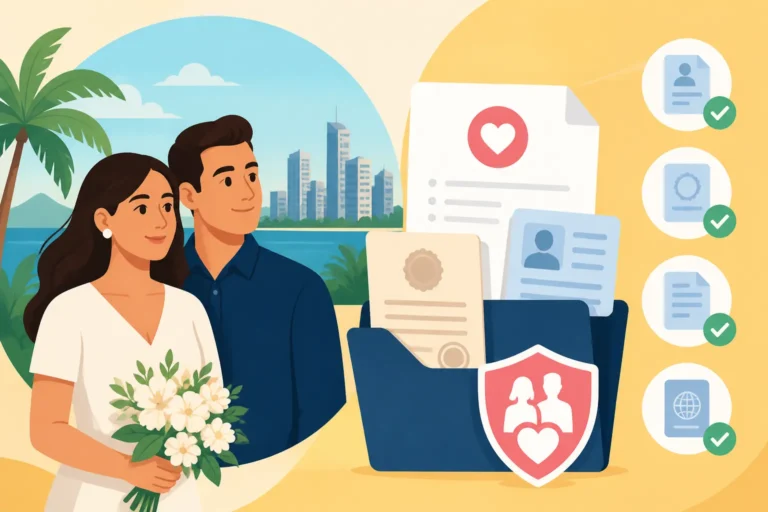
For each member of your family, you'll need updated personal documents. This typically includes:
- Passports: Original and copies of the main page and entry stamps. Ensure everyone's passport is valid for at least six months beyond your intended renewal period.
- Previous Residency Cards (Cédula): Originals and copies of the front and back for everyone. These prove your current legal status.
- Birth Certificates: For all minor children, and sometimes for adult dependents like a spouse, especially if their original residency application required it. These often need to be apostilled from their country of origin and translated into Spanish by an authorized public translator in Panama. This can be a significant hurdle, so be sure to check our guide on How to Get Your Documents Apostilled for Panama Immigration well in advance.
- Marriage Certificate: For your spouse, also usually requiring an apostille and translation if it wasn't issued in Panama.
- Passport-sized Photos: Recent photos, usually two or three per person, adhering to the specific Panamanian requirements (white background, no glasses, etc.). It’s best to get these done at a professional photo studio in Panama that understands the immigration rules.
- Criminal Background Checks: This is a big one. For all adults, a new federal-level criminal background check from their country of origin might be required, especially if you're moving from a temporary to a permanent residency status, or if the initial check is over five years old. Again, these need apostilles and professional translations. Don't underestimate the time it takes to get these from overseas!
- Medical Certificates: A new medical certificate for each family member, issued by a Panamanian doctor. This involves a basic check-up and blood work to screen for contagious diseases. These are relatively straightforward to obtain locally.
- Financial Solvency Proof: This is crucial. You'll need to demonstrate that you can continue to support your family in Panama. This could be bank statements from a Panamanian bank showing sufficient funds, a letter from your employer outlining your salary, or proof of pension income for the Pensionado Visa. If you're using a local bank like Banco General or Banistmo, they can usually provide the necessary letters. For those needing to track the broader financial aspects of living here, our guide on The Complete Guide to Cost of Living in Panama for Expats might be helpful.
It's a good idea to create a checklist for each family member to keep track of every document. For shipping any original documents from overseas or moving house, services like Sirelo can be invaluable in ensuring your paperwork arrives safely and on time.
The Role of Your Panamanian Lawyer
While technically you can attempt some parts of the process yourself, for family residency renewals, having a competent Panamanian immigration lawyer is not just helpful, it's virtually essential. They know the latest requirements, the nuances of different visa types, and how to navigate the inevitable quirks of the SNM. They'll ensure your dossier is complete, help with translations, and represent you and your family at the immigration office. You can find more details on this in Understanding Why You Need a Panamanian Lawyer for Residency.
A good lawyer will provide you with a detailed list of exactly what is needed for your specific visa type and family situation. They will often handle the submission of your application, track its progress, and inform you of any additional requirements or interviews.
Here’s a simplified breakdown of common documents:
| Document Type | Primary Applicant (Adult) | Spouse (Adult) | Child (Minor) | Notes |
|---|---|---|---|---|
| Passport | Original & Copies | Original & Copies | Original & Copies | Valid > 6 months after renewal |
| Cédula (Residency Card) | Original & Copies | Original & Copies | Original & Copies | Current Panamanian ID |
| Birth Certificate | N/A (usually) | Often Required | Required | Apostilled & translated (if foreign) |
| Marriage Certificate | N/A (usually) | Required | N/A | Apostilled & translated (if foreign) |
| Passport Photos | 2-3 Recent Photos | 2-3 Recent Photos | 2-3 Recent Photos | White background, Panamanian standards |
| Criminal Background Check | Required (if applicable) | Required (if applicable) | N/A (<18) | Apostilled & translated (if foreign & required) |
| Medical Certificate | Required (Panamanian Dr.) | Required (Panamanian Dr.) | Required (Panamanian Dr.) | Local lab tests & check-up |
| Proof of Financial Solvency | Required | N/A | N/A | Bank statements, pension letters, employment letter |
| Power of Attorney | Required (for lawyer) | Required (for lawyer) | Required (for lawyer) | Specific format, issued by Panamanian notary |
| Affidavit of Responsibility | N/A (usually) | N/A | Required (by parent) | Attesting to financial responsibility for minors |
Note: This table is a general guide. Always consult with your Panamanian immigration lawyer for the exact requirements based on your specific visa type and family composition.
Navigating the Immigration Office (SNM) with Your Family
Once your documents are in order, the next step is the actual submission and processing at the Servicio Nacional de Migración (SNM). This can be an experience, to say the least!
The Submission Appointment
Your lawyer will typically schedule an appointment for you and your family to visit the SNM. For renewals, especially if you're upgrading from temporary to permanent residency, or simply maintaining your status, it usually involves presenting yourselves to the immigration officer with your lawyer. This is not a time for casual attire; dress professionally, as it conveys respect for the process.
On the day, be prepared for waiting times. While appointments are made, the flow of people can be unpredictable. Bring snacks and entertainment for the children. Your lawyer will guide you through each window and counter, ensuring that all fingerprints are taken (for adults and sometimes older children), photos are verified, and documents are officially received. The immigration official will review your entire dossier, often in front of you. This is why having every single document correct and accounted for is paramount. If anything is missing or incorrect, they will likely return your application, requiring you to re-submit everything once the issue is rectified.
This initial submission usually results in a temporary resolution or a stamp in your passport, indicating that your renewal is in process. This is critically important because it confirms your legal stay while your new residency card is being processed. Make sure you understand the validity of this temporary status and what it allows you to do.
Tracking Progress and Receiving Your Renewed Cédula
After submission, it's largely a waiting game. Your lawyer will be your primary contact for tracking the progress of your application. They'll communicate with the SNM on your behalf and let you know when there are updates or when your renewed residency cards (cédulas) are ready for pickup. The processing time can vary wildly, from a few weeks to several months, depending on the volume of applications and the specific visa category.
Once your cédulas are approved and printed, your lawyer will usually coordinate with you for a final visit to the SNM to pick them up. This is usually a quicker process, as it's just about collecting the physical cards. These new cards will have updated expiry dates, granting you and your family legal residency for the next period, typically one to three years, depending on your visa type.
This entire process for the family reinforces the importance of organization. From the initial steps of How to Apply for the Pensionado Visa in Panama or How to Apply for the Friendly Nations Visa in Panama, to the final renewal, a consistent approach saves time and stress.
Common Challenges and Tips for a Smooth Family Renewal
Even with the best preparation, the Panamanian immigration process can throw curveballs. As an expat who's been through it, trust me, you'll want to be mentally prepared for anything.
Overcoming Bureaucratic Hurdles and Delays
One of the biggest frustrations is the potential for delays. These can stem from a high volume of applications, internal procedural changes, or simply the mañana culture that, while charming in many aspects of Panamanian life, can be maddening when dealing with official documents. Patience is not just a virtue here; it’s a necessity. Regularly checking in with your lawyer, without being overly pushy, is the best approach.
Another common hurdle is the interpretation of document requirements. What one immigration officer accepts, another might question. This is where your lawyer's experience is invaluable, as they can usually anticipate these issues and have contingency plans or know how to respectfully address them.
Language barriers can also be significant. While some immigration officials might speak English, the official process is entirely in Spanish. Having your lawyer there to translate and advocate for you is crucial, especially during any in-person interactions. This is particularly relevant if you're trying to communicate specific details about a child's situation or a unique family dynamic.
Tips for Expats Renewing Family Residency
- Start Early: Do not wait until the last minute. Begin gathering documents at least 3-6 months before your residency expires. This gives you ample time to get apostilles, translations, and any new background checks from abroad.
- Stay Organized: Keep all original documents and copies in a clearly labeled folder. Make digital copies of everything. A digital checklist is also a lifesaver.
- Budget Accordingly: The cost of renewing residency for an entire family, including lawyer fees, government fees, medical exams, and document authentication, can add up quickly. Factor these expenses into your budget. For an idea of the financial outlay, our guide on Understanding the Cost and Timeline of the Panama Residency Process can offer more insights. Remember to also consider health insurance options, like those from providers like Cigna Global, which might need to be renewed and proven during your residency process. Our guide on How Much Does Health Insurance Cost for a Family in Panama? also helps with this.
- Communicate Clearly with Your Lawyer: Provide them with all requested information promptly and clearly. If you have any questions or concerns, voice them. They are your advocate.
- Plan for Travel Restrictions: While your renewal is processing, you might receive a temporary visa stamp. Ensure you understand if this permits international travel or if you need to stay in Panama during the processing period. How to Renew Your Residency in Panama offers more details on this.
- Educate Your Family: Explain the process to older children so they understand why they need to go to an office or get medical checks. Younger children will mostly need distraction and comfort during waiting times.
- Consider Future Renewals: Once you've successfully renewed, immediately start a folder for the next renewal. Keep track of any new documents you obtain, like new passports, and scan everything.
Renewing your family’s residency in Panama is a significant undertaking, but it's a testament to your commitment to making this beautiful country your home. With thorough preparation, a good legal team, and a healthy dose of patience, you'll navigate it successfully and continue enjoying your life here.
Disclaimer
Please note that immigration laws and procedures in Panama can change without prior notice. The information provided in this guide is intended for general informational purposes only and does not constitute legal advice. It is highly recommended that you consult with a qualified Panamanian immigration lawyer for personalized advice regarding your specific family situation and residency renewal process.