What Is the Process to Maintain My Permanent Residency in Panama?
After all the paperwork, the waiting, and the nail-biting, you finally get that coveted permanent residency stamp or card in Panama. It’s a huge relief, a real milestone for any expat making a life here. But let me tell you, "permanent" doesn't always mean "set it and forget it." Many foreigners mistakenly believe once they have it, they can completely disconnect from Panama and it will just stay valid forever. This guide is here to clarify exactly what that "permanent" truly entails and, more importantly, what active steps you need to take to ensure your Panamanian permanent residency status remains valid for years to come.
Understanding the "Permanent" in Panamanian Permanent Residency
When you're granted permanent residency in Panama, it's a fantastic achievement. It means you no longer have to worry about the expiration dates associated with temporary visas or the constant need to renew your stay every few months. However, the word "permanent" in this context refers to the status itself, not necessarily an unconditional, unwavering right that can't be revoked. It means you have the right to reside in Panama indefinitely, provided you continue to meet certain underlying conditions. Think of it less like an engraved-in-stone decree and more like a long-term contract with specific clauses you need to uphold.
It's Not Citizenship
This is a crucial distinction. Permanent residency, even after years, is not the same as Panamanian citizenship. While permanent residents enjoy many of the same rights and responsibilities as citizens, such as the right to live, work, and own property, there are key differences. Citizens can vote, hold public office, and cannot be deported (except in extremely rare and severe circumstances like treason, which is unlikely for an expat). As a permanent resident, you are still a foreigner in the eyes of the law, and your status, while strong, can be rescinded if you violate the terms of your residency. If you're curious about taking the next step, you might want to read our guide on Panamanian Citizenship: How to Naturalise After Residency (2027).
It's Not an Automatic Right to Infinite Absence
One of the biggest misconceptions among expats is that "permanent" means you can leave Panama for years at a time and simply waltz back in whenever you please. This is a dangerous assumption that has led to many heartbreaking situations for fellow expats. While Panama is generally quite welcoming, and there isn't a strict "minimum stay" rule explicitly written for all permanent residency categories in the same way some other countries have, the Directorate of Immigration (Servicio Nacional de Migración) expects residents to actually reside here. If they determine you are no longer making Panama your primary home, your residency could be deemed abandoned. It’s about demonstrating a genuine intention to make Panama your home.
Key Requirements for Maintaining Your Permanent Residency Status
So, if it’s not truly "set it and forget it," what do you actually need to do? Maintaining your permanent residency in Panama primarily revolves around demonstrating your continued ties to the country and upholding your legal responsibilities. It's about being a good resident and showing that Panama is, indeed, your home base.
Physical Presence and Intent to Reside
This is perhaps the most significant, and often misunderstood, aspect. While specific "days out of the country" rules can vary by residency type (some categories might have clearer guidelines than others, often relating to their initial requirements like for the Pensionado Visa or Friendly Nations Visa), the overarching principle is intent to reside.
The immigration authorities look for evidence that Panama remains your primary place of residence. This isn't just about counting days, although extended absences certainly raise red flags. They want to see that your "center of life" is here. What does that mean in practice? It means:
- Maintaining a Local Address: Having a consistent, registered address in Panama, not just a PO Box or a friend's spare room you visit once a year.
- Ties to the Community: Engaging in local life, even if it's just regular shopping, banking, or having local connections.
- Economic Activity (if applicable): If your residency was based on employment or a business, maintaining that work or business activity. Even for retirees, having local bank accounts and using them suggests continued presence.
- Utility Bills and Services: Having utilities in your name, showing regular consumption.
Imagine you leave Panama for two years straight, without any compelling reason, and try to re-enter. Immigration might question if you still genuinely reside here. They might ask for proof of your local address, utility bills, bank statements, or even a police clearance certificate from Panama upon your return to assess your continued ties. We've seen situations where individuals have had their residency questioned after very long absences, leading to stressful and costly legal battles. If you're planning a significant move or an extended absence, it's wise to consult with a Panamanian immigration lawyer. They can provide advice specific to your residency type and circumstances, potentially even helping you apply for a special permission for extended absence if truly necessary. For those who are planning a temporary move away from Panama or need assistance with shipping belongings, services like Sirelo can be invaluable in managing the logistics of international relocation.
Maintaining Good Standing and Legal Compliance
This one seems obvious, but it's worth reiterating. To maintain your permanent residency, you must adhere to Panamanian laws. Any serious criminal offenses, or even repeated minor infractions that demonstrate a pattern of disregard for the law, can jeopardize your status. This includes:
- No Criminal Record: Getting into trouble with the law is a surefire way to lose your residency. Keep your nose clean!
- Tax Compliance (if applicable): If you earn Panama-source income or meet other criteria for local taxation, ensure you're compliant with the DGI (Dirección General de Ingresos). Remember, while Panama operates on a territorial tax system where foreign-sourced income is generally not taxed, local income is. You can learn more about this in our comprehensive guide, The Complete Guide to Taxes in Panama for Expats (2027).
- Immigration Rules: Always keep your contact information updated with immigration. If you change your address, report it. While it might feel like a hassle, it's part of being a responsible resident.
Economic Solvency
While you've already proven your economic solvency to obtain permanent residency, it's an underlying expectation that you won't become a burden on the state. For Pensionado visa holders, this means continuing to receive your qualifying pension income. For those who qualified through other means, it generally implies you maintain your financial independence. Immigration doesn't typically do annual checks on everyone's bank accounts, but if your situation drastically changes and you become destitute or reliant on public funds, it could potentially raise questions about your ability to maintain residency.
The Cedula: Your Residency ID Card Renewal Process
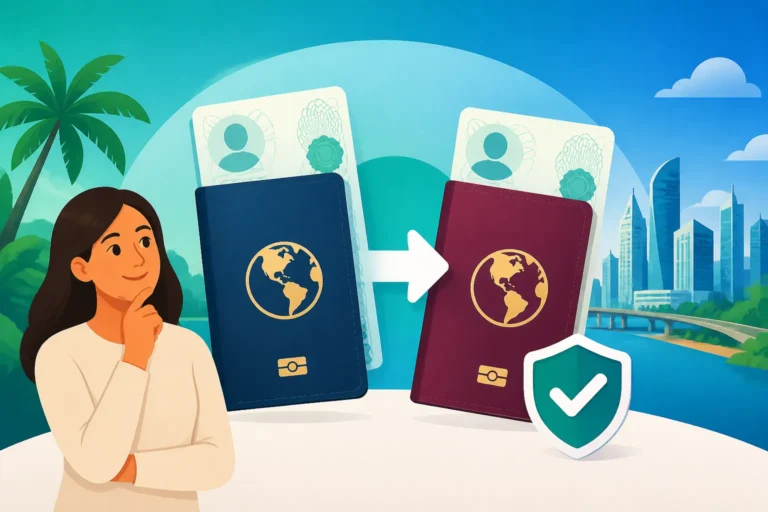
Here's where the "permanent but not truly permanent" concept can confuse people. While your permanent residency status itself doesn't expire, the physical ID card, known as the cédula, certainly does. This is your official identification document in Panama, required for everything from banking to domestic travel, and it must be kept current.
Why Your Cedula Needs Renewal
The cédula has an expiry date, usually 10 years for foreigners. Even though your permanent residency is for life (provided you maintain the conditions), the card itself is a temporary document that needs to be updated to reflect your current information, photo, and security features. Think of it like your driver's license back home; your right to drive might be permanent, but the card needs renewal.
Step-by-Step Renewal of Your Cedula
Renewing your cédula is a relatively straightforward process compared to the initial residency application, but it still requires attention to detail.
- Check Expiry Date: Mark your calendar! Don't let your cédula expire. It's usually printed on the card itself. Start the process a few months before it's due.
- Gather Documents:
- Your expiring cédula (original and copies).
- Your passport (original and copies, especially the biodata page and the page with your original residency stamp).
- Proof of address (a recent utility bill in your name can often suffice, though sometimes a local police clearance might be requested if there's been a long lapse or change of circumstances).
- New passport-sized photos (usually two or three, as per immigration specifications – white background, no glasses, etc.). It’s always best to get these done at a professional photo studio in Panama, as they know the exact requirements.
- If any of your personal information has changed (e.g., marital status), you’ll need updated and apostilled documents to reflect that.
- A certified copy of your original permanent residency resolution (Resuelto). This is a vital document from your initial application.
- Visit the Tribunal Electoral (Electoral Tribunal): The cédula is issued by the Tribunal Electoral, not the National Immigration Service. You'll need to visit one of their offices. The main one is in Ancón, Panama City, but there are regional offices as well.
- Application and Biometrics: At the Tribunal Electoral, you'll fill out a form, submit your documents, and have your fingerprints and a new photo taken. This is generally a quick and efficient process if you have all your papers in order.
- Pay Fees: There's a small fee for the renewal. Make sure to have cash on hand or be prepared for local payment methods.
- Collection: You'll typically be given a slip with a date to return and collect your new cédula, often within a few weeks. Don't lose this slip!
It’s advisable to consult with your immigration lawyer for the cédula renewal as well. They can help ensure you have all the correct, up-to-date documentation and can even accompany you to the Tribunal Electoral to smooth the process. This is particularly important if you've had any extended absences or changes in your personal circumstances. We cover the initial process in more detail in our guide on How to Get Your Cedula (Residency ID) in Panama.
| Requirement for Maintaining Permanent Residency | Description | Frequency/Timing | Potential Consequences of Non-Compliance |
|---|---|---|---|
| Physical Presence / Intent to Reside | Demonstrating Panama is your primary home, not just a place to hold residency. Avoiding prolonged, unexplained absences. | Ongoing; especially critical for absences over 1-2 years | Residency questioned, potentially revoked upon re-entry. |
| Good Standing / Legal Compliance | Adhering to Panamanian laws, avoiding criminal activity, and fulfilling tax obligations (if applicable). | Ongoing | Deportation, loss of residency, fines. |
| Economic Solvency | Maintaining the financial means to support yourself without becoming a burden on the state. | Ongoing; generally not checked unless issues arise | Can impact renewal if new financial hardship is significant. |
| Cedula Renewal | Renewing your physical identification card issued by the Tribunal Electoral. | Every 10 years (typically for foreigners); initiate 2-3 months prior | Inability to perform legal transactions, fines, administrative hurdles. |
| Address Updates | Notifying immigration of any changes to your registered residential address. | As soon as changes occur | Communication issues, potential complications with official notices. |
| Local Ties | Maintaining local bank accounts, utility bills in your name, and a general presence in the community. | Ongoing | Contributes to questioning of "intent to reside" during long absences. |
The Role of Your Immigration Lawyer
Don't underestimate the ongoing relationship with your Panamanian immigration lawyer. They are not just for the initial application. They remain your vital point of contact and advisor for maintaining your residency. From advising on legitimate reasons for extended absences to guiding you through cédula renewals, their expertise is invaluable. They can also keep you updated on any changes to immigration laws that might affect your status. It’s definitely worth reading Understanding Why You Need a Panamanian Lawyer for Residency to appreciate their full role.
Common Pitfalls and How to Avoid Them
Even with the best intentions, expats can sometimes stumble into situations that inadvertently jeopardize their permanent residency. Being aware of these common pitfalls can help you steer clear of trouble.
Assuming International Travel is Without Consequence
While you're free to travel, remember the "intent to reside" principle. Many expats maintain their international lifestyle, but they always ensure their main base, their financial ties, and their legal residency documents are firmly rooted in Panama. If you're someone who splits your time between Panama and another country, make sure you're demonstrably present in Panama for significant periods. This is where robust international health insurance, like that offered by Cigna Global, can also come into play, providing peace of mind no matter where your travels take you, while still allowing you to base yourself in Panama.
Imagine an expat, let’s call her Maria, who got her Friendly Nations Visa five years ago. She loved Panama but her family was still in Europe, so she spent six months there, then three months here, then another six months abroad. While this might be fine for a while, if immigration ever scrutinizes her entry and exit stamps and sees she's consistently spending more time out of Panama than in, she risks her status being questioned. It’s not about a hard and fast rule for every scenario, but about the general pattern of living.
Neglecting Your Cedula Renewal
This might seem minor, but an expired cédula can cause a lot of headaches. You won't be able to open new bank accounts, sign leases, or conduct many other essential transactions. While your residency status isn't immediately revoked, you'll be treated as undocumented until you renew it. This can lead to fines and administrative delays. Always keep track of that expiry date!
Failing to Update Personal Information
Life changes, and so might your name, marital status, or even your primary address within Panama. It's crucial to inform the relevant authorities. If you get married, divorced, or change your name, these changes need to be reflected in your immigration file and on your cédula. Failing to do so can lead to discrepancies that cause problems down the line, especially if you ever need to prove your identity or apply for any other government service.
Disconnecting from Local Life Entirely
While some expats live a very private life, completely isolating yourself from Panamanian institutions and society can also subtly undermine your "intent to reside." Having a local bank account that you use, paying utility bills, perhaps even joining a local club or community group, all contribute to showing you are truly integrated into life here. If all your financial and social ties are abroad, and you only visit Panama briefly, it becomes harder to argue that this is your permanent home.
Maintaining your permanent residency in Panama isn't rocket science, but it does require ongoing awareness and adherence to a few key principles. It's about demonstrating that you genuinely intend to make Panama your home, staying on the right side of the law, and keeping your official identification current. Treat your residency with respect, and Panama will continue to be a wonderful, welcoming home for you. For new arrivals getting their ducks in a row, a guide like The Complete Guide to Moving to Panama: Your First 90 Days (2027) can be really helpful.
Disclaimer
This article is for general informational purposes only and does not constitute professional advice. Laws, prices and regulations vary by location and change over time. Consult a qualified professional for guidance on your specific situation.