How Do I Apply for a Credit Card as an Expat in Panama?
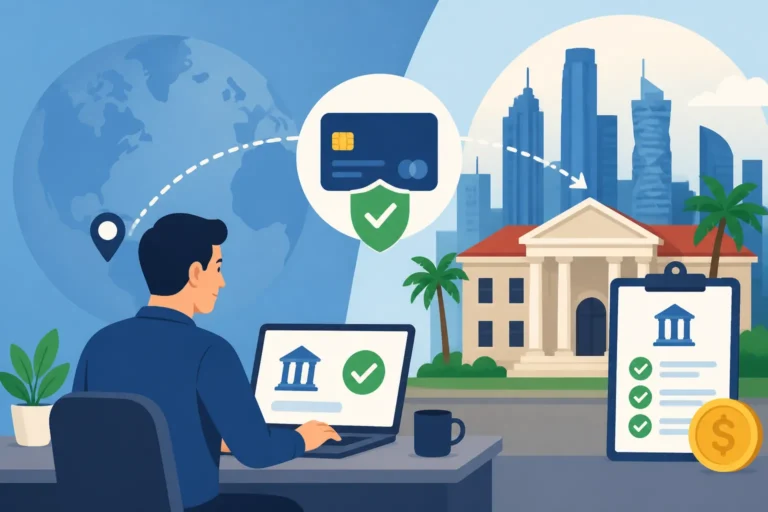
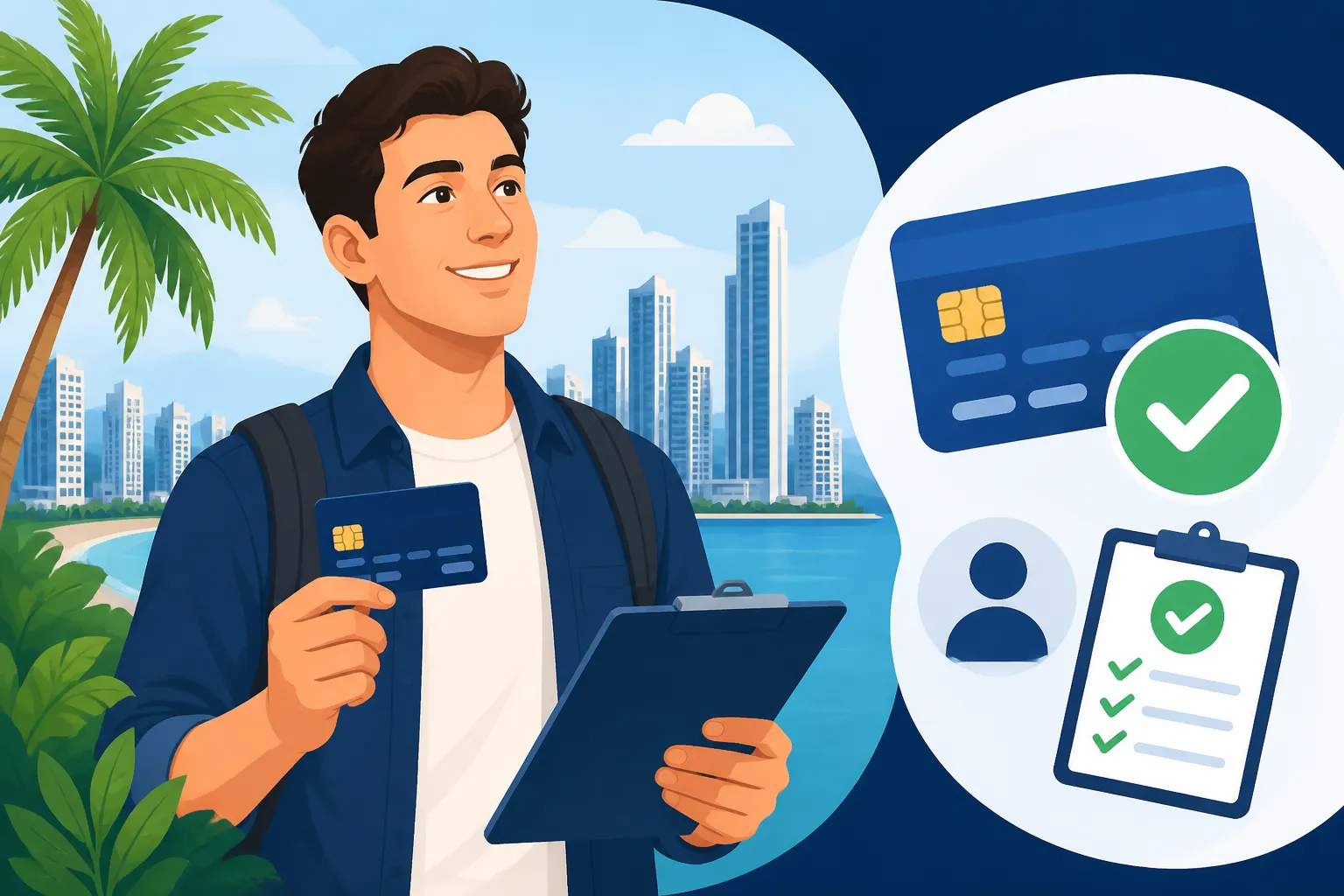
Oh, the Panamanian credit card quest! It’s a rite of passage for many expats, and let me tell you, it can feel like trying to convince a perezoso (sloth) to run a marathon – slow, arduous, and sometimes downright frustrating. You've landed in this beautiful country, perhaps you've even secured your residency, opened a local bank account, and you're thinking, "Great, now for a credit card to make life just a little smoother." Then reality hits, often in the form of a polite but firm "no" from a bank teller. This guide is here to walk you through the labyrinthine process of applying for a credit card as an expat in Panama, offering realistic advice, what to expect, and how to eventually get that coveted piece of plastic in your wallet.
The Initial Hurdles: Why Getting a Credit Card as an Expat Can Feel Like Climbing Volcán Barú
Let’s be honest, Panama operates on a different rhythm when it comes to banking and credit. What seems straightforward in your home country can become an epic saga here. You’re not alone if you’ve felt the pang of frustration. Many of us expats have been there, staring blankly at forms, wondering why a simple credit card feels like such an exclusive club.
The Chicken-and-Egg of Credit History
One of the biggest obstacles you'll face is the glaring absence of a local credit history. Back home, you probably had years of responsible credit use, payments on time, perhaps a mortgage or car loan – all building up that shiny credit score. Here in Panama, none of that typically matters. The local banks have no access to your foreign credit reports, and as far as they're concerned, you're a blank slate. It’s a classic chicken-and-egg situation: you need credit to build credit, but you can’t get credit without it.
This means that even if you're a financial wizard with perfect credit elsewhere, you start from zero in Panama. Banks need to assess your risk, and without a track record of how you handle debt locally, they're naturally cautious. They aren't going to just hand out lines of credit to someone they can't vet through their established systems. It’s a hard pill to swallow, especially when you’ve always been responsible, but it’s the reality of the Panamanian financial landscape for newcomers.
Residency and Stability Requirements
Another significant hurdle is the requirement for established residency and a demonstrable track record of financial stability within Panama. It's not enough to simply have a visa; banks often want to see that you're truly settled. This usually means having your Panamanian cedula (identity card) for a certain period, sometimes a year or more, and showing a consistent, local income stream.
Think about it from the bank's perspective: they want to know you’re not just passing through, or that your income isn't going to vanish overnight. They want reassurance that you're rooted in the community, employed by a Panamanian company, or have a registered business here that generates local income. For those who are retired or working remotely for foreign companies, this can be an even tougher sell, as the concept of "foreign-sourced income" for credit approval can be tricky for banks to assess, even though Panama's territorial tax system means that foreign income is not taxed in Panama.
Essential Documents and Requirements: More Than Just Your Passport
You might assume that with your passport, a bank account, and a winning smile, you're good to go. Oh, my friend, that's often just the tip of the iceberg in Panama. The list of required documents can feel exhaustive, and it's imperative to have everything in order to avoid multiple trips and delays. Don't be surprised if they ask for something you didn't think was necessary – just smile and provide it.
Proof of Identity and Residency
Your most critical piece of identification will be your Panamanian cedula. This isn't just an ID card; it’s proof that you are a legal resident. Banks will want to see it, and typically, they want to see one that’s been active for a while. If you've just received your cedula, it might be too soon. Some banks prefer you to have it for at least six months, if not a year, before they'll even consider a credit product. Always bring your passport too, as it serves as your international ID and verifies the information on your cedula.
Sometimes, they might even ask for a utility bill in your name at your Panamanian address, just to further confirm your local presence. This isn't just about showing who you are, but demonstrating that you are indeed established and have a legitimate physical address within the country. Make sure your address matches across all documents to avoid unnecessary complications.
Income Verification and Financial Stability
This is where many expats hit a wall, especially those with foreign-sourced income or who are self-employed. Banks need to see proof of stable, consistent income, and they often prefer to see it coming from a Panamanian source. If you're employed by a local company, recent pay stubs (usually the last three to six months) and a letter from your employer stating your position, salary, and length of employment are standard requirements.
For those who are self-employed or working for an international company, the requirements can get a bit more complex. You might need to provide bank statements (both local and, sometimes, foreign to show consistent funds coming in), your Panamanian tax returns (if you're registered as self-employed with the DGI), and possibly a letter from an accountant. This is also where services like Taxes for Expats can come in handy, as having professionally prepared and filed tax documentation, even if your foreign income isn't taxed in Panama, can add a layer of credibility. Showcasing your consistent financial flow, perhaps even through transfers from services like Wise, into your local account over a sustained period, can help demonstrate stability.
Bank Account and Banking Relationship
Before you even think about a credit card, you absolutely must have an established bank account with a Panamanian bank. In fact, it’s highly advisable to apply for a credit card with the very bank where you already hold your primary checking and/or savings accounts. Banks here value client relationships immensely. They want to see that you've been a loyal customer, that you have a history of managing funds with them, and that you maintain a healthy balance.
The longer you've had an active account and the more transactions you conduct through it, the better your chances. They’ll look at your average balance, your deposit history, and your consistency. If you’ve been bouncing checks or frequently overdrawing your account (though that's rare with the US dollar system here), your chances will diminish significantly. Treat your Panamanian bank account as your financial resume for future credit products. If you haven't opened one yet, check out The Expat Guide to Opening a Bank Account in Panama for a step-by-step process.
Strategies for Success: Paving Your Way to Plastic
Alright, now that we understand the hurdles and the paperwork, let’s talk strategy. Getting a credit card isn't impossible; it just requires patience, persistence, and a smart approach. Think of it less as a sprint and more as a long-distance run, building up your stamina (and your banking relationship) over time.
Start with Your Primary Bank
This cannot be stressed enough: your best bet for getting a credit card in Panama is through the bank where you already have an existing relationship. Whether it's Banco General, Banistmo, Bac Credomatic, or another institution, they know you (or at least your financial activity). They can see your deposits, your withdrawals, and how you manage your money, even if it's just a basic savings account.
Building a good relationship means consistent activity, maintaining a decent balance, and generally being a "good customer." Don't just open an account and let it sit dormant. Use it for your local transactions, pay your bills, and if you can, have your salary deposited directly. When the time comes to apply, go speak directly with a banking officer you’ve dealt with before, if possible. They might be able to advocate for you or at least guide you through the process with more understanding. This is also why knowing How to Choose the Best Bank for Expats in Panama is so important from the get-go.
Secured Credit Cards: Your Stepping Stone
If direct applications for unsecured credit cards keep getting rejected, don’t despair. The secured credit card is your golden ticket to building local credit history in Panama. How does it work? You deposit a certain amount of money with the bank – say, $500 or $1,000 – and that amount becomes your credit limit. The bank holds this deposit as collateral, significantly reducing their risk.
This is a fantastic option because it allows you to demonstrate responsible credit behavior without the bank taking on much risk. You use the card just like a regular credit card, making purchases and paying your balance in full and on time each month. After a year or two of this exemplary behavior, the bank will often convert your secured card into an unsecured one, returning your deposit, or offer you an entirely new, higher-limit unsecured card. It's a proven method for expats to get a foot in the door and start building that all-important local credit score.
Leveraging Local Employer Relationships
If you're fortunate enough to be employed by a reputable Panamanian company, this can be a huge advantage. Many local businesses have established relationships with banks for payroll services and corporate accounts. A letter from your employer, on company letterhead, explicitly stating your salary, the duration of your employment, and that the company is willing to vouch for your financial standing, can go a long way.
Sometimes, the bank might even offer special arrangements through your employer. Some larger companies have specific banking partners that offer easier credit access to their employees. Always ask your HR department or employer if there's any such program available. This kind of institutional backing provides the bank with an extra layer of confidence in your ability to repay your debts.
The Power of a Strong Banking Relationship
Beyond just having an account, cultivating a truly strong banking relationship means being a comprehensive client. Consider consolidating your finances with one institution. If you need a small personal loan, get it from your primary bank and pay it off diligently. Use their online banking services to pay your utility bills. Even consider opening a small investment account if they offer one.
The more financial products you have with a bank, and the more consistently you manage them responsibly, the better they will perceive you. This builds trust, and trust is the cornerstone of credit issuance in Panama. It shows them you're committed to doing business with them and are a reliable client for the long term.
Navigating the Application Process and Beyond
Once you've gathered your documents and implemented your strategy, it's time to actually apply. This part can still be a test of patience, but armed with knowledge, you'll be much better prepared.
The Application Itself: What to Expect
The application process typically involves filling out a lengthy form, often entirely in Spanish, though some banks will have English versions available. You'll need to provide all the documentation we've discussed: cedula, passport, income proof, utility bills, and possibly even bank statements from other Panamanian banks if you have them. Be meticulously accurate with all information. Any discrepancies can lead to delays or outright rejection.
After submitting your application, prepare for a waiting period. It's rarely an instant approval. The bank will review your documents, verify your employment and income, and do their internal checks. This can take anywhere from a few days to a few weeks. If you haven't heard back, a polite follow-up call or visit can sometimes expedite things, but avoid being overly pushy. Remember, patience is a virtue in Panama.
Here’s a snapshot of what you might encounter:
| Requirement | Typical Expat Challenge | How to Overcome/Address It |
|---|---|---|
| Credit History | No local history | Start with a secured credit card or small loans. |
| Residency | Newly acquired cedula | Wait 6-12 months post-cedula issuance; show stable address. |
| Income Proof | Foreign-sourced income or self-employment | Provide extensive local bank statements; consider registering a local business; consult with a tax expert like Taxes for Expats. |
| Bank Relationship | New account, minimal activity | Consolidate finances with one bank; use account actively for deposits/bills. |
| Documentation | Missing or inconsistent papers | Double-check all requirements; ensure names/addresses match. |
| Language Barrier | Application entirely in Spanish | Bring a trusted Spanish-speaking friend or lawyer to assist. |
Understanding Credit Card Types and Benefits in Panama
Once you're approved, congratulations! You’ll likely be offered a basic Visa or MasterCard, which are widely accepted across Panama. These cards usually come with standard benefits, but don't expect the same bells and whistles as premium cards from other countries immediately. Most Panamanian credit cards come with an annual fee, so be sure to ask about that upfront. Interest rates can also be higher than what you might be used to, so paying your balance in full each month is always the smartest financial move.
Some banks, especially larger ones like Banco General or Banistmo, offer local loyalty programs, reward points, or cashback on purchases. Ask about these when you receive your card. While perhaps not as flashy as international programs, they can still offer worthwhile perks over time. Understanding your card's terms and conditions, including any fees for cash advances or foreign transactions, is crucial for smart management.
Building and Maintaining Good Credit
Getting the credit card is just the beginning. The real goal is to build a strong credit history. This means consistently paying your bills on time, every time. Set up automatic payments if possible, or mark your calendar with payment reminders. Avoid maxing out your card; aim to keep your credit utilization low (ideally under 30% of your credit limit).
Demonstrating responsible credit behavior will open doors to higher credit limits, better interest rates, and other financial products down the line, such as personal loans or even a mortgage, should you decide to buy property in Panama. It’s an investment in your future financial stability here, so treat that credit card with the respect it deserves, and it will serve you well. For managing funds efficiently across borders and ensuring timely payments, services like Wise are often favored by expats for their transparency and competitive exchange rates, which can help in getting money into your Panamanian account for credit card payments.
Disclaimer
Please remember that I am an expat blogger and not a financial advisor. The information provided in this guide is based on general knowledge, personal experience, and current understanding of Panamanian banking practices for expats. Banking rules and requirements can change, so it's always advisable to consult directly with the specific bank you wish to apply with and, for complex financial situations, seek advice from a qualified Panamanian financial professional or legal expert.