How Do I Open a Savings Account for My Child in Panama?
Moving to Panama with your family is an adventure, but let's be real, the administrative hurdles can sometimes feel like trying to climb Volcán Barú in flip-flops. One thing many expat parents eventually ponder is setting up a financial foundation for their little ones – specifically, how to open a savings account for their child here. This guide will walk you through the practicalities, the paperwork, and the Panamanian nuances to help you give your child a head start, financially speaking.
Why Even Bother? Benefits of a Child's Savings Account in Panama
You might be thinking, "Another bank account? Haven't I already opened enough for myself in this country?" And I hear you, trust me. But opening a savings account for your child in Panama isn't just about stashing away a few dollars. It's about planting a seed for their financial future, right here in the tropics, and it comes with some pretty significant benefits, especially for expat families.
Instilling Early Financial Literacy
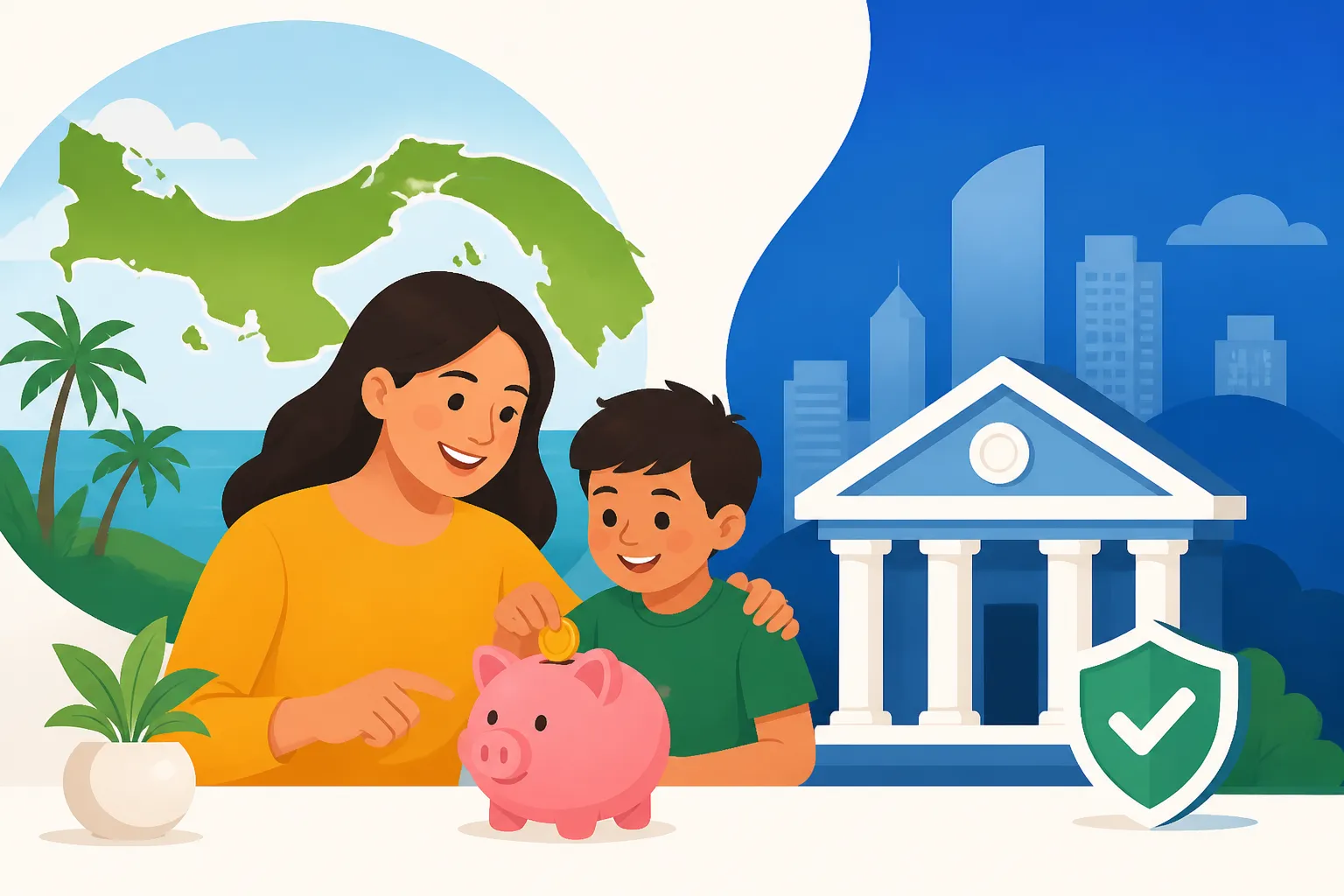
One of the most valuable lessons you can impart to your kids is how to manage money, and what better way to do that than with their very own bank account? From a young age, even if they're just seeing small deposits of birthday money or allowances, it demystifies banking. It transforms money from an abstract concept into something tangible they can track and watch grow (albeit slowly in today's interest rate environment!). Parents can use this as a useful tool to teach about saving for a specific goal – maybe a new toy, a trip to the Biomuseo, or even contributing to their future education. It's a hands-on lesson that a piggy bank just can't quite replicate because it involves a real financial institution, showing them how the adult world works.
Imagine your child proudly depositing their allowance at the teller, receiving a receipt, and then later checking their balance online. These small acts build a foundation of financial responsibility that will serve them well, whether they eventually stay in Panama or move elsewhere. It's a unique opportunity to educate them about the value of saving, the magic of compound interest (even if it's minimal now), and the discipline of delayed gratification.
Building a Local Financial History
For expat kids, especially those who might eventually choose to stay in Panama or pursue higher education here, having a local financial footprint can be surprisingly beneficial down the line. While a child's savings account won't immediately qualify them for a massive loan, it does start to establish a relationship with a Panamanian bank. This foundational history, even if dormant for years, can make it easier for them to open accounts, secure credit, or even get a small loan for studies when they become adults.
Think about how challenging it can be for new expats to even open a personal bank account here – something I've personally experienced and written about in The Expat Guide to Opening a Bank Account in Panama. The banks like to see a track record. Starting early for your child bypasses some of that initial friction they might face as young adults. It shows they've been part of the local financial system from a young age, potentially simplifying future financial transactions and proving their connection to the country's economic fabric.
Convenience and Security for Future Funds
Let's face it, keeping cash in a shoebox under the bed isn't the safest or most practical option for your child's future funds. A dedicated savings account offers security and accessibility. Whether it's money from grandparents abroad, gifts, or a portion of their allowance, it's safer in a bank than floating around the house. It also simplifies managing these funds.
Furthermore, if your child receives money from overseas, having a local Panamanian bank account simplifies the transfer process. Instead of having funds routed through your own accounts, which can sometimes complicate things for tax purposes depending on your origin country, the money can go directly into their named account. This is where services like Wise really shine, making international transfers straightforward and cost-effective, ensuring more of that gift money makes it into your child's account. This not only offers peace of mind regarding security but also streamlines financial logistics for gifts or contributions that might come from outside Panama, integrating them smoothly into the local financial ecosystem.
Navigating the Requirements: What You'll Need to Open a Child's Account
Alright, let's talk brass tacks: the paperwork. This is Panama, so expect a bit of a process, and don't be surprised if different banks have slightly varied requirements or interpretations. The key is to be prepared, patient, and to bring all the documents you can possibly think of. It's always better to have too much than too little.
Essential Documents for the Parent or Guardian
Since your child is a minor, you, as the parent or legal guardian, will be the primary account holder responsible for its management. This means the bank will scrutinize your documentation just as much, if not more, than the child's.
- Valid Identification: This typically means your current passport. If you have a Panamanian Cedula (your residency ID), bring that too! It's always preferred. Remember, Panama uses the US dollar, so having a clear identity is crucial for all financial transactions.
- Proof of Residency: Banks will want to see proof that you are legally residing in Panama. This could be your residency card, a utility bill in your name (electricity, water, or internet), or a rental contract. Make sure these documents are up-to-date and clearly show your Panamanian address. If you're still working on your residency, it might be a bit trickier, but some banks are more lenient if you have a valid long-term visa. For those still figuring out their long-term stay, understanding How Your Residence Status Affects Health Coverage in Panama can also give you insight into how important your residency status is for various services.
- Proof of Income/Financial Solvency: Banks need to know where your money comes from. This is standard procedure for adult accounts too. You'll likely need recent pay stubs (three to six months), an employment letter, or if you're self-employed, tax declarations and bank statements showing consistent income. If you're moving money from abroad to initially fund the account, be prepared to show source of funds from your overseas bank. For those running their own show, figuring out How to Register as a Self-Employed Taxpayer in Panama is key, as the required documentation for opening accounts will tie back to this.
- Reference Letters: Often, banks will ask for a bank reference letter from your current bank in Panama, or even from your bank back home. Some might also ask for two personal reference letters from non-family members in Panama who have bank accounts here. This is a common Panamanian banking practice.
- Initial Deposit: You'll need cash for the initial deposit. Minimums vary, but usually, it's around $25 to $100 for a child's savings account.
Required Documents for the Child
Now for the star of the show – your child! Their documents are equally vital, confirming their identity and their relationship to you.
- Child's Birth Certificate: This is absolutely non-negotiable. It proves their identity and, crucially, your parental relationship. Ensure it's an original or a certified copy. If the birth certificate is from outside Panama, you might need to have it apostilled and officially translated. This process can be time-consuming, so get on it early! The requirement for apostilled documents is a recurring theme for expats, whether it's for residency applications or other official business, as detailed in guides like How to Get Your Documents Apostilled for Panama Immigration.
- Child's Passport (if applicable): If your child has their own passport, bring it. It's a strong form of identification.
- Child's Panamanian Cedula (if applicable): If your child is a resident and has their own Cedula, this is ideal. It streamlines the process significantly. Many expat children born here or who gained residency will have one.
- Proof of Address: Sometimes the bank might ask for a utility bill or a school enrollment letter to confirm the child's residence, especially if their birth certificate or passport doesn't have a direct address linked to Panama.
Dealing with Unique Expat Situations
Expats often have circumstances that aren't quite "standard." Divorced parents, children living with guardians, or children with different surnames can add layers of complexity.
- Divorced Parents: If parents are divorced, both parents might need to be present, or the applying parent will need to show legal documents proving sole custody or explicit permission from the other parent to open the account. Always check with the specific bank beforehand to avoid wasted trips.
- Guardianship: If you are not the biological parent but a legal guardian, you will need court documents proving your guardianship. Again, these often need to be apostilled and translated if from outside Panama.
- Different Surnames: In Panama, children typically take both parents' surnames. If your child's surname differs from yours on official documents, be prepared to provide additional proof of relationship, such as your marriage certificate or birth certificates linking you directly. This can happen if one parent has a hyphenated surname or if naming conventions in your home country are different.
It's a lot, I know. But gathering these documents upfront will save you endless headaches and multiple trips to the bank. A quick call to the bank's expat services department (if they have one) or visiting a branch in person for an initial inquiry can clarify their precise requirements.
The Step-by-Step Process: Opening Your Child's Savings Account
Once you've diligently gathered all your documents, it's time for the actual bank visit. This part can feel a bit like a choose-your-own-adventure novel, depending on the bank and even the individual teller you encounter. But generally, the path is similar across the board.
Choosing the Right Panamanian Bank
Not all banks are created equal when it comes to expat services or opening accounts for minors. Some are more accustomed to dealing with foreigners and their specific documentation.
- Banco General: This is often considered one of the most expat-friendly banks in Panama. They have a robust online banking system and many branches. Their customer service tends to be more attuned to international clients.
- Banistmo: Another major player, Banistmo, is also generally good with expats, though perhaps a tiny bit less so than Banco General in my personal experience. They offer a good range of services.
- Caja de Ahorros: This is Panama's state-owned savings bank, and they sometimes have very specific, child-focused savings programs. They might be a good option if you're looking for something tailored to minors, though their expat services might be less streamlined than the larger private banks.
When choosing, consider their proximity to your home, their online banking capabilities (you'll appreciate this later for monitoring and transfers), and their reputation for customer service. Many expats report wasting hours at banks, so a bit of upfront research on Which Bank Is Best for Expats in Panama? can save you a lot of grief.
The Application Process: What to Expect at the Bank
Once you've picked your bank, here's a general walkthrough of what to expect:
- Initial Visit/Appointment: It's often best to call ahead or visit the branch to inquire about the specific process and required documents for opening a child's account. This way, you can clarify any unique aspects of your situation (e.g., if you're a single parent, or if the child has dual nationality). Some banks may require you to schedule an appointment with an account opening specialist.
- Document Submission: You'll sit down with a bank representative, and they'll review all the documents you've brought. This is where patience is key. They might ask for additional copies or clarifications. Be polite and prepared to explain.
- Filling Out Forms: You'll fill out various forms, including the account application, KYC (Know Your Customer) forms, and possibly forms related to source of funds. Make sure all information is accurate and consistent with your submitted documents.
- Interview/Questions: The bank representative might ask you questions about your child, your relationship, your source of funds, and your intentions for the account. This is standard due diligence.
- Initial Deposit: Once the forms are completed and approved, you'll make your initial cash deposit.
- Account Activation & Card (if applicable): The account might be activated immediately, or it could take a few business days. For child accounts, banks typically don't issue debit cards to minors, but you might be able to get one linked to the account with specific controls, or for the parent to manage.
It's a good idea to bring a Panamanian friend or a trusted translator if your Spanish isn't fluent, especially for the first visit. Even if some bank staff speak English, important nuances in financial jargon can be easily missed.
What About the RUC (Tax ID)?
This is a frequently asked question, and it's a good one. For a basic child's savings account that isn't earning significant interest or being used for complex transactions, an RUC (Registro Único de Contribuyente – Panama's tax ID) for the child isn't typically required at the outset. The account will be managed under your RUC and identification. However, as the child grows and if the account accumulates substantial funds or if they start earning income, they may eventually need their own RUC. This is something to consider down the line, and if you're planning for significant long-term savings, it’s worth asking the bank what their policy is if the child were to reach a certain age or balance. For more on getting one yourself, check out How to Get an RUC (Tax ID) as a Foreigner in Panama. This touches upon how individual tax identities are established, which may become relevant for your child's financial independence in the future.
Table: Common Documents for Opening a Child's Savings Account in Panama
| Document Type | For Parent/Guardian (Primary) | For Child (Minor) | Notes |
|---|---|---|---|
| Identification | Valid Passport, Panamanian Cedula | Birth Certificate (Original/Certified) | Foreign birth certificates require apostille & official translation. Child's passport/Cedula if available. |
| Proof of Residency | Utility Bill (water, electricity, internet), Rental Contract | Parent's utility bill (linking child to address), school letter | Must show Panamanian address. |
| Proof of Income | Recent Pay Stubs (3-6 months), Employment Letter, Tax Returns | Not applicable (income from parent/guardian) | Required for primary account holder's financial solvency. |
| Bank Reference | Letter from current Panamanian bank (or international bank) | Not applicable | Some banks request this, often for the primary account holder. |
| Personal References | Two letters from non-family members with accounts in Panama (sometimes) | Not applicable | Less common for child accounts, but good to be aware of for general banking. |
| Legal Documentation | Marriage Certificate (if surnames differ), Custody Papers (if applicable) | Not applicable | Essential for showing legal relationship/authority, especially for non-standard family structures. |
| Initial Deposit | Cash ($25-$100 typically) | Not applicable | Required to activate the account. |
Managing and Growing Your Child's Savings in Panama
Once the account is open, the real work (and fun!) begins: managing it and helping those funds grow. This isn't just about putting money in; it's about making smart choices for its future, especially in an international context.
Deposit and Withdrawal Policies
For child savings accounts, particularly for younger children, withdrawals are usually restricted and require the presence and signature of the parent or legal guardian. This is a good thing, as it prevents any impulsive spending by excited youngsters and adds a layer of security.
- Deposits: You can typically make deposits in person at the bank, through ATM deposits (if the account allows and you have an associated card), or via online transfers from your linked accounts. If you have family sending money from abroad, services like Wise are fantastic for ensuring those funds arrive efficiently and at a good exchange rate, directly into the child's Panamanian account.
- Withdrawals: Expect to go to the bank in person with your child's birth certificate (or Cedula) and your own ID. Both you and the bank will want to verify that the withdrawal is legitimate and approved by the guardian. As your child gets older, some banks might offer restricted debit cards for teenagers, but this is less common for general savings accounts for minors.
Always clarify the specific deposit and withdrawal policies with your chosen bank when opening the account. It helps to understand the limitations from the get-go.
Understanding Interest and Fees
Panamanian banks are, like most banks globally these days, not known for their sky-high interest rates on savings accounts. Expect modest returns. However, even a small amount of interest is better than none, and it helps illustrate the concept of money earning money to your child.
- Interest Rates: Savings account interest rates in Panama are generally low. Don't expect to get rich quickly. The real value here is the habit of saving and the financial education.
- Maintenance Fees: Be aware of any potential monthly maintenance fees. Some child savings accounts might waive these, but it's crucial to ask. Minimum balance requirements are also common; if the balance drops below a certain threshold, a fee might be applied. Read the fine print!
- Transaction Fees: While standard deposits usually don't incur fees, international transfers might. This is where using a service like Wise for incoming funds can save you and your overseas benefactors a decent chunk of change compared to traditional wire transfers.
Long-Term Financial Planning and Taxes for Expats
Thinking long-term for your child's financial future means considering how these savings will grow and what the tax implications might be, both in Panama and potentially in your home country.
Panama operates on a territorial tax system, meaning generally, only income generated within Panama is subject to Panamanian income tax. This is a huge benefit for many expats. For a child's savings account, any interest earned in Panama would theoretically be Panamanian-sourced income. However, for small savings accounts, the interest earned is usually minimal and falls well below any taxable thresholds. For larger sums or investments, it's a different story.
It's vital to remember that while Panama has territorial taxation, your home country might not. If you are a citizen or tax resident of a country that taxes its citizens worldwide (like the USA), you will likely need to report your child's Panamanian account to your home country's tax authorities, even if no Panamanian tax is due. This is where services like Taxes for Expats become invaluable. They specialize in navigating the complex tax landscapes for expatriates and can advise on how to properly declare foreign accounts and income, ensuring you remain compliant with both Panamanian and your home country's tax laws. Understanding The Complete Guide to Taxes in Panama for Expats (2027) will give you a broader context for your own obligations, which can spill over to your child's finances.
Consider the purpose of these savings:
- Education: If the funds are for future education, research options for higher-yield investments once the child is older and the funds are substantial.
- First Home: Starting early means more time for compound interest (even low rates) to work its magic.
- Future Business: Instilling an entrepreneurial spirit can start with a savings account to fund their future ventures.
For parents who are residents in Panama, especially under visas like the Pensionado Visa or Friendly Nations Visa, having a child's account becomes a natural extension of integrating into the Panamanian financial system. It ties your family further into the country's economic life and paves the way for their independent financial future here. If you're interested in securing your own long-term stay, check out The Expat Guide to the Pensionado (Retiree) Visa in Panama for more information.
Opening a savings account for your child in Panama, while requiring a bit of legwork, is a worthwhile investment in their financial literacy and future. It's a stepping stone that integrates them into the local financial world, offering security, convenience, and valuable lessons that will last a lifetime. Just like learning to navigate the Panamanian transit system or dealing with the bureaucracy, it's another part of the expat journey that ultimately makes living here so rich and rewarding.
Disclaimer
Please note that this guide provides general information based on current regulations and common expat experiences in Panama. Banking laws and requirements can change, and individual circumstances vary. It is always recommended to consult directly with your chosen bank and, for complex financial or tax planning, seek advice from a qualified Panamanian legal and tax professional.