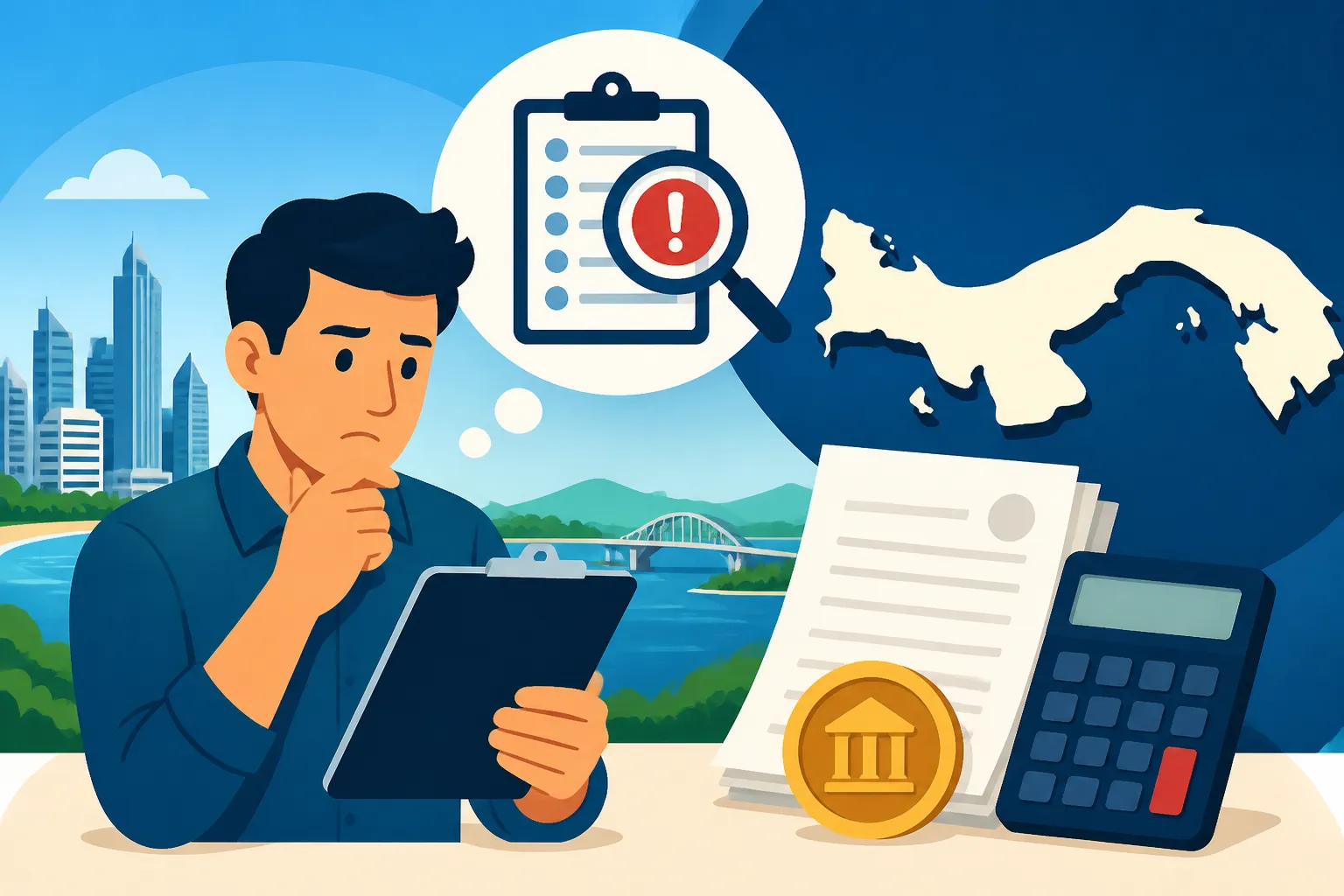
How Do I Check If I Owe Back Taxes in Panama?
One of the most unsettling feelings as an expat in Panama is that nagging doubt: "Am I doing everything right with my taxes?" Navigating a new country's bureaucracy is never easy, and tax regulations can feel like a labyrinth, especially when you're unsure if you've missed a step. This guide aims to ease that worry by walking you through the practical steps to determine if you owe any back taxes to the Panamanian Dirección General de Ingresos (DGI) and what to do if you find yourself in that situation.
Understanding the Panamanian Tax System and Your Obligations
Living abroad often comes with the added complexity of managing your financial affairs across borders. In Panama, understanding your tax obligations is paramount, not just to avoid penalties but to ensure a smooth, worry-free life. Many expats often grapple with the nuances of a territorial tax system, and it's easy to misunderstand when and what you owe.
Why Expats Might Worry About Back Taxes
Let's be honest, the fear of "back taxes" isn't unique to Panama, but it's amplified for expats. You might have moved here, started working, or even launched a business, all while trying to decipher a new set of rules in Spanish, a language you might not yet be fluent in. Perhaps you were told one thing by a friend and another by an online forum, leaving you confused. Many expats assume that because Panama has a territorial tax system, they owe nothing if their income is foreign-sourced. While this is largely true, the devil is in the details, and there are many nuances that can trip up even the most careful individual. For instance, if you operate a business physically within Panama, even if your clients are international, that income could be considered Panama-sourced. This is a common pitfall that often leads to unexpected tax liabilities down the road. This initial uncertainty, coupled with the thought of fines and interest, can be a heavy burden.
Key Tax Principles in Panama: Territoriality and RUC
Panama operates on a territorial tax system, meaning it primarily taxes income generated within Panama. Income earned outside of Panama, often referred to as foreign-sourced income, is generally not subject to Panamanian income tax. This is a huge draw for many expats and digital nomads. However, it's not a blanket exemption. If you're physically present and working here, even for a foreign company, or if your business activities are conducted within Panamanian territory, your income could fall under the local tax net. For a deeper dive, I highly recommend reading How Panama's Tax System Works: Territorial Taxation Explained (2027).
The other crucial concept is the Registro Único de Contribuyente (RUC), which is your unique tax identification number. Think of it as your tax ID, similar to a Social Security Number or Taxpayer Identification Number in other countries. If you are earning income in Panama, are self-employed, own a business, or own certain types of property, you will need an RUC. Even if you're a salaried employee, your employer will register you with the DGI, and you'll have an RUC implicitly linked to your employment. Not having an RUC when you should, or not properly using it for your tax filings, is one of the most common reasons expats find themselves in a bind. Getting your RUC is one of the first bureaucratic hurdles you'll face, and you can learn more about it in our guide on How to Get an RUC (Tax ID) as a Foreigner in Panama.
Step-by-Step Guide to Checking for Back Taxes
Alright, so you've got that knot in your stomach, wondering if you owe anything. The good news is that Panama's tax authority, the DGI (Dirección General de Ingresos), has improved its systems, making it somewhat easier to check your status. Still, it requires a methodical approach, and sometimes, a little help.
The DGI's Online Portal (E-Tax)
The DGI's online platform, known as E-Tax, is designed to be your primary tool for managing your tax affairs in Panama. If you have an RUC and are registered for online services, this is where you can check your tax history, file returns, and, crucially, see if you have any pending obligations.
First things first, you need to be registered on the E-Tax portal. If you haven't done this, it's a critical step. The process usually involves creating an account, linking it to your RUC, and setting up your user credentials. Once logged in, you'll typically navigate to sections like "Consultas" (Inquiries) or "Estado de Cuenta" (Account Statement). Here, you should be able to view a summary of your tax declarations, payments made, and any outstanding balances. The system can be a bit clunky, and the Spanish interface can be a hurdle, but it's the official source.
Steps to navigate the E-Tax portal:
- Access the DGI Website: Go to the official DGI Panama website.
- Locate E-Tax: Look for the "e-Tax 2.0" or "DGI en Línea" section.
- Log In: Enter your RUC and password. If you don't have an account, you'll need to register. This often requires an initial visit to a DGI office to get your login credentials if you don't have them from an accountant.
- Navigate to Account Statement: Once logged in, search for "Estado de Cuenta" or "Consultar Declaraciones/Pagos" (Consult Declarations/Payments).
- Review Your History: The portal should display a breakdown of your filed returns, payments, and any balances due or refunds pending. Pay close attention to any "saldo pendiente" (outstanding balance) notices.
It's vital to remember that the E-Tax portal only reflects what has been officially filed or processed by the DGI. If you haven't filed a required return, it won't show a balance due until the DGI performs an audit or sends a notification. For detailed guidance on how to use this system, refer to Understanding the DGI Online Portal and E-Tax in Panama.
Visiting a DGI Office in Person
Sometimes, technology just isn't enough, or perhaps you're not comfortable navigating the online portal in Spanish. In these cases, a visit to a DGI office can be incredibly helpful. Bring your Cedula (Panamanian ID card, if you have one) or your passport, and your RUC number. Be prepared for a wait, and bringing a Spanish-speaking friend or interpreter is always a good idea if your Spanish isn't up to par with official jargon.
At the DGI office, you can request an "estado de cuenta" (account statement) for your RUC. This document will show all your registered tax obligations, filed declarations, and any outstanding balances. It's a tangible record, which many expats find reassuring. You can also ask specific questions about your situation.
Tips for an in-person visit:
- Go Early: DGI offices, like many government agencies, tend to get busy. Arriving shortly after opening can save you a significant amount of time.
- Be Prepared: Have all your identification ready. Make sure you know your RUC number.
- Bring an Interpreter: If your Spanish isn't fluent, bringing someone who can translate complex tax terminology will prevent misunderstandings.
- Be Patient and Polite: Bureaucracy moves at its own pace. A friendly attitude can go a long way.
One important note: the DGI has offices in major cities like Panama City, David, and Santiago. If you're in Panama City, the main DGI office is a central point for many transactions.
Seeking Professional Assistance
For many expats, especially those with complex financial situations, self-navigating the DGI system is simply too daunting. This is where professional help becomes invaluable. A qualified Panamanian accountant or tax lawyer specializing in expat taxes can not only check your tax status but also advise you on your obligations and help rectify any issues.
A good local accountant will have direct access to the DGI systems or established procedures for checking client accounts. They can review your RUC, assess your income sources, and determine if any past declarations were missed or if there are outstanding balances. They can also explain the nuances of the territorial tax system as it applies to your specific income streams, whether you're employed, self-employed, or have multiple income sources. Firms like Taxes for Expats often have specialists who understand the interplay between Panamanian and your home country's tax laws, offering a holistic approach to your financial well-being. This kind of expert guidance can save you a lot of headaches and potential financial penalties in the long run.
Using a professional is often the safest and most efficient way to get a clear picture of your tax standing, especially if you're concerned about potential past mistakes. They can represent you, file any necessary corrections, and help you set up a system to ensure future compliance.
What to Do If You Discover Outstanding Taxes
Finding out you owe back taxes can be a stressful moment, but it's not the end of the world. The key is to address it promptly and systematically. Ignoring the problem will only lead to further penalties and complications. Panama's DGI does take tax obligations seriously, but there are avenues to resolve outstanding issues.
Understanding Penalties and Interest
The DGI is not shy about applying penalties and interest for late or undeclared taxes. The specific amounts can vary depending on the type of tax (income tax, ITBMS, property tax, etc.), the amount owed, and the duration of the delinquency. Generally, you can expect an initial penalty for late filing, and then interest will accrue on the unpaid principal amount from the original due date until the date of payment. These interest rates can add up quickly, making a small outstanding balance significantly larger over time.
For instance, if you missed filing your annual income tax return by the March 15th deadline, a fixed penalty for late filing would apply immediately. Beyond that, a monthly interest rate (which can be a percentage of the principal) would be added. If the DGI discovers undeclared income through an audit, the penalties can be even more severe, sometimes including a percentage of the undeclared amount, alongside the standard late filing and interest charges. It's truly a scenario where proactive action saves you money. Understanding The Complete Guide to Taxes in Panama for Expats (2027) can help you grasp the full scope of potential financial implications.
Payment Options and Negotiation
Once you know what you owe, the next step is to pay it. The DGI accepts payments through various methods, including online via the E-Tax portal (often linked to local banks), at designated banks, or directly at DGI offices. If you're paying online, ensure your Panamanian bank account is set up for such transactions.
However, if the amount is substantial, or if you're facing difficulties, you might be able to negotiate a payment plan with the DGI. This is usually done through a formal request, often best presented by an accountant or tax lawyer. They can help you prepare a proposal outlining your situation and offering a structured payment schedule. The DGI may agree to these plans, especially if it means recovering taxes that might otherwise be uncollectible. Be aware that interest will likely continue to accrue during a payment plan period, but it's a way to avoid more severe enforcement actions.
Staying Compliant Moving Forward
Discovering back taxes is often a wake-up call to get your financial house in order. Moving forward, the goal is consistent compliance. This involves:
- Understanding Your Obligations: Clearly define your income sources and whether they are Panama-sourced or foreign-sourced. If you are employed in Panama, your employer handles many aspects, but you might still have other income streams. If you're self-employed, the responsibility is entirely yours. Our article How to File Your Annual Tax Return in Panama provides an excellent walkthrough.
- Timely Filing: Mark your calendar with key tax deadlines. The general deadline for annual income tax declarations for individuals is March 15th for the previous calendar year.
- Accurate Record Keeping: Keep meticulous records of all income and expenses, regardless of whether you believe they are taxable in Panama. This will be invaluable if you ever face an audit or need to clarify your tax position.
- Professional Guidance: Seriously consider retaining a reputable Panamanian accountant who specializes in expat taxation. They can ensure you're filing correctly and leveraging any available deductions or exemptions. This is particularly crucial if you have complex income structures or run a business.
Taking these steps will help you avoid future surprises and maintain peace of mind about your tax status in Panama.
Preventative Measures and Best Practices
As an expat, prevention is always better than cure when it comes to taxes. Avoiding the headache of back taxes means setting up robust systems and staying informed from day one. It's about building habits that serve your long-term financial health in Panama.
Maintaining Excellent Records
One of the most foundational best practices for any expat, anywhere, is impeccable record-keeping. In Panama, this isn't just good advice; it's a necessity. The DGI, while generally hands-off with foreign-sourced income, can request documentation if they have reason to believe you have Panama-sourced income that hasn't been declared. If you are ever audited, or simply need to clarify your tax position, having all your ducks in a row will make the process infinitely smoother.
What kind of records should you keep?
- Income Statements: This includes pay stubs, invoices for freelance work, bank statements showing incoming funds, and any documentation related to investment income. Even if it's foreign-sourced, having proof of its origin is crucial.
- Expense Receipts: If you're self-employed or run a business, you'll want to keep receipts for all deductible expenses. These can include office supplies, travel for business, utility bills for a home office, and professional fees.
- Bank Statements: Keep records of all your bank accounts, both Panamanian and foreign. This provides a comprehensive overview of your financial flows.
- Contracts and Agreements: Any employment contracts, client agreements, or rental agreements (if you're a landlord) are essential for demonstrating the nature and source of your income.
- Residency Documents: Maintain copies of all your immigration and residency documents. Your residency status can sometimes impact certain tax obligations, such as property tax exemptions. For a broader perspective on how your residency affects your tax situation, consider reading Tax Residency in Panama: A Definitive Guide for Expats (2027).
It's wise to maintain both physical and digital copies of important documents. Cloud storage services are excellent for keeping digital backups, ensuring your records are safe even if something happens to your physical copies.
Regular Consultations with a Tax Professional
While the online portal provides some level of transparency, the truth is, the Panamanian tax code, like any other, has its complexities. What appears straightforward on the surface can have nuances that only an experienced professional would understand. This is why regular consultations with a qualified Panamanian tax accountant or lawyer are not just a good idea, but often a critical investment for expats.
Think of it as an annual check-up for your financial health. These professionals can:
- Review Your Situation: Annually, they can review your income streams, residency status, and any changes in Panamanian tax law to ensure you remain compliant. This is particularly important for self-employed individuals or those with varied income sources.
- Clarify Ambiguities: They can help you correctly classify your income as Panama-sourced or foreign-sourced, preventing misinterpretations that could lead to future tax liabilities.
- Optimise Your Taxes: While the focus here is on avoiding back taxes, a good accountant can also help you identify legitimate deductions and strategies to legally minimize your tax burden in Panama. For example, some expenses related to business activities might be deductible from Panama-sourced income.
- Stay Updated: Tax laws can change, and trying to keep up with every amendment in a foreign language is a huge ask. Your professional can keep you abreast of any new regulations that might affect your tax status.
- Provide Peace of Mind: Knowing that an expert has reviewed your situation and signed off on your compliance offers invaluable peace of mind.
Even if you only believe your income is foreign-sourced, a yearly check-in with an expert can confirm this and document that you are fulfilling any filing requirements, even if it's just a nil return. For comprehensive information on how income tax works in Panama, check out Understanding Income Tax in Panama (2027). The initial cost of a consultation or annual retainer is almost always less than the penalties, interest, and stress associated with undeclared or underpaid taxes.
Disclaimer
The information provided in this guide is for general informational purposes only and does not constitute professional tax or legal advice. Tax laws and regulations in Panama can be complex and are subject to change. It is essential to consult with a qualified Panamanian tax advisor or legal professional for advice tailored to your specific situation before making any tax-related decisions.