The Complete Guide to Moving to Panama: Your First 90 Days (2027)
Moving to a new country is often painted as a grand adventure, and while Panama certainly offers that in spades, the first 90 days can also feel like an administrative obstacle course, a bureaucratic labyrinth designed to test your patience and resolve. From understanding visa categories to finding a reliable mechanic, the sheer volume of new information and tasks can be overwhelming. This comprehensive guide, written from the trenches by an expat who's been there, done that, and probably filled out too many forms, will walk you through everything you need to know to navigate your initial three months in Panama with grace, or at least a good sense of humor.
Before You Even Pack: The Pre-Arrival Prep (Weeks 1-4)
Before you even think about buying a plane ticket, there’s a mountain of preparation to tackle. Trust me, getting these things sorted before you arrive will save you countless headaches, delays, and perhaps a few gray hairs once you're on the ground. Panama operates on its own unique rhythm, and being proactive is your best defense against potential frustration.
Visa and Immigration Essentials
This is arguably the most critical step. Panama has several visa options for foreigners looking to relocate, and choosing the right one sets the foundation for your entire move. You absolutely cannot just show up and expect to figure it out; that's a recipe for overstaying your tourist visa and facing penalties. Do your research, and then do it again.
Many expats choose pathways like the Friendly Nations Visa in Panama or the Pensionado (Retiree) Visa in Panama, if they qualify. Each has specific requirements regarding income, investment, or nationality. You'll need documents like police background checks, birth certificates, marriage certificates, and bank reference letters. Critically, these documents often need to be apostilled in your home country. This isn't just a "nice to have"; it's a "must-have." Without proper apostilles, your documents are essentially useless in Panama, and getting them apostilled from abroad can be a nightmare.
Engaging a reputable Panamanian immigration lawyer early in this process is not just recommended, it's practically mandatory. They can guide you through the intricacies, ensure all your paperwork is correct, and submit it on your behalf, significantly reducing your stress. Remember, the goal here is to understand How to Get Residency in Panama: The Full Guide (2027) thoroughly and avoid any missteps that could delay your legal status. Panama’s immigration process, while seemingly straightforward on paper, has many unwritten rules and interpretations that only experienced local lawyers understand.
Financial Foundations
Getting your finances in order before you arrive is paramount. You'll need access to funds for initial expenses like rent deposits, legal fees, and setting up your home. While Panama uses the US dollar, which simplifies currency exchange, accessing your money can still be a hurdle.
Many banks back home might flag international transactions or put holds on large withdrawals. Inform your bank of your travel plans and expected expenditures. Consider setting up international wire transfers in advance or bringing a combination of debit/credit cards and a small amount of cash. Don't rely solely on one card; ATMs can be finicky, and some establishments are cash-only. Having a clear financial plan for at least your first three to six months, including funds for unexpected expenses, will provide immense peace of mind.
While you can technically open a bank account as a non-resident in Panama, it's often a challenging and time-consuming process. It's far easier once you have your provisional residency. So, for those initial weeks, a reliable way to access your funds from your home country is crucial. Expect to jump through hoops and gather substantial documentation to eventually open an account – we'll delve deeper into The Expat Guide to Opening a Bank Account in Panama later, but for now, focus on immediate liquidity.
Downsizing and Logistics
Moving internationally is the ultimate decluttering exercise. You simply cannot bring everything. Start early, go through your possessions, and be ruthless. What do you truly need? What can be sold, donated, or stored? Shipping costs can be astronomical, and often, it's cheaper to buy new or second-hand items in Panama than to ship bulky furniture.
For your actual move, think carefully about what to bring. Essentials like important documents, medications, a few changes of clothes, and personal comfort items should go in your carry-on or checked luggage. For larger shipments, consider professional international moving companies. Services like Sirelo can connect you with reputable movers who specialize in international relocations, helping you compare quotes and manage the logistics of getting your belongings from point A to point B. They can also offer advice on customs regulations in Panama, which can be complex and involve duties on imported goods.
A key piece of advice is to label everything meticulously for customs. Be honest about the contents and value of your boxes. Panama customs can be rigorous, and proper documentation prevents delays and potential fines. Prepare for the possibility that your shipment might take longer than expected, so pack a "first week" box with necessities to tide you over.
Touchdown Panama: Your First Week (Days 1-7)
Congratulations, you've made it! The plane has landed, you've cleared immigration (hopefully smoothly with your pre-approved visa or clear tourist status), and now the real adventure begins. The first week is all about immediate survival and getting oriented. Don't try to solve all your problems at once; focus on the fundamentals.
Initial Accommodation and Settling In
Unless you're planning a direct purchase (which I wouldn't recommend for your first week!), you'll need temporary accommodation. Many expats opt for short-term rentals through platforms like Airbnb or local apartment-hotel services. This gives you a base of operations, allows you to scout different neighborhoods, and prevents the pressure of committing to a long-term lease right away.
When you arrive, take a moment to breathe. The humidity might hit you, the traffic might seem chaotic, and the language barrier might feel daunting. Don't expect everything to be exactly like home. This is Panama! Settle into your temporary digs, unpack the essentials, and maybe grab a local meal. A simple, well-prepared meal with fresh ingredients can be a comforting start.
Think about your priorities for this temporary stay. Do you need to be near the immigration office? Close to a grocery store? Having a comfortable and safe temporary home is key to easing your transition. Remember that the initial adjustment period can be exhausting, so allow yourself some downtime.
Getting Connected: Phone and Internet
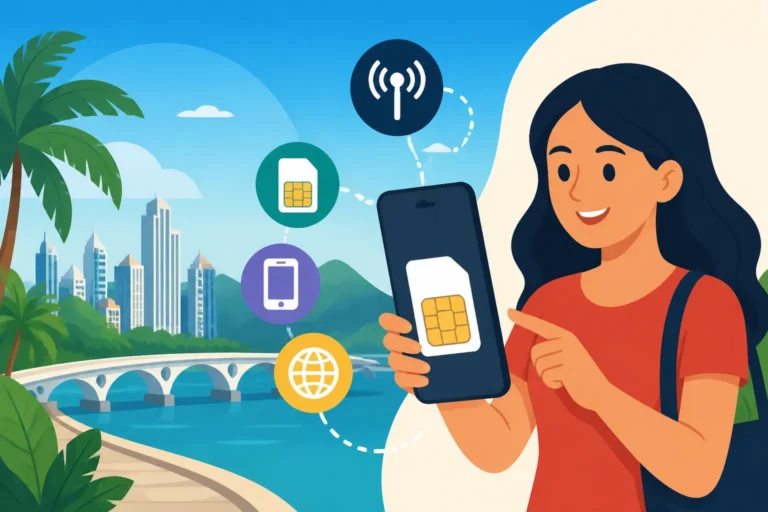
One of the first things you'll want to do upon arrival is get connected. A local phone number is essential for everything from ordering food to scheduling appointments. Panama has several mobile providers, including Claro, Tigo, and +Móvil. You can easily pick up a prepaid SIM card at the airport or any major grocery store or mall. Just ensure your phone is unlocked before you arrive.
For immediate connectivity, especially while navigating the city or waiting for your local SIM, an eSIM from providers like Airalo can be a lifesaver. It allows you to get online as soon as you land, giving you access to maps, translation apps, and communication with family back home without the hassle of finding a physical SIM card right away. This can significantly reduce initial stress.
For internet at your temporary accommodation, most rentals will include Wi-Fi. If you're staying in a hotel or apartment, confirm this beforehand. For more permanent solutions, understanding How to Choose a Mobile and Internet Provider in Panama will be crucial later on, but for now, focus on getting your phone working and having basic data access.
First Forays: Transport and Groceries
Stepping out into a new city can be intimidating, but it's essential for getting acquainted. For transportation, taxis are plentiful, and ride-sharing apps like Uber and InDriver operate widely in Panama City. Always confirm the fare or activate the app before getting into a taxi to avoid misunderstandings. Public transport, including the Metro, is also an option, particularly in Panama City. You'll need a Metro card, which can be purchased and topped up at stations. Take a look at The Expat Guide to Public Transport in Panama for a detailed overview.
Your first grocery run is an adventure in itself. Major supermarkets like Riba Smith, Super 99, and El Rey are well-stocked and carry a mix of local and imported goods. Prices for imported items can be higher than you're used to. This is where you start learning about local products and finding new favorites. Don't be afraid to try new fruits, vegetables, and local brands.
Your initial week is about observation. Pay attention to how locals navigate, where they shop, and the general pace of life. It’s not about ticking off all your to-do items, but about absorbing your new surroundings and getting comfortable with the basics of daily living.
Navigating Bureaucracy: The Administrative Gauntlet (Weeks 2-6)
Once you've settled into your initial rhythm, it's time to tackle the administrative side of things. This is where many expats hit their first real test of patience. The Panamanian bureaucracy can be slow, require endless copies of documents, and sometimes feel like it's designed to confuse. Arm yourself with patience, a good book, and a smile.
Formalizing Your Residency
If you started your visa application process from your home country, this period will involve following up with your lawyer and potentially attending appointments at the National Immigration Service (SNM). Even if your lawyer handles most of the legwork, you'll still need to be present for fingerprints, photographs, and interviews.
The process often involves temporary visas or permits before you receive your permanent residency card. It's a waiting game, and understanding the nuances of Understanding How to Move to Panama Legally from Abroad (2027) is paramount. Expect delays, and don't schedule anything critical around anticipated approval dates. Flexibility is your friend here.
Always carry copies of your passport, visa stamp, and any temporary permits with you. While not always asked for, it’s better to be prepared. Your lawyer will be your main point of contact and guide through this labyrinth, so choose wisely and maintain good communication.
Opening a Bank Account
Once you have your provisional residency or at least some form of official status, opening a local bank account becomes a priority. This is essential for receiving local payments, paying bills, and managing your day-to-day finances without relying on international cards. Banks like Banco General and Banistmo are popular choices among expats.
The process for opening a bank account in Panama is notoriously rigorous, a legacy of strict international banking regulations. You'll need a plethora of documents: your passport, cedula (once you get it, more on that below), a second form of ID, proof of address (utility bill), a letter of employment or proof of income, and often, bank reference letters from your home country and sometimes even character reference letters from individuals in Panama. Be prepared for multiple visits and a lot of waiting. Each bank has its own specific requirements, so it's wise to call ahead or consult with your lawyer about the exact documents needed.
For those planning to live off foreign-sourced income, be ready to provide documentation proving the origin of those funds. Panama operates on a territorial tax system, meaning foreign income is not taxed, but banks still need to verify the legitimacy of your funds to comply with anti-money laundering regulations. Patience, my friend, is truly a virtue when dealing with Panamanian banks.
Understanding the Cedula Process
The "cédula" is your national identification card in Panama, and it's practically your passport to everyday life here. Once your permanent residency is approved, applying for your cedula is the next critical step. This little plastic card will be used for almost everything: opening a bank account, signing a rental lease, registering a car, receiving packages, and sometimes even for age verification.
The process for obtaining your cedula usually takes place at the Tribunal Electoral, which handles all national identification. Your immigration lawyer will likely assist you with this application, but you'll need to be there in person for photographs and fingerprints. It's another experience that requires patience, as wait times can be long, and the system can feel a bit fragmented. However, once you have your cedula, a huge weight lifts, as it validates your status as a resident.
Getting How to Get Your Cedula (Residency ID) in Panama is a landmark moment. It means you are officially recognized within the system. Without it, you’ll constantly be explaining your legal status, using your passport, and generally feeling like a temporary visitor. It truly simplifies countless daily interactions and is a significant step towards feeling truly settled.
Setting Up Your Panamanian Home (Weeks 3-8)
With your legal status progressing, it’s time to find a more permanent place to call home. This phase is about transitioning from temporary lodging to establishing your personal space, whether you're renting or buying.
Finding Your Long-Term Rental or Purchase
Many expats initially rent to get a feel for different neighborhoods and the market before committing to a purchase. Panama City offers a wide range of apartments, from modern high-rises in areas like Costa del Este and San Francisco to more traditional homes in older neighborhoods. Outside the city, you'll find houses with gardens in places like Boquete or Coronado.
When looking for a rental, be prepared for typical requirements: a security deposit (usually one month's rent), the first month's rent upfront, and a contract that can be anywhere from six months to a year. Real estate agents are common and can be very helpful, especially if your Spanish isn't fluent. They know the local market, can help negotiate, and will guide you through the local rental contract specifics. Make sure you understand the terms before signing. Check out The Complete Guide to Renting an Apartment in Panama (2027) for more detailed advice.
If buying property is on your mind, Panama does allow foreigners to purchase real estate. However, it's a complex process that demands due diligence. Factors like titled versus ROP (Rights of Possession) property, understanding property taxes, and the legal framework for foreign ownership are critical. It's not something to rush into during your first 90 days. Most expats take at least a year or two to thoroughly research the market, understand local nuances, and decide on the best location before buying.
Utility Connections: Electricity, Water, Gas
Once you have your long-term rental or purchased home, connecting utilities is a practical necessity. Electricity is managed by companies like ENSA (for Panama City and surrounding areas) or Naturgy (elsewhere). You'll typically need your cedula, a copy of your rental contract or property title, and sometimes a security deposit to set up service. The process can take a few days, so plan accordingly. Getting How to Set Up Electricity in Your Panama Home is usually the most urgent, especially with the tropical heat.
Water services are generally managed by IDAAN, the national water utility. Connections are usually more straightforward, but again, require identification and proof of address. Many apartment buildings have centralized gas, so this may not be a separate connection. However, if your home uses gas cylinders, you'll need to arrange delivery from a local supplier.
Getting all these set up takes time. Expect to visit offices, fill out forms, and wait. It’s part of the Panamanian experience. Keep copies of all applications and receipts, just in case you need to follow up.
Furnishing and Home Essentials
Unless you shipped a container full of furniture (which, again, is often not cost-effective), you'll be furnishing your new home. Panama has several options. For new furniture, major department stores like Steven's, Conway, and Félix B. Maduro offer a range of styles and price points. For more budget-friendly or unique items, check out local second-hand stores or Facebook Marketplace groups, which are surprisingly active for expat communities.
Kitchen essentials, linens, and basic appliances are readily available. Consider what you truly need versus what you want. The humidity can be tough on certain materials, so prioritize practicality. Investing in good air conditioning units and dehumidifiers is highly recommended for comfort and protecting your belongings from mildew.
Don't feel pressured to furnish everything immediately. Start with the essentials: a comfortable bed, a place to eat, and functional kitchen items. You can gradually add to your home as you discover local shops and your own personal style in Panama.
Getting Around and Staying Mobile (Weeks 4-10)
Once your home is taking shape, you'll want to explore beyond your immediate neighborhood. Understanding transportation options and whether or not to get a car will be a big part of your assimilation.
Driving in Panama: Licenses and Vehicles
Driving in Panama can be an adventure, to put it mildly. Traffic, particularly in Panama City, can be intense, and driving habits can differ significantly from what you're used to. For the first 90 days, you can typically drive with your foreign driver's license. However, after that period, you'll need to obtain a Panamanian license or get your foreign license validated. Read up on How to Exchange or Use a Foreign Driver's Licence in Panama well in advance. The process usually involves a medical exam, a theoretical test (sometimes waived for those exchanging licenses), and a practical driving test.
If you decide to buy a car, be aware that importing a car can be expensive due to duties. Many expats opt to buy a used car locally. There are dealerships and private sellers. When buying used, always get a mechanic to inspect the vehicle thoroughly before purchase. Vehicle registration and insurance are mandatory. The "revisado" is an annual vehicle inspection that ensures your car meets safety standards, and you’ll need it to renew your car registration.
Getting a car gives you immense freedom, especially if you live outside Panama City or plan to explore the interior. However, factor in the costs of fuel, insurance, maintenance, and parking.
Public Transportation Options
For those living in Panama City, public transportation is a viable alternative to owning a car. The Metro system is modern, clean, and efficient, covering key areas of the city. The MetroBus system, while more extensive, can be crowded and less predictable. Both require a rechargeable Metro card. Taxis and ride-sharing apps fill in the gaps, offering door-to-door service at reasonable prices.
Outside of Panama City, public transport options are more limited. Buses connect major towns, but local transport might involve shared taxis (known as chivas or colectivos) or smaller, less formal services. In smaller towns like Boquete, many people walk or rely on local taxis.
Deciding on your preferred mode of transport depends heavily on where you live and your lifestyle. Many expats in Panama City find they can manage perfectly well without a car, especially if they live near a Metro station.
Exploring Beyond the City
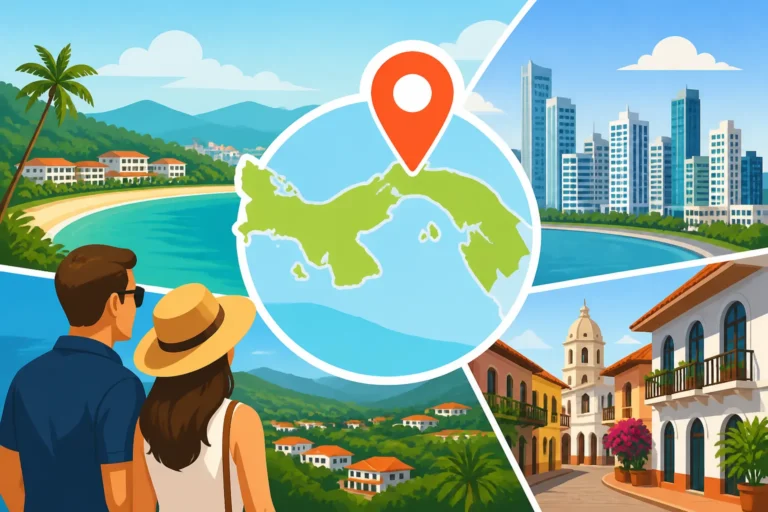
Once you're comfortable with daily life and transportation, start exploring! Panama has so much to offer, from the bustling city life to the serene beaches of the Pacific and Caribbean, the cool mountains of Chiriquí, and the historical wonders of Casco Viejo.
Day trips or weekend getaways are a great way to discover the country and meet other expats or locals. Head to the Causeway for beautiful views of the city skyline, explore the Miraflores Locks at the Panama Canal, or take a quick flight to Bocas del Toro for island vibes. These excursions help you appreciate the beauty and diversity of your new home. Connecting with local expat groups on social media can also provide great tips for exploring and introduce you to new friends.
Health, Wellness, and Local Life (Weeks 5-12)
As you settle in, looking after your health and integrating into the local community become more important. Understanding the healthcare system and how to find social connections will make Panama truly feel like home.
Accessing Healthcare
Panama has a dual healthcare system: the public Caja de Seguro Social (CSS) and a robust private sector. As an expat, especially in your first 90 days, you’ll likely rely on private healthcare facilities. Hospitals like Hospital Punta Pacifica, Hospital Nacional, and Centro Médico Paitilla in Panama City offer excellent, modern facilities with many English-speaking doctors. While not "free," costs are generally lower than in North America.
It's highly advisable to have international health insurance from day one. This will cover you for emergencies and routine care while you navigate the local system. Some expats choose to pay out-of-pocket for minor ailments due to the affordability of private consultations (e.g., How Much Does a Doctor Visit Cost in Panama?). However, for serious illness or hospitalization, insurance is a must. For a deeper dive, check out The Complete Guide to Healthcare in Panama for Expats (2027).
Finding an English-speaking doctor in Panama City is usually straightforward. Many doctors have trained abroad or have experience with international patients. Word-of-mouth recommendations from other expats are invaluable here. Don't wait until you're sick to figure out your healthcare options; research doctors and clinics in your area early on.
Embracing Local Culture and Community
One of the richest parts of living abroad is immersing yourself in the local culture. Panamanian culture is a vibrant blend of indigenous, Spanish, Afro-Caribbean, and American influences. Learn some basic Spanish phrases; even a few words go a long way in showing respect and opening doors. Locals appreciate the effort!
Engage with your neighbors, try local foods, and attend community events. There are numerous expat groups across Panama, particularly in Panama City, Boquete, and Coronado. These groups are fantastic resources for advice, making new friends, and finding a sense of belonging. Facebook groups, local meetups, and expat forums are good places to start.
Being an expat can sometimes feel isolating, especially in the initial months. Actively seeking out social connections, whether with locals or fellow expats, is crucial for your mental well-being. Don't be afraid to put yourself out there, even if it feels uncomfortable at first.
Staying Safe and Sound
Panama, like any country, has its safe areas and areas to avoid. Generally, common sense prevails: be aware of your surroundings, especially at night; don't flash expensive belongings; and use reputable transportation. Panama City has areas with higher crime rates, just like any major metropolis. Research the specific neighborhoods you'll be frequenting.
Keep important documents (passports, cedula, credit cards) secure, ideally in a money belt or safe. Only carry what you need for the day. For emergencies, the national emergency number is 911, though response times can vary. Knowing your embassy or consulate's contact information is also a good idea. Being informed and cautious allows you to enjoy Panama with peace of mind.
Money Matters and Everyday Living (Weeks 6-12)
As you approach the end of your first 90 days, you'll have a much clearer picture of your ongoing costs and how to manage your finances in Panama. This phase is about solidifying your financial routines and mastering daily transactions.
Understanding Costs and Budgeting
By now, you'll have a better grasp of the real cost of living in your specific area of Panama. While generally more affordable than many Western countries, certain items can be surprisingly expensive, particularly imported goods, electronics, and some services. Rent is often the largest expense, followed by utilities (especially if you run your AC constantly!) and groceries.
It’s a good time to sit down and create a realistic budget based on your actual spending. Track your expenses for a month or two. This will help you identify areas where you can save and ensure your income supports your lifestyle. For a general idea, you can always refer back to The Complete Guide to Cost of Living in Panama for Expats (2026), but your personal experience will be the most accurate.
| Category | Estimated Monthly Cost (USD) | Notes |
|---|---|---|
| Rent (1-bed apt) | $700 – $1,500 | Varies significantly by location (City vs. Interior, luxury vs. basic) |
| Utilities | $150 – $300 | Electricity, water, gas, internet (AC heavily impacts this) |
| Groceries | $300 – $600 | Depends on dietary choices, local vs. imported goods |
| Transportation | $50 – $200 | Public transport, ride-share, car fuel/maintenance |
| Dining Out | $150 – $400 | Local fondas vs. upscale restaurants |
| Healthcare (out-of-pocket) | $50 – $150 | Doctor visits, medicines (excluding insurance premiums) |
| Miscellaneous | $100 – $300 | Entertainment, personal care, household items |
| Total Range | $1,500 – $3,450+ | This is a broad average; your lifestyle will dictate true costs. |
Note: These are rough estimates for a single expat and can vary wildly based on lifestyle, location, and individual choices.
Shopping and Markets
Beyond the large supermarkets, explore local markets (like Mercado de Abastos for fresh produce in Panama City). Here, you can find incredibly fresh fruits, vegetables, and seafood at lower prices. It's also a fantastic cultural experience and a great way to practice your Spanish. Don't be shy about haggling politely, especially at smaller stalls.
For clothing and household goods, major malls like Albrook Mall, Multiplaza, and Metromall offer a wide range of international and local brands. For electronics, local stores and online retailers are available, but prices can sometimes be higher than in your home country. Remember that the duty-free zone in Colón offers wholesale goods, but usually not for individual purchases.
Learning where to shop for different items efficiently will save you money and time. Panama has a growing e-commerce scene, and many stores now offer delivery services, which can be very convenient.
Local Payment Methods
While credit and debit cards are widely accepted in major cities and larger businesses, cash (US dollars) is still king for smaller vendors, local markets, taxis, and many informal services. Always carry a mix of small denominations. The US dollar is Panama's official currency alongside the Panamanian Balboa (which exists only in coin form, interchangeable with US coins).
Mobile payment apps are gaining traction, with some local banks offering their own solutions, but they're not as ubiquitous as in some other countries. Familiarize yourself with how local payments work, especially if you plan to hire local services or artisans. Sometimes, direct bank transfers are common for larger transactions with local service providers.
By the end of your first 90 days, you should feel much more comfortable with these practical aspects of daily life. You'll have found your favorite coffee shop, navigated the public transport, and probably figured out which brand of yogurt you like best.
Disclaimer
The information provided in this guide is for general informational purposes only and is not intended as legal, financial, or immigration advice. Panama's laws and regulations are subject to change. While every effort has been made to ensure accuracy, the author recommends consulting with qualified Panamanian legal, financial, and immigration professionals for advice tailored to your specific situation. The author and publisher disclaim any liability for loss or damage incurred by any person acting or refraining from action as a result of the information contained herein.