Can I Pay My Utility Bills Through My Bank in Panama?
One of the initial hurdles many expats face when settling into life in Panama is the sheer headache of managing utility bills. It's not just about paying them; it's about understanding the system, navigating different payment methods, and avoiding late fees that seem to appear out of nowhere. This guide is here to walk you through the most convenient way to handle these essential payments: directly through your Panamanian bank.
The Frustration of Utility Bill Payments for Expats in Panama
When you first arrive in Panama, everything feels new and exciting. Then comes the mundane reality of daily life, and suddenly, you're hit with a stack of bills: electricity, water, internet, and maybe even gas if you’re in a building that uses it. For those of us used to straightforward online portals or direct debits back home, the Panamanian system can feel like a step back in time, requiring patience and sometimes, a lot of legwork.
The Initial Culture Shock and Manual Payment Hurdles
I remember my first few months here, clutching crumpled utility bills and desperately searching for a place to pay them. Many local stores, minisúpers, and even pharmacies offer payment services, but imagine the queues! Picture yourself trying to explain in broken Spanish (or sometimes, perfect Spanish, but still facing a blank stare) that you need to pay your EDE-Met, IDAAN, or Cable Onda bill. It’s an exercise in patience and often, a test of your willpower. You might even find yourself rushing before a specific cut-off time, only to be told the system is down or they don't accept that particular utility. It’s a common frustration that many of us have shared, feeling like you’re constantly running a gauntlet just to keep the lights on and the water running.
There's also the anxiety of potentially missing a payment. Unlike some countries where a gentle reminder email is sent, here, they can be quite swift with disconnections. Nobody wants to come home to a dark apartment because a payment slipped through the cracks. This initial period can be quite stressful, and it's completely normal to feel overwhelmed. We've all been there, trust me. Understanding how to set up your basic utilities is a crucial step for any newcomer, and it's one of the first things you'll want to tackle after you've managed to get your internet service sorted.
Why Banks Become a Beacon of Hope
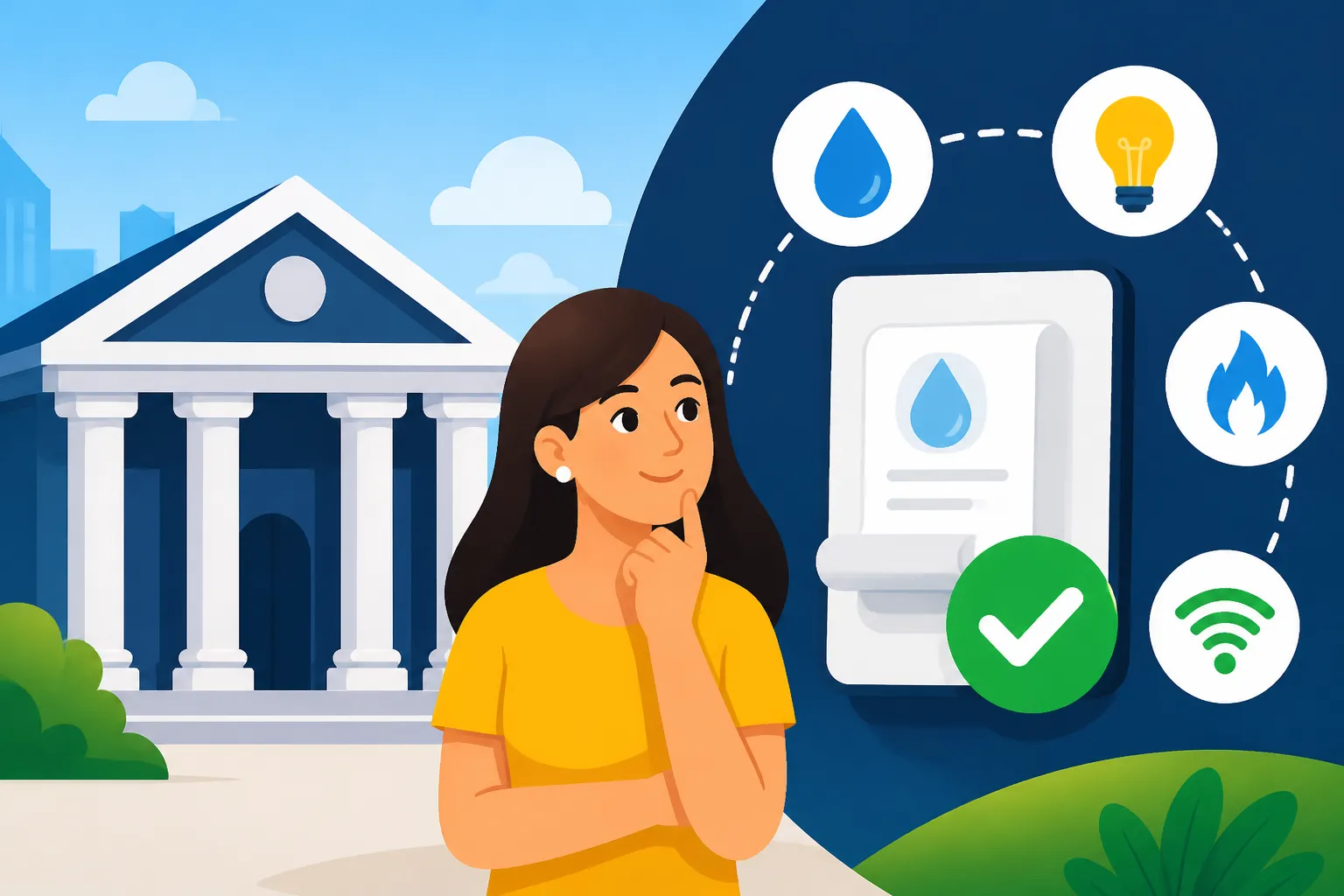
After a few rounds of manual payments, the idea of paying utilities directly through your bank account starts to sound like pure magic. And honestly, it pretty much is. Local Panamanian banks, like Banco General and Banistmo, have robust online banking platforms that allow you to manage a surprising number of your recurring expenses. This isn’t just about convenience; it’s about regaining control and peace of mind. Instead of making multiple trips or waiting in various lines, you can set it and forget it, much like you might have done in your home country.
Moving your utility payments to your bank account streamlines your finances considerably. No more scrambling to find the physical bill, no more worrying about opening hours, and no more language barriers at a payment kiosk. It frees up your precious time for more enjoyable aspects of expat life, whether that’s exploring the beautiful countryside, enjoying the vibrant city, or simply relaxing at home without a looming deadline. Plus, it gives you a clear digital record of all your payments, which is incredibly helpful for budgeting and keeping track of your expenses. This convenience is one of the many reasons why opening a bank account as a foreigner in Panama is a top priority for most new arrivals.
How Panamanian Banks Facilitate Utility Payments
Once you have a bank account set up in Panama, you unlock a much smoother way to handle your monthly bills. Most major banks here understand the need for convenient payment options and have integrated various utility providers into their online platforms. This significantly reduces the legwork and stress associated with bill management.
Setting Up Automatic Payments (Débito Automático)
One of the best features offered by Panamanian banks is the débito automático, or automatic payment system. This is where your bank automatically deducts the amount due for your utility bills on their respective due dates. It's truly a set-it-and-forget-it solution, and it’s a lifesaver for busy expats. Imagine never having to worry about missing a payment again! You'll typically need to authorize each utility provider individually through your bank’s online portal or by filling out a form.
For example, for your electricity bill with providers like EDE-Met or ENSA, you’d log into your online banking, find the "payments" or "servicios" section, and look for an option to enroll in débito automático. You'll input your account number for the utility (which is found on your bill) and specify the bank account from which payments should be drawn. The same goes for water (IDAAN), internet/cable (like Cable Onda, Tigo, or Más Móvil), and even some telephone services. It provides unparalleled peace of mind, knowing that your essential services won't be interrupted because of a forgotten due date. Just make sure you always have sufficient funds in your linked account!
Online Banking Bill Pay Features
Beyond automatic debits, most Panamanian banks offer a direct online bill payment feature within their internet banking platforms. This means you can manually initiate a payment for a specific bill whenever it arrives. While not as hands-off as débito automático, it's still far superior to in-person payments. You'll simply select the utility provider from a list, enter the account number from your physical or digital bill, input the amount, and confirm the transaction.
This method gives you more control, allowing you to review each bill before payment, which can be useful if you like to scrutinize your usage or check for any unusual charges. It’s also handy for bills that aren't necessarily recurring or don't fit into the automatic debit system. For instance, if you receive a one-off bill for a particular service, paying it via your bank's online portal is often the quickest and easiest way. This feature is standard across most major banks, allowing you to pay everything from your cellular plan to your community fees right from your laptop or smartphone. This digital approach really helps when you are trying to simplify your finances and manage your expenses from anywhere, much like using a service like Wise to manage international transfers, keeping everything in one place.
In-Person Bank Payments If You Must!
While the goal is to go digital, there might be rare occasions where an in-person bank payment is necessary. Perhaps you’re dealing with a specific issue that requires a human touch, or you prefer the traditional method, especially if you’re still getting comfortable with online banking in a new country. Most bank branches will have a dedicated teller or service counter for utility payments.
However, be prepared for potential queues, especially during peak hours or at the beginning of the month when many bills are due. You'll need to bring your physical utility bill with you, as the teller will scan it or manually input the account details. While this method is less efficient than online options, it’s a reliable fallback. It’s also often necessary for those who haven’t yet managed to set up their online banking or for specific, non-standard payments that aren't integrated into the digital system.
Step-by-Step Guide to Linking Your Utilities to Your Bank Account
Getting your utility bills linked to your Panamanian bank account might seem daunting at first, but with a clear plan, it's quite manageable. This is a vital step toward simplifying your life here, so let's break it down.
Gathering Necessary Documents and Information
Before you even log into your bank's online portal or head to a branch, you need to arm yourself with the right information. This is critical to ensure a smooth setup process. Think of it like preparing for your annual tax return; the more organized you are from the start, the less headache you'll have later.
For each utility – electricity, water, internet, and so on – you'll need the following:
- A recent physical bill: This is your golden ticket. It contains all the necessary account numbers, client IDs, and service numbers that your bank will need to identify your specific utility service. Make sure it's the most current one you have.
- Your bank account details: This includes your account number and potentially your cédula (Panamanian ID) or passport number if the bank requires additional verification.
- Your personal contact information: Ensure the bank has your up-to-date phone number and email address, as they might send confirmations or notifications.
Having these documents readily available will prevent you from having to backtrack or make multiple trips. It's a small step that saves a huge amount of time and frustration in the long run. Remember how frustrating it can be to get all your paperwork together for something like How to Register with the DGI (Direccion General de Ingresos) in Panama? This is similar, but for your household bills.
The Online or In-Person Setup Process
Now that you have your documents in hand, it's time to link them up!
For Online Banking (Recommended):
- Log in to your bank's online portal: Access your account using your username and password. If you haven't set up online banking yet, you'll need to visit a branch first to activate it.
- Navigate to the "Payments" or "Servicios" section: This is usually a prominent menu option.
- Find "Débito Automático" or "Programar Pagos": Look for options to set up recurring payments or to add a new service.
- Select your utility provider: You'll typically see a list of common providers like EDE-Met, ENSA, IDAAN, Cable Onda, Tigo, etc.
- Enter your utility account number: Carefully type in the account number exactly as it appears on your bill. Double-check for accuracy – a single wrong digit can send your payment to the wrong place!
- Confirm the details: The system might pull up your name and address associated with that utility account. Verify this information.
- Authorize the payment: Choose whether you want to set up an automatic recurring payment (débito automático) or just add it as a saved payee for manual payments. If choosing automatic, agree to the terms and conditions.
- Finalize the setup: You might receive a confirmation email or SMS. Keep this for your records.
For In-Person Setup (If you prefer or if online isn't available):
- Visit your bank branch: Go during off-peak hours if possible to avoid long waits.
- Bring your physical utility bills and ID: Have everything organized and ready.
- Speak to a customer service representative: Explain that you wish to set up automatic utility payments or link your bills for online payment.
- Fill out any required forms: The representative will guide you. You'll likely need to provide your utility account numbers and sign authorizations.
- Get confirmation: Ensure you receive a written confirmation or a reference number for your request. It’s always good to have a paper trail in Panama, even for something as simple as How to Pay Your Utility Bills in Panama.
Verifying and Managing Your Payments
Once you've set up your payments, the work isn't quite over. It's crucial to verify that everything is working as intended.
The First Few Months Are Key: For the first two to three billing cycles after setting up débito automático, actively monitor your bank statements. Check that the correct amounts are being debited and that the payments are clearing successfully. Simultaneously, keep an eye on your actual utility statements (physical or digital) to ensure they show the payments being received and credited to your account. This vigilance will catch any errors early.
Managing Changes: Life happens. You might move, change internet providers, or even notice a discrepancy on a bill.
- Changes in utility provider: If you switch internet companies, for instance, you'll need to go back into your bank's online portal and remove the old provider from your automatic payments and add the new one.
- Discrepancies: If you see a payment issue or an unusually high bill, contact the utility provider directly first. Then, if necessary, coordinate with your bank. This is where keeping track of your budget and understanding your spending, perhaps with a tool like Wise for managing money, really comes in handy. It’s similar to understanding your financial obligations and How Much Income Tax Will I Pay in Panama in 2026? – you need to stay on top of the details.
Tips and Best Practices for Expats
Navigating utility payments in Panama can be significantly smoother with a few insider tips and best practices. As an expat, understanding these nuances can save you time, money, and a good deal of stress.
Understanding Bill Cycles and Due Dates
One of the most common pitfalls for expats is misjudging bill cycles and due dates. Unlike some countries where bills might arrive on the same day each month, here in Panama, it can vary. Electricity bills from providers like EDE-Met or ENSA, water bills from IDAAN, and internet/cable bills (think Cable Onda, Tigo) often operate on slightly different cycles. Some might bill on the 1st of the month, others mid-month, and the due dates will reflect that.
It's absolutely critical to know when each bill is typically generated and when the payment is expected. When setting up automatic payments, ensure that your bank is instructed to pay a few days before the actual due date to allow for processing time. Don’t cut it too close. Missing a payment, even by a day, can sometimes result in late fees or even a service interruption, which is the last thing you want to deal with. Keep a calendar reminder, especially for those first few months until you're confident in the system. Knowing the ins and outs of your utility services is just as important as understanding How Panama's Health System Works: CSS and Private Care Explained (2026) for your well-being.
Dealing with Payment Issues and Discrepancies
Despite your best efforts, sometimes things go wrong. Perhaps an automatic payment didn't go through, or you spot a strange charge on your bill. When this happens, don't panic, but act swiftly.
- Check your bank statement: The first step is to confirm whether the payment was actually debited from your account. Sometimes, technical glitches can occur.
- Contact the utility provider directly: If the payment wasn't debited, or if you see a discrepancy, your primary point of contact should be the utility company. Have your account number and the disputed bill ready. Be prepared for a conversation in Spanish, or bring a Spanish-speaking friend if your language skills aren’t quite there yet.
- Follow up: Panamanian bureaucracy can be slow. If you make a phone call, note down the date, time, and the name of the representative you spoke with. If you visit in person, get a written confirmation of your complaint or query. Persistence is key!
- Involve your bank (if necessary): If a payment was debited but not credited to your utility account, or if there's a recurring error with débito automático, then it's time to involve your bank. They can provide transaction details that might help the utility company trace the payment.
Tracking Your Expenses
Keeping a close eye on your utility expenses isn't just good financial practice; it's essential for budgeting in a new country. Panama's cost of living can be surprisingly varied, and utilities can fluctuate based on usage and seasonal changes (hello, air conditioning in the dry season!).
I personally keep a simple spreadsheet, logging each utility bill and its payment date. This helps me spot trends and quickly identify any unusually high charges. Modern digital tools can also be a game-changer here. Many expats use services like Wise (formerly TransferWise) for international money transfers, but also for its budgeting features or multi-currency accounts that can help track spending. Similarly, while Taxes for Expats focuses on tax optimization, a good understanding of your local expenditure, including utilities, forms the backbone of any accurate financial planning here. It allows you to anticipate costs and avoid any nasty surprises, ensuring you’re always prepared for your monthly outgoings. It also helps in understanding the broader picture of The Complete Guide to Cost of Living in Panama for Expats (2026).
Here’s a quick overview of common utility providers and how they're usually paid:
Utility Service Common Providers in Panama Typical Payment Method Options (via Bank) Notes to your bank account, not through a service like Wise directly for payments like these, although Wise is excellent for managing the money you use for such payments. When it comes to finding help for things like this, your chosen bank in Panama City, such as Banco General, usually has English-speaking staff in their main branches, especially in areas like Costa del Este or Obarrio.
Remember, patience and persistence are your greatest assets. It’s a learning curve, but one that is well worth navigating for the peace of mind it brings.
Disclaimer
The information provided in this article is for general informational purposes only and does not constitute financial or legal advice. While we strive to provide accurate and up-to-date information, local regulations and banking procedures in Panama can change. Expats are strongly advised to consult with their chosen Panamanian bank or a local financial advisor for personalized guidance regarding utility bill payments and financial management.