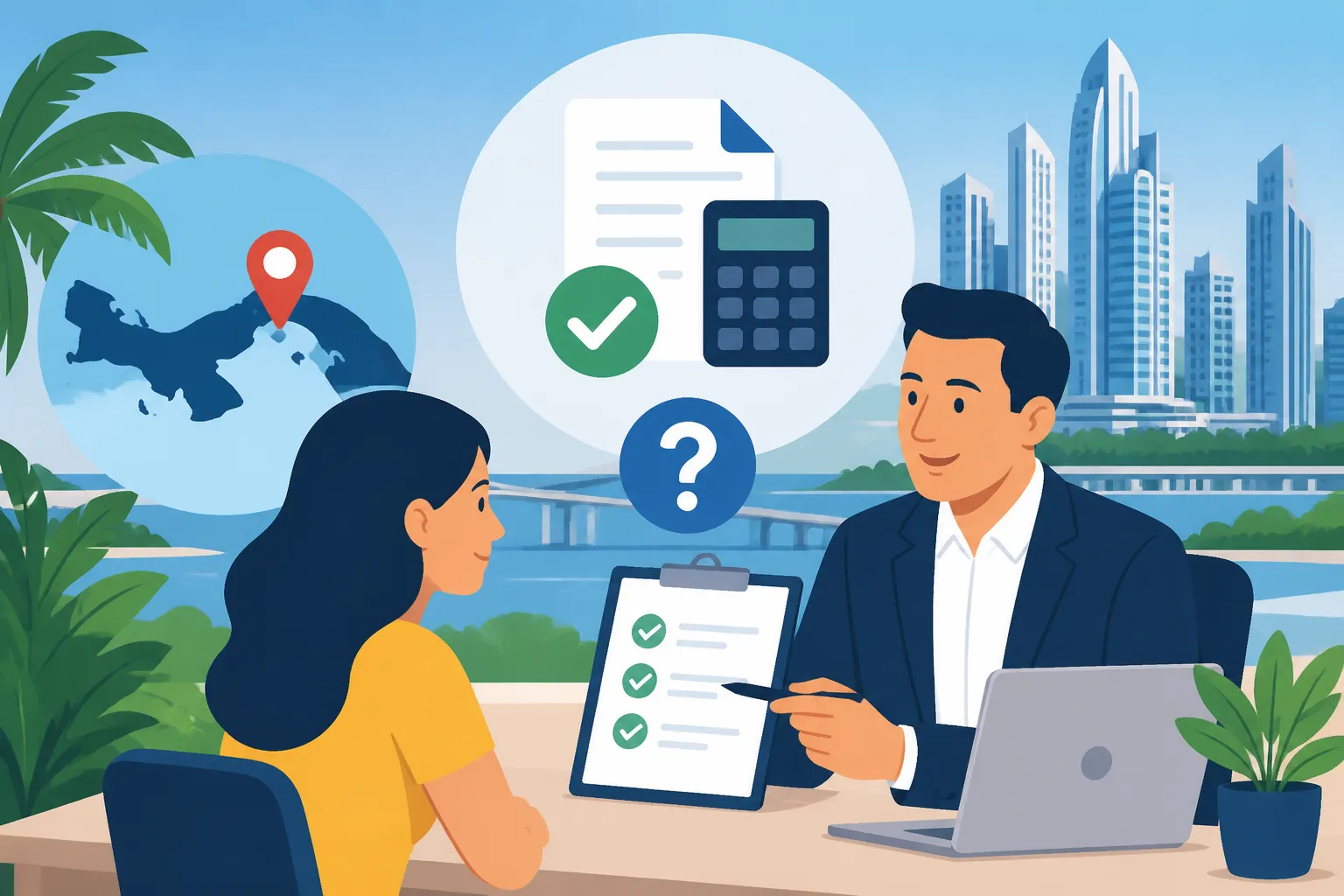
Can I Use an Accountant to Help File My Tax Return in Panama?
Moving to Panama can be an incredible adventure, full of sunshine and new experiences, but let's be honest, the administrative hurdles, especially when it comes to something as daunting as taxes, can quickly turn that sunshine into a cloudy day. Many expats grapple with the complexities of Panama’s territorial tax system and local compliance, often wondering if they can really tackle it alone. This comprehensive guide will walk you through why engaging a professional tax accountant in Panama isn't just a luxury, but often a necessity, and how to find the right one to ease your tax-time anxieties.
The Labyrinth of Panamanian Taxes for Expats – Why an Accountant Becomes Your North Star
When I first moved here, I thought, "Taxes? How hard can it be? I've done taxes back home for years!" Oh, my sweet, naive self. Panama's tax system, while often touted as expat-friendly due to its territorial taxation principle, still has its own set of intricacies that can trip up even the most organized foreign resident. It’s not just about understanding the rules; it's about navigating the local bureaucracy, dealing with forms that might only be in Spanish, and knowing how to correctly apply those rules to your unique financial situation.
The reality is, what seems simple on paper – the idea that foreign-sourced income isn't taxed – can become a complex web of distinctions when you start earning any money within Panama, or even if your foreign income has a direct link here. Many expats find themselves caught between what they think the rules are and what the Dirección General de Ingresos (DGI), Panama’s tax authority, actually requires. This is where the value of a local expert truly shines through. They’re not just crunching numbers; they’re acting as your guide through what can feel like a very confusing maze.
Navigating Territorial Taxation and Foreign Income Nuances
Panama’s territorial tax system is undoubtedly one of its biggest draws for expats. The general principle is that you only pay income tax on income generated within Panama. Sounds straightforward, right? Well, in theory, yes. In practice, defining "generated within Panama" can be surprisingly tricky, especially in our increasingly globalized world. For instance, if you're working remotely for a company back in your home country, is that income considered foreign-sourced if you're physically sitting in Panama? What if you're a freelancer with clients all over the world? These are the kinds of questions that can keep you up at night, and frankly, trying to figure them out from online forums or general advice can be risky.
Take the example of Jane, an American expat living in Boquete. She freelances for US-based clients, receiving payments into her US bank account. For months, she assumed this was purely foreign-sourced and untaxed. However, she eventually learned through a local accountant that if her activities generating that income were performed while she was physically in Panama, even if the clients and payments were foreign, she might have a tax obligation here depending on the nature of her work and her residency status. This specific interpretation of "source" is critical and often misunderstood by newcomers. An accountant specializing in expat taxes understands these nuances and can help you structure your affairs to remain compliant and avoid any unwelcome surprises down the line. It's truly a deep dive into How Panama's Tax System Works: Territorial Taxation Explained (2027) that few expats can master without professional assistance.
Understanding Local Tax Forms and Deadlines
Beyond the theoretical understanding of the tax system, there's the very practical, often tedious, matter of compliance. Panama has specific tax forms and strict deadlines for filing annual returns, declarations of estimated income, and, if you're self-employed or run a business, monthly ITBMS (VAT) declarations. These forms are primarily in Spanish, and while Google Translate is a godsend, it’s no substitute for understanding the legal and accounting terminology. Missing a deadline or submitting an incorrect form can lead to fines and penalties, which nobody wants.
I recall a friend, Mark, who decided to file his own taxes because he only had a small amount of Panamanian-sourced rental income. He used an online template he found, but misunderstood one crucial section regarding deductions. The DGI audited him, and he ended up owing back taxes plus a hefty penalty. He told me he wished he had just paid a professional in the first place. The process of dealing with the DGI directly can be intimidating, especially if you're not fluent in Spanish and unfamiliar with local administrative procedures. An accountant not only knows the precise forms and how to fill them out correctly but also understands the DGI's internal processes, which is invaluable. For a full picture of what this entails, you might want to look into Filing Your Tax Return with the DGI in Panama: The Complete Walkthrough (2027).
What a Panamanian Tax Accountant Can Do For You (Beyond Just Filing)
Hiring a tax accountant in Panama is so much more than just having someone fill out forms. It’s about leveraging local expertise to ensure you’re compliant, optimizing your tax situation, and gaining invaluable peace of mind. Think of them not just as a service provider, but as a strategic partner in your financial life here. They can help you understand the broader picture of The Complete Guide to Taxes in Panama for Expats (2027), making sure you're well-informed on all fronts.
Expertise in Expat-Specific Tax Scenarios
Expats often have complex financial situations that differ significantly from local residents. We might have pensions from multiple countries, investment portfolios managed abroad, or income from diverse sources. A good Panamanian tax accountant understands these unique circumstances. They know the ins and outs of various residency types and how they impact your tax obligations. For example, the requirements for a retiree on a Pensionado Visa might be very different from someone on a Friendly Nations Visa running a local business. They can clarify crucial points such as Is My Foreign Income Taxed in Panama? under different scenarios.
They can also advise on the tax implications of specific transactions, like buying property, inheriting assets, or even just setting up a local business. For example, if you're contemplating setting up a small consultancy here, an accountant can guide you through the process of registering with the DGI, obtaining your How Do I Get an RUC (Tax ID) as a Foreigner in Panama, and understanding your obligations for ITBMS and How to Pay Tax as a Self-Employed Person in Panama. They can help you differentiate between various business structures (like persona natural vs. persona jurídica) and advise on which is most advantageous for your specific situation. This foresight can save you a significant amount of money and stress in the long run.
Peace of Mind and Avoiding Costly Mistakes
One of the greatest benefits of hiring a professional is the peace of mind it brings. The anxiety of potentially making a mistake, missing a deadline, or incurring penalties is a burden many expats carry. A qualified accountant alleviates that stress. They stay updated on changes to Panamanian tax law, ensuring your filings are always accurate and compliant. This includes understanding the nuances of Understanding Income Tax in Panama (2027) and any modifications made for the upcoming year.
Beyond compliance, an accountant can also help you optimize your tax position. While Panama’s system is territorial, there might still be legitimate deductions or exemptions you’re eligible for that you wouldn't know about otherwise. They can help you correctly account for local expenses against local income, ensuring you’re not overpaying. Imagine the relief of knowing that your tax affairs are handled by someone who genuinely knows the system, allowing you to focus on enjoying your life in Panama, rather than wrestling with tax codes and deadlines. This expert guidance becomes particularly important when you consider your overall financial planning as an expat. You want to make sure you're maximizing your financial efficiency, and a good accountant is key to that.
How to Choose the Right Tax Accountant in Panama
Finding the right tax accountant in Panama is a bit like dating – you need to find someone compatible, trustworthy, and who truly understands your needs. It's not a decision to rush. Many firms cater to expats, but quality and expertise can vary wildly. Remember, you're entrusting them with sensitive financial information, so due diligence is paramount.
Key Qualities and Questions to Ask
When you’re looking for an accountant, don't just pick the first name you see. Start by asking for recommendations from other expats in your community. Word-of-mouth is often the best indicator of good service in Panama. Once you have a few names, schedule initial consultations. Think of it as an interview process. Here are some key qualities to look for and questions to ask:
- Bilingual Capability: This is non-negotiable for most expats. You need to be able to communicate clearly and understand their explanations without a language barrier. Ask if they have English-speaking staff or if the main accountant is fluent.
- Expat Experience: Do they specialize in expat taxation? Ask how many expat clients they serve and what specific challenges they’ve helped them with. This is crucial because expat finances are often more complex than local ones.
- Knowledge of Territorial Tax Law: While this seems obvious, ensure they have a deep, nuanced understanding of Panama’s territorial tax system and how it applies to various forms of foreign income. Ask for examples of how they've helped clients differentiate between Panamanian-sourced and foreign-sourced income.
- DGI Familiarity: How familiar are they with the DGI's online portal (E-Tax) and its processes? Can they represent you in case of an audit or inquiry?
- Professional Affiliations: Are they certified public accountants (CPAs) or affiliated with any professional accounting bodies in Panama? This adds a layer of credibility.
During your consultation, ask direct questions about their process for How to File Your Annual Tax Return in Panama, what documents they'll need from you, and their communication style. You want someone who is proactive and clear, not reactive and vague. Firms like Taxes for Expats often specialize in international tax issues, making them a good option for those with complex cross-border situations, so it's worth checking if they have local partners or if their services align with your needs.
Cost Expectations and Service Models
The cost of tax accounting services in Panama can vary significantly based on the complexity of your financial situation, the volume of transactions, and the services you require. Expect to pay a flat fee for annual personal tax filings, which might range from a few hundred dollars for simple cases to significantly more for complex scenarios involving businesses or multiple income streams. For business services, like monthly ITBMS declarations or payroll, you'll likely pay a recurring monthly fee.
Here’s a general breakdown of service models and what to expect:
- Basic Annual Filing: This usually covers the preparation and submission of your individual income tax return. If your situation is straightforward (e.g., local employment income only, or purely foreign-sourced income with no local nexus), this will be the most affordable option.
- Comprehensive Tax Planning: For those with more complex finances, investments, or self-employment, an accountant can offer tax planning advice, helping you structure your affairs to be tax-efficient and compliant. This service will naturally come at a higher cost but can save you money in the long run.
- Business Accounting Services: If you operate a business in Panama, you'll need a full suite of services including bookkeeping, monthly tax declarations (like ITBMS), payroll, and annual financial statements. These are typically billed monthly.
- Consultation Fees: Some accountants might charge an hourly rate for initial consultations or specific advice outside of a filing package. Always clarify their fee structure upfront.
When comparing quotes, don't just look at the bottom line. Understand exactly what’s included in the price. Does it cover DGI representation? Unlimited questions throughout the year? Be wary of prices that seem too good to be true, as they might indicate a lack of experience or a bare-bones service that could leave you exposed.
Preparing for Your First Meeting: What Documents You'll Need
Once you’ve chosen your tax accountant, the next step is to gather all the necessary documentation. Being organized from the start will not only save you time but also make the process smoother and more efficient for both you and your accountant. Think of it as laying out all your ingredients before starting to cook – you don't want to realize halfway through that you're missing something crucial!
Essential Personal and Financial Records
Your accountant will need a comprehensive picture of your identity and your financial life. Here’s a checklist of common documents and information you should prepare:
- Personal Identification:
- Copy of your passport and residency card (Cédula E).
- Your Panamanian RUC (Registro Único de Contribuyente) or tax ID number. If you don't have one, your accountant can guide you on How Do I Get an RUC (Tax ID) as a Foreigner in Panama.
- Proof of Residency:
- Documents related to your residency status (e.g., visa approval letters, proof of address in Panama).
- Confirmation of your Tax Residency in Panama: A Definitive Guide for Expats (2027), especially if you're close to the 183-day rule.
- Income Documentation:
- If employed in Panama: Salary slips (fichas de pago) or an income certificate from your employer.
- If self-employed/freelancer: Records of all income received, broken down by source (local vs. foreign).
- Pension statements from any country.
- Statements for any other income like rental income from properties in Panama, investment income (local dividends or interest), or capital gains from local asset sales.
- If you're still uncertain about your income tax obligations, gathering documents related to your overall earnings will help your accountant determine How Much Income Tax Will I Pay in Panama in 2026?.
- Expense Records:
- Receipts for any deductible expenses in Panama (e.g., health insurance premiums, certain medical expenses, educational expenses for dependents, if applicable). Keep these organized!
- Bank Statements:
- Statements from your Panamanian bank accounts (personal and business, if applicable).
- Statements from any foreign bank accounts that receive income or are relevant to your Panamanian tax obligations.
- Previous Year's Tax Returns:
- If you’ve filed taxes in Panama before, provide a copy of your previous year’s return.
- If you’ve filed taxes in your home country, bring those too, especially if they show foreign-sourced income that might need to be considered in the Panamanian context.
Remember, the more organized you are, the less time your accountant will spend sifting through paperwork, and potentially, the less you might be charged.
Organizing Your Income and Expense Information
This step is critical for accurate and efficient tax preparation. Don’t just dump a shoebox full of receipts on your accountant's desk! Take some time to categorize your income and expenses.
- Categorize Income: Separate your income clearly into Panamanian-sourced and foreign-sourced. Within those categories, break it down further (e.g., employment income, freelance income, rental income, pension income, investment income). For foreign transfers, if you use services like Wise, make sure you have clear statements showing the amounts and dates.
- Track Expenses: For any local income you have, keep detailed records of related expenses. For example, if you rent out a property, track all maintenance costs, property taxes, and other relevant expenditures. If you are self-employed, clearly document all business-related expenses.
- Use Spreadsheets or Accounting Software: Even a simple spreadsheet can make a huge difference. List out your income and expenses month by month, with clear descriptions. If you're a small business owner, consider basic accounting software. Many accountants can work with popular platforms, simplifying data transfer.
- Digital Copies: Scan or photograph all your physical receipts and documents. Keep digital copies organized in folders on your computer or in a cloud storage service. This ensures you have backups and can easily share them with your accountant.
By taking these steps, you’ll not only make your accountant’s job easier but also gain a clearer understanding of your own financial situation in Panama. It’s an investment of time that pays off in accuracy, compliance, and reduced stress.
Disclaimer
The information provided in this guide is for general informational purposes only and does not constitute professional tax, legal, or financial advice. While we strive to provide accurate and up-to-date information, tax laws and regulations in Panama are subject to change and interpretation. It is highly recommended that you consult with a qualified Panamanian tax professional or lawyer for advice tailored to your specific circumstances before making any decisions related to your tax obligations or financial planning in Panama.