Can I Walk Into a Clinic Without an Appointment in Panama?
Moving to Panama, or even just visiting, often brings a mix of excitement and a healthy dose of administrative head-scratching. One of the common anxieties I hear from fellow expats is about healthcare – specifically, "What if I just need to see a doctor quickly without an appointment?" In many Western countries, the idea of just walking into a clinic for a non-emergency issue is standard practice. Here in Panama, it’s a bit different, and misunderstanding how it works can lead to frustration, long waits, or unnecessary trips to the emergency room. This guide will walk you through the realistic options for accessing same-day medical care without a prior appointment in Panama, helping you navigate the system like a seasoned local.
The Reality of Walk-In Clinics in Panama: It's Complicated
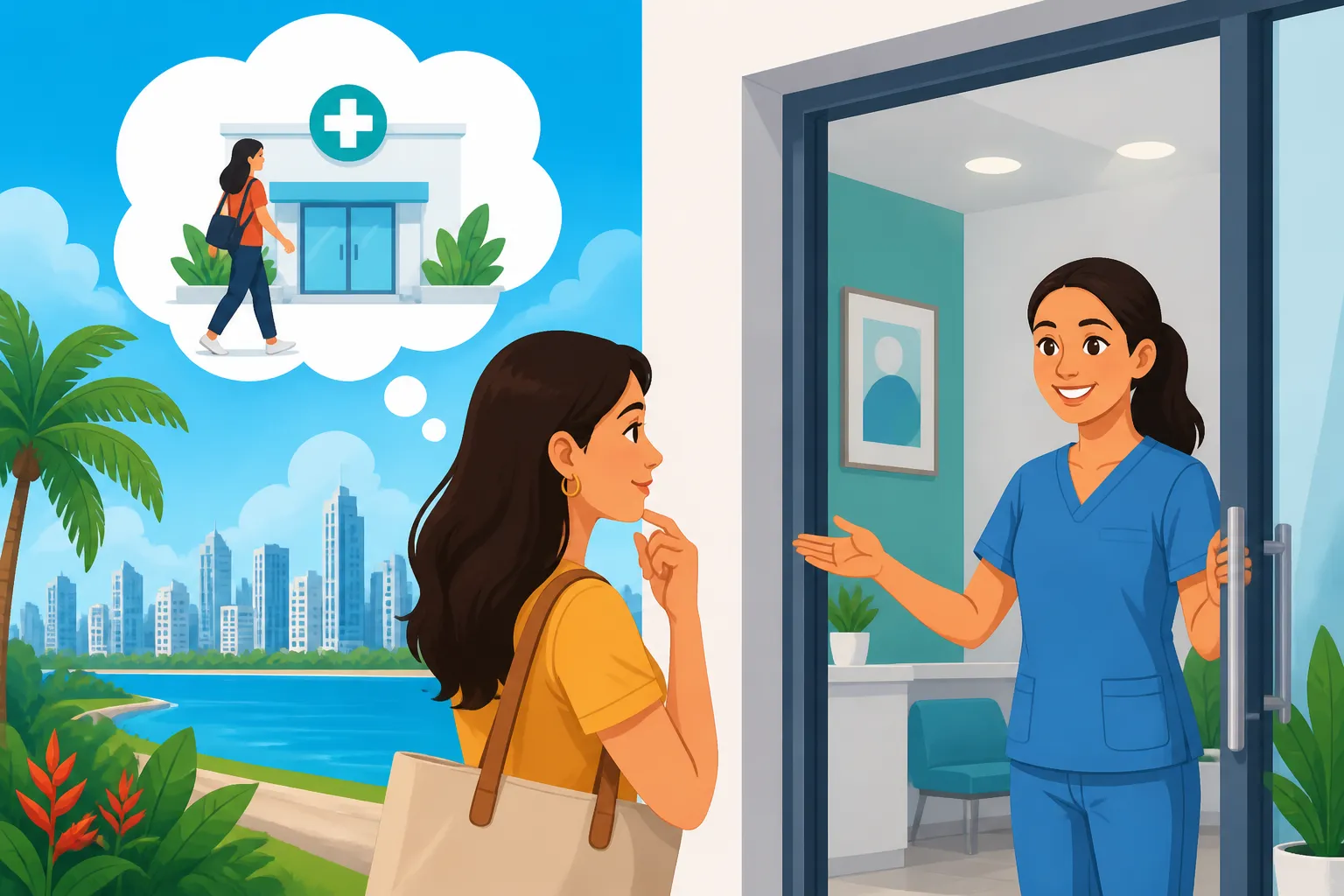
When you're feeling under the weather or have a minor injury, the last thing you want is a bureaucratic maze. The good news is that same-day care is absolutely possible in Panama. The less-than-good news is that it doesn't always look like the "walk-in clinic" model you might be used to back home. The key here is knowing where to walk in, and when to just pick up the phone first.
The Public System (CSS) – Not Your Go-To for Walk-Ins
Let's get this out of the way upfront: if you're thinking of just strolling into a public hospital or a CSS (Caja de Seguro Social) clinic for a non-emergency ailment without an appointment, you're likely in for a very long wait, and potentially a very frustrating experience. The public healthcare system in Panama, while vital for many residents, operates on a different rhythm, often prioritizing scheduled appointments and emergency cases.
The CSS is primarily designed for those contributing to the social security system, which usually means employed residents. Even for CSS beneficiaries, getting a same-day appointment for a routine issue is rare. You’d typically need to call far in advance, and the wait times for specialists can be months. So, if you wake up with a nasty cough or a sudden rash, the CSS system isn't really set up for that kind of immediate, unscheduled care. It’s important for expats to understand How Panama's Health System Works: CSS and Private Care Explained (2026) to manage expectations.
Private Clinics – Your Best Bet, But With Caveats
For expats and tourists seeking immediate, non-emergency medical attention, private clinics and hospitals are almost always your best bet. Panama City, in particular, boasts a number of excellent private hospitals like Hospital Punta Pacifica, Hospital Nacional, and Clínica Hospital San Fernando, along with numerous smaller private clinics scattered throughout the city and major towns. These facilities are often more aligned with international standards and expectations.
While many private clinics do accept walk-ins, it's not always a guarantee that you'll be seen immediately by a general practitioner, let alone a specialist. The term "walk-in" often means they will accommodate you if there's an opening, but you might still have a significant wait. Think of it less as a dedicated walk-in clinic model and more as a private practice that can sometimes fit you in. The quality of care and the English-speaking staff availability are generally much higher in these private settings.
Emergency Rooms – When a Walk-In is Actually an Emergency
It’s crucial to distinguish between needing urgent care and experiencing a true medical emergency. If you are having severe chest pain, difficulty breathing, a suspected broken bone, or any other life-threatening condition, then absolutely, head straight to the nearest emergency room. Private hospitals in Panama City have state-of-the-art emergency departments. In this scenario, "walk-in" is not just acceptable, it's necessary.
However, if your issue is a common cold, a minor cut, or a lingering headache, showing up at the emergency room of, say, Hospital Nacional, will mean you’re waiting behind genuine emergencies. You’ll also likely pay a premium for the ER visit compared to a general practitioner consultation in a clinic. For more severe situations, knowing about Emergency Medical Care in Panama: What Every Expat Needs to Know is paramount.
Navigating Private Clinics for Same-Day Care
Okay, so private clinics are the way to go. But how do you maximize your chances of being seen quickly and efficiently? It's all about being a bit savvy and understanding the local customs.
Understanding Different Types of Private Clinics
In Panama, private healthcare isn’t a monolith. You have a spectrum:
- Large Private Hospitals: Places like Hospital Punta Pacifica or Hospital Santa Fe offer comprehensive services, including general practitioners (GPs) and a wide array of specialists. They usually have a dedicated "urgencias" (urgent care) section that is separate from the main emergency room, designed for less severe but still immediate needs.
- Smaller Medical Centers (Centros Médicos): These are often multi-specialty clinics where different doctors share office space. You might find a GP, a dermatologist, a pediatrician, and a gynecologist all under one roof. These are great for general consultations.
- Individual Doctor's Offices: Many doctors have their own private practices. These are usually by appointment only, but if you have a relationship with a doctor, they might squeeze you in.
For a true "walk-in" experience, your best bet is often a larger private hospital with an urgent care department or a larger multi-specialty medical center that explicitly advertises general practitioner services without requiring a prior appointment.
The "Call Ahead" Strategy: Even for Walk-Ins
While you can walk into many private clinics, my seasoned expat advice is this: always call ahead if you can. Even if you don't have an appointment, a quick phone call can save you a lot of time and frustration. You can ask:
- "¿Atienden sin cita previa para consulta general?" (Do you attend without a prior appointment for a general consultation?)
- "¿Hay algún médico disponible ahora para una consulta general?" (Is there a doctor available now for a general consultation?)
- "¿Cuál es el tiempo de espera estimado si llego ahora?" (What is the estimated wait time if I arrive now?)
Many clinics, especially larger ones like Centro Médico Paitilla, have a receptionist who can give you a realistic idea of availability and wait times. This simple step can help you avoid showing up, only to find out the doctor is fully booked or there’s a two-hour wait. It's also a great way to find an English-Speaking Doctor in Panama if language is a concern.
What to Expect: Registration, Waiting Times, and Costs
When you do arrive at a private clinic for a walk-in visit, here’s a general rundown of what to expect:
- Registration: You'll head to reception first. Be prepared to provide your personal details, including your full name, date of birth, contact information, and passport number. If you have private health insurance, they will ask for your policy details, so have your card or policy number ready. Don't be surprised if they also ask for a small upfront payment for the consultation.
- Waiting Times: Even with a call ahead, waiting is part of the experience. It could be 15 minutes, or it could be over an hour, depending on how busy they are and the nature of other patients’ needs. Bring a book or make sure your phone is charged. Patience is truly a virtue here.
- Consultation: Once you see the doctor, the consultation itself is generally thorough. Panamanian doctors are often quite comprehensive in their examinations and questioning. Be clear about your symptoms.
- Costs: Private consultations for a general practitioner typically range from $30 to $80, though specialists will cost more. This is an area where knowing The Cost of Healthcare in Panama: A Complete Breakdown for Foreigners (2026) can be very helpful. You’ll usually pay directly after the consultation, and then if you have insurance, you'll file a claim.
| Scenario | Public CSS Clinic | Private General Clinic | Private Urgent Care Center | Private Hospital ER |
|---|---|---|---|---|
| Walk-in Acceptance | No, requires appointment (long waits) | Yes, often with potential wait times | Yes, designed for immediate needs | Yes, for true emergencies only |
| Wait Times | Very long, unpredictable | Moderate to long, depends on doctor | Short to moderate, triage-based | Prioritized by severity, can be long |
| Cost (GP Consult) | Low (if covered by CSS) | $30 – $80 (initial payment usually) | $50 – $100+ (higher for specialized) | $100 – $300+ (for non-emergencies) |
| Best For | Scheduled routine care, long-term | Minor illnesses, routine check-ups | Acute, non-life-threatening issues | Severe injuries, life-threatening |
| English Speaking? | Unlikely | Possible, especially in Panama City | Likely in major private hospitals | Likely in major private hospitals |
When a Walk-In is a Must: Urgent vs. Emergency Care
Sometimes, you can't wait. You need medical attention now. Knowing the difference between urgent and emergency care in Panama can save you time, money, and potentially your health.
Distinguishing Urgent Care from True Emergencies
Too many expats rush to the ER for something that could have been handled much more efficiently at an urgent care center or a general clinic. Let me break it down:
- Urgent Care: This is for conditions that require prompt attention but are not life-threatening. Think flu symptoms, ear infections, minor cuts that need stitches, sprains, rashes, mild asthma attacks, or persistent stomach issues. These clinics are designed to bridge the gap between a routine doctor’s visit and an emergency room.
- Emergency Care: This is for situations that are critical and potentially life-threatening. We're talking severe bleeding, chest pain, stroke symptoms, major trauma, severe burns, sudden loss of consciousness, or poisoning. If you believe your life or limb is at risk, go straight to the nearest emergency room. Don't hesitate to call 911 for an ambulance if needed. Understanding Emergency Numbers (911) and Ambulance Care in Panama can literally be a lifesaver.
Many private hospitals in Panama City have an "Urgent Care" or "Urgencias" department that functions differently from their main Emergency Room. They are equipped to handle urgent, but not critical, cases efficiently.
How to Find and Access Urgent Care Centers
Finding an urgent care center in Panama often means looking for the larger private hospitals. For example, Hospital Punta Pacifica has an urgent care section, as does Clínica Hospital San Fernando. These are generally well-equipped and have doctors on staff specifically for immediate consultations.
To access them:
- Go Directly: For genuinely urgent (but not critical) issues, you can indeed walk directly into these urgent care centers.
- Inform Reception: Clearly state your symptoms and that you need to see a doctor urgently. They will usually triage you (assess the severity of your condition) and direct you to the appropriate area.
- Be Patient: Even in urgent care, if there are other patients with more severe conditions, you might have to wait. They operate on a priority system.
It's a good idea to know where these facilities are located in your area before you actually need them. A quick search on Google Maps for "clinica urgencias Panama City" will usually show you options.
Preparing for an Unexpected Visit
When you find yourself needing a spontaneous medical visit, a little preparation goes a long way:
- Documents: Always carry your passport, a copy of your visa or residency card, and your health insurance information. If you're using a travel insurance plan like SafetyWing, have their contact details and policy number readily accessible.
- Payment Method: Have cash (USD is the currency here!) or a credit card ready. Many places prefer cash for smaller payments.
- Medical History: It’s helpful to have a basic understanding of your medical history, any allergies, and current medications, especially if you’re seeing a new doctor. I keep a note on my phone with this information, just in case.
- Language: While many private hospitals have English-speaking staff, especially in Panama City, it’s not guaranteed. Having a translation app or a basic grasp of Spanish medical terms can be incredibly helpful. Learning a few phrases like "Me siento mal" (I feel bad), "Me duele aquí" (It hurts here), and "Tengo fiebre" (I have a fever) can make a huge difference.
Remember, if you're feeling really unwell or unsure, it’s always better to seek medical attention rather than wait. What Happens If I Get Sick Without Insurance in Panama? is a question you don't want to answer the hard way.
Insurance and Payment for Spontaneous Visits
Money matters, especially when you're caught off guard with a medical need. Understanding your insurance options and how payments work is crucial for seamless "walk-in" care in Panama.
The Role of Private Health Insurance
For most expats, private health insurance is the backbone of accessing quality healthcare in Panama. While you can pay out-of-pocket, having a good private plan significantly reduces your financial burden and stress.
- Local Private Insurance: Many expats opt for local Panamanian private insurance plans, which are generally very affordable and well-accepted in private clinics and hospitals. Companies like ASSA, Internacional de Seguros, and Blue Cross Blue Shield Panama offer various plans. If you're a new resident, knowing How to Buy Private Health Insurance as a Newcomer in Panama is a great starting point.
- International Private Insurance: If your plan from your home country has international coverage, it's essential to confirm if it directly bills Panamanian providers or if you'll need to pay upfront and claim reimbursement. Most international plans work on a reimbursement basis, meaning you’ll pay the clinic or hospital, collect your receipts, and then submit them to your insurance company. This is where understanding How to Claim Reimbursement from Private Insurance in Panama comes in handy.
- Direct Billing: Some larger private hospitals in Panama City, especially those catering to a significant expat population (like Hospital Punta Pacifica), may have agreements with certain international insurance providers for direct billing. Always inquire about this when you register.
Even with private insurance, for a simple walk-in consultation, you might still need to pay a co-pay or the full consultation fee upfront, and then submit a claim. Don't let this deter you; the reimbursement process is usually straightforward.
Out-of-Pocket Costs and Payment Methods
Even without insurance, or while waiting for reimbursement, you'll need to cover costs. As mentioned, a general practitioner visit typically runs between $30 and $80. Specialist consultations can range from $70 to $150 or more, depending on the specialty and the doctor's reputation. Lab tests and medications are additional. Understanding Out-of-Pocket Healthcare Costs and Co-Pays in Panama can help you budget for these unexpected expenses.
- Cash is King (or Queen): For smaller clinics and doctor's offices, cash (US Dollars) is often preferred, and sometimes the only accepted method. Always have some smaller denominations on hand.
- Credit/Debit Cards: Larger hospitals and medical centers will accept major credit and debit cards (Visa, MasterCard). It's wise to inform your bank before traveling or moving to Panama to avoid any issues with foreign transactions.
- Online Payments: Some modern clinics might offer online payment options, but this is less common for walk-in visits.
Always ask for a detailed invoice (factura) with the doctor's stamp and signature. This is crucial for any insurance claims you might need to make.
Travel Insurance Considerations for Tourists
If you're visiting Panama as a tourist, travel insurance is non-negotiable. It’s not just a good idea; it’s essential. A sudden illness or accident can quickly turn an amazing trip into a financial nightmare.
Many travelers use flexible and comprehensive travel insurance options like SafetyWing, which can cover unexpected medical expenses, emergency evacuations, and even travel delays. Even for a simple "walk-in" need, your travel insurance can cover the cost of a doctor's visit and any prescriptions, depending on your policy. Just make sure you understand your plan’s coverage for outpatient visits and how to file a claim. If you need a more in-depth look, check out Health Insurance in Panama: Private and International Options Explained. Having a plan in place means you can walk into a clinic with peace of mind, knowing you're covered.
Disclaimer
The information provided in this guide is intended for general informational purposes only and does not constitute medical, legal, or financial advice. Healthcare regulations, costs, and availability in Panama can change. Always consult with a qualified medical professional for specific health concerns, and seek advice from an immigration lawyer or financial expert for legal and financial matters related to living in Panama. While we strive for accuracy, individual experiences may vary.