Driving in Panama: Licences, Registration and Rules for Expats (2027)
Oh, my friends, let's talk about driving in Panama. For many of us expats, the thought alone can conjure up a mixture of dread and bewilderment. From navigating the dizzying maze of Panamanian bureaucracy to deciphering the unwritten rules of the road, it’s an adventure, to say the least. This comprehensive guide is here to untangle the complexities of getting your license, registering your vehicle, and understanding the unique driving culture so you can hit the road with confidence and, hopefully, a lot less stress.
Driving Culture and Road Conditions in Panama
When you first arrive in Panama, especially if you’re coming from a country with highly regulated and orderly traffic, the driving culture here can feel like a baptism by fire. It’s a world unto itself, requiring a healthy dose of patience, heightened awareness, and perhaps a slightly thicker skin than you’re used to. Understanding this unique environment is the first step to becoming a confident Panamanian driver.
The Panamanian Driving Mentality
The driving mentality in Panama is… expressive. Drivers often communicate through a complex language of horn honks, flashing lights, and hand gestures. Indicators are often seen as suggestions rather than mandatory signals, and lanes? Well, sometimes they're more of a guideline than a strict division, especially during rush hour. You'll quickly learn that aggressive driving isn't necessarily hostile; it's often just the norm for getting where you need to go. Patience is a virtue, but assertiveness is a necessity. Don't be surprised if drivers merge without warning, pull out into traffic with minimal space, or stop abruptly. It's not personal; it's just the flow. You’ll need to develop an almost sixth sense for anticipating the unexpected, always assuming other drivers might do something completely illogical. This isn't to scare you, but to prepare you for the reality of urban driving here.
Road Quality and Infrastructure
The quality of roads across Panama is a mixed bag, to put it mildly. In Panama City, you'll find modern, multi-lane highways like the Corredor Norte and Corredor Sur, which offer relatively smooth and fast travel, albeit with tolls. However, once you venture off these main arteries, or into older parts of the city, potholes can become a significant challenge. Some secondary roads can be poorly maintained, especially after heavy rains, turning a simple commute into an obstacle course. Outside the capital, the Pan-American Highway (Carretera Interamericana) is generally well-maintained, connecting major cities like David and Santiago. However, side roads leading to smaller towns or rural areas can quickly degrade into unpaved, rocky, or muddy tracks, often without proper lighting or signage. Always factor in extra travel time for unexpected road conditions, especially if you’re heading off the beaten path. These varying conditions are why many expats opt for SUVs or trucks, even if they don’t plan on doing serious off-roading.
Navigating Traffic in Major Cities
Traffic in major Panamanian cities, particularly Panama City, is a beast of its own, especially during peak hours. Morning and evening commutes can easily double or triple your travel time, and certain bottlenecks, like the entrances to the Corredores or the Bridge of the Americas, are legendary for their congestion. David, while smaller, also experiences significant traffic during peak times, particularly around its commercial centers. Learning the local rhythm and understanding alternative routes can be a lifesaver. Google Maps or Waze are indispensable tools, offering real-time traffic updates and often suggesting faster (or at least less stalled) detours. However, even these apps sometimes can't account for the unique brand of Panamanian traffic jams, which can be caused by anything from an unexpected construction project to a spontaneous street vendor convention. Having enough mobile data, perhaps with a local eSIM from a provider like Airalo, is crucial not just for navigation but also for communicating if you get stuck or need to change plans on the fly. You'll quickly realize that the shortest distance between two points on a map is rarely the quickest route during peak times here.
Understanding Panamanian Driver's Licenses for Expats
Getting your driver's license sorted is often one of the first bureaucratic hurdles you'll face when settling into expat life in Panama. It’s not necessarily difficult, but it requires patience and a methodical approach to deal with the Autoridad del Tránsito y Transporte Terrestre (ATTT). Many expats find this process one of the most frustrating aspects of their early relocation experience, so let’s get into the nitty-gritty.
Using Your Foreign License Tourist vs Resident
As a tourist, you can generally drive in Panama with your valid foreign driver's license for a period of up to 90 days from your last entry date. This is a great perk for visitors, allowing them to explore without immediate concern about local licensing. However, this 90-day grace period is strictly tied to your tourist stamp. If you leave the country and re-enter, the clock typically resets. This means that many expats living here on longer-term visas or in the process of obtaining residency often make "border runs" to Costa Rica or other nearby countries to keep their foreign license valid for driving in Panama. It's a common, if slightly inconvenient, workaround.
Once you establish residency in Panama – whether through a Friendly Nations Visa, a Pensionado Visa, or another pathway – the game changes. Your foreign driver's license is generally recognized for a maximum of three months after your residency card is issued, not necessarily your entry date. After this initial three-month period post-residency approval, you are legally required to obtain a Panamanian driver's license. Failing to do so can result in fines, difficulties with insurance claims, and potential legal issues if you're pulled over. This distinction between tourist and resident status for driving is critical and often misunderstood by newcomers.
The Process to Exchange Your Foreign License
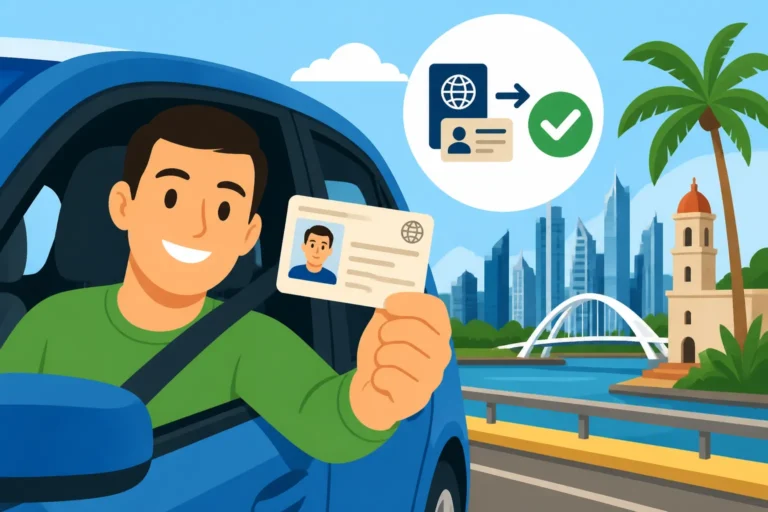
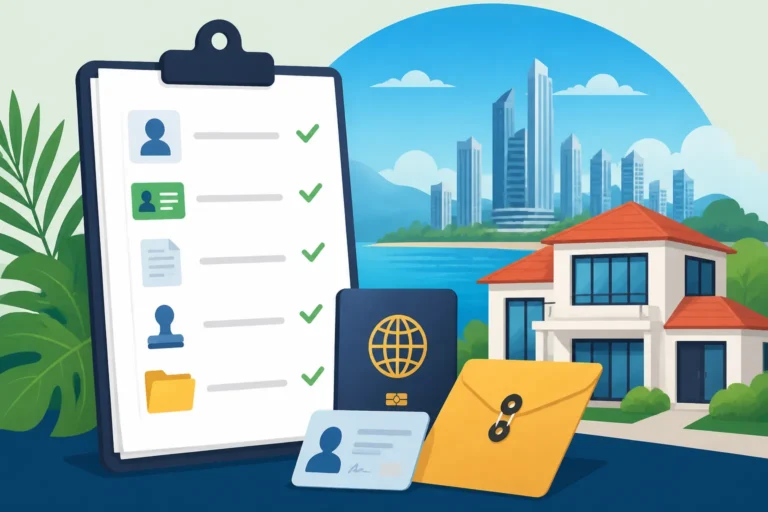
Exchanging your foreign license for a Panamanian one is a multi-step process that demands preparation and a good attitude. It's handled by the ATTT, specifically through SERTRACEN, the company contracted to issue licenses. First, you'll need to gather a stack of documents: your original, valid foreign driver's license, your valid Panamanian residency card (cédula E), your passport (with entry stamp), and proof of address. You’ll also need to obtain a blood type certificate from a Panamanian lab or clinic, as this will be printed on your new license. This isn't something you can bring from home; it needs to be done locally.
The process often involves a visit to one of SERTRACEN’s offices. In Panama City, the main office can be quite busy. You’ll undergo a basic vision and hearing test right there. Crucially, even if you’re exchanging your license, you'll often be required to take a theoretical driving test (computerized) and sometimes even a practical driving test, depending on your country of origin and the discretion of the ATTT official. Many expats find this particular step perplexing, as the entire point of an exchange should be to recognize existing competence. Be prepared for potential delays and multiple visits, as documents might be missing or questions may arise. The fee for the license itself is relatively minor, but the time investment and potential for frustration are what you should truly brace for.
Requirements for a First-Time Panamanian License
If you don't have a foreign license to exchange or if your existing license isn't from a country recognized for a simple exchange (the list changes, so always check with ATTT), you'll need to apply for a first-time Panamanian driver's license. This process is more extensive and mirrors what a Panamanian citizen would go through. You'll need to be at least 18 years old and hold a valid Panamanian residency card. The required documents generally include your passport, residency card, proof of address, and the ubiquitous Panamanian blood type certificate.
Beyond the paperwork, the core of obtaining a first-time license involves both a theoretical and a practical driving test. The theoretical test covers Panamanian traffic laws, road signs, and safe driving practices. Study materials are available, often in Spanish, and mastering these is key. The practical test involves demonstrating your driving skills in a vehicle at a designated testing site, usually with an ATTT examiner. This test assesses everything from parallel parking to signaling and general road awareness. For many, taking driving lessons from a local Panamanian driving school is highly recommended, not just to pass the tests but also to acclimate to local driving nuances and ensure you're familiar with the testing routes and expectations. Remember, the goal isn't just to pass; it's to be a safe and informed driver on Panamanian roads, which means truly understanding the local context.
| Document Type | Foreign License Exchange | First-Time Panamanian License | Notes |
|---|---|---|---|
| Valid Foreign Driver's License | Required (original) | N/A | Must be current and in good standing. |
| Panamanian Residency Card (Cédula E) | Required | Required | Proof of legal residency is mandatory. |
| Passport with Entry Stamp | Required | Required | Your most recent entry stamp may be needed. |
| Blood Type Certificate | Required | Required | Must be obtained from a Panamanian lab/clinic. |
| Proof of Address | Required | Required | Utility bill or rental contract. |
| Vision/Hearing Test | Required (on-site) | Required (on-site) | Conducted at SERTRACEN office. |
| Theoretical Driving Test | Often Required | Required | Computerized test on Panamanian traffic laws. |
| Practical Driving Test | Sometimes Required | Required | Hands-on driving assessment. |
Vehicle Ownership and Registration
So you've tackled the license, congratulations! Now comes the next major step: getting a car to actually use that license. Vehicle ownership and registration in Panama can be straightforward if you know the steps, but like anything administrative here, it has its quirks. Whether you're buying a brand-new car or a used one, understanding the process is essential to avoid headaches down the road.
Buying a Car in Panama New vs Used
Deciding between a new and a used car in Panama involves a few considerations. New cars, purchased from authorized dealerships (like Ricardo Pérez, Grupo Poma, or Grupo Autos), offer the peace of mind of a warranty, often better financing options, and no immediate concerns about the vehicle's history or mechanical state. However, new cars in Panama can be more expensive than in many other countries due to import duties and taxes. The process is relatively simple: you choose your car, arrange financing or pay cash, and the dealership typically handles the initial registration and placa (license plate) for you. This convenience is a big draw for many expats who want to avoid the administrative hassle.
Buying a used car is where you can potentially save a significant amount of money, but it also comes with increased risks. The used car market in Panama includes private sellers, smaller independent dealerships, and certified pre-owned options from the larger dealerships. It is absolutely crucial to exercise due diligence. Always insist on a mechanic’s inspection from a trusted, independent garage before committing to a purchase. Check the vehicle's history with the ATTT to ensure there are no outstanding fines (boletas) or legal liens (gravámenes) against it, as these will become your responsibility upon transfer of ownership. You should also ensure the traspaso (title transfer) process is handled correctly and immediately. Many expats recommend using a lawyer to oversee the purchase of a used vehicle, especially from a private seller, to ensure all paperwork is correctly processed and registered. This helps prevent future ownership disputes or inheriting undisclosed debts.
The Vehicle Registration Process Matrícula
The vehicle registration process, known as obtaining your matrícula, is what officially links you as the owner to your vehicle in Panama. When you buy a new car from a reputable dealership, they usually take care of the initial registration for you, which is a huge relief. However, if you buy a used car, you will be responsible for the traspaso (transfer of ownership) and ensuring the matrícula is correctly updated to your name. This involves submitting documents to the Autoridad Nacional de Administración de Tierras (ANATI), specifically the Public Registry.
Key documents for registration include the vehicle's original title (Registro Único Vehicular), a valid Paz y Salvo (certificate confirming no outstanding taxes or fines) from the previous owner (if buying used), a copy of your Panamanian residency card, and proof of vehicle insurance. Once the traspaso is complete and your ownership is registered, you'll receive an updated Registro Único Vehicular in your name. This document is extremely important and should be kept in a safe place, not necessarily in the car itself, as it is essentially your vehicle's birth certificate. You will also be issued a placa (license plate), which needs to be renewed annually. This annual renewal is linked to the vehicle's last digit on its plate and requires a valid revisado (vehicle inspection). Understanding How to Register a Car in Panama is a vital step for any expat driver.
Understanding the Annual Vehicle Inspection Revisado
Every year, your vehicle in Panama must undergo an annual inspection, known as the revisado. This is mandatory for all vehicles and is a prerequisite for renewing your placa (license plate). The revisado ensures that your vehicle meets basic safety and environmental standards. The inspection typically checks things like brakes, lights, tires, emissions, steering, and overall vehicle condition. It’s not an exhaustive mechanical overhaul, but it's thorough enough to catch obvious defects.
You'll need to take your car to an authorized Centro de Revisado (inspection center). There are several private centers across Panama City and other major towns. Make sure your vehicle is in good working order before you go, as failing the inspection will require you to make repairs and return for a re-inspection, incurring additional time and potentially costs. Once your vehicle passes, you'll receive a sticker that must be affixed to your windshield and a certificate. With this certificate, you can then proceed to the Muni (municipality) or ATTT offices to pay for and collect your new annual placa. The specific month your placa needs renewal is determined by the last digit of your existing license plate. If you miss the deadline, you risk fines and your car potentially being impounded. This annual ritual is a fixed part of car ownership here, and understanding How Much Does the Revisado Vehicle Inspection Cost in Panama is important for budgeting.
Car Insurance in Panama
Car insurance isn't just a good idea in Panama; it's a legal requirement. Driving without at least third-party liability insurance can lead to significant fines, vehicle impoundment, and major financial headaches in the event of an accident. While the bare minimum might cover you legally, most expats quickly realize that more comprehensive coverage offers essential peace of mind in Panama's often unpredictable driving environment.
Mandatory vs Comprehensive Insurance
In Panama, it is legally mandatory for all vehicles to carry basic third-party liability insurance. This minimum coverage, often referred to as seguro obligatorio, primarily covers damages or injuries you might cause to other vehicles or individuals in an accident. It does not cover damage to your own vehicle or your own medical expenses. While it fulfills the legal requirement, relying solely on this basic policy leaves you financially exposed to a wide range of common incidents, from minor fender-benders to more serious collisions or even theft.
Most expats, myself included, opt for comprehensive insurance (seguro completo). This type of policy offers a much broader scope of protection, typically including coverage for damage to your own vehicle (collision and comprehensive coverage), theft, fire, and often medical expenses for occupants of your car. Many comprehensive plans also include roadside assistance, which can be invaluable when dealing with a flat tire or a breakdown in an unfamiliar area. While the premiums for comprehensive insurance are naturally higher, the added security and peace of mind it provides are generally considered well worth the investment, especially given the unpredictable nature of Panamanian traffic and road conditions. Understanding How Much Is Car Insurance in Panama? is a question that depends heavily on the level of coverage you choose.
Choosing an Insurance Provider
Panama has several reputable insurance companies offering vehicle coverage, catering to both local and expat needs. Some of the well-known providers include ASSA Compañía de Seguros, MAPFRE Panamá, Aseguradora Global, and Cochez y Cía. SA. When choosing a provider, it's wise to shop around and get quotes from a few different companies. Don't just look at the price; consider the extent of coverage, the deductible (the amount you pay out of pocket before the insurance kicks in), and the company's reputation for claims processing.
Many expats find it beneficial to work with an independent insurance broker who specializes in expat clients. These brokers can help you navigate the nuances of Panamanian policies, explain terms in English, and find a policy that best suits your specific needs and budget. They can also assist with the claims process, which can be a significant advantage if you're not fully fluent in Spanish or familiar with local procedures. Ensure that whichever policy you choose, you understand exactly what is covered, what exclusions apply, and the steps to take in the event of an accident. It’s also a good idea to inquire about English-speaking support lines or services for emergencies.
What to Do in Case of an Accident
Being involved in an accident in a foreign country is stressful enough, but in Panama, knowing the correct protocol is paramount to avoiding further complications. First and foremost, if there are injuries, call 911 immediately for emergency services. Even for minor accidents, if there's any damage to vehicles or property, do not move your vehicle unless absolutely necessary for safety, or if instructed to by a police officer. Moving your vehicle before the transit police (Policía de Tránsito) arrive can complicate insurance claims and potentially lead to you being deemed at fault.
Contact your insurance company immediately. They will guide you on the next steps, which usually involve sending a representative (an ajustador or adjuster) to the scene. The ajustador will document the scene, take photos, and help you fill out the necessary paperwork. While waiting for the police and your adjuster, exchange information with the other driver(s): name, contact number, license plate number, driver's license number, and insurance details. If possible, take photos of the scene from various angles, including vehicle positions, damage, road conditions, and any relevant signs. Avoid admitting fault or engaging in heated arguments. Let your insurance company and the police handle the official determination. This methodical approach can save you a world of trouble down the line, ensuring that your claim is processed smoothly. Remember, while Panama uses the US dollar, legal and administrative processes are in Spanish, so having a translator or a trusted bilingual friend on call can be very helpful.
Key Driving Rules and Regulations
Navigating the roads in Panama isn't just about understanding the local driving style; it's also about adhering to the official rules and regulations. While some rules might seem loosely enforced or universally ignored, knowing them is crucial, as ignorance won't spare you from a fine or, worse, an accident. Many of these rules are similar to international standards, but some local specifics are worth noting.
Speed Limits and Traffic Signs
Speed limits in Panama vary depending on the type of road and area. In urban areas, the standard speed limit is generally 40-60 km/h (25-37 mph), though residential zones might be lower, sometimes 25 km/h (15 mph). On national highways like the Pan-American, limits typically range from 80-100 km/h (50-62 mph). The Corredor Norte and Corredor Sur in Panama City have limits up to 100 km/h. Always pay close attention to posted speed limit signs, as these can change frequently and without much warning, especially in construction zones or near towns.
Panamanian traffic signs largely follow international standards, using universal symbols for things like stop signs, yield signs, and no-parking zones. However, many informational signs, especially outside major cities, are in Spanish. Familiarizing yourself with common Spanish road terms (e.g., Alto for stop, Ceda el Paso for yield, Curva Peligrosa for dangerous curve, Desvío for detour) will be incredibly helpful. You'll also encounter signs for Residencial, indicating a residential area with often lower speed limits. Keep an eye out for speed bumps (policía acostada or "sleeping police" as they're colloquially known) which are often unpainted and poorly marked, posing a real hazard if hit at speed.
Parking Regulations and Fines
Parking in Panama, especially in crowded urban centers like Panama City, can be a challenge. There are designated parking lots and garages, particularly in commercial areas and shopping malls, which often charge hourly rates. Street parking rules can be less clear-cut. Areas marked with yellow lines are generally no-parking zones, as are sidewalks, pedestrian crossings, and within a certain distance of fire hydrants or intersections. However, you'll frequently see cars parked illegally. While locals might get away with it, expats are often more likely to be ticketed or even have their vehicle towed.
Fines for parking violations can range from $20 to $100 or more, depending on the severity and location. If your car is towed, recovering it involves paying the fine, towing fees, and storage fees at the ATTT impound lot, which is a significant bureaucratic ordeal. It's always best to err on the side of caution and pay for secure parking if you're unsure about street parking rules. In more rural areas or smaller towns, parking is generally less restricted, but still be mindful of blocking traffic or driveways. Always keep loose change or small bills on hand for parking meters or for the informal parking attendants (bien cuida'o) who will often "watch" your car for a small fee.
Common Traffic Violations and Penalties
Panama has a strict system of traffic fines for violations, and they can add up quickly. Common violations include speeding, not using seatbelts (for all occupants), using a mobile phone while driving, running red lights, illegal turns, and, as mentioned, improper parking. Drunk driving carries severe penalties, including hefty fines, license suspension, and even jail time. The use of a mobile phone while driving is a major enforcement focus, and you'll often see police pulling over drivers for this.
Another violation frequently cited is driving with an expired license or vehicle registration (placa). As an expat, ensure your Panamanian license is up to date and your placa is renewed annually after your revisado. Penalties for these administrative violations can include fines and the temporary impoundment of your vehicle until the issues are resolved. Police checks are common, especially on major highways and during holidays, so always have your valid driver's license, vehicle registration, and proof of insurance readily available. While many interactions with traffic police are professional, being prepared with all your documents and a calm demeanor can go a long way.
Practical Tips for Driving in Panama
Now that we’ve covered the official rules and expectations, let’s talk about some real-world, street-smart advice that can make your driving experience in Panama much smoother. These are the tips that fellow expats often share, born from countless hours on Panamanian roads.
Defensive Driving Strategies
Defensive driving isn't just a recommendation in Panama; it's a survival skill. Always assume the unexpected. This means maintaining a generous following distance, even if drivers behind you seem impatient. Be extra vigilant at intersections, even if you have a green light, as drivers frequently run red lights or make illegal turns. Keep an eye on pedestrians, who may cross roads anywhere, and motorcyclists, who weave through traffic with surprising speed and agility.
The "two-second rule" might be optimistic here; aim for three or even four seconds if traffic allows. Large trucks, often seen on the Pan-American Highway, may drive aggressively or take wide turns; give them ample space. When changing lanes, perform a full head check, as mirrors alone won't catch everyone, especially motorcycles. Avoid late-night driving outside well-lit areas, as roads can be poorly marked, and other vehicles may have faulty lights. Finally, resist the urge to engage in road rage. Keep your cool, drive predictably, and focus on anticipating the actions of others.
Dealing with Roadside Assistance and Emergencies
Breakdowns and emergencies happen, and knowing how to handle them in Panama can significantly reduce stress. If you have comprehensive car insurance, it often includes roadside assistance. Familiarize yourself with your policy and keep the emergency contact number handy. Many expat groups or forums also have recommendations for reliable local tow truck services and mechanics.
If your car breaks down, pull over safely to the side of the road if possible. Turn on your hazard lights. If you're on a highway, use reflective triangles or flares if you have them. In an emergency or if you feel unsafe, call 911 (the general emergency number for police, ambulance, and fire services). Having a working mobile phone with a local SIM or an eSIM from a provider like Airalo is critical for calling for help, especially if you're in a remote area. If you need medical attention after an accident, knowing about Emergency Medical Care in Panama: What Every Expat Needs to Know can be life-saving. Don't rely on passersby for immediate mechanical help, as safety can sometimes be a concern, particularly at night. It's best to call for professional assistance or a trusted friend.
Public Transport Alternatives and Integration
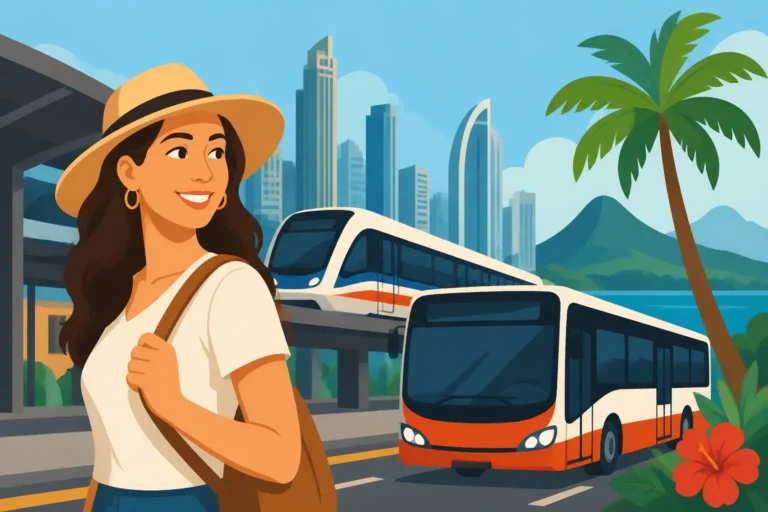
While this guide focuses on driving, it’s worth remembering that Panama offers a range of public transport options, especially in Panama City, which can be a great alternative to driving in heavy traffic. The Panama Metro system is clean, efficient, and connects key areas of the city, offering a welcome respite from gridlock. The Metrobus system covers a wider network, although it can be slower due to surface street traffic. Taxis and ride-sharing apps like Uber and InDriver are also readily available and relatively affordable in urban areas.
Many expats choose a hybrid approach: using their car for longer journeys or errands where public transport isn't convenient, and relying on the Metro or ride-sharing for navigating the city center or going out at night. This can significantly reduce wear and tear on your vehicle, save on gas, and avoid the constant stress of urban driving and parking. Learning The Expat Guide to Public Transport in Panama can help you decide when to leave the car at home and embrace alternative modes of getting around. Ultimately, a balanced approach often leads to a more relaxed and cost-effective experience.
Challenges and Frustrations of Driving as an Expat
Let's be real, driving in Panama isn't always sunshine and smooth roads. As an expat, you're not just dealing with new rules and customs; you're also navigating a bureaucratic system that can sometimes feel like it was designed to test your patience. Acknowledging these challenges is important, not to deter you, but to help you prepare mentally and practically.
Bureaucracy and Patience
The administrative processes involved in getting your license, registering your car, and renewing paperwork can be a true test of endurance. The Autoridad del Tránsito y Transporte Terrestre (ATTT) is notorious for its long lines, sometimes inconsistent information, and processes that can feel unnecessarily complex. Documents might need to be submitted in a specific order, or you might be told to return because one minor detail is missing, even if it wasn't mentioned on a previous visit. You'll likely encounter multiple windows, multiple officials, and multiple stamps.
My best advice? Bring a book, fully charge your phone, and mentally prepare for delays. Go early in the morning when offices first open. Double-check every single document before you go, and then check it again. Bring originals and at least two copies of everything. A calm demeanor and polite persistence, even when facing bureaucratic hurdles, will serve you far better than frustration. Remember, this is just part of the Panama experience, and successfully navigating it is a small victory in itself. If you're managing other aspects of your relocation, such as moving your belongings, remember that services like Sirelo can offer advice on international removals, which sometimes includes vehicle shipping, adding another layer of paperwork.
Language Barriers at the Transit Authority ATTT
Unless you're fluent in Spanish, the language barrier at the ATTT and other government offices can be a significant source of frustration. While some officials might speak a little English, most communication will be in Spanish. Understanding complex instructions, explaining your situation, or asking clarifying questions can become incredibly difficult. This adds another layer of stress to an already challenging process.
If your Spanish isn't strong, consider bringing a trusted bilingual friend or hiring a professional translator to accompany you to the ATTT. Even a basic understanding of common Spanish phrases related to paperwork, driving, and vehicle types can make a big difference. Having a translator ensures you accurately understand all requirements, reduces the chances of misunderstandings that could lead to delays, and empowers you to ask all the questions you need. Don't be afraid to clearly state that you don't understand; most people will try to help, even if it's through gestures or simple words. This is where preparing with key phrases and having your documents meticulously organized truly pays off.
Safety Concerns and Theft Prevention
While Panama is generally safe, driving here, especially in certain areas or at night, comes with its own set of safety concerns. Vehicle theft, while not rampant, does occur, particularly for older or easily-stolen models. Smash-and-grab incidents at traffic lights, though rare, are also a possibility in busy urban areas, where thieves target valuables left visible in parked or stopped cars. Poorly lit roads, especially outside major cities, can conceal hazards like potholes, debris, or even stray animals, increasing the risk of accidents after dark.
To mitigate these risks, always lock your doors and keep windows rolled up, especially in traffic. Avoid leaving valuables visible in your car. When parking, choose well-lit, secure areas. If possible, consider installing an alarm or GPS tracker in your vehicle. At night, stick to main roads and well-populated areas. If you break down in a remote or unfamiliar location, prioritize your safety: call for assistance and remain in your locked vehicle until help arrives. Being aware of your surroundings, practicing defensive driving, and making informed choices about where and when you drive can significantly enhance your safety on Panamanian roads.
Important Documents and Contacts
Being prepared with the right documents and knowing who to call in an emergency is paramount for any driver, but especially for expats in Panama. This quick reference will help you keep everything in order for those inevitable traffic stops or unexpected situations.
Essential Papers to Keep in Your Car
It is absolutely crucial to carry specific documents in your vehicle at all times while driving in Panama. Failure to produce these upon request by a traffic police officer can result in fines and delays. Always keep these accessible, but consider keeping original registration documents in a safe place at home, carrying only certified copies in the vehicle.
Here’s what you should always have on hand:
- Valid Panamanian Driver's License: Your physical license.
- Vehicle Registration (Registro Único Vehicular): A copy of the vehicle’s title, updated to your name. The original should be kept at home.
- Proof of Vehicle Insurance: Your current insurance policy card or certificate.
- Current Revisado (Vehicle Inspection) Certificate: Proof that your car passed its annual inspection.
- Current Placa (License Plate) Decal: The small sticker on your windshield confirming your plate is renewed.
- Passport and Residency Card (Cédula E): Keep copies readily available. While your license is the primary ID for driving, police may ask for your residency status.
Having these documents neatly organized in a folder in your glove compartment or a designated space can make a traffic stop much smoother. Ensure they are up-to-date and valid for 2026 and beyond.
Emergency Contact Numbers
Knowing key emergency contacts can be a lifesaver in any driving incident, from a minor fender bender to a more serious accident or breakdown. Program these numbers into your mobile phone, and perhaps even write them down and keep them in your car's glove compartment, just in case.
- 911: This is the general emergency number for police, ambulance, and fire services throughout Panama. In the event of an accident with injuries, or if you feel unsafe, this is your first call.
- Your Insurance Company's Emergency Hotline: Keep this number readily available. Many insurance providers have 24/7 hotlines for reporting accidents and requesting roadside assistance.
- Your Roadside Assistance Provider: If your insurance doesn't include it, or you have a separate service, keep their number handy.
- Your Lawyer's Contact Information: If you're involved in a significant accident, having access to legal counsel can be invaluable.
- A Trusted Bilingual Friend or Contact: Someone who can help translate if you're in a stressful situation and your Spanish isn't up to par.
Being prepared for the unexpected is part of smart driving in Panama. By having your documents in order and emergency contacts at your fingertips, you can navigate potential challenges with a greater sense of security and confidence.
Disclaimer
The information provided in this guide is for general informational purposes only and is subject to change. While we strive to keep the information up-to-date and accurate for 2026, laws and regulations in Panama, particularly those related to traffic and immigration, can change without prior notice. It is strongly recommended that you consult with the official Panamanian Autoridad del Tránsito y Transporte Terrestre (ATTT), a qualified legal professional, or an expert in Panamanian law for the most current and specific advice tailored to your individual situation. Relying solely on the information presented here without independent verification is at your own risk.