How Do I Find a Fertility Clinic in Panama City?
Deciding to pursue fertility treatment in a new country like Panama can feel like an overwhelming odyssey, especially when you're already grappling with the emotional weight of infertility. The local healthcare system, the language barrier, and the sheer unknown can add layers of stress to an already delicate situation. This guide is here to cut through that noise, offering you a realistic, empathetic roadmap to finding and navigating fertility clinics in Panama City, armed with the information you need to make informed choices.
Understanding Fertility Treatment in Panama City
When you're exploring fertility options in a foreign country, it's vital to first get a grasp on what the local landscape offers. Panama City, as the country's bustling capital and a hub for medical tourism, has developed a modern medical infrastructure, and that extends to reproductive health. You'll find a growing number of specialized clinics that cater to both local and international patients, often equipped with advanced technology and experienced medical teams.
The Landscape of Reproductive Health in Panama
Panama's private healthcare sector, particularly in Panama City, is known for its high standards and accessibility, often surpassing what you might expect in other parts of Latin America. This quality extends to fertility treatments, where several clinics have invested in state-of-the-art laboratories and diagnostic equipment. You'll find facilities that adhere to international medical protocols, which can be a huge relief for expats accustomed to Western medical practices. Many of these clinics employ doctors who have trained abroad, often in the United States or Europe, and are fluent in English, making communication significantly easier than in other medical fields where English speakers can be harder to find.
The focus here is largely on the private sector. While Panama does have a public healthcare system, the Caja de Seguro Social (CSS), it primarily focuses on essential services. Specialized, elective treatments like fertility care are almost exclusively offered through private clinics. This means you'll be paying out of pocket or relying on a robust private health insurance plan, as detailed in our guide on Health Insurance in Panama: Private and International Options Explained. It's a different system from many home countries, and understanding this distinction early on will save you a lot of confusion and potential disappointment.
Common Fertility Treatments Available
Panama City's fertility clinics offer a comprehensive range of treatments, from the relatively simple to the highly complex. This means that no matter where you are on your fertility journey, you're likely to find options. Clinics typically provide initial consultations, diagnostic testing for both male and female partners, and a full spectrum of assisted reproductive technologies (ART). These can include everything from basic ovulation induction and timed intercourse to more advanced procedures.
For many, the journey begins with less invasive treatments like Intrauterine Insemination (IUI), where sperm is directly placed into the uterus. When IUI isn't sufficient, or for more complex cases, In Vitro Fertilization (IVF) is widely available. This involves fertilizing eggs with sperm in a laboratory and then transferring the resulting embryos into the uterus. Many clinics also offer intracytoplasmic sperm injection (ICSI), a specialized form of IVF where a single sperm is injected directly into an egg. Beyond these, you might find services like egg freezing, sperm freezing, embryo freezing, and preimplantation genetic testing (PGT), which screens embryos for genetic abnormalities. Donor egg and sperm programs are also becoming more common, providing options for individuals and couples who require donor assistance.
Step-by-Step Guide to Finding a Reputable Fertility Clinic
Finding the right fertility clinic isn't just about locating one; it's about finding the right one for you. This process requires diligent research, thoughtful questioning, and a clear understanding of the financial implications. As an expat, you'll need to add an extra layer of scrutiny to ensure they are comfortable working with international clients and understand your unique needs.
Researching Clinics and Services
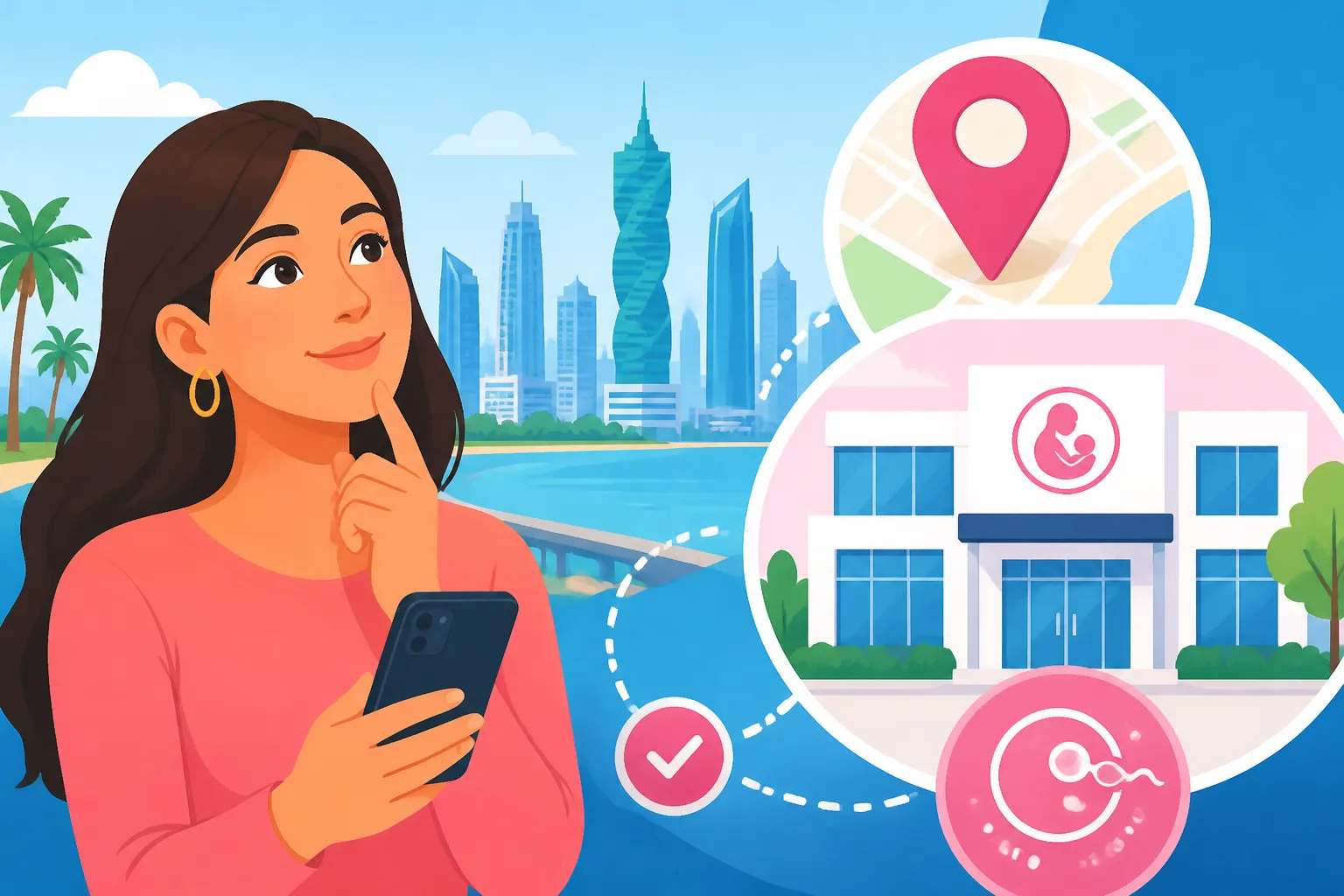
Your journey to finding a fertility clinic in Panama City should start online, but don't stop there. Begin by searching for "clínicas de fertilidad Panamá" or "fertility clinics Panama City." Two well-known clinics that frequently appear in discussions are FIV Panama (Fertility Institute of Panama) and IVI Panama. These are often highlighted for their modern facilities and international accreditations. Visit their websites, which are usually available in both Spanish and English, to get an initial feel for their services, medical team, and success rates. Look for clinics that are transparent about their procedures and pricing.
Beyond website perusal, seek out expat forums and social media groups focused on Panama. Personal recommendations and experiences from fellow expats can be invaluable, offering insights that official websites might not. Ask about the clinic's responsiveness, the staff's English proficiency, and overall patient experience. This anecdotal evidence, combined with your online research, can help you create a shortlist of 2-3 clinics for further investigation. When you're thinking about travelling for initial consultations or procedures, especially if you're coming from another country, it's wise to have your travel insurance in order. While specific fertility treatments aren't typically covered, a robust plan like one from SafetyWing can offer peace of mind for unexpected travel delays or medical emergencies unrelated to your fertility treatment.
Key Questions to Ask During Your Consultation
Once you have your shortlist, schedule initial consultations. Think of these as interviews where you're assessing not just the doctor's expertise, but also the clinic's overall approach and comfort level with international patients. Don't be shy; this is your health and your future. Prepare a list of questions covering various aspects:
- Success Rates: Ask for specific success rates for your age group and diagnosis. Be wary of clinics that promise impossibly high numbers or are unwilling to share detailed data. A reputable clinic will be transparent about their statistics.
- Doctor's Experience: Inquire about the lead doctor's qualifications, where they trained, and their experience with your specific diagnosis or desired treatment.
- Treatment Protocols: Understand the step-by-step process for your recommended treatment. Will they tailor it to your needs, or is it a one-size-fits-all approach?
- Costs and Payment Plans: Get a detailed breakdown of all costs, including consultations, medications, procedures, and any potential additional fees. Ask about payment plans or financing options.
- English Proficiency: Confirm that the medical team and administrative staff have sufficient English proficiency to ensure clear communication throughout your treatment journey. You don't want vital information lost in translation.
- Support Services: What kind of emotional support or counseling do they offer? Do they have connections to local expat support groups?
- Legal and Ethical Considerations: Ask about Panama's specific laws regarding fertility treatments, especially concerning embryo storage, donor anonymity, or specific procedures. This is covered in more detail below.
Remember that a good clinic will welcome your questions and provide clear, reassuring answers. Trust your gut feeling about the team and environment; you'll be spending a lot of time and emotional energy there.
Navigating Costs and Insurance Coverage
The cost of fertility treatment in Panama City can be significantly lower than in the United States or Canada, often by 30-50%, making it an attractive option for many. However, it's still a substantial financial commitment. A typical IVF cycle, for example, can range from $5,000 to $10,000 USD, not including medications, which can add several thousands more. IUI procedures are considerably less, often in the range of $500 to $1,500 per cycle. Diagnostic tests and consultations are usually separate fees.
Here's a breakdown of typical estimated costs (these are ranges and subject to change):
| Service/Procedure | Estimated Cost (USD) | Notes |
|---|---|---|
| Initial Consultation | $100 – $250 | Includes doctor's assessment and initial recommendations. |
| Diagnostic Tests (Female) | $500 – $2,000 | Hormone panels, ultrasounds, hysterosalpingography. |
| Diagnostic Tests (Male) | $200 – $800 | Semen analysis, hormone tests. |
| Intrauterine Insemination (IUI) | $500 – $1,500 per cycle | Does not include medication costs. |
| In Vitro Fertilization (IVF) | $5,000 – $10,000 per cycle | Core procedure, excludes medications, additional services. |
| IVF Medications | $2,000 – $6,000 per cycle | Highly variable depending on protocol and dosage. |
| ICSI (add-on to IVF) | $500 – $1,500 | Intracytoplasmic Sperm Injection. |
| Embryo Freezing | $500 – $1,000 | Plus annual storage fees (approx. $300-$500). |
| Egg Freezing | $4,000 – $8,000 | Plus annual storage fees. |
| Preimplantation Genetic Testing | $2,000 – $5,000 | Cost per embryo or batch of embryos. |
Regarding insurance, this is where it gets tricky. Most local private health insurance plans in Panama do not cover fertility treatments, as they are often classified as "elective" rather than medically necessary. You'll need to check the fine print of your policy very carefully. International health insurance plans are similarly varied; some might offer limited coverage for diagnostics or consultations, but rarely for the full spectrum of ART procedures. Companies like SafetyWing are excellent for general travel and emergency medical needs for digital nomads or long-term travelers, but like most standard insurance policies, comprehensive fertility treatment is typically excluded.
This means you should prepare to cover most, if not all, of these costs out-of-pocket. Always ask for a clear, itemized quote upfront from any clinic. It’s a good idea to discuss payment schedules and options, as some clinics might require upfront payment for entire cycles, while others allow for installments. Being proactive about understanding The Cost of Healthcare in Panama: A Complete Breakdown for Foreigners (2026) and managing your finances is paramount.
Practical Considerations for Expats Seeking Fertility Treatment
Beyond the medical procedures themselves, moving through a fertility journey in a foreign land brings its own set of unique challenges. These include navigating language nuances, understanding the local legal landscape, and finding a supportive community.
Language Barriers and Communication
Even in Panama City, where English is more common than in rural areas, language can still be a hurdle. While many doctors in top-tier fertility clinics might speak excellent English, the administrative staff, nurses, or lab technicians might not be as proficient. This can lead to miscommunications regarding appointment times, medication instructions, or billing details. When dealing with something as sensitive and complex as fertility treatment, clear and precise communication is non-negotiable.
Always confirm the language proficiency of everyone you interact with. Don't hesitate to ask for an English-speaking staff member or even consider bringing a trusted bilingual friend or a professional medical translator to key appointments, especially for initial consultations or critical procedures. Many clinics that cater to international patients will have dedicated staff for this purpose, so ask if this service is provided. Additionally, make sure all important documents, such as consent forms and treatment plans, are provided to you in English or translated clearly. For advice on bridging communication gaps in a broader medical context, our guide on How to Find an English-Speaking Doctor in Panama might offer helpful tips.
Legal and Ethical Frameworks in Panama
Panama's legal and ethical framework for assisted reproductive technologies is generally progressive, but it's crucial to understand the specifics. For instance, procedures like IVF and IUI are legal and widely practiced. Regulations typically focus on ensuring patient consent, the privacy of medical records, and the qualifications of medical professionals. The country does not have a strict religious-based opposition to ART, which provides a relatively open environment for treatment.
However, specific aspects might differ from your home country. For example, while donor anonymity is common, the specifics of donor screening and selection might vary. Surrogacy, while not explicitly illegal, exists in a legal gray area and is generally not overtly facilitated by clinics. It’s always best to discuss these nuances directly with your chosen clinic's legal or patient coordination team. They should be able to provide you with the most up-to-date information on Panamanian law and how it pertains to your specific treatment plan. Understanding How Your Residence Status Affects Health Coverage in Panama is also important, as legal status often intertwines with healthcare access.
Emotional Support and Community Resources
The fertility journey is emotionally taxing under the best of circumstances, let alone when you're an expat far from your familiar support network. It's easy to feel isolated, even in a vibrant city like Panama City. Proactively seeking emotional support is not a luxury; it's a necessity. Look for expat communities and online forums dedicated to Panama. These platforms can connect you with others who have gone through similar experiences and offer invaluable emotional support, shared wisdom, and practical advice. Many larger expat groups might even have subgroups focused on specific interests, including family planning or health issues.
Some fertility clinics may offer in-house counseling services, or they might be able to refer you to English-speaking therapists or support groups in Panama City. Don't underestimate the power of connecting with others who understand what you're going through. Building a local support system, even if it's just a few trusted friends, can make a significant difference in your mental well-being throughout the process. Consider seeking out resources on How to Access Mental Health Services in Panama as an Expat if you find yourself needing professional support.
Remember, you're not alone in this. Panama City offers a robust and caring medical community, and with careful research and preparation, you can find the right fertility clinic to support your family-building dreams.
Disclaimer
The information provided in this guide is for general informational purposes only and does not constitute medical, legal, or financial advice. While we strive to keep the information accurate and up-to-date, healthcare regulations, clinic services, and costs can change. Always consult with qualified medical professionals, legal advisors, and insurance providers in Panama for advice tailored to your specific situation.