How to File Taxes If You Have Both Foreign and Panama-Source Income
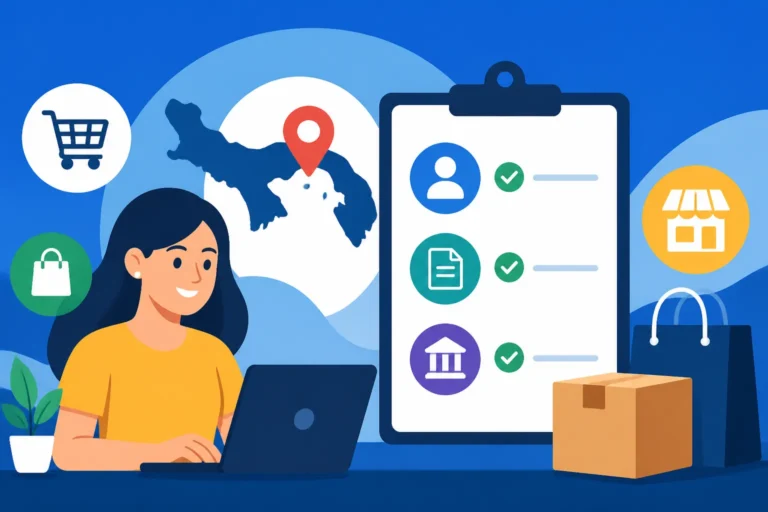
The confusing world of taxes can be a real headache anywhere, but throw in the complexities of being an expat in a new country like Panama, juggling income from both here and abroad, and it can feel downright overwhelming. This guide is here to untangle that knot for you, explaining precisely how to navigate the Panamanian tax system when your earnings come from a mix of local sources and your home country.
The Cornerstone: Panama's Territorial Tax System
One of the biggest draws for expats to Panama, beyond the incredible natural beauty and vibrant culture, is its very appealing tax system. But let's be honest, "territorial tax" sounds fancy and complicated, and figuring out what it actually means for your wallet is where the real stress kicks in.
What "Territorial Tax" Really Means for Expats
Alright, let's cut through the jargon. Panama operates on what's called a territorial tax system. In simple terms, this means that the Panamanian government only taxes income that is generated within the geographical borders of Panama. That's it. If your money originates outside of Panama, the DGI (Dirección General de Ingresos), which is Panama's tax authority, generally doesn't care about it. This is a monumental difference from countries like the United States, which taxes its citizens on worldwide income regardless of where they live.
So, if you're earning a salary from a Panamanian company, running a business that operates here, or collecting rent from a property you own in Panama, that's Panama-source income. It's fair game for Panamanian taxes. But if your income comes from, say, a pension in Canada, a remote job for a company based in Europe, or investments held in a brokerage account in the U.S., Panama typically considers that foreign-source income. And that, my friends, is usually free from Panamanian income tax. It's a huge relief for many expats and why so many choose to make Panama their home. You can dive deeper into this topic by reading our detailed guide on Understanding Why Foreign Income Is Not Taxed in Panama (2026).
Distinguishing Panama-Source from Foreign-Source Income
This is where things can get a little nuanced, and it’s crucial to get it right. The distinction isn't always as black and white as you might hope, especially in today's increasingly globalized, remote-work-friendly world.
Let's break down some common examples:
-
Clearly Panama-Source Income:
- Salary from a Panamanian Employer: If you work for a company registered and operating in Panama, your paycheck is Panamanian-source income. Your employer will likely withhold taxes directly from your pay.
- Rental Income from Panamanian Property: Rent collected from a house, apartment, or commercial space located in Panama is unequivocally Panamanian-source.
- Profits from a Business Operating in Panama: If you own a shop, a restaurant, a consulting firm, or any other business that generates revenue from customers or clients within Panama, those profits are Panama-source.
- Capital Gains from Panamanian Assets: Selling a property in Panama or shares in a Panamanian company will typically generate Panama-source capital gains, subject to local tax.
-
Clearly Foreign-Source Income (Generally Not Taxed by Panama):
- Foreign Pensions or Social Security: Your retirement benefits from your home country, like a UK pension or US Social Security, are considered foreign-source.
- Remote Work for Foreign Companies: This is a big one for many modern expats. If you're physically sitting in your apartment in Panama City, but you're working remotely for a company based in, say, Germany, and that company pays you into an overseas bank account, that income is generally considered foreign-source. The key here is where the economic activity is sourced, not necessarily where you are physically located when you perform the work. If your employer has no physical presence or economic activity in Panama related to your employment, it's typically foreign.
- Dividends and Interest from Foreign Investments: Returns from your stock portfolio, mutual funds, or bank accounts held outside of Panama are foreign-source.
- Rental Income from Foreign Property: If you own a rental property back in your home country or anywhere else outside Panama, that income is foreign-source.
The grey areas often arise with remote workers or consultants. If you're a consultant based in Panama, offering services primarily to clients outside Panama, and your contracts are with foreign entities, and the payment comes from abroad, it's usually considered foreign-source. However, if you start advertising your services within Panama, acquire Panamanian clients, or set up a local office, then portions of your income could become Panama-source. It's a delicate balance and one that often benefits from professional advice to ensure you're on the right side of the law. For a deeper understanding of Panama's overarching tax principles, our guide Understanding the Territorial Tax System for Expats in Panama provides invaluable context.
Navigating the DGI: Your First Steps for Tax Compliance
Stepping into a new country's bureaucratic landscape is always a bit like trying to solve a Rubik's Cube blindfolded. Panama's DGI, while increasingly modern, still has its quirks. Your first port of call, and arguably the most crucial, is securing your RUC and getting set up with their online portal.
The Mandatory RUC: Your Taxpayer ID
Think of the RUC (Registro Único de Contribuyente) as your unique tax identifier in Panama. It's like your Social Security number or national insurance number, but specifically for tax purposes. If you plan to earn any Panama-source income, whether through employment, a business, or even just rental property, you must have an RUC. Without it, you can't legally participate in the Panamanian tax system.
Getting your RUC isn't terribly difficult, but it does involve a trip to the DGI offices or working through a registered agent. You'll typically need your passport, your Panamanian residency card (cedula), and possibly utility bills or a rental contract to prove your address. The DGI uses this number to track your tax obligations and payments, so it’s not something you can skip. Even if you're primarily earning foreign income but have one small stream of local earnings, you'll need this number. If you're looking for a detailed, step-by-step guide on how to acquire this essential identifier, check out our post How to Get an RUC (Tax ID) as a Foreigner in Panama.
Registering with the DGI Online Portal
Once you have your RUC, the next step is getting access to the DGI's online portal, known as e-Tax 2.0. This is where the magic (or sometimes, the frustrating wizardry) happens. This portal is your gateway to filing declarations, checking your tax status, and making payments.
The registration process can be a bit clunky, and if your Spanish isn't fluent, it can feel like navigating a maze blindfolded. You'll usually need to create an account, link it to your RUC, and then often activate it with a code or in-person verification at the DGI. It’s not uncommon to encounter technical glitches or find certain functions less intuitive than you'd expect from modern online services. This is a perfect example of where a little local help goes a long way. This initial setup is vital, as virtually all tax filings are done electronically now. Many expats find great relief in delegating this initial administrative burden. For instance, specialized services like Taxes for Expats can handle this entire registration process for you, ensuring your RUC is properly linked to your online profile, saving you hours of potential frustration and ensuring everything is set up correctly from day one. You can also explore How Do I Register with the DGI in Panama? for more detailed instructions.
Decoding Income Tax on Your Panamanian Income
Now we get to the core of it: how much tax you'll actually pay on that Panama-source income. It's not a flat rate, but a progressive system, which means the more you earn, the higher percentage you'll pay.
Understanding the Progressive Tax Brackets
Panama's income tax for individuals is structured in a progressive manner, much like many other countries. This means there are different tax rates that apply to different income brackets. The goal is to ensure that those who earn more contribute a larger share to the public coffers.
For the tax year 2026 (and generally for recent years), the individual income tax brackets in Panama typically look something like this, though it's always wise to confirm the exact figures with the DGI or a local accountant as they can be adjusted:
| Annual Taxable Income (USD) | Tax Rate | Calculation |
|---|---|---|
| Up to $11,000 | 0% | No tax |
| $11,001 – $50,000 | 15% | 15% on the amount over $11,000 |
| Over $50,000 | 25% | $5,850 + 25% on the amount over $50,000 |
Let's walk through a couple of examples to make this clearer:
-
Scenario 1: Modest Income
- An expat earns a taxable income of $25,000 per year from their job at a local marketing agency in Panama City.
- The first $11,000 is tax-free.
- The remaining $14,000 ($25,000 – $11,000) falls into the 15% bracket.
- Tax owed: $14,000 * 0.15 = $2,100.
-
Scenario 2: Higher Income
- An expat earns a taxable income of $70,000 per year from their Panamanian-based tech startup.
- The first $11,000 is tax-free.
- The income between $11,001 and $50,000 is taxed at 15%. This portion is ($50,000 – $11,000) = $39,000.
- Tax on this portion: $39,000 * 0.15 = $5,850.
- The income above $50,000 is taxed at 25%. This portion is ($70,000 – $50,000) = $20,000.
- Tax on this portion: $20,000 * 0.25 = $5,000.
- Total tax owed: $5,850 (from the first bracket) + $5,000 (from the second bracket) = $10,850.
It's a progressive system, so you only pay the higher rate on the portion of your income that falls into that bracket, not your entire income. This is a common misunderstanding. For a more exhaustive explanation of the different rates, you can refer to Understanding Income Tax in Panama (2027) or our guide Understanding the Progressive Income Tax Brackets in Panama. And if you want to quickly estimate your potential tax liability, check out How Much Income Tax Will I Pay in Panama in 2026?.
Allowable Deductions and Exemptions for Individuals
Even within the taxed portion of your income, Panama offers certain deductions and exemptions that can reduce your overall taxable income, and thus, your tax bill. Knowing these can save you a pretty penny!
Here are some of the key deductions available to individuals in Panama:
- Personal Exemption: Every individual taxpayer typically receives a basic personal exemption, which is essentially a chunk of income that's not subject to tax. This is often factored into the "up to $11,000 is tax-free" bracket mentioned above, but it's important to understand its role.
- Educational Expenses: You might be able to deduct certain educational expenses, particularly those for dependents studying in Panama. This is a fantastic benefit for expat families who are paying for local schooling. Keep meticulous records of tuition fees, school supplies, and other related costs.
- Medical Expenses: In some cases, and with proper documentation, certain medical expenses for yourself and your dependents can be deducted. This usually covers significant, non-reimbursed costs. Again, receipts are key here.
- Mortgage Interest: If you've bought a home in Panama and are paying a mortgage, the interest on that loan for your primary residence is usually deductible, up to a certain annual limit. This is a substantial deduction for homeowners.
- Donations: Approved donations to certain non-profit organizations or charities in Panama can also be deductible.
It's critical to remember that for any deduction, you need to have proper documentation – receipts, invoices, bank statements – to back up your claims. The DGI can and does audit, so being prepared is essential. Don't be shy about collecting and organizing those papers!
Self-Employed vs. Employed Income in Panama
The way your Panama-source income is taxed depends heavily on whether you're an employee or running your own show.
-
If you are employed by a Panamanian company:
- Your employer is responsible for withholding income tax (ISR – Impuesto Sobre la Renta) directly from your salary and remitting it to the DGI. This is often called "pay-as-you-earn" or "tax at source."
- They'll also typically handle your contributions to the Caja de Seguro Social (CSS), Panama's social security system, which covers health and pension benefits.
- At the end of the year, your employer will provide you with an income statement (similar to a W-2 or P60), which you'll use to file your annual tax declaration. Even if taxes have been withheld, you still need to file to ensure everything is correct and claim any eligible deductions.
-
If you are self-employed or run your own business in Panama:
- You are entirely responsible for calculating and paying your own income tax.
- This typically involves making quarterly estimated tax payments to the DGI throughout the year. These payments are based on your projected income. This system helps prevent a massive tax bill at year-end. If you fail to make these payments, you could face penalties.
- You'll also need to consider your contributions to the CSS as a self-employed individual, which isn't automatically handled by an employer.
- Your annual tax declaration will be more comprehensive, detailing your business income, expenses, and profit, before applying the personal income tax brackets.
- For a deep dive into the specifics of tax obligations for independent contractors and business owners, our guide How to Pay Tax as a Self-Employed Person in Panama will walk you through the entire process.
The "No Tax" Zone: Managing Your Foreign Income
Okay, let's talk about the golden ticket of Panama's tax system: foreign-source income. This is often the primary reason many expats choose Panama, and understanding how to manage it, even when it's not taxed, is crucial for your financial peace of mind.
Why Panama Doesn't Tax Your Overseas Earnings
As we discussed earlier, Panama operates on a territorial tax system. This means that income derived from activities or assets outside Panamanian territory is generally not subject to Panamanian income tax. This isn't a loophole; it's a fundamental principle of the country's tax code.
Let's reiterate some scenarios where this applies:
- Remote Work for an Overseas Employer: You're a graphic designer living in Boquete, but your clients are all in the US or Europe, and you receive payments into your bank account back home (or even into a local Panamanian account, as long as the source of the income is genuinely foreign). Panama doesn't tax this.
- Foreign Pensions: Your monthly pension from your home country, whether it's a government pension, a private company pension, or social security benefits, is considered foreign-source. Panama doesn't tax it.
- Investments Abroad: Dividends from your stock portfolio in New York, interest from a savings account in Switzerland, or rental income from a property in Spain—these are all foreign-source and not taxed by Panama.
The key here is the source of the income. If the economic activity that generates the income occurs outside of Panama, then Panama generally won't levy an income tax on it. This principle is a cornerstone of Panama's appeal as a retirement and expat destination. However, it's absolutely vital to remember that while Panama won't tax this income, your country of citizenship might. For example, US citizens are taxed on their worldwide income, no matter where they live. So, while Panama gives you a pass, Uncle Sam might still be knocking. This is where understanding any Double Taxation Agreements (DTAs) between Panama and your home country, or simply your home country's own tax laws for expats, becomes incredibly important.
Maintaining Clear Financial Separation for Clarity
Even though Panama doesn't tax your foreign-source income, it's a really smart move to keep your financial affairs organized and transparent. This isn't about avoiding taxes (because you're not paying them here anyway), but about clarity and peace of mind.
Here’s why maintaining clear financial separation is a good idea:
- Demonstrating Income Source: In the unlikely event that the DGI ever questions the source of your funds, having a clear paper trail makes it easy to demonstrate that the income originated outside of Panama. If all your foreign and local income is mixed into one pot, it can become a bureaucratic nightmare to sort out.
- Simplified Accounting: For your own sanity, keeping separate accounts for Panamanian-source income and foreign-source income (ideally, keeping the foreign-source in an offshore or home-country account) simplifies your personal accounting and makes tax filing for your Panama-source income much more straightforward.
- Compliance with Home Country Laws: If your home country does tax your worldwide income (like the U.S.), having clear separation helps you easily report your foreign earnings to them without confusion with your Panamanian earnings.
A practical tip for this is to use reliable international money transfer services if you need to bring funds from your foreign accounts into Panama. Services like Wise (formerly TransferWise) are excellent for this. They offer competitive exchange rates and transparent fees, and more importantly, they provide clear transaction records, which can be useful for your personal financial management and for demonstrating the foreign origin of funds if ever required. Using such services helps you avoid co-mingling funds haphazardly and keeps your financial footprint clear and auditable, should you ever need it. You can learn more about the specifics of the territorial system in Understanding the Territorial Tax System for Expats in Panama.
Your Annual Rendezvous with the DGI: Filing Your Tax Return
Even with a territorial tax system and potentially untaxed foreign income, if you have any Panama-source income, you'll still need to interact with the DGI annually. This means filing a tax return. It's not as scary as it sounds, especially once you get the hang of it, but it does require attention to detail and adherence to deadlines.
When and How to File Your Annual Declaration
The most critical deadline for individual income tax returns in Panama is March 15th of the year following the tax year. So, for income earned in 2025, your return would be due by March 15th, 2026. If March 15th falls on a weekend or public holiday, the deadline usually shifts to the next business day. It's a hard deadline, and missing it can result in penalties and interest.
The filing process is almost entirely electronic now, through the DGI's e-Tax 2.0 online portal. Here’s a general overview of how it works:
- Access the Portal: Log in to your e-Tax 2.0 account using your RUC and password.
- Select the Correct Form: For individuals, you'll typically be looking for Formulario 03 (Declaración Jurada de Renta Persona Natural). Ensure you select the correct tax year.
- Input Income Details: You'll input all your Panama-source income. If you're employed, your employer will have provided you with a Declaración de Renta or similar income statement. For self-employed individuals, this is where you input your total gross income and itemize your allowable business expenses.
- Claim Deductions: This is where you enter any eligible deductions, such as educational expenses, medical expenses, or mortgage interest. You'll need to have scanned copies of your receipts or details readily available.
- Review and Submit: Carefully review all the information you’ve entered. The system will calculate your tax liability or refund. Once everything looks correct, you submit the declaration. You'll usually receive an electronic confirmation of your submission.
- Payment (if applicable): If you owe additional tax, you'll need to make the payment through the DGI portal or authorized banks.
While the system is online, it can still be confusing, especially the first time. The DGI sometimes offers small tutorials or help sections, but they are often in Spanish. Many expats find it reassuring to use a local Panamanian accountant, especially for their first few filings, to ensure everything is correctly attributed. Our comprehensive guide How to File Your Annual Tax Return in Panama offers a step-by-step walkthrough, and for a broader understanding of the overall filing process, check out Filing Your Tax Return with the DGI in Panama: The Complete Walkthrough (2027).
Documents You'll Need to Prepare
Preparation is half the battle when it comes to taxes. Gather all your necessary documents before you sit down to file to save yourself a lot of scrambling.
Here's a list of essential documents you'll want to have on hand for your Panamanian tax return, especially if you have mixed income:
- Your Cedula (Residency ID) and RUC (Tax ID): These are your primary identifiers.
- Income Statements:
- From Panamanian Employer: If you work for a local company, they will provide a statement detailing your annual earnings and taxes withheld.
- For Self-Employed: Your own meticulous records of invoices issued, payments received for Panama-source services, and a detailed ledger of all business expenses related to your Panamanian income.
- Receipts for Deductions:
- Original receipts, invoices, or statements for eligible educational expenses, medical bills, and mortgage interest payments. Ensure these documents include your RUC where required.
- Bank Statements: While foreign-source income isn't taxed, having clear bank statements for your Panamanian accounts helps verify your declared income and expenses, and if you're bringing in foreign funds, it helps prove their origin.
- Proof of Foreign Income (for your records): Although not submitted to the DGI, it's wise to keep records of your foreign pensions, remote work salary from overseas, or investment income. This is purely for your own auditing purposes, especially if your home country taxes worldwide income, or if questions ever arise about the source of funds in your Panamanian bank accounts.
A crucial tip for expats: Get into the habit of keeping everything. Create digital folders, scan receipts, and categorize your expenses. A little organizational effort throughout the year will save you immense headaches come tax season.
Professional Assistance: When to Call in the Experts
Let's be real: tax systems are designed by lawyers and accountants, not by normal people. Trying to navigate Panamanian tax law, especially with the added layer of foreign and local income, can feel like you’re doing advanced calculus in a language you only partially understand. This is precisely when professional assistance isn't a luxury, it's a necessity.
Here's why you should seriously consider consulting a Panamanian tax accountant:
- Understanding Nuances: An experienced local accountant will understand the subtle interpretations of the territorial tax system, especially concerning complex situations like remote work or international consulting. They can help you correctly classify your income sources, ensuring you don't accidentally pay tax on untaxed foreign income or miss a deduction on your local earnings.
- Ensuring Compliance: Tax laws change, forms get updated, and the DGI portal evolves. An accountant stays current with all these changes, ensuring your filings are always compliant and accurate, minimizing the risk of penalties.
- Maximizing Deductions: They know all the ins and outs of allowable deductions and can help you identify legitimate ways to reduce your taxable income that you might have overlooked. They might even know about specific regional or industry-specific incentives.
- Language and Bureaucracy: Navigating government websites and communicating with tax authorities in Spanish can be daunting. An accountant acts as your intermediary, handling all communication and paperwork efficiently.
- Peace of Mind: The biggest benefit, honestly, is peace of mind. Knowing that a professional is handling your taxes correctly allows you to focus on enjoying your life in Panama, rather than stressing over tax forms.
For expats, finding a firm that understands both Panamanian tax law and the tax implications in your home country is invaluable. Companies like Taxes for Expats specialize in cross-border tax issues and can connect you with local Panamanian experts who are familiar with the specific challenges faced by foreigners. They can help you manage the complexities of having income from multiple sources and ensure you're compliant in both Panama and your country of origin. This kind of specialized advice is worth every penny to avoid costly mistakes.
Navigating Complexities: Other Tax Considerations
Beyond just income tax, living in Panama with mixed income streams can bring up other tax-related questions. It's not just about what you earn, but also how you manage that income and your financial dealings with the rest of the world.
Double Taxation Agreements and Their Relevance
Double Taxation Agreements (DTAs), also known as tax treaties, are agreements between two countries to prevent the same income from being taxed twice. In theory, they're brilliant! In practice for Panama, their relevance with respect to foreign-source income for Panamanian tax purposes is often less direct.
Here’s why: because Panama uses a territorial tax system and generally doesn't tax foreign-source income, the DTA is less about Panama not taxing your foreign income (because it wouldn't anyway) and more about how your home country treats that income when it's earned while you're resident in Panama.
For example, if you're a US citizen living in Panama, the US still taxes your worldwide income. There is no DTA between Panama and the US. However, the US does offer mechanisms like the Foreign Earned Income Exclusion (FEIE) or foreign tax credits, which can reduce or eliminate your US tax liability on income earned abroad. These are US tax provisions, not Panamanian ones, but they are vital for managing your overall tax burden.
Panama does have a limited number of DTAs with countries like Mexico, Spain, and South Korea, among others. These treaties typically cover specific types of income and ensure that if a particular income could be taxed in both countries, there's a mechanism to prevent you from paying full tax twice. However, for most expats, the core principle remains: if it's truly foreign-source income, Panama isn't taxing it, so a DTA doesn't typically prevent Panamanian tax in that scenario. Your primary concern with DTAs (or lack thereof) will usually be how your home country views your Panamanian-source income, or any global income you have, while you reside here. Understanding these agreements is a key part of your overall tax strategy, and you can explore more details in Understanding Double Taxation Agreements and Foreign Income in Panama.
ITBMS (VAT) for Self-Employed with Mixed Income
If you're self-employed in Panama and provide services or sell goods, you'll inevitably encounter ITBMS (Impuesto a la Transferencia de Bienes Muebles y Servicios), which is Panama's equivalent of Value Added Tax (VAT) or Goods and Services Tax (GST).
The standard ITBMS rate in Panama is 7%. It applies to the transfer of tangible personal property and the rendering of services within Panamanian territory. This means if you're a freelance consultant providing services to clients in Panama, you'll generally need to charge ITBMS if your annual gross income exceeds a certain threshold (currently $36,000 for service providers).
However, here’s a common point of confusion for freelancers with mixed income:
- Services to Foreign Clients: If you are physically in Panama, but you are rendering services to clients outside of Panama, and the benefit of those services is consumed outside of Panama, those services are generally considered export services and are usually exempt from ITBMS. This is a huge advantage for remote workers and digital nomads whose client base is predominantly international.
- Goods Sold Abroad: Similarly, if you're selling digital or physical products to customers outside Panama, those would also be treated as exports and typically exempt from ITBMS.
This distinction is incredibly important for self-employed expats. You don't want to mistakenly charge ITBMS to your foreign clients if you don't have to, nor do you want to fail to charge it to your local clients if you should. Proper record-keeping for the location of your clients and the consumption of your services is essential. You’ll need to register for ITBMS with the DGI if you meet the threshold and will be providing local services. For an in-depth look at this tax, see The Complete Guide to ITBMS (VAT) in Panama for Businesses (2027).
Reporting Foreign Bank Accounts: FATCA/CRS
While Panama doesn't tax your foreign-source income, the global financial landscape has become much more interconnected. This means that information about your foreign bank accounts might still be shared.
- FATCA (Foreign Account Tax Compliance Act): This is a US law that requires foreign financial institutions to report information about financial accounts held by US persons to the US Department of the Treasury or face a 30% withholding tax on certain US-source payments. Panamanian banks comply with FATCA. So, if you're a US citizen with accounts in Panama, your Panamanian bank will likely report your details to the IRS.
- CRS (Common Reporting Standard): This is an OECD (Organisation for Economic Co-operation and Development) standard for the automatic exchange of financial account information between participating countries. Panama is a signatory to CRS. This means that if you, as a resident of Panama, hold bank accounts or investments in other CRS-participating countries (which is most of the developed world), those countries' financial institutions will report your account information to Panama's DGI. The DGI, in turn, may share information about accounts held by foreign residents in Panama with their respective tax authorities.
What does this mean for you, the expat with mixed income?
It means transparency. While Panama might not tax your foreign income, the DGI will likely be aware of your foreign accounts through these international agreements. This is primarily for global tax transparency and combating tax evasion, not necessarily for Panama to then tax that income. However, it underscores the importance of being truthful and organized in your financial declarations, both in Panama and in your home country. Never assume your foreign assets are invisible.
Disclaimer
The information provided in this guide is intended for general informational purposes only and does not constitute professional tax, financial, or legal advice. Tax laws and regulations in Panama, as well as international tax agreements, are complex and subject to change. It is essential to consult with a qualified Panamanian tax advisor or legal professional for advice tailored to your specific circumstances before making any tax-related decisions. The author and publisher are not responsible for any actions taken based on the information presented herein.