The Complete Guide to Permanent Residency in Panama (2027)
Moving to Panama, many of us start with tourist visas or temporary permits, enjoying the sun and the vibrant culture. But soon enough, that nagging feeling starts: "What next?" The endless visa runs, the uncertainty, the feeling of being in limbo – it’s a common expat frustration. This comprehensive guide is here to cut through the confusion and walk you through every step of securing permanent residency in Panama, offering the stability and peace of mind you've been looking for.
Understanding Permanent Residency in Panama
When you first arrive in Panama, whether as a tourist or on a temporary visa, everything feels new and exciting. But after a while, you start craving something more concrete, something that truly roots you here. That’s where permanent residency comes in, and believe me, it’s a game-changer for your life in this beautiful country. It's not just a piece of paper; it's the key to a more settled and integrated life.
What Exactly Is Permanent Residency?
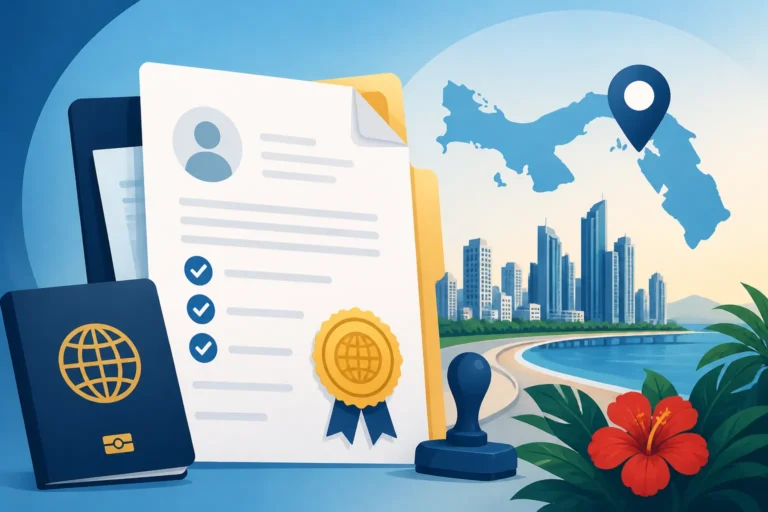
In simple terms, permanent residency in Panama grants you the legal right to live indefinitely in the country, akin to having a green card in the U.S. or permanent resident status in other nations. It means you no longer have to worry about the expiration dates of temporary visas, leaving the country for "visa runs" every few months, or the anxiety of renewing short-term permits. This status gives you a profound sense of belonging and allows you to plan your future here without constant immigration concerns. You'll obtain a Panamanian Cedula (identity card) which simplifies daily life considerably, from banking to accessing government services. It’s about building a life, not just visiting one.
This legal status comes with a distinct identification card, the cédula E (or cédula de extranjero), which becomes your primary form of ID in Panama. With this in hand, many of the little bureaucratic hurdles that expats often face become much smoother. For example, opening a bank account, signing long-term contracts for utilities, or even just getting discounts at local stores that offer them for residents, all become significantly easier. It truly transforms your experience from being a long-term visitor to being a full-fledged member of the community.
Temporary vs. Permanent Residency: The Key Differences
The journey for many expats often starts with some form of temporary residency. This could be a work visa, a student visa, or even an initial provisional residency under certain programs. The crucial difference is in their duration and the rights they afford. Temporary residency is, as the name suggests, time-bound. It requires regular renewals, often every year or two, and typically comes with specific conditions, like being tied to an employer or a study program. If those conditions change or expire, so does your temporary status, plunging you back into the immigration maze.
Permanent residency, however, offers a level of stability and freedom that temporary statuses simply cannot match. Once granted, it generally doesn't expire unless certain conditions are violated (like extended absences from the country, which we'll discuss later). With permanent residency, you gain broader rights, including the ability to work for any employer (or be self-employed) without needing a new work permit for each job, and often easier access to public services. Think of it as moving from renting a long-term apartment to owning your own home—it's a deeper commitment and comes with greater security and flexibility. For a deeper dive into the initial steps, you might find our guide on how to move to Panama legally from abroad helpful.
Why Expats Seek Permanent Residency in Panama
There are myriad reasons why expats ultimately decide to pursue permanent residency in Panama. For many, it's about the security and peace of mind it offers. Living indefinitely without the Sword of Damocles of an expiring visa hanging over your head is incredibly liberating. It means you can truly settle down, buy property, invest in local businesses, and build a community without the underlying fear of being forced to leave. This stability also extends to family planning; it makes it easier to bring family members to Panama and ensures their status is also secure.
Beyond peace of mind, permanent residency opens doors. It often simplifies financial transactions, allows for more straightforward access to loans and credit, and makes interactions with government agencies less complicated. For those who want to work or run a business, it removes many of the restrictions associated with temporary work permits. It also marks a significant step towards eventual naturalization and acquiring Panamanian citizenship, if that's a long-term goal for you. Essentially, it transforms your life from that of a visitor on an extended stay to a truly integrated member of Panamanian society, capable of enjoying all the benefits that come with it.
Eligibility Pathways to Permanent Residency
Panama has several pathways to permanent residency, each designed to attract different types of individuals. It's not a one-size-fits-all situation, and understanding which category you fit into is the first crucial step. The trick is to find the one that best suits your circumstances, as requirements and processing times can vary significantly. Many expats feel overwhelmed by the options, but with a clear understanding, it becomes much more manageable.
Friendly Nations Visa Pathway
The Friendly Nations Visa has long been one of the most popular routes for citizens from certain countries to obtain permanent residency in Panama. While the requirements have seen some adjustments over the years, it still remains a viable and attractive option for many. Historically, it required applicants to demonstrate economic solvency and intent to establish a business or work professionally in Panama. The updated regulations often focus more on the economic activity, emphasizing a connection to the Panamanian economy through employment or a registered Panamanian corporation.
For those eligible, this pathway offers a relatively streamlined route compared to others. You'll typically need to prove economic ties, which could mean having an employment contract with a Panamanian company or establishing a Panamanian corporation and demonstrating its economic activity. It's not enough to just open a company; you need to show it's active. This might involve paying local taxes, having a business license, and perhaps even employing Panamanian citizens. This visa is perfect for professionals and entrepreneurs looking to integrate fully into the Panamanian economy. If you're considering this path, it's vital to stay updated on the latest immigration decrees, as regulations can shift. For those planning a big move, services like Sirelo can help coordinate your relocation while you sort out your visa.
Pensionado Visa for Retirees
Panama's Pensionado (or Retiree) Visa is renowned worldwide as one of the most attractive retirement programs available. It's specifically designed for individuals who are retired and can demonstrate a guaranteed lifetime income, typically from a pension or annuity. The primary appeal of this visa lies in its simplicity and the generous benefits it offers, which include discounts on a wide range of goods and services, from hotels and restaurants to medical expenses and flights. It's an excellent option for those seeking a tranquil and affordable retirement in a tropical climate.
To qualify for the Pensionado Visa, applicants generally need to prove a minimum monthly pension income of at least $1,000 USD (or $750 if purchasing a property over $100,000 USD). This income must be guaranteed for life and verifiable through official documentation from a government agency or a private company. Unlike many other visas, there's no age requirement, so if you're receiving a pension at a younger age, you could still qualify. The process is relatively straightforward, and once approved, it grants you permanent residency. This visa is a clear indication of Panama's welcome to foreign retirees, recognizing their contributions to the local economy and culture. Discover more about the specific benefits and application process in our detailed guide to the Pensionado (Retiree) Visa in Panama.
Qualified Investor Programs (Golden Visa)
For those with significant capital, Panama offers "Qualified Investor Programs," often referred to as Golden Visas. These pathways are designed to attract foreign investment into the country, boosting various sectors of the economy. They provide a direct route to permanent residency in exchange for substantial financial commitments in areas like real estate, Panamanian securities, or fixed-term deposits in local banks. This is a fast-track option for individuals or families looking for quick and secure residency based on their investment capacity.
The most common Qualified Investor Program involves a real estate investment, where applicants typically purchase property above a certain threshold, which has been $300,000 USD in recent years, though this can sometimes be temporarily reduced. Other options include investing in Panamanian stock market securities or making a fixed-term deposit in a Panamanian bank. The key advantage here is the speed and predictability of the process compared to other pathways. While the investment amount is significant, it provides a solid foundation for residency, and your investment remains yours. It’s an ideal choice for high-net-worth individuals seeking efficient immigration solutions. Understanding how to get residency through the Qualified Investor (Golden Visa) Programme in Panama will give you more specific details.
Other Pathways: Marriage, Employment, and Self-Economic Solvency
Beyond the most popular routes, Panama offers several other pathways to permanent residency, catering to a wider range of circumstances. These include:
-
Marriage to a Panamanian Citizen: If you marry a Panamanian citizen, you can apply for permanent residency based on your marital union. This is a common route, but immigration authorities are stringent in verifying the authenticity of the marriage to prevent fraud. You'll need to provide extensive documentation, including marriage certificates, birth certificates, and sometimes even proof of cohabitation and shared life. This pathway can lead to citizenship relatively quickly compared to other routes.
-
Employment-Based Residency: For those who have been legally working in Panama under a temporary work permit for a specified period (often two years or more), there are pathways to transition to permanent residency. This typically requires a sponsoring employer and proof of continued employment. The specific requirements can vary depending on the type of work permit you initially held and your profession. Understanding the rules and restrictions for foreign workers in Panama is crucial here.
-
Self-Economic Solvency: This category is for individuals who can prove sufficient financial means to support themselves and their dependents without needing to work in Panama. It often involves demonstrating a substantial passive income or maintaining a significant fixed-term deposit in a Panamanian bank. This is distinct from the Pensionado Visa as it doesn't require a pension, but rather a robust personal financial portfolio. It provides flexibility for those with independent wealth who simply want to reside in Panama without specific investment or employment requirements.
Each of these pathways has its own specific set of documentation and criteria, and often, the assistance of a knowledgeable immigration lawyer is indispensable to navigate the nuances and ensure your application is successful.
The Application Process: Step-by-Step
Navigating the Panamanian immigration system can feel like trying to solve a Rubik's Cube blindfolded. The process, while generally well-defined, requires precision, patience, and often, a good dose of local insight. It's not something you want to rush or get wrong, as even minor errors can lead to frustrating delays. This step-by-step breakdown aims to demystify the journey to permanent residency.
Engaging an Immigration Lawyer
This is, without a doubt, the most critical first step. While technically you can navigate some parts of the immigration process yourself, for something as significant as permanent residency, having a reputable Panamanian immigration lawyer is virtually non-negotiable. They understand the intricacies of Panamanian law, the specific documentation required, the correct procedures, and crucially, they speak the language of the immigration officials. Many expats, myself included, have learned the hard way that trying to save a few dollars by doing it alone often ends up costing far more in time, stress, and potential rejections.
A good lawyer will assess your individual situation, advise you on the best pathway, help you gather and prepare all necessary documents, submit your application, and represent you throughout the entire process. They act as your liaison with the National Immigration Service (Servicio Nacional de Migración) and can anticipate potential issues before they become major problems. It's worth investing in someone experienced and trustworthy to ensure a smooth journey. You can find more insights on why you need a Panamanian lawyer for residency in our comprehensive guide.
Gathering and Authenticating Documents
Once you've engaged your lawyer, the real work begins: compiling your dossier of documents. This is usually the most time-consuming part, and it requires meticulous attention to detail. You'll need personal documents like your passport, birth certificate, and marriage certificate (if applicable). Crucially, many documents issued outside Panama will need to be apostilled by the issuing country and then often translated into Spanish by a certified public translator in Panama. This is where many people hit snags – don't underestimate the time this apostille process can take, especially if you're dealing with multiple documents from different countries.
In addition to personal documents, you'll need financial proofs relevant to your chosen residency pathway. For the Pensionado Visa, this means a letter from your pension provider; for the Friendly Nations Visa, it might be an employment contract or business registration. You'll also need a criminal background check from your home country (and any country you've lived in for the past five years), a health certificate from a Panamanian doctor, and various declarations signed by your lawyer. Remember, everything needs to be current, often within 3-6 months of your application submission. It's a daunting pile, but your lawyer will provide a precise checklist.
Submitting Your Application and Initial Interview
With all your documents meticulously gathered, apostilled, translated, and reviewed by your lawyer, the application can finally be submitted to the National Immigration Service in Panama City. Your lawyer will accompany you for this step, as they will formally present your file. At this point, you'll likely have your fingerprints taken and a photo captured for your temporary residency card. This initial visit is usually straightforward if everything is in order.
Following the submission, there might be an interview, depending on your visa category and the discretion of the immigration officer. These interviews are typically conducted in Spanish, so if your Spanish isn't strong, your lawyer will often be present to assist with translation. The purpose of the interview is to verify the information in your application and ensure you genuinely meet the requirements of your chosen visa. It's a nerve-wracking but necessary part of the process, and your lawyer can help prepare you for common questions.
Provisional Residency and the Path to Permanent
After your initial application submission, and assuming everything is in order, you'll typically be granted a Residente Provisional (Provisional Resident) status. This usually comes with a temporary residency card valid for one or two years. It's a significant milestone, as it means your application is progressing well and you're legally allowed to reside in Panama while your permanent status is being processed. It’s not quite permanent, but it's a solid step forward.
During this provisional period, you'll operate under the terms of your specific visa, but you have the security of a legitimate resident status. Once the provisional period is nearing its end, your lawyer will guide you through the process of applying for your Residente Permanente (Permanent Resident) status. This typically involves submitting an updated set of documents, confirming your continued eligibility, and paying the final fees. It's not a repeat of the entire process, but rather a confirmation of your long-term commitment and compliance. Once approved, you'll receive your permanent residency card, and eventually, your Panamanian Cedula. This transition from provisional to permanent residency is a crucial step detailed further in our article on how to move from provisional to permanent residency in Panama.
Key Documents and Requirements
The sheer volume of paperwork required for Panamanian permanent residency can feel like a mountain to climb. It’s not just about collecting documents; it’s about collecting the right documents, in the right format, with the right certifications. Missing even one tiny detail can cause significant delays, so understanding these core requirements is paramount.
Personal Documents and Background Checks
At the heart of every residency application are your personal identification and background documents. You'll need your original passport, ensuring it has at least six months of validity remaining. Copies of every page will be required, often notarized. Your birth certificate and, if applicable, your marriage certificate will also be needed. These usually need to be apostilled in your home country (or legalized by a Panamanian consulate if your country isn't part of the Hague Apostille Convention) and then translated by a certified public translator in Panama. This apostille process can be a real headache, especially if you're already in Panama, so it's often best to get this done before you leave your home country.
Perhaps one of the most critical documents is your police record or criminal background check. You'll need one from your country of origin and any other country where you've resided for the last five years. These documents must also be apostilled and translated. Panama is very serious about ensuring that individuals seeking permanent residency have a clean record. Make sure these are recent, as they usually have a validity period of 3 to 6 months.
Financial Solvency Proofs
Proving your financial capability is a cornerstone of almost every permanent residency pathway in Panama. The specific requirements vary depending on the visa type:
- Pensionado Visa: As discussed, this requires proof of a guaranteed lifetime pension income of at least $1,000 USD per month. This must be a letter from the pension-issuing institution, clearly stating the amount and that it's for life.
- Friendly Nations Visa (if employment-based): An employment contract with a Panamanian company, along with a work permit, social security registration, and payslips, will serve as proof of economic solvency. The minimum salary requirement varies, but it must be sufficient to support yourself.
- Friendly Nations Visa (if business-based): You'll need to provide documentation of your Panamanian corporation's registration, a Panamanian bank account with a minimum balance (often $5,000 to $10,000 USD), and evidence of economic activity, such as business licenses, tax declarations, and potentially a commercial lease agreement.
- Qualified Investor Programs: Proof of the investment made, whether it's a property deed, a certificate of deposit from a Panamanian bank, or statements from a Panamanian brokerage demonstrating the value of your securities.
In many cases, you'll also need a bank reference letter from your financial institution in Panama or abroad, confirming you're a client in good standing and have sufficient funds. This is where services like Cigna Global can indirectly play a role; if you're demonstrating significant financial capacity for private healthcare, it can reinforce your overall financial solvency. Remember, the goal is to assure the Panamanian government that you will not become a financial burden.
Health and Medical Certificates
A crucial, often overlooked, requirement is the medical certificate. All applicants for Panamanian residency must undergo a medical examination by a certified Panamanian doctor. This isn't usually an in-depth physical, but rather a general check-up to confirm you're in good health and free of contagious diseases. The doctor will perform a basic physical exam, take your blood pressure, and conduct routine blood and urine tests.
The resulting medical certificate, issued by the Panamanian doctor, will then be submitted as part of your application package. It's a fairly standard procedure, but it's important to do it with a doctor who is familiar with the immigration requirements to ensure the certificate is properly worded and signed. This is a non-negotiable step and demonstrates Panama's commitment to public health.
Costs and Timelines Associated with Permanent Residency
The journey to permanent residency in Panama isn't just about documents; it also involves financial investment and a significant amount of waiting. It’s crucial to have a clear understanding of both the monetary costs and the timeframes involved to manage your expectations effectively. Expats often underestimate these aspects, leading to frustration down the line.
Government Fees and Lawyer Charges
When applying for permanent residency in Panama, you’ll encounter several categories of costs. First are the government fees, which include:
- A deposit for repatriation (a refundable bond in case you ever need to be deported), typically around $800 to $1,000 USD, though it can vary by visa type.
- Application fees to the National Immigration Service, often around $250 USD for the initial application and additional fees for your Cedula.
- Background check fees, health certificate fees, and other minor administrative costs.
These government fees are non-negotiable and must be paid in certified checks or money orders to the relevant government entities.
The second, and often largest, cost component is legal fees. As mentioned, hiring a reputable immigration lawyer is almost essential. Lawyer fees can range widely, depending on the complexity of your case, the specific visa pathway, and the lawyer's experience and reputation. For a standard permanent residency application, you might expect legal fees to fall anywhere between $2,000 and $5,000 USD, and sometimes even higher for more intricate cases or for investor visas. These fees usually cover their services for document preparation, submission, representation at interviews, and follow-ups with immigration authorities. Always get a clear breakdown of services and costs from your lawyer upfront.
Estimated Processing Times
Patience is truly a virtue when dealing with Panamanian immigration. While some visas might be processed quicker than others, especially the Qualified Investor programs, the general timeline for permanent residency can be quite extensive.
- Initial Provisional Residency: After submitting all documents and fulfilling the initial requirements, obtaining your provisional residency card can take anywhere from 3 to 9 months. Sometimes it's faster, sometimes slower; it largely depends on the current workload of the immigration office.
- Transition to Permanent Residency: Once you have your provisional residency (which is typically valid for 1-2 years), the process to convert it to permanent residency usually begins towards the end of its validity. This final step can then take an additional 6 to 12 months for final approval and the issuance of your permanent residency card and Cedula.
Therefore, from the moment you start gathering documents to the day you hold your permanent Cedula, you should realistically budget for a total timeframe of 1.5 to 3 years. It's a marathon, not a sprint. Remember that these are estimates, and unforeseen delays can occur due to changes in regulations, backlogs, or individual application complexities. Planning your life around these potential delays is key to avoiding disappointment.
Unexpected Costs to Budget For
Beyond the obvious government and legal fees, there are several "hidden" or unexpected costs that expats often overlook when budgeting for permanent residency. These can quickly add up:
- Document Authentication and Translation: The cost of apostilling documents in your home country can vary, and certified translations in Panama are charged per page, which can become substantial if you have many documents.
- Travel and Accommodation: You will need to be physically present in Panama for key stages of the application process (submission, fingerprinting, interviews). If you're not already living here, factor in flights, accommodation, and local transportation.
- Medical Exams: While not exorbitant, the fees for your Panamanian medical certificate add to the tally.
- Notary Fees: Various declarations and copies will need to be notarized by a Panamanian public notary.
- Contingency Fund: Always, always budget a contingency fund of at least 10-15% of your estimated costs. This helps cover any unexpected fees, additional document requests, or longer-than-expected waiting periods, which might necessitate more time in Panama or additional administrative steps.
Being prepared for these additional expenses can significantly reduce stress and financial strain during the lengthy application process. A careful consideration of these aspects will give you a clearer picture of the overall investment required for your new life in Panama.
Maintaining Your Permanent Residency Status
Securing permanent residency in Panama is a huge achievement, but it's not a "set it and forget it" situation. Like any legal status, it comes with responsibilities and conditions that you need to be aware of and adhere to. Understanding how to maintain your status is crucial to avoid any unpleasant surprises or, worse, the potential loss of your hard-earned residency.
Residency Card Renewal and Cedula Issuance
Initially, when you are granted permanent residency, you will receive a physical residency card, which acts as your official proof of status. This card typically has a validity period, often for five years initially, and then usually for ten years. It’s important to note that this is a renewal of the card itself, not a re-application for permanent residency status. Your permanent residency is for life, but the card needs to be updated.
Alongside your permanent residency card, you will also apply for your cédula E, which is your official Panamanian identity document for foreigners. The cédula is incredibly important for daily life in Panama, serving as your primary form of identification for everything from banking to proving your age. Renewing your residency card and cédula involves reapplying with updated photos and possibly a new background check, though the process is much simpler than the initial residency application. Your lawyer will guide you through this, but it’s vital to keep track of the expiration dates and initiate the renewal process well in advance to avoid any lapse in your legal status. Timely renewals are key to smoothly navigating life as an expat, as delays can impact things like your ability to travel or access certain services.
Physical Presence Requirements
This is perhaps one of the most misunderstood and critical aspects of maintaining Panamanian permanent residency. While your permanent residency is indeed "permanent," it is generally understood that you are expected to demonstrate an intention to reside in Panama. This means you cannot simply get the residency and then disappear for years on end, only returning for a quick visit every now and then.
The exact rules can sometimes be a bit vague and are subject to interpretation by immigration officials, but a common guideline is that you should not be absent from Panama for more than two consecutive years. Some legal professionals even advise trying to return at least once a year, even if for a short trip, to clearly demonstrate your commitment to maintaining your residency. If you are absent for an extended period without a valid justification (such as a documented medical emergency or compelling family reasons), immigration authorities have the right to revoke your permanent residency. This is a vital point for those who plan to travel frequently or reside part-time in other countries. It’s always best to consult with your immigration lawyer if you anticipate prolonged absences to understand the specific implications for your status.
Avoiding Loss of Residency
Beyond prolonged absence, there are other critical behaviors and actions that could lead to the revocation of your permanent residency. The most obvious, of course, is engaging in serious criminal activities in Panama or internationally. Panama, like any sovereign nation, reserves the right to deport foreign residents who commit grave offenses.
Another less dramatic but equally important factor is ensuring you maintain good standing with the Panamanian government. This includes adhering to all local laws, fulfilling your tax obligations (even if your foreign income isn't taxed, local income or property taxes still apply), and ensuring all your identification documents, like your Cedula, are current. Failure to renew your Cedula or residency card for extended periods, or having an expired passport, can lead to complications and could potentially jeopardize your status, even if it doesn't result in immediate revocation. Always treat your permanent residency with the respect and diligence it deserves. Our guide on how to maintain your permanent residency in Panama offers further details on best practices.
Benefits and Considerations of Permanent Residency
Achieving permanent residency in Panama is more than just a legal status; it's a doorway to a new way of life. It comes with a host of practical benefits that significantly enhance your daily existence and future prospects in the country. However, like any major life decision, it also has considerations that need to be weighed.
Work Rights and Business Opportunities
One of the most significant advantages of permanent residency, especially for those not on a Pensionado Visa, is the greatly expanded work rights. With a permanent residency card and your Cedula, you are generally free to work for any employer in Panama without the need for a specific, employer-sponsored work permit. This opens up a much wider range of job opportunities and gives you incredible flexibility in your career path. You are no longer tied to a single employer, which is a huge relief for many expats who started on temporary work visas.
Furthermore, permanent residency significantly simplifies the process of establishing and running your own business in Panama. You can register companies, obtain necessary licenses, and operate more freely than if you were on a temporary status. This empowers entrepreneurs to fully immerse themselves in the Panamanian economy, contributing to and benefiting from the local market. Whether you're looking to launch a cafe in Casco Viejo, start a consulting firm, or simply work as a freelancer, permanent residency provides the legal framework to do so with ease. For those thinking of going independent, our guide on self-employment in Panama: registering a business and going independent offers excellent advice.
Access to Services and Public Benefits
With permanent residency, your integration into Panamanian society deepens considerably. You'll find it much easier to access a variety of services, both public and private. Opening bank accounts becomes a straightforward process, signing up for utilities like electricity, water, and internet is simpler, and obtaining local credit cards or even loans becomes more feasible. Your Cedula acts as a universal identifier, cutting through much of the bureaucracy foreigners often face.
While Panama’s public healthcare system (CSS) can be challenging to navigate, as a permanent resident, you are eligible to contribute to and utilize its services, much like a Panamanian citizen. However, many expats still prefer private healthcare for its efficiency and higher standards, and having private health insurance like Cigna Global is always a smart move to complement any public system. Permanent residency also allows you to enroll children in public schools more easily, although many expats still opt for private or international schools. Over time, as a permanent resident, you also start accruing time towards eligibility for Panamanian social security benefits, though specific contribution periods apply. Our guide on how Panama's health system works: CSS and Private Care Explained provides more context.
Path to Citizenship
For those who envision Panama as their long-term, forever home, permanent residency is the essential stepping stone to Panamanian citizenship. After a specified period of continuous permanent residency, typically five years for most applicants, you can apply for naturalization. This pathway leads to obtaining a Panamanian passport, which offers visa-free travel to many countries and provides the ultimate level of integration and security in Panama.
The process of naturalization involves a review of your residency period, an evaluation of your good conduct, and often a basic test of your knowledge of Panamanian history, geography, and civic duties, along with a Spanish language proficiency test. It’s a rigorous process, but for those committed to Panama, it represents the final stage of their immigration journey. It means you can vote in local elections, hold public office (with some restrictions), and truly call yourself Panamanian. For more information, check out our guide on Panamanian Citizenship: How to Naturalise After Residency.
Common Pitfalls and How to Avoid Them
The path to permanent residency in Panama is full of potential traps for the unwary expat. While the rewards are significant, making mistakes during the application process can lead to frustrating delays, additional costs, or even outright rejection. Being aware of these common pitfalls is your first line of defense.
Incomplete or Incorrect Documentation
This is, by far, the most frequent reason for application delays or rejections. The Panamanian immigration authorities are meticulous, and they expect every document to be precisely as required. This includes:
- Missing documents: Submitting an application without a required certificate, letter, or form is an instant red flag. Your lawyer will provide a checklist, stick to it religiously.
- Expired documents: Police checks, medical certificates, and even passport validity periods are time-sensitive. Submitting an expired document will lead to it being rejected.
- Incorrect apostille or legalization: Documents from your home country need the proper authentication (apostille or consular legalization). Getting this wrong means the document is invalid in Panama.
- Poor quality translations: Translations must be done by certified public translators in Panama, and any errors or omissions will cause issues. Don't try to use unofficial translations.
- Inconsistencies: If names, dates, or other information differ across documents (e.g., your birth certificate vs. your passport), it can raise suspicion and require additional clarification or even corrections, which are notoriously time-consuming.
How to avoid: Work closely with your immigration lawyer. They are experts in what is required. Double-check every single document against their checklist. Start gathering documents early, giving yourself ample time for apostilles and translations. Assume nothing, verify everything.
Navigating Bureaucracy and Language Barriers
Panamanian bureaucracy, while improving, can still be a labyrinth for foreigners. Processes might seem illogical, wait times can be unpredictable, and the pace can be slow. Add a language barrier into the mix, and it becomes even more challenging. Many expats feel utterly lost trying to communicate with government officials who may not speak English or are unwilling to.
- Unpredictable processes: What worked for one person last year might have changed this year. Regulations can shift, and interpretations by different officials can vary.
- Long wait times: Be prepared for significant wait times at government offices, even with an appointment. This is just a part of the local system.
- Lack of English support: Most official communication and procedures are in Spanish.
How to avoid: This again highlights the importance of a good immigration lawyer. They bridge the language and cultural gap. Learn basic Spanish – it will make your life infinitely easier, even if your lawyer handles the heavy lifting. Embrace patience; it’s a necessary virtue here. Understand that "mañana" sometimes means "not today, maybe later." When planning your move, consider working with international moving services like Sirelo, who often have experience with the logistical challenges associated with moves to Panama, which can ease some of the overall stress.
Choosing the Right Legal Representation
While I've stressed the importance of a lawyer, choosing the wrong one can be as detrimental as having no lawyer at all. Not all lawyers are created equal, and some might specialize in other areas of law, or simply lack sufficient experience in immigration, or worse, be unethical.
- Inexperienced lawyers: An attorney who doesn't regularly handle immigration cases might miss critical details or be unaware of the latest regulations.
- Unscrupulous lawyers: Unfortunately, there are instances of lawyers overcharging, misrepresenting services, or simply not performing diligent work, leaving clients in a difficult position.
- Lack of communication: A lawyer who doesn't keep you informed of your application's progress can add immense stress and uncertainty.
How to avoid: Do your due diligence! Seek recommendations from trusted expat forums or local expat groups. Interview a few different lawyers before making a choice. Ask for detailed fee structures and a clear explanation of the process. Look for lawyers who specialize in immigration. Check for their Bar Association registration. A reputable lawyer will be transparent, responsive, and provide realistic expectations about timelines and outcomes. Your future in Panama depends on this choice, so pick wisely.
Comparative Table of Popular Permanent Residency Pathways
To help illustrate the differences between some of Panama's most popular permanent residency pathways, here's a quick comparison:
| Pathway | Main Requirement | Estimated Minimum Investment/Income | Key Benefits | Target Audience |
|---|---|---|---|---|
| Friendly Nations | Economic ties (employment/business) | $5,000+ bank balance/salary | Work rights, business opportunities | Professionals, Entrepreneurs |
| Pensionado Visa | Guaranteed lifetime pension income | $1,000/month pension | Lifetime discounts, no age limit | Retirees, Annuitants |
| Qualified Investor | Substantial investment (real estate/securities) | $300,000+ USD | Fast-track residency, investment opportunities | High-Net-Worth Individuals |
| Marriage | Marriage to a Panamanian citizen | Proof of genuine marriage | Pathway to citizenship, family unity | Spouses of Panamanians |
| Self-Economic Solvency | Significant passive income or bank deposit | $200,000+ USD bank deposit (variable) | Flexibility, no work requirement | Financially Independent Individuals |
Note: Investment and income thresholds are subject to change by governmental decree. Always consult with a qualified immigration lawyer for the most current figures and detailed requirements.
Disclaimer
The information provided in this guide is intended for general informational purposes only and does not constitute legal or professional advice. Immigration laws and regulations in Panama are subject to change, and individual circumstances can vary significantly. It is imperative to consult with a qualified Panamanian immigration lawyer for personalized advice regarding your specific situation before making any decisions or taking any action. We do not endorse any specific legal firm, and readers should conduct their own due diligence when selecting legal representation.