What Documents Do I Need to See a Doctor in Panama?
One of the most common anxieties for any expat in a new country, beyond finding your way around or mastering the local lingo, is navigating the healthcare system when you’re not feeling your best. Panama is no different. The sheer thought of falling ill and not knowing what essential documents to bring to a doctor's visit can send shivers down your spine. This guide is here to demystify the paperwork, helping you understand exactly what you need to present to ensure a smooth, stress-free medical appointment in Panama.
The Bare Essentials for Any Doctor's Visit
Let's be real, even in your home country, forgetting a crucial document can turn a simple doctor's visit into a bureaucratic nightmare. Here in Panama, with a different system and language, the stakes can feel even higher. However, no matter if you're hitting up a private clinic or a public health center, there are a few core documents you should always have on hand. Think of these as your medical visit survival kit.
Your Identification: Passport, Cedula, or Driver's License
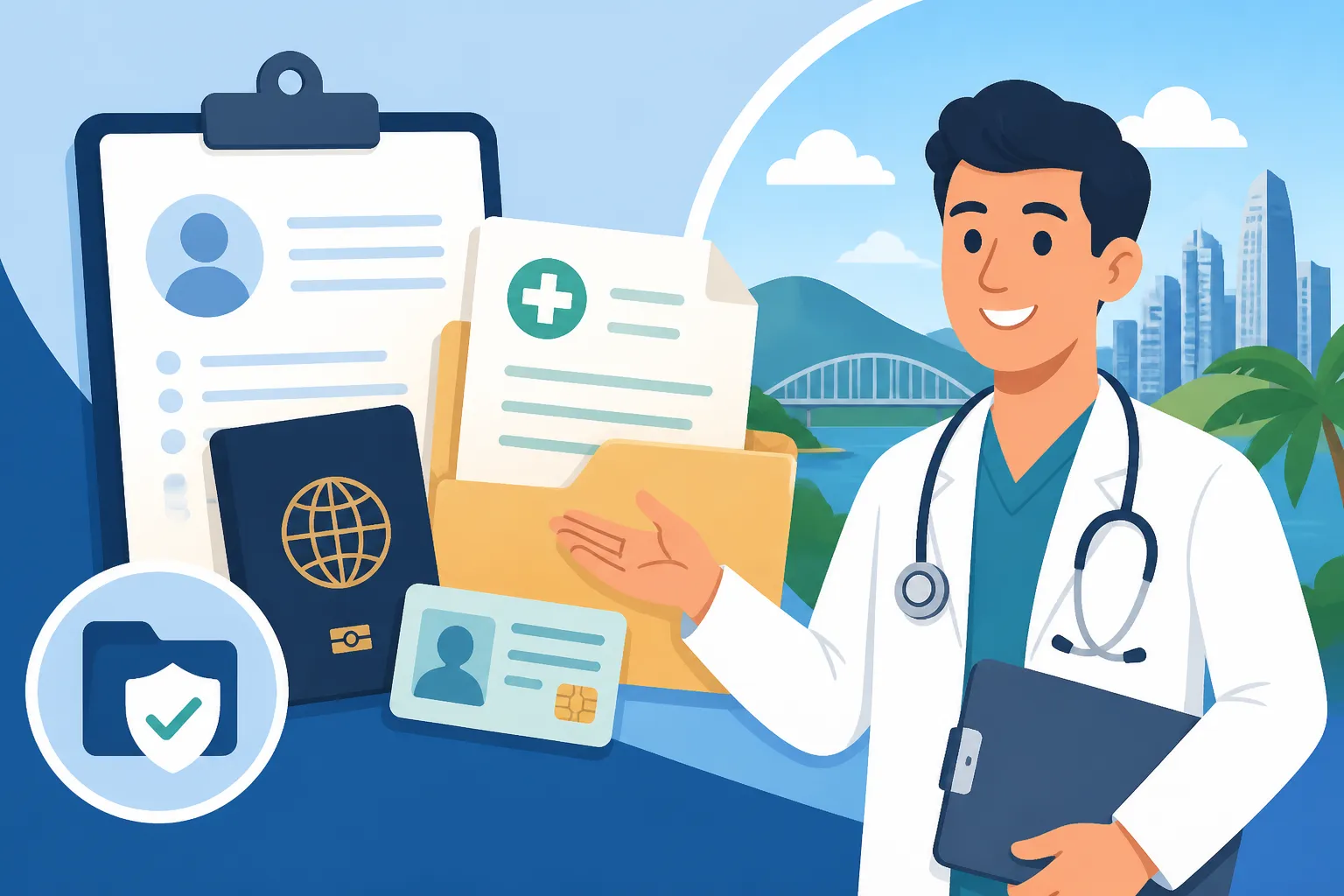
First and foremost, you need to prove who you are. This isn't just for formality; it's essential for creating or accessing your medical records, verifying your identity, and sometimes even for processing payments or insurance claims.
If you’re a new arrival or a tourist, your passport is your primary form of identification. Make sure it's valid and, ideally, keep a digital copy on your phone and a physical photocopy stored separately from the original. You might be asked for it at the reception desk to register you as a new patient. For example, if you pop into a private clinic like Centro Médico Paitilla for a minor issue, they’ll definitely ask for your passport to get you into their system. It's a fundamental step, even if you feel like you're just getting a simple check-up.
For those of us who have already made Panama home, your Cedula E (the foreign resident ID card) is your golden ticket. This is the official Panamanian identification card for residents and will be universally accepted. It simplifies everything, as it immediately identifies you as a legal resident. Always carry it with you, just as a Panamanian citizen would carry their national Cedula. If you're still waiting for your permanent Cedula and only have a provisional one, bring that along with your passport. It shows you're in the process of legalizing your stay, which is often enough, especially for urgent care.
Finally, your Panamanian driver's license can also serve as a valid form of ID, particularly if you're a long-term resident. While not as universally recognized for medical registration as a Cedula or passport, it confirms your identity and often works for subsequent visits once you're already in a clinic's system. However, for your first visit to a new doctor or clinic, lean towards your Cedula or passport. It's better to over-prepare than find yourself scrambling.
Proof of Address: Utility Bills or Rental Agreement
Now, this one might seem a bit odd for a doctor's visit, but some clinics, especially smaller local ones or when registering for the public health system, might ask for proof of your local address. This helps them confirm your residency within a certain service area or simply for their administrative records.
While not always explicitly demanded for every single appointment, having a recent utility bill (electricity, water, or internet) or a copy of your rental agreement on hand can save you a potential headache. Imagine you're trying to register at a community health center in, say, San Francisco (the neighborhood in Panama City, not the one in California!), they might want to see something with your name and address. This isn't about being nosey, it's about establishing your local presence. Even if you're just seeing a specialist in a private building, having this ready demonstrates your stability as a resident. It’s part of the general documentation they sometimes request from foreigners, especially if you’re trying to establish a long-term patient relationship or open a new file.
Navigating Private vs. Public Healthcare Documentation
Panama offers a dual healthcare system: the public Caja de Seguro Social (CSS) and a robust private sector. Depending on which route you choose, the documentation requirements will differ significantly. Understanding these differences is key to a smooth experience. You can read more about the intricacies of the two systems in our guide on Public vs Private Healthcare in Panama: What Expats Need to Know.
Private Clinics and Hospitals: What to Bring
Most expats, especially new arrivals, tend to gravitate towards the private healthcare sector in Panama. It generally offers shorter wait times, modern facilities, and often English-speaking staff. When heading to a private clinic or hospital, your documentation primarily revolves around identification and how you intend to pay for your treatment.
The absolute must-have here, beyond your primary ID (passport or Cedula), is your health insurance card or policy details. Whether you have a local Panamanian private insurance plan, an international expat policy, or even travel insurance, having the card and knowing your policy number is critical. This allows the clinic to verify your coverage, understand your deductible, and process claims directly, if possible. For example, major hospitals like Hospital Punta Pacifica or Hospital Nacional are accustomed to dealing with various international and local insurance providers. Don't just assume they have your details on file; bring the physical card or a clear photo of it.
If you're using international health insurance, make sure you understand its specific requirements. Some policies, like those provided by SafetyWing, are designed for digital nomads and expats and are generally accepted at private facilities. However, you might need to pay upfront and then seek reimbursement, so understanding your policy's claims process beforehand is crucial. Always have the contact details for your insurance provider readily available. It’s not uncommon for clinic staff to call them directly to confirm coverage.
Finally, payment methods are just as important as your insurance. Even with insurance, you might have co-pays or deductibles. Always carry a credit card, debit card, or enough cash (U.S. dollars, of course, as Panama uses the USD) to cover potential out-of-pocket expenses. Some smaller clinics might prefer cash for minor consultations, though most private facilities accept cards.
Public Healthcare (CSS) Appointments: The Specifics
The public healthcare system, managed by the Caja de Seguro Social (CSS), is primarily for those who are employed and contributing to the social security fund in Panama. While it's more budget-friendly, it comes with its own set of rules and documentation. If you're an employee, your employer should have already registered you with the CSS. For a deeper dive, check out How to Register with the CSS (Caja de Seguro Social) in Panama.
To access CSS services, you'll need your Cedula E as proof of residency and your CSS card or social security number (número de seguro social). This number identifies you as an active contributor to the system. Without it, or proof of your contributions, you generally won't be able to access the free or heavily subsidized care. It’s also important to bring any referral letters if you're seeing a specialist, as the CSS system often requires a referral from a general practitioner before you can see a specialist.
While generally less strict on proof of address once you're in the CSS system, for your initial registration or if you're transferring between CSS facilities, they might ask for it. The CSS system can be more bureaucratic and paper-heavy than private options, so patience and a well-organized folder of documents are your best friends. Keep all your CSS-related documents in one place, including any receipts of contributions or appointment cards. It’s a good idea to also have a copy of your last pay stub or proof of employment, as this can confirm your active contributions to the CSS.
Essential Documents for Specific Situations
Not every doctor's visit is a routine check-up. Sometimes life throws you a curveball, or you're following a longer treatment plan. Being prepared for these specific scenarios can make all the difference.
Emergency Visits: What to Prioritize
Emergencies are, by definition, unexpected and often terrifying, especially in a foreign country. In a true medical emergency in Panama, the absolute priority is getting care. Do not let documentation concerns delay immediate treatment. Hospitals and clinics will stabilize you first.
However, once the immediate crisis is under control, the administrative side kicks in. For emergency visits, prioritize bringing your identification (Cedula or passport) and your health insurance details. If you have international travel insurance, like many digital nomads use, or an expat health plan from providers such as SafetyWing, have their contact number and your policy details ready for yourself or for whoever accompanies you. Staff will need this to initiate billing or to contact your emergency contacts.
Even if you're unconscious or unable to communicate, any accompanying family member or friend should bring these documents. If no one is with you, the hospital will still treat you, but collecting information and arranging payment will become a priority once you're stable. It's an overwhelming situation, and while the human element of care is always first, the business of healthcare will follow. Learning about Emergency Medical Care in Panama: What Every Expat Needs to Know can also equip you with crucial information.
Repeat Visits and Referrals: Continuity of Care
If you're establishing long-term care with a doctor or clinic, or if you're being referred to a specialist, maintaining continuity of your medical records is paramount.
For repeat visits to the same doctor or clinic, your Cedula or passport will suffice for identification, as your file should already be in their system. However, it's always a good practice to bring your health insurance card again, just in case there's been a policy update or a system glitch.
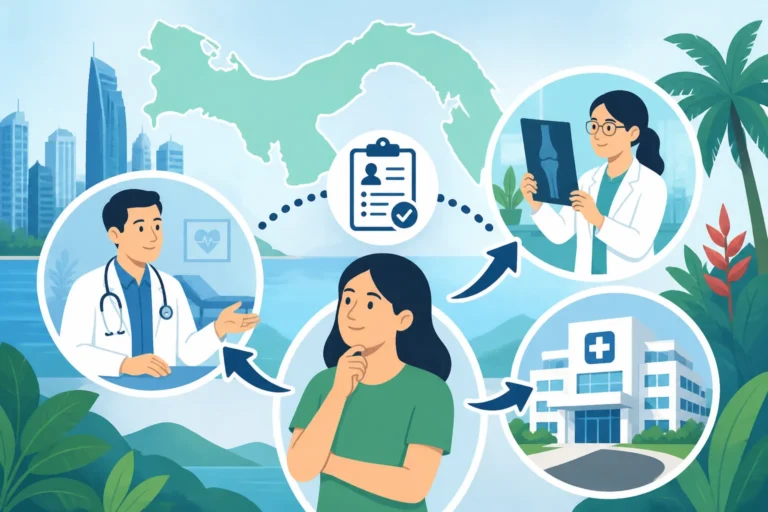
When being referred to a specialist – which is a common practice in both public and private systems – the most important document you need is the referral letter (carta de referencia) from your general practitioner. This letter explains why you need to see the specialist and often includes a summary of your condition and any preliminary tests. For instance, if your GP refers you to a cardiologist at the Instituto Cardiovascular y Torácico, that letter is your entry pass and helps the specialist understand your case from the get-go.
It's also highly advisable to bring any relevant medical records from previous visits, lab results, imaging reports (X-rays, MRIs), or a list of your current medications. Even if these are technically on file within the same hospital network, having your own copies ensures nothing is missed and facilitates a smoother consultation. This is especially true if you are seeing a new specialist or changing clinics. Having a personal medical history folder can be incredibly helpful for managing your own health journey here in Panama, especially as you navigate How Specialist and Hospital Referrals Work in Panama.
Tips for Expats and Avoiding Common Pitfalls
Moving to Panama means adapting to new systems, and healthcare is certainly one of them. While the documents listed above are crucial, a little foresight and organization can make the process even smoother.
Keeping Your Documents Organized and Accessible
This might sound like common sense, but believe me, when you're feeling under the weather or dealing with a crisis, the last thing you want to do is rummage through piles of papers.
- Physical Folder: Designate a specific folder for all your essential medical documents. This includes photocopies of your passport/Cedula, your insurance card, a list of emergency contacts (both local and in your home country), a list of current medications (with dosages), and any known allergies. Keep this folder in an easily accessible but secure location at home.
- Digital Copies: Scan all these documents and save them to a secure cloud storage service (like Google Drive, Dropbox, or a password-protected folder on your phone). This way, you can access them from anywhere, even if you forget your physical folder. Just make sure they are encrypted!
- Emergency Contact Card: Carry a small card in your wallet with your name, Cedula/passport number, blood type, emergency contact numbers, and your insurance provider's name and policy number. In a critical situation, this quick reference can be invaluable. This is particularly helpful if you have a travel insurance plan like SafetyWing, as having their contact info handy can save precious time.
- Medical Translator App: If your Spanish isn't fluent, a reliable medical translation app on your phone can bridge communication gaps, especially when discussing symptoms or medical history. While many private clinics have English-speaking staff, it's not guaranteed everywhere. You might also want to research How to Find an English-Speaking Doctor in Panama before an urgent need arises.
Language Barriers and Advocacy
One of the biggest frustrations expats face in any foreign country is the language barrier. While Panama City's larger private hospitals often have staff who speak English, this isn't always the case in smaller clinics or in rural areas.
- Bring a Spanish-Speaking Friend: If you're not confident in your Spanish, try to bring a Panamanian friend, colleague, or even a professional translator with you, especially for important consultations or initial visits. They can help translate medical terms and ensure you fully understand the doctor's instructions and diagnosis.
- Google Translate / Translator Apps: For quick questions or basic communication, apps can be a lifesaver. However, for nuanced medical discussions, a human translator is always better.
- Be Patient and Assertive (Politely): Panamanian culture values politeness. If you don't understand something, don't be afraid to ask for clarification, but do so respectfully. Repeat what you've understood to confirm, or ask the doctor to write down instructions.
- Know Your Rights: As a patient, you have the right to clear information about your condition and treatment. Don't feel pressured to agree to something you don't understand.
By keeping these documents handy and being prepared for various scenarios, you'll feel much more confident and secure when seeking medical care in Panama. It’s all part of getting comfortable in your new home and truly embracing the expat life here.
| Document Type | Private Clinic/Hospital (Routine) | Public CSS Clinic (Routine) | Emergency Room (Any) | Specialist Referral | Pharmacy (Prescriptions) |
|---|---|---|---|---|---|
| Identification | Passport or Cedula | Cedula & CSS Card | Passport or Cedula (Priority) | Passport or Cedula | Passport or Cedula |
| Proof of Address | Often not required, but good to have (utility bill) | Yes, for initial registration | Not immediately, but later for billing/records | Often not required | Not usually required |
| Insurance Details | Insurance Card / Policy # (e.g., SafetyWing) | CSS Card / Social Security # | Insurance Card / Policy # (if applicable) | Insurance Card / Policy # | Not usually required (unless claiming reimbursement) |
| Payment Method | Credit Card / Debit Card / Cash | Not usually required (CSS covers) | Credit Card / Debit Card / Cash (after stabilization) | Credit Card / Debit Card / Cash | Cash / Credit Card / Debit Card |
| Referral Letter | Yes, for specialist visits (if applicable) | Yes, for specialist visits | Not applicable | Yes, from GP | Not applicable |
| Medical Records | Good to have (old test results) | Yes, if transferring clinics | Any known medical history (if possible) | Yes, relevant history & test results | Previous prescription bottle (for refills) |
| Medication List/Allergies | Highly recommended | Highly recommended | Critical (if possible) | Highly recommended | Highly recommended, or doctor's note for new prescription |
| Emergency Contacts | Highly recommended | Highly recommended | Critical (if possible) | Not usually required | Not usually required |
Disclaimer
The information provided in this guide is for general informational purposes only and does not constitute medical, legal, or professional advice. While we strive to provide accurate and up-to-date information, regulations and procedures in Panama can change. It is always recommended to consult with a qualified Panamanian lawyer, healthcare professional, or relevant government authority for advice tailored to your specific situation. We are not responsible for any actions taken based on the information in this article.