What Is the CSS and How Does It Work in Panama?
Moving to Panama, one of the biggest initial puzzles you’ll face, after figuring out how to get your internet set up and where to find decent coffee, is navigating the healthcare system. And right at the heart of that system, particularly if you're planning to work here, is the Caja de Seguro Social (CSS), or the Social Security Fund. Many of us expats arrive with preconceived notions of what "social security" means, often drawing on experiences from our home countries, only to find that Panama’s version has its own unique quirks, benefits, and, yes, frustrations. This guide is here to demystify the CSS, explaining exactly what it is, how it functions, and what it means for you as a foreign resident in Panama.
What Exactly Is the Caja de Seguro Social (CSS) in Panama?
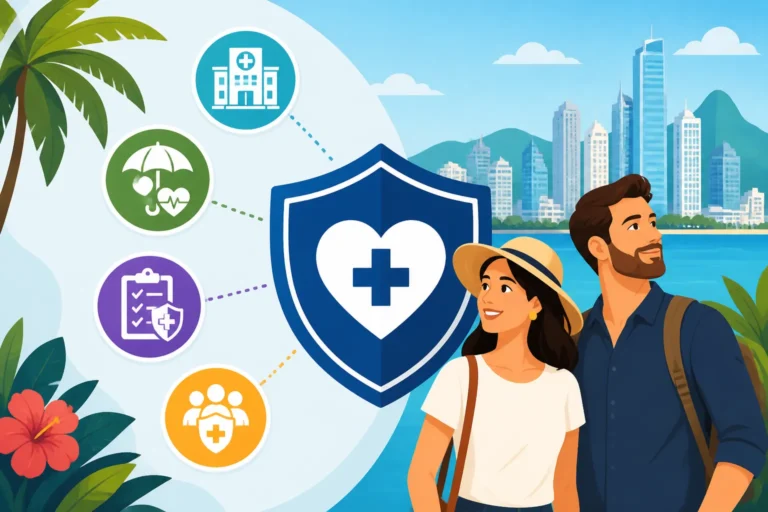
Alright, let's get down to brass tacks. The Caja de Seguro Social, or CSS, is Panama's national social security institution. Think of it as a multi-faceted public body responsible for managing social security contributions and providing a range of benefits and services to its members. It's not just about healthcare, though that's a huge component that most expats interact with. The CSS also manages pensions, disability benefits, maternity leave, sick leave, and even some workplace injury compensation.
Now, for many of us who hail from countries with purely private healthcare or entirely different public systems, the CSS can feel a bit like a bureaucratic labyrinth wrapped in a riddle. It's funded through mandatory contributions from employees, employers, and the government. If you're officially employed in Panama, a portion of your salary, along with a larger contribution from your employer, goes directly to the CSS. This system is designed to provide universal social protection, aiming to ensure that everyone who contributes has access to essential services and financial safety nets. While the idea is noble and certainly provides a crucial service for many Panamanians, the reality for expats can sometimes feel like a steep learning curve. The system has its strengths, especially in terms of affordability, but it also comes with certain limitations and operational realities that are important to understand from the get-go.
The Role of the CSS in Panamanian Healthcare
The CSS plays an absolutely central role in Panama’s healthcare landscape, serving as the backbone of public medical care for a vast majority of the population. When we talk about "public healthcare" in Panama, the CSS hospitals and clinics are largely what we're referring to. These facilities range from large, specialized hospitals in Panama City to smaller clinics in rural areas, striving to provide comprehensive care across the country.
For expats, understanding this role is critical because your employment status will largely dictate your initial interaction with the system. If you're working legally in Panama, whether for a Panamanian company or even if you've registered yourself as a self-employed individual and are making contributions, you become an insured member of the CSS. This membership theoretically grants you access to their network of doctors, specialists, hospitals, and pharmacies. This means that a significant portion of the population relies on the CSS for everything from routine check-ups and vaccinations to complex surgeries and long-term care. It's a system designed to be accessible, and for many, it is their only option for medical services. However, as many expats quickly discover, "accessible" doesn't always translate to "convenient" or "swift." The sheer volume of people relying on the CSS means that wait times can be substantial, and the patient experience might be different from what you're accustomed to back home. This often leads many expats to complement their CSS coverage with private health insurance in Panama, even if they are contributing to the public system.
How Does Membership and Contributions Work?
Becoming a member of the CSS and understanding your contributions is perhaps the most practical aspect for any expat planning to work in Panama. It’s not just a voluntary sign-up; if you’re legally employed, it’s mandatory.
Employer-Employee Contributions
If you’re working for a Panamanian company, the process for registering with the CSS is largely handled by your employer. They are legally obligated to enroll you and ensure your contributions are made. This means a percentage of your gross salary will be deducted each pay period and sent to the CSS, along with a larger contribution from your employer. As of my last check, employees typically contribute around 9.75% of their gross salary, while employers contribute about 12.25%. These percentages cover health, maternity, disability, and old-age pensions.
When you start a new job, your employer will collect the necessary documents from you – usually your passport, your residency card (Cedula E), and sometimes proof of address. They’ll then submit these to the CSS to get you registered. You’ll eventually receive a CSS number, which is your unique identifier within the system. It’s vital to ensure your employer is actually making these contributions, as your eligibility for benefits depends entirely on them. Don't be shy about asking for proof or checking your contribution history; it's your right as a contributing member. This whole process is fundamental to understanding your health insurance contributions through the CSS in Panama.
Self-Employed and Voluntary Contributions
Now, what if you're an independent contractor, a freelancer, or running your own small business here? This is where it gets a little more complex, but entirely manageable once you know the ropes. If you're self-employed, you're responsible for registering yourself with the CSS and making your own contributions. This is often referred to as a "voluntary affiliation," but for many, it's a necessary step to secure local healthcare and pension benefits.
The first step is to register yourself as a self-employed taxpayer with the DGI (Dirección General de Ingresos), which is Panama's tax authority. Once that's sorted, you'll need to head to a CSS office (often best to go to a larger one in Panama City or David, if you’re in Chiriqui, for better service) and inquire about voluntary affiliation. You'll need documents like your Cedula, your RUC (tax ID), and proof of your income or economic activity. They’ll then assess your income and determine your contribution rate. It’s crucial to be transparent about your earnings, as this will affect your future benefits. The beauty of this option is that it provides a pathway for self-employed expats to access the public healthcare system, which can be significantly more affordable than relying solely on private options, especially for long-term residents. However, remember the phrase "Panama time" – the registration process can take a while, so patience is key. It's worth exploring how your residence status affects health coverage in Panama early on.
The Benefits and Limitations of CSS Coverage
Understanding what the CSS offers, and where its limits lie, is crucial for managing your expectations and planning your healthcare strategy in Panama.
Medical Services and Coverage
The CSS provides comprehensive medical coverage once you are a registered and contributing member. This isn't just basic care; it includes access to general practitioners, specialists (via referral), hospitalization, surgeries, diagnostic tests, and prescription medications dispensed through CSS pharmacies. They also cover emergency medical care in their facilities. This sounds fantastic on paper, and indeed, for many, it provides a vital safety net. For example, if you need a common blood test, an X-ray, or even a more complex procedure, it's generally covered once you're in the system. The range of services is extensive, covering everything from prenatal care and childbirth to chronic disease management and some specialized treatments.
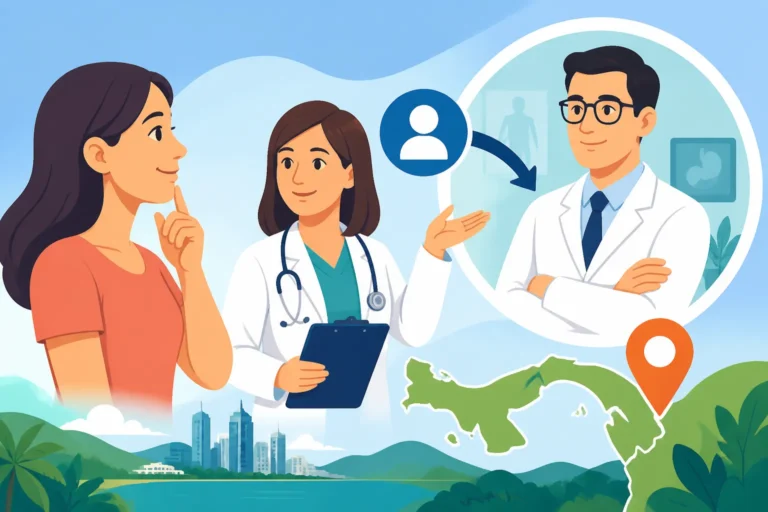
However, the reality of utilizing these services often comes with a dose of "Panama time." While the services are technically "free" at the point of use once you're a contributor, getting to that point can be a journey. Wait times to see a specialist can be lengthy, sometimes stretching into weeks or even months for non-urgent appointments. The facilities, while functional, might not always boast the shiny, state-of-the-art equipment or the comfortable patient-to-staff ratios you might be used to in top-tier private hospitals. Language can also be a barrier; while some CSS doctors and staff might speak English, it's not a guarantee, especially outside of Panama City. Knowing how to access specialist care in Panama, whether public or private, is a skill every expat needs to develop.
Pension, Disability, and Other Benefits
Beyond healthcare, the CSS is also the administrator of Panama's pension system. If you contribute regularly throughout your working life in Panama, you will eventually be eligible for an old-age pension. The amount you receive will depend on your contribution history and the average of your highest salaries. This is a long-term benefit, and understanding the pension system and retirement in Panama is essential for those planning to make Panama their permanent home.
In addition to pensions, the CSS provides other important social security benefits. This includes disability benefits if you become unable to work due to illness or injury, as well as maternity and paternity leave benefits for new parents. For employees, the CSS covers sick leave entitlements under Panamanian labour law, meaning a portion of your wages can be compensated during periods of certified illness. In the unfortunate event of a workplace accident or occupational disease, the CSS also steps in to provide medical treatment and compensation. These non-healthcare benefits are often overlooked by expats initially, but they represent a significant part of the comprehensive social safety net that the CSS is designed to provide.
Navigating the CSS as an Expat: Challenges and Tips
Alright, let's talk about the real-world experience. For an expat, even with good intentions and an open mind, navigating the CSS can be challenging. It’s not always a smooth sail, and acknowledging this is the first step.
Common Hurdles for Foreigners
One of the most frequent complaints from expats is the bureaucratic inefficiency and the infamous "Panama time." Appointments can be hard to get, especially for specialists. You might show up for an appointment only to wait hours, or find it rescheduled without much notice. The administrative processes for even simple things, like getting your CSS number or updating your information, can involve multiple visits, long queues, and a fair bit of paperwork (often without clear instructions). Language barriers can compound these issues; not all staff members speak English, and medical terminology in Spanish can be intimidating even for those with some grasp of the language. This is why many foreigners often ask, "What documents do I need to see a doctor in Panama?"
Furthermore, while the quality of care can be good, particularly from dedicated medical professionals within the system, the facilities themselves might be older, and equipment might not always be the latest generation. Supplies can sometimes run low, and you might occasionally be asked to purchase specific medications or materials from a private pharmacy, even if theoretically covered. This discrepancy between the ideal and the reality can be frustrating.
Strategies for a Smoother Experience
Despite the challenges, many expats successfully use the CSS, especially for routine care or as a supplement to private insurance. Here are a few tips:
- Patience is a Virtue: Seriously, bring a book, a podcast, or mentally prepare for potential waits. Expecting delays can significantly reduce your frustration levels.
- Learn Some Spanish: Even basic medical phrases can make a huge difference in communicating your needs and understanding instructions. "Me duele aquí" (It hurts here) will get you a long way.
- Be Organized: Keep all your CSS documents, receipts, and appointment cards meticulously organized. A folder dedicated to your "Panama paperwork" is a must.
- Go Early: For walk-in services or inquiries, showing up right when the doors open (or even before) often means shorter queues.
- Consider a Panamanian Companion: If you have a trusted Panamanian friend, colleague, or even a local facilitator, having them accompany you for important appointments can be invaluable for navigating the system and translating.
- Understand Your Benefits: Don't just assume. Ask your employer or visit a CSS office (during off-peak hours, if possible) to clearly understand what your specific contributions cover.
- Don't Rely Solely on CSS for Emergencies (Initially): While CSS hospitals do handle emergencies, if you're new to Panama or haven't fully navigated the system, having alternative emergency plans is wise. This might include knowing the location of private hospitals or having international travel insurance like SafetyWing that covers emergency evacuations or private care. Understanding emergency medical care in Panama is critical for every expat.
Complementing CSS with Private Health Insurance
Given the realities of the CSS, many expats choose to secure private health insurance in Panama, even if they are already contributing to the public system through their employment. This isn't about ditching the CSS entirely, but rather about creating a more robust and responsive healthcare strategy.
Why Expats Choose Private Options
The primary reasons expats opt for private insurance are often about convenience, speed, and comfort. Private hospitals and clinics, such as Hospital Punta Pacifica or Hospital Nacional in Panama City, offer shorter wait times, state-of-the-art facilities, English-speaking staff, and a more personalized patient experience. If you're used to direct access to specialists or prefer a doctor who can see you almost immediately, private insurance is usually the way to go. It offers peace of mind that in an emergency, or for a routine check-up, you can access high-quality care without the potential for extensive delays. This is often the focus of how to choose private health insurance in Panama.
Private insurance also provides options that the CSS might not, such as choice of doctor, private rooms in hospitals, and sometimes broader coverage for specific treatments or elective procedures. For those with specific health needs or who simply prefer the comfort and efficiency of private care, it's a worthwhile investment. Brands like SafetyWing, for instance, offer flexible international health insurance plans that can cover you whether you're traveling or living abroad, providing a great supplementary option especially for those who might not be permanently settling or want coverage that extends beyond Panama's borders.
Finding the Right Balance
For many expats, the ideal scenario involves a blend of both public and private. They contribute to the CSS through their work, securing their right to public benefits (including pensions and long-term care), but they rely on private insurance for their day-to-day medical needs, specialist visits, and emergencies where time is of the essence. This "hybrid" approach allows you to take advantage of the affordability and long-term security of the CSS while enjoying the immediate access and higher service levels of the private sector.
When looking at private insurance, consider factors like coverage limits, deductibles, network of hospitals and doctors, and whether it covers pre-existing conditions. It’s also wise to check if your chosen private plan integrates well with any referrals you might get from a CSS doctor, or if it provides a reimbursement system that works smoothly. Remember, the goal is to create a healthcare plan that gives you the best possible care and peace of mind during your expat journey in Panama.
Disclaimer
Please remember that I am a lifestyle blogger and not a legal or financial expert. The information provided in this article is intended for general guidance and informational purposes only and does not constitute professional advice. Healthcare regulations, contribution rates, and available services through the Caja de Seguro Social (CSS) in Panama can change. It is always recommended to consult with a qualified Panamanian legal advisor, immigration specialist, or a CSS representative for the most accurate, up-to-date, and personalized information regarding your specific situation and eligibility for benefits.