How Do I Use My Foreign Driver’s Licence in Panama?
Navigating the ins and outs of bureaucracy in a new country is often one of the biggest headaches expats face, and figuring out how to legally drive in Panama is definitely high on that list. You've just arrived, you've got your car, and you're wondering if your trusty driver's license from back home is still valid here. The answer, like with many things in Panama, is a nuanced "it depends." This comprehensive guide is here to untangle the rules, explain the processes, and offer practical advice based on real expat experiences, so you can hit the Panamanian roads with confidence and, more importantly, legally.
The Initial Grace Period: Driving on Your Foreign License
When you first land in Panama, especially if you're on a tourist visa or just beginning your residency journey, there's a window where your foreign driver's license is generally accepted. It feels like a small win amidst all the other paperwork, but don't get too comfortable; this grace period has clear limits that you absolutely need to understand.
The 90-Day Rule Explained
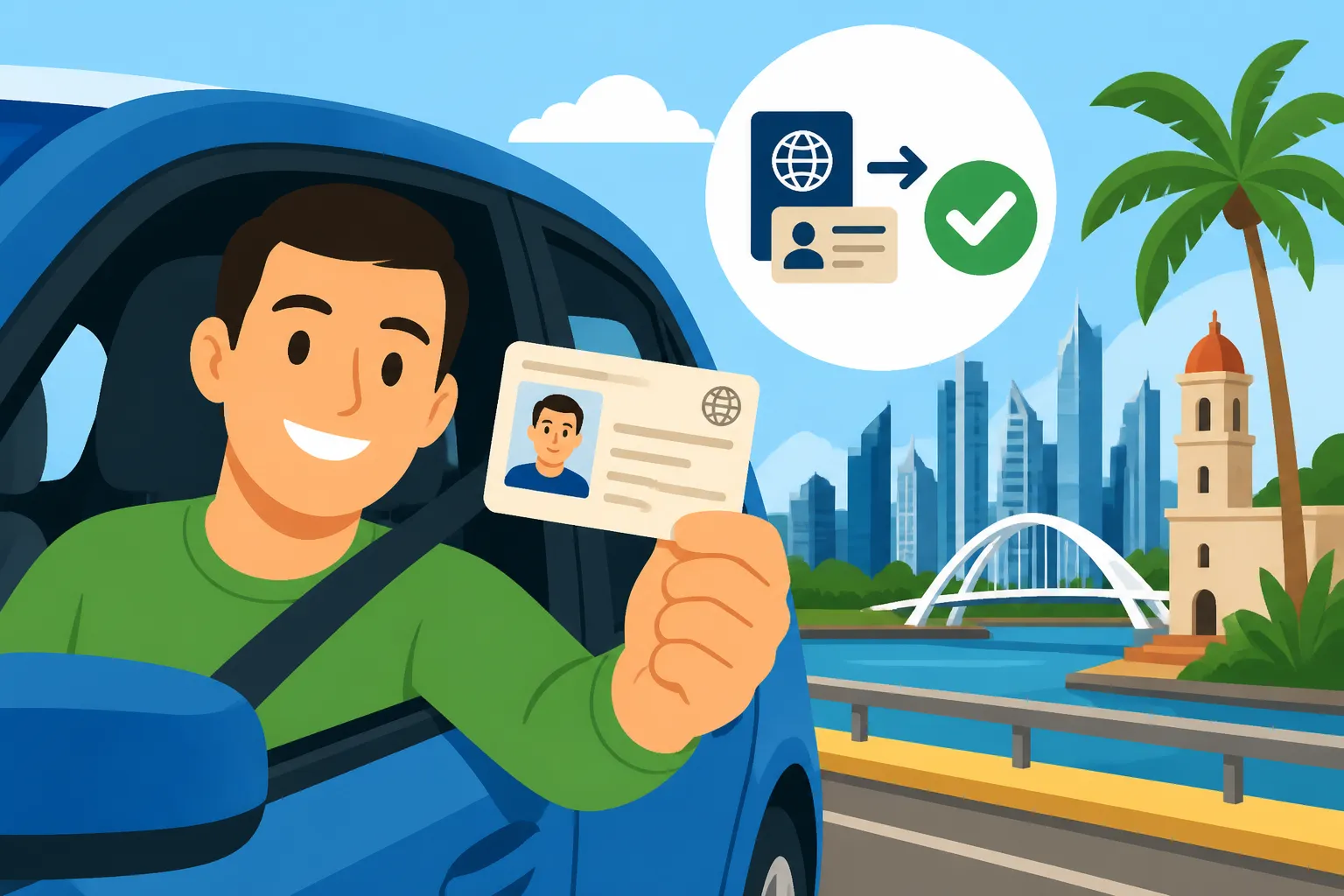
For most foreign nationals, the Panamanian traffic authority (Autoridad del Tránsito y Transporte Terrestre, ATTT) grants a grace period of 90 days from your last entry into the country during which you can legally drive using your valid foreign driver's license. This applies to tourists and those in the early stages of applying for residency. It's a fantastic temporary solution, letting you get settled, explore, and run errands without immediately fretting over a new license. Just make sure your foreign license is current, not expired, and ideally, if it's not in Spanish or English, carry an International Driving Permit (IDP) as a translation. While not legally required for the 90-day grace period, an IDP can save you a lot of hassle and confusion if you get pulled over by a traffic officer who isn't familiar with foreign licenses or doesn't speak English. Think of it as a helpful buffer against miscommunication, which can be invaluable when you're trying to explain things on the side of a busy Panamanian road.
This 90-day period begins the moment your passport is stamped upon entry. So, if you entered on January 1st, your foreign license is generally valid until March 31st. It’s crucial to keep track of this date, perhaps by making a note in your phone or on a calendar, because overstaying this grace period, even by a day, can technically put you in a legally precarious position. Many expats initially breathe a sigh of relief with this rule, but the clock starts ticking fast, especially when you're caught up in the excitement of a new life and the myriad of other tasks that come with relocating. So, while it offers immediate flexibility, view it as a countdown to taking the necessary steps for a Panamanian license. For a broader look at getting settled, check out our guide on The Complete Guide to Moving to Panama: Your First 90 Days (2027).
What Happens After 90 Days?
Once those 90 days are up, the legal landscape changes significantly. If you are a resident in Panama and continue to drive solely on your foreign license past this period, you are technically driving without a valid license in the eyes of the Panamanian law. This is where the expat frustration often kicks in. You've got a perfectly valid license from your home country, but here, it's just a piece of plastic once the clock runs out.
The implications of driving without a valid license can range from inconvenient to downright serious. If you get pulled over, you could face hefty fines. More critically, if you are involved in an accident, your insurance company might deny coverage because you were operating a vehicle without a legally recognized license. Imagine the headache of trying to deal with an accident, potentially involving injuries or significant property damage, only to find your insurance won't pay out. It could leave you personally liable for all damages, which is a financial nightmare no one wants to experience. Panamanian traffic officers, especially after the initial tourist-friendly period, expect residents to have a local license. Don't risk it; prioritize getting your Panamanian driver's license if you intend to stay longer than 90 days.
This is a scenario where ignorance is definitely not bliss. You might hear anecdotes from other expats who "got away with it" for longer, but that's playing Russian roulette with Panamanian law and your financial security. The ATTT and local police forces do conduct checks, especially in areas with a higher expat population. It's not worth the stress or the potential legal and financial repercussions. My advice, from someone who's seen the long queues and endless paperwork, is to start the process well before your 90 days are up. You'll thank yourself later for being proactive.
Navigating the Process of Validating Your License in Panama
The process of converting your foreign driver's license to a Panamanian one, known as homologación or convalidación, can feel like a gauntlet of bureaucracy. But it's a necessary rite of passage for many expats who want to drive legally long-term. Don't let the stories scare you; with the right information and a bit of patience, it’s entirely manageable.
Requirements for Homologation (Convalidación)
Before you even step foot into a Sertracen office (the entity that manages driver's licenses on behalf of the ATTT), you need to gather a specific set of documents. Missing even one item can send you home, forcing you to rejoin the queue another day. And believe me, the queues are part of the authentic Panamanian experience.
Here’s a detailed breakdown of what you'll need:
- Original Foreign Driver's License: This must be valid and unexpired. No temporary permits or photocopies will do. They'll need to see the real deal.
- Panamanian Passport or Residency Card (Cédula E): This is crucial for proving your legal status in Panama. For those pursuing residency, your cédula E will be your primary form of identification. If you're still on a temporary visa but have initiated your residency application, you might use your passport along with proof of your immigration status. Remember, your residency status dictates much of your administrative life here, including your ability to get a driver's license. Many expats find great value in understanding How Your Residence Status Affects Health Coverage in Panama and other aspects of life here.
- Blood Type Certificate: This is a non-negotiable requirement in Panama. You can't just state your blood type; you need a certified document from a Panamanian clinic or hospital. Most private clinics offer quick blood tests for this purpose, usually for a small fee (around $10-$20). Get this done first, as it's quick and easy, but absolutely essential.
- Vision Test: Again, this must be conducted by a certified Panamanian ophthalmologist or a clinic approved by the ATTT/Sertracen. Many locations near Sertracen offices offer this service specifically for license applicants. They’ll check your eyesight and confirm you meet the minimum visual acuity standards for driving.
- Auditory (Hearing) Test: Similar to the vision test, this is a standard medical check-up to ensure you have adequate hearing for safe driving.
- Psychological Evaluation: This often surprises expats, but Panama requires a basic psychological assessment to ensure you are mentally fit to drive. It's usually a short, simple test, often involving questions about your mental state, reflexes, and coordination. Don't worry, it's not a deep dive into your psyche; they're just looking for any red flags.
- Theoretical Driving Exam: For many foreign licenses, especially those from countries Panama has reciprocal agreements with, you might be exempt from a practical driving test, but you will almost certainly need to pass a theoretical exam. This exam covers Panamanian traffic laws, road signs, and safe driving practices. The test is typically administered in Spanish, which can be a hurdle if your Spanish isn't up to scratch. There are online resources and apps that provide practice tests in English, and it’s a good idea to study them thoroughly before you go.
- Notarized Copy of Your Foreign License and Passport/Residency Card: While you'll have the originals, it's always wise to bring notarized copies. Panamanian bureaucracy loves notarized copies, and having them ready can prevent delays.
- Two Passport-Sized Photos: Standard requirement for most official documents.
- Receipt of Payment: You will pay various fees at Sertracen for the process. Make sure to keep all your receipts.
It’s worth noting that requirements can occasionally change, and interpretations might vary slightly between different Sertracen offices or even different officials on a given day. Always double-check the latest requirements on the ATTT website or by visiting a Sertracen office directly.
Step-by-Step Guide to Getting Your Panamanian License
Okay, so you've got your documents. Now comes the actual process at Sertracen. This is where patience truly becomes a virtue.
- Obtain Medical Certificates: Start by getting your blood type certificate, vision, hearing, and psychological evaluations. These are typically done at private clinics. In Panama City, places like Clinica Hospital San Fernando or even smaller medical centers around the Sertracen office in Albrook Mall will offer these services. These clinics are usually familiar with the specific forms and requirements for driver's licenses. It's smart to do all these in one go to save time.
- Head to Sertracen: The main Sertracen office in Panama City is located in Albrook Mall. Yes, a shopping mall! There are other regional offices, but Albrook is the most common for expats in the capital. Go early in the morning, ideally right when they open, to beat the worst of the crowds. Wear comfortable shoes and bring a book or something to keep you occupied – waiting is part of the experience.
- Document Verification and Initial Application: Once inside, you'll join a queue for initial document review. An official will check all your papers, ensure they are complete, and likely input your information into their system. This is also where you'll pay the application fees.
- Theoretical Exam: After your documents are accepted and fees paid, you'll be directed to take the theoretical exam. This is usually done on a computer. It's multiple-choice and covers road signs, traffic laws, and general driving knowledge specific to Panama. If you don't pass, you'll usually be given a chance to retake it after a certain waiting period, so study diligently.
- Practical Exam (If Applicable): Depending on your home country's license and any reciprocal agreements Panama has, you might be required to take a practical driving test. Many expats, particularly from North America and Europe, are often exempt from this. If you do need one, it will involve driving a vehicle (which you must provide or rent from a nearby driving school) on a designated course or a short route with an examiner. This is often the most nerve-wracking part for those who have to do it.
- License Issuance: Once you've successfully cleared all the hurdles, you'll wait for your new Panamanian driver's license to be printed. This can happen on the same day, sometimes within hours, or you might be asked to return another day. The feeling of holding that new licencia de conducir in your hand is a genuine moment of triumph!
Remember, you might want to consider some assistance navigating these waters. There are specialized facilitators or immigration lawyers who can help guide you through the process, especially if your Spanish is limited or you're short on time. While they come with an extra cost, they can often streamline the experience and reduce potential frustration. For similar administrative tasks, it can be helpful to explore services like Sirelo, which specializes in helping with international moves and understanding various relocation challenges.
Temporary Extensions for Tourists
Now, a quick note for those who are purely tourists and might be here for a longer stint, but still not looking for residency. Panama's 90-day rule for foreign licenses applies to each entry. This means that if you're a tourist, you can often "reset" your 90-day grace period by exiting Panama and re-entering. This is a common strategy for digital nomads or long-term travelers who want to remain mobile without committing to residency. For example, you could take a quick trip to Costa Rica or Colombia for a few days, get your passport stamped, and then re-enter Panama, effectively starting a new 90-day window for your foreign license.
However, this is generally not a viable or recommended strategy for those who are establishing residency or intend to live in Panama long-term. Immigration authorities can become suspicious of frequent border runs, and it doesn't solve the underlying issue of needing a proper Panamanian license if you're a resident. The tourist extension is a loophole for temporary visitors, not a workaround for permanent residents. If you're here to build a life, commit to getting your local license. It simplifies everything and ensures you're fully compliant with local regulations. Understanding How to Move to Panama Legally from Abroad (2027) will give you a better grasp of the full picture.
Important Considerations and Practical Advice for Expats
Getting your Panamanian driver's license is just one piece of the puzzle. There are other practicalities and cultural nuances that every expat should be aware of to ensure a smooth driving experience in Panama.
English-Speaking Services and Resources
One of the most significant challenges for many expats in Panama is the language barrier. While Panama City, especially in business and tourist areas, has a good number of English speakers, government offices and smaller towns are predominantly Spanish-speaking. This can make the license application process particularly daunting if your Spanish isn't fluent.
This is where hiring a local facilitator or a reputable immigration lawyer can be incredibly helpful. These professionals are well-versed in the ATTT and Sertracen procedures, can assist with document translation, and even accompany you to the offices to help with communication. While it adds to the overall cost, the peace of mind and time saved can be invaluable. They can also advise on the latest specific requirements, which can sometimes shift without much public notice. If you're exploring residency options, it's highly recommended to work with a Panamanian lawyer, and they often provide services for license conversion as part of a broader relocation package.
Beyond direct assistance, there are online resources that can help. Look for expat forums or Facebook groups in Panama; members often share updated information on clinics offering English-friendly medical tests or study materials for the theoretical exam in English. Some apps can even help you practice Panamanian road signs and traffic laws, making the theoretical test less intimidating. For general connectivity to access these resources, services like Airalo can be very useful upon arrival, providing immediate mobile data so you can stay connected and navigate information even before you get a local SIM.
Costs and Time Commitment
Let's talk about the practical side: how much this all costs and how long it takes. As with anything bureaucratic, prices and timelines can fluctuate, but here's a general idea:
| Item | Estimated Cost (USD) | Notes |
|---|---|---|
| Blood Type Certificate | $10 – $20 | Private clinics. Quick turnaround. |
| Vision, Hearing, Psychological Tests | $30 – $50 (each) | Private clinics near Sertracen. Often bundled or slight discount if done together. |
| ATTT/Sertracen Application Fees | $40 – $60 | Varies slightly by license class. |
| Notarization of Documents | $2 – $5 (per page) | Typically for passport and foreign license copies. |
| Facilitator/Lawyer Fees (Optional) | $100 – $300+ | Highly variable based on services included. Can save significant time and stress. |
| Total Estimated Cost (Self-Managed) | $120 – $200 | This is a baseline. Add more if you require a practical exam or extensive help. |
In terms of time, if you gather all your medical certificates beforehand, the actual visit to Sertracen can potentially be completed in a single, long day. However, allow for at least 4-8 hours at Sertracen itself due to waiting times, processing, and the exam. If you need to retake the theoretical test or if there are unexpected document issues, it could easily stretch into multiple visits over several days or weeks. Start the process early, perhaps a month before your 90-day grace period expires, to give yourself ample buffer time. This will reduce your stress levels considerably. Remember that understanding The Complete Guide to Cost of Living in Panama for Expats (2026) includes these smaller, but essential, administrative costs.
Driving Culture and Road Conditions
Having a Panamanian license is one thing; driving on Panamanian roads is another entirely! The driving culture here can be a shock for newcomers. Expect assertive and sometimes unpredictable driving. Traffic laws are certainly in place, but their interpretation and enforcement can feel flexible, to put it mildly. Indicators are often optional, lane discipline can be a suggestion, and honking is a common form of communication (not always aggressive, sometimes just an "I'm here!").
Road conditions vary widely. In Panama City, major highways like Corredor Sur and Corredor Norte are generally well-maintained, but side streets can have potholes the size of small craters, especially after heavy rains. Outside the city, particularly in rural areas or mountains, roads can be narrow, winding, unpaved, or in poor repair. Be prepared for sudden stops, pedestrians, stray animals, and shared lanes with motorcycles and buses that drive with a certain aggressive confidence.
Defensive driving is not just a concept here; it's a survival skill. Always assume other drivers might do the unexpected, maintain extra space, and avoid driving at night, especially on unfamiliar rural roads. This advice comes from years of experience navigating these roads myself, and it’s something you learn quickly.
Insurance and Vehicle Registration
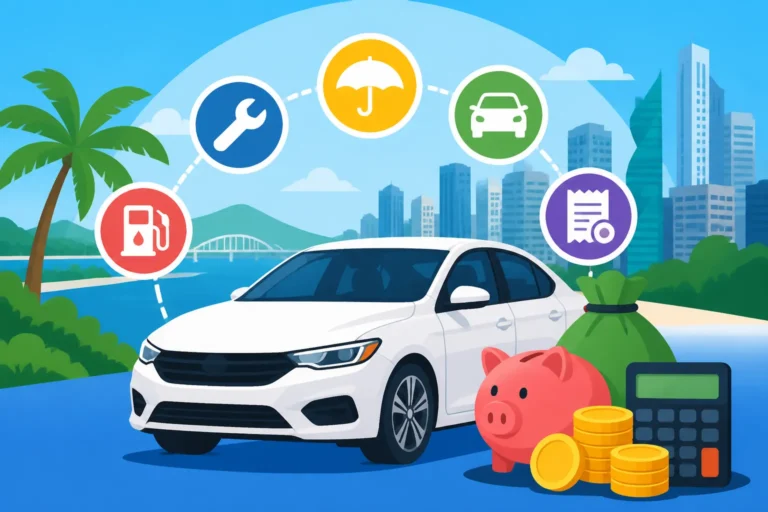
Finally, getting your Panamanian driver's license allows you to legally operate a vehicle, but it doesn't automatically mean your vehicle is legal. You also need valid car insurance and annual vehicle registration. Every vehicle in Panama must have minimum third-party liability insurance, and you'll need to carry proof of it at all times.
Additionally, all vehicles require an annual inspection (known as a Revisado) and renewal of their placa (license plate tag). This process ensures your vehicle meets basic safety standards and that your taxes and fees are up to date. Driving without valid insurance or an up-to-date placa can result in significant fines and even impoundment of your vehicle. It’s another layer of bureaucracy, but a crucial one for your safety and legal compliance on Panama’s roads. For more on this, our guide Understanding the Vehicle Inspection (Revisado) and Insurance in Panama provides a detailed overview. Getting your license is a big step, but keeping your vehicle legal is just as important!
Disclaimer
Please note that while I strive to provide the most current and accurate information based on my experience and available resources, laws and regulations in Panama, especially concerning immigration and traffic, can change. This guide is intended for informational purposes only and does not constitute legal advice. It is always recommended to consult with a qualified Panamanian immigration lawyer or an expert in Panamanian traffic law for personalized advice regarding your specific situation.