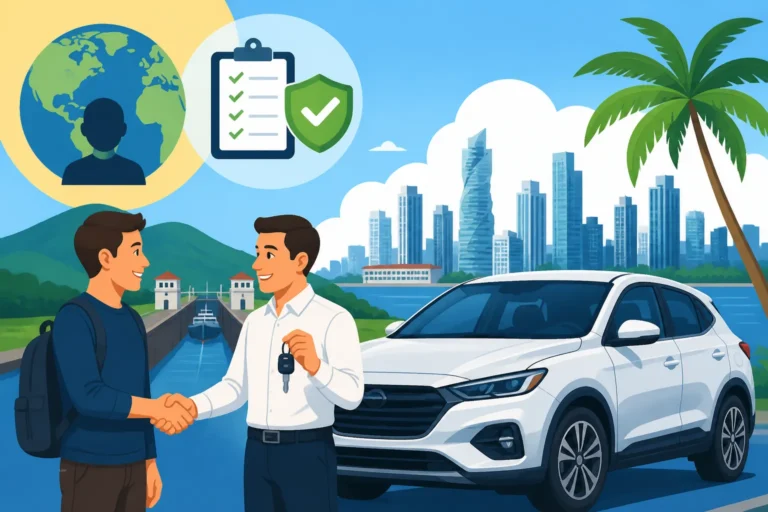
Understanding the Vehicle Inspection (Revisado) and Insurance in Panama
If you've spent any time behind the wheel in Panama, you know that owning a car here comes with its own unique set of administrative hurdles. It's not just about buying the car; it's about keeping it legally on the road. The vehicle inspection, known locally as the Revisado, and navigating the world of auto insurance can feel like an endless loop of paperwork and confusion for new expats. This guide is here to untangle it all, offering a seasoned expat's perspective on what you need to know to stay compliant and safe.
Demystifying the Revisado: Your Annual Vehicle Inspection
Let's face it, the thought of any vehicle inspection can send shivers down your spine, especially when you're in a new country with different rules and processes. In Panama, this annual check-up is called the Revisado, and it's absolutely non-negotiable for all vehicles registered in the country. It's not just a suggestion; it’s a legal requirement designed to ensure that every car on the road meets basic safety and environmental standards.
Its Purpose and Legal Basis
The primary goal of the Revisado is public safety. The Autoridad del Tránsito y Transporte Terrestre (ATTT), Panama's traffic authority, mandates these inspections to verify that vehicles are roadworthy and not posing a risk to drivers, passengers, or pedestrians. This means checking everything from your brakes to your lights to your tires. It's also about environmental protection, ensuring your vehicle isn't spewing excessive pollutants into Panama's beautiful air. You might think, "My car is new, why do I need this?" Well, the Panamanian government isn't taking chances, and neither should you.
The legal framework for the Revisado is enshrined in national traffic laws. Skipping this annual inspection means your vehicle is not legally allowed on the road. This can lead to hefty fines, confiscation of your license plates, and even impoundment of your vehicle, especially if you're caught by the ever-vigilant Tránsito police. Trust me, getting your car out of an impound lot in Panama is an experience you definitely want to avoid. It’s a maze of bureaucracy, fees, and wasted time.
Frequency and Key Components
Unlike some countries where inspections might be every two or three years, in Panama, the Revisado is an annual affair. You'll need to get your vehicle inspected every year before you can renew your Placa (license plate). The exact month you need to get it done usually correlates with the last digit of your license plate number – a system designed to spread out the workload, but one that can easily be forgotten if you're not paying attention. Keep an eye on your plate's last digit and the corresponding month to avoid last-minute rushes or, worse, penalties.
During the inspection, technicians will scrutinize several key components of your vehicle. This isn't just a quick once-over; it's a detailed examination. They'll check your lights (headlights, tail lights, turn signals, brake lights), your horn, seatbelts, windshield wipers, and tire tread depth. Crucially, they'll also check your brakes for proper function and your steering and suspension for any dangerous play or wear. Beyond the mechanics, they also perform an emissions test, which involves inserting a probe into your exhaust pipe. It's all about making sure your car isn't falling apart or contributing unnecessarily to air pollution.
Distinguishing from US-style Inspections
For many expats coming from North America or Europe, the Revisado might seem familiar on the surface, but there are subtle differences to be aware of. In the US, for example, inspection standards and frequency can vary wildly from state to state. Some states have rigorous annual inspections, while others have none at all. Panama, by contrast, has a single, national standard. The depth of the inspection can also feel a bit more manual and less automated than what some might be used to in highly industrialized nations.
Another key difference often lies in the "grey areas." While official checklists exist, the discretion of the individual inspector can sometimes play a role. A minor issue that might be overlooked in one center could be a point of failure in another. This highlights the importance of going to a reputable and established inspection center. It’s a bit of an art, not just a science, and being prepared and knowing what to expect can save you a lot of headache.
Navigating Vehicle Insurance in Panama
Just like the Revisado, vehicle insurance isn't an option; it's a legal obligation. Driving without at least basic liability insurance in Panama is a recipe for disaster, both legally and financially. Beyond the legalities, having the right insurance provides crucial peace of mind when navigating Panama's often-unpredictable roads.
Mandatory vs. Comprehensive Coverage
At a minimum, Panamanian law requires all vehicle owners to carry third-party liability insurance. This basic coverage protects you financially if you cause an accident and injure someone or damage their property. It doesn't, however, cover any damage to your own vehicle or your medical expenses. This is the bare minimum, and while it fulfills the legal requirement, most expats find it woefully inadequate for true peace of mind.
This is where comprehensive insurance comes into play. While not legally mandatory, it's highly recommended. Comprehensive policies offer a much broader range of protection, typically including:
- Collision coverage: Covers damage to your own vehicle in an accident, regardless of fault.
- Theft coverage: Protects against vehicle theft.
- Fire coverage: Covers damage due to fire.
- Natural disaster coverage: Important in a tropical country, covering damage from floods, hurricanes, etc.
- Medical expenses: Often includes coverage for your and your passengers' medical costs in an accident.
- Roadside assistance: A lifesaver when you're stranded.
Many expats opt for comprehensive coverage because the cost of repairing even minor damage can add up quickly, and the risks of driving in Panama (including fender benders, theft, and environmental factors) warrant the extra protection.
Key Players and Policy Types
Panama has a robust insurance market with several reputable local and international providers. Some of the most prominent local players include Mapfre, Generali, Assa Compañía de Seguros, and Internacional de Seguros. You'll also find offices for international giants, but it’s often easier to deal with local companies that are deeply familiar with Panamanian regulations and claims processes. Each insurer will offer a range of policy types, from the basic third-party liability to various tiers of comprehensive coverage with different deductibles and benefits.
When choosing a policy, don't just jump at the cheapest option. Read the fine print, compare coverage limits, and understand what's excluded. For example, some policies might have specific exclusions for driving in certain areas or during certain hours, or very high deductibles for specific types of claims. It’s also wise to inquire about how to file a claim, the average processing time, and whether they have English-speaking representatives if your Spanish isn't up to par, which, let's be honest, can be a huge relief in a stressful situation. For more insights on financial aspects, you might want to read about Understanding Car Insurance and Registration in Panama.
Factors Affecting Your Premiums
Just like anywhere else in the world, several factors will influence the cost of your vehicle insurance premiums in Panama. Understanding these can help you get the best deal:
- Vehicle Type and Value: Newer, more expensive cars with higher repair costs will naturally have higher premiums. Certain makes and models that are more prone to theft might also incur higher rates.
- Your Driving Record: A clean driving record with no prior accidents or traffic violations will typically qualify you for lower premiums.
- Age and Gender of Driver: While not as pronounced as in some countries, these demographic factors can still play a role. Young, inexperienced drivers often face higher rates.
- Location: If you live in an area with a high incidence of theft or accidents, your premiums might be higher. Panama City, for instance, might have different rates than a rural area in Chiriquí.
- Deductible Amount: Choosing a higher deductible (the amount you pay out of pocket before insurance kicks in) will generally lower your annual premium, but it means a higher immediate cost if you need to make a claim.
- Coverage Type and Add-ons: As discussed, comprehensive coverage is more expensive than basic liability. Any additional riders or benefits you add, like extended roadside assistance or rental car coverage, will also increase the cost.
It’s always a good idea to get multiple quotes from different providers and to work with a reputable insurance broker who can help you compare options and understand the nuances of each policy. This isn't a "set it and forget it" kind of purchase; it pays to be proactive. If you're wondering How Much Is Car Insurance in Panama?, getting personalized quotes is the best approach.
The Revisado Process: A Step-by-Step Guide
Alright, now that we've covered the "why," let's dive into the "how." Getting your Revisado done can feel like a mini-adventure, but with a clear understanding of the steps, you can navigate it with relative ease. Preparation is key to avoiding wasted trips and unnecessary stress.
Preparing Your Vehicle
Before you even think about heading to an inspection center, do a pre-check of your vehicle yourself. This is where a little proactive effort can save you a lot of grief. Here’s a basic checklist:
- Lights: Check all headlights (high and low beam), tail lights, brake lights, turn signals, and hazard lights. Replace any burnt-out bulbs.
- Tires: Ensure your tires have adequate tread depth and are properly inflated. Look for any visible damage like bulges or cracks. The spare tire is usually checked as well.
- Brakes: While you can't visually inspect the entire brake system, listen for any squealing or grinding, and ensure your handbrake is working.
- Windshield Wipers: Make sure they clear the windshield effectively and aren't torn or worn out.
- Horn: Give it a honk. Simple, but often overlooked.
- Seatbelts: Check that all seatbelts (front and back) are fully functional and retract properly.
- Mirrors: Ensure all rearview and side mirrors are intact and properly adjusted.
- Fluids: Top up your washer fluid, and ensure no major leaks are visible under the car.
- Windows: All windows should be able to open and close smoothly.
- Emissions: If your car is older, consider a tune-up to ensure it passes the emissions test. If it’s visibly smoking, you’re likely to fail.
Addressing these minor issues beforehand can save you from a failed inspection and the subsequent need to return for a re-test.
Locating an Authorized Inspection Center
You can't just go anywhere for your Revisado. It must be performed at an authorized inspection center (often called centros de inspección vehicular or just Revisado centers). These are typically private businesses licensed by the ATTT. In major cities like Panama City, you'll find several options. You can often locate them by looking for signage that clearly states "Revisado" or "Inspección Vehicular." A quick online search for "Revisado Panama City" or in your specific area (e.g., "Revisado Santiago") will usually bring up a list of approved locations.
It’s a good idea to call ahead to confirm their operating hours and any specific requirements. Some centers are more efficient than others. You'll often find that going early in the morning on a weekday can help you avoid long queues, especially as the month-end approaches for your specific license plate number. Once you arrive, you’ll likely join a queue of other vehicles. This waiting period is a normal part of the process, so bring a book or make sure your phone is charged – perhaps with an eSIM from providers like Airalo so you can catch up on emails or stream some entertainment.
The Inspection Day Experience
When your turn comes, an inspector will guide you through the process. You'll typically drive your car onto specialized equipment that tests brakes, alignment, and suspension. They will then perform a visual inspection of all the components mentioned above. This is where your pre-check pays off! The emissions test involves inserting a probe into your exhaust.
Once the inspection is complete, you'll receive a report. If your vehicle passes, congratulations! You'll get a certificate of inspection, which is a critical document for renewing your Placa. If it fails, don't despair. The report will detail exactly what failed and why. You'll then need to get those issues fixed and bring the vehicle back for a re-inspection, usually within a specified timeframe (often 30 days), which might incur a smaller re-test fee. Keep all receipts and paperwork from your repair shop, as they might be requested.
Common Issues and Troubleshooting
It's not uncommon for vehicles to fail their Revisado on the first attempt, especially older models. Knowing the typical culprits can help you prepare better or troubleshoot if you find yourself in this situation.
Typical Failure Points
Based on expat experiences and common sense, here are some of the most frequent reasons vehicles fail the Revisado:
- Burned Out Lights: This is perhaps the easiest and most common failure. One tiny bulb out (a tail light, a license plate light, or even a fog light) can be enough to get you sent back.
- Worn Tires: Tires with insufficient tread depth or visible damage are a major safety concern and a guaranteed fail.
- Brake Issues: Uneven braking, weak braking, or a malfunctioning parking brake are critical safety failures.
- Excessive Emissions: Older cars or those needing a tune-up often fail the emissions test.
- Cracked Windshield: Large cracks or chips that obstruct the driver's view are not allowed.
- Worn Windshield Wipers: Wipers that don't effectively clear water or are visibly damaged.
- Seatbelt Malfunctions: Any seatbelt that doesn't latch, retract, or is visibly frayed will fail.
- Play in Steering/Suspension: This indicates significant wear and a potential safety hazard, requiring immediate attention.
Even something as simple as a broken horn can lead to a failure, so a thorough personal check before your official inspection is always a smart move.
Rectifying Deficiencies
If your vehicle fails, the inspection center will provide you with a detailed report outlining the exact reasons. Your next step is to take this report to a trusted mechanic. Explain the Revisado failure, and they should be able to address the specific issues. It’s crucial to use a mechanic who understands the Revisado standards. Don't try to cut corners, as a subsequent re-inspection will likely catch any shoddy repairs.
Once the repairs are complete, you'll return to the same inspection center (or another authorized one, though often sticking to the original is easier) with your vehicle and the failure report. They will usually only re-inspect the specific items that failed, rather than the entire vehicle again, though this can vary. Make sure you keep all receipts from your repairs, as proof that the work was done. This is a good time to ensure all your vehicle documents are in order, including proof of ownership. If you're looking into How Do I Register a Car in Panama?, having your Revisado certificate is a critical step in that process.
Appealing a Failed Inspection
While rare, it's theoretically possible to appeal a Revisado failure if you genuinely believe the inspector made an error. However, this is a path fraught with bureaucracy and is generally not recommended unless you are absolutely certain of an unjust ruling and have compelling evidence. The process would involve lodging a formal complaint with the ATTT, which can be time-consuming and frustrating.
Most expats find it far more practical and less stressful to simply address the identified deficiencies and return for a re-inspection. The cost of a re-inspection is typically nominal, and it’s usually quicker than the initial one since they focus only on the failed points. Save yourself the headache and just fix what needs fixing.
Costs, Fees, and Penalties
Understanding the financial aspects of vehicle inspection and insurance in Panama is crucial for budgeting and avoiding unpleasant surprises.
Inspection Fees and Associated Charges
The cost of the Revisado itself is generally quite reasonable, typically falling within the range of $20-$30 USD for most private vehicles. This fee is paid directly at the inspection center. However, remember that this is just for the inspection. If your vehicle fails, you'll incur additional costs for repairs, which can vary widely depending on the nature and severity of the issues. A re-inspection fee, if applicable, is usually lower than the initial full inspection fee.
Beyond the Revisado, you'll also have the annual cost of your Placa (license plate renewal), which includes various taxes and fees, including a road tax. The Revisado certificate is a prerequisite for renewing your Placa. The total cost for the Placa can vary based on the vehicle's age, make, and model, but typically ranges from $50 to a few hundred dollars annually. You can get more information on How Much Does It Cost to Register a Car in Panama? for a complete picture.
Fines for Non-Compliance
Driving with an expired Revisado or without valid insurance is a serious offense in Panama and carries significant penalties. The Tránsito police are quite vigilant, especially during routine checkpoints.
- Expired Revisado/Placa: If you're caught with an expired Revisado or Placa, you'll face a fine, and your license plates will likely be confiscated. You then have a limited time (often 72 hours) to get the issue rectified and retrieve your plates from the ATTT office, which involves paying the fine, the Placa renewal fees, and possibly storage fees for the plates.
- No Insurance: Driving without valid third-party liability insurance is an even graver offense. Fines can be substantial, and your vehicle could be impounded on the spot. Getting an impounded vehicle released is a costly and time-consuming bureaucratic nightmare involving fines, towing fees, and daily storage charges.
It's a much better use of your time and money to stay compliant. The small annual fees for the Revisado and Placa are a pittance compared to the stress and financial hit of non-compliance.
Understanding Insurance Deductibles
When it comes to vehicle insurance, understanding your deductible is paramount. This is the amount of money you are responsible for paying out-of-pocket before your insurance coverage kicks in for a claim. Panamanian insurance policies will clearly state your deductible for different types of claims (e.g., collision, theft, fire).
For example, if you have a $500 deductible for collision damage and your car sustains $2,000 worth of damage in an accident where you are at fault, you would pay the first $500, and your insurance company would cover the remaining $1,500. Choosing a higher deductible typically results in lower monthly or annual premiums, but it also means you'll pay more upfront if you need to file a claim. Conversely, a lower deductible means higher premiums but less out-of-pocket expense in case of an incident. It's a balance you need to strike based on your financial situation and risk tolerance. Always factor this into the overall cost of ownership.
Practical Tips for a Smooth Experience
Navigating vehicle inspections and insurance in a foreign country can be daunting, but with a few insider tips, you can make the process much smoother.
Essential Documents Checklist
Preparation is your best friend when dealing with Panamanian bureaucracy. Always have the following documents ready when heading for your Revisado or dealing with insurance matters:
- Original Registro Único Vehicular (Vehicle Registration Certificate/Title): This is the official document proving ownership of your vehicle.
- Previous Revisado Certificate: If it's not your first inspection, bring the previous year's certificate.
- Valid Driver's License: Your Panamanian driver's license, or your foreign license with the corresponding official translation/permit for legal driving in Panama. For details, see How Do I Use My Foreign Driver's Licence in Panama?.
- Proof of Insurance: A copy of your valid vehicle insurance policy.
- Cedula or Passport: Your identification document as the vehicle owner.
- Power of Attorney (if applicable): If someone else is taking the car for inspection on your behalf, they will need a legally notarized power of attorney.
Keep all these documents organized in a folder in your car, or at least a digital copy on your phone. Having them readily accessible will save you time and hassle.
Leveraging Local Knowledge and Services
Don't be afraid to ask for help! Fellow expats, particularly those who have been in Panama for a while, are often a fantastic resource for recommendations on reliable inspection centers or trustworthy mechanics. Online expat forums and social media groups for Panama are also great places to gather current advice and insights.
You might also consider using a gestor (a local agent or fixer) if you're particularly overwhelmed or time-constrained. A gestor can help you navigate the paperwork, make appointments, and even take your car for the Revisado for a fee. While it adds to the cost, for some, the convenience and peace of mind are well worth it. Just ensure you choose a reputable gestor recommended by others. Remember, establishing good local contacts, from your mechanic to your insurance agent, can make a world of difference. For broader relocation tips, services like Sirelo can provide useful resources and information to help you get settled, including finding reliable local services.
Staying Up-to-Date with Regulations
Panamanian traffic laws and regulations can change, albeit not frequently on the Revisado process. It's important to stay informed about any updates that might affect vehicle ownership and compliance. Following local news sources (even if it's via a Spanish language app and Google Translate), joining expat groups, and checking the official ATTT website periodically can help you stay current.
Ignorance of the law is not an excuse, as the saying goes. Take the initiative to understand what's required of you as a vehicle owner in Panama. Set reminders for your annual Revisado and Placa renewal dates. Proactivity will prevent stressful situations, fines, and potential legal issues. Being a responsible vehicle owner in Panama means being informed and prepared, ensuring your time here is spent enjoying the stunning landscapes and vibrant culture, not battling bureaucracy.
Revisado vs. Insurance Overview
To help summarize, here's a quick comparison of the key aspects of the Revisado and Vehicle Insurance in Panama:
| Feature | Revisado (Vehicle Inspection) | Vehicle Insurance |
|---|---|---|
| Purpose | Ensure vehicle roadworthiness, safety, and environmental compliance | Financial protection against accidents, theft, damage, and liability |
| Frequency | Annually | Annually (policy renewal) |
| Legally Required | Yes, for all registered vehicles | Yes, minimum third-party liability |
| What's Checked/Covered | Lights, brakes, tires, suspension, steering, emissions, seatbelts, etc. | Third-party damage/injuries (mandatory); own vehicle damage, theft, medical (comprehensive) |
| Typical Cost | ~$20-$30 (inspection fee) + repair costs if failed | Varies widely based on coverage, vehicle, driver (~$200-$1000+ annually) |
| Consequences of Non-Compliance | Fines, plate confiscation, vehicle impoundment | Fines, vehicle impoundment, personal financial liability in accidents |
| Key Document | Revisado Certificate | Insurance Policy Document/Card |
| Where to Get | Authorized inspection centers (Centros de Inspección Vehicular) | Insurance companies or brokers |
Disclaimer
The information provided in this guide is for general informational purposes only and does not constitute legal, financial, or professional advice. While we strive to provide accurate and up-to-date information, regulations in Panama can change. It is always recommended to consult with local legal professionals, insurance agents, or the relevant Panamanian authorities (such as the ATTT and DGI) for advice tailored to your specific situation.