How Do I Register a Car in Panama?
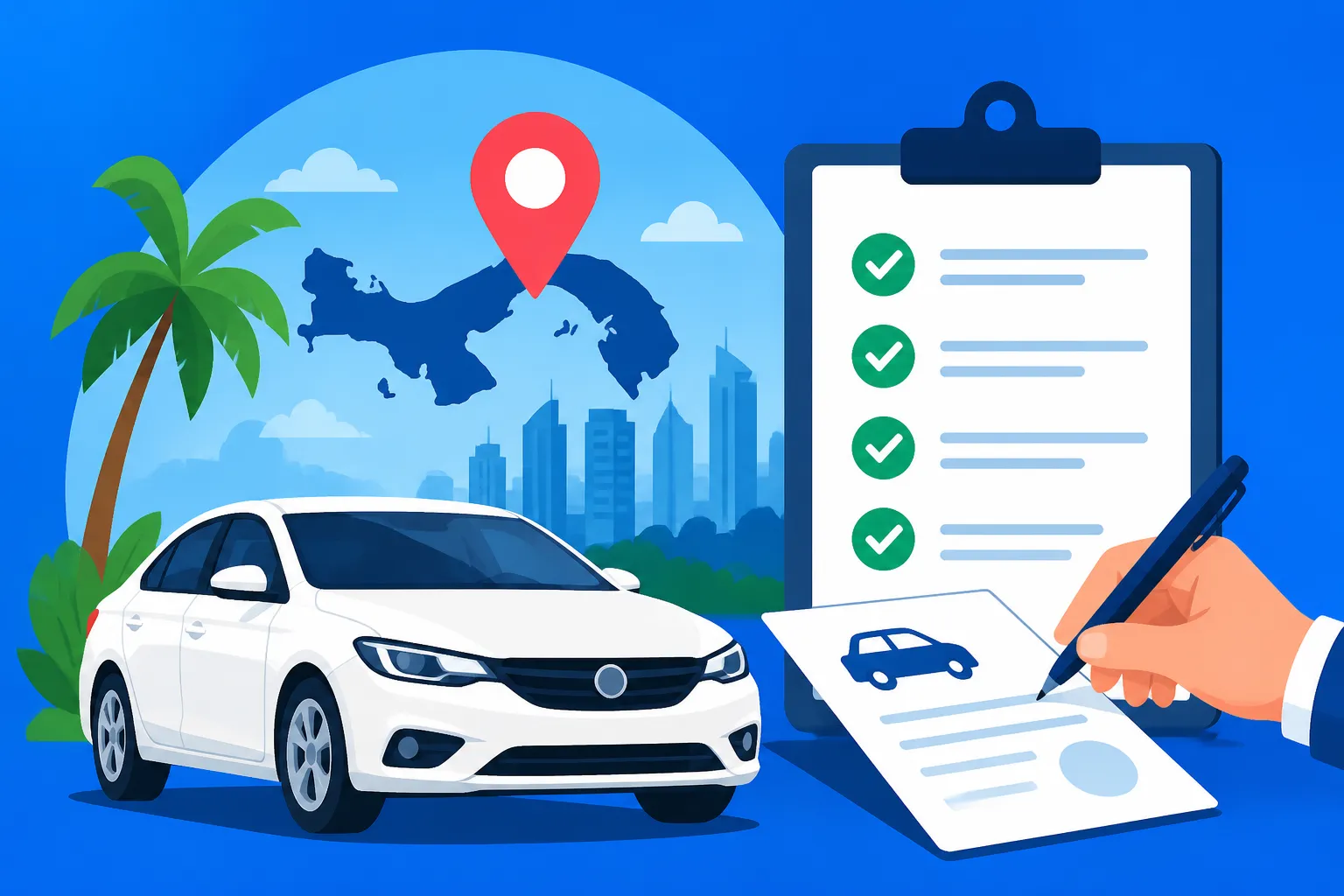
Getting a car registered in Panama can feel like navigating a maze blindfolded, especially when you're fresh off the plane. The bureaucracy here has a charm of its own, often requiring multiple visits, a lot of patience, and the right paperwork, which sometimes feels like it changes daily. But don't you worry, my friend, this guide is here to walk you through the nitty-gritty of registering your car, whether you've bought a shiny new one, a trusty used vehicle, or even imported your beloved ride from back home. We'll demystify the process, from the initial steps to keeping your registration current, so you can hit the road with confidence.
The Initial Hurdles: What You Need to Know First
Before you even think about putting a placa (license plate) on your vehicle, there are a few foundational elements you need to understand and prepare for. Panama’s vehicle registration system, managed primarily by the Autoridad del Tránsito y Transporte Terrestre (ATTT) and the various municipal transport offices, has its own unique rhythm. It's not always a quick, one-stop shop, and setting your expectations correctly from the start will save you a lot of headaches.
Understanding Residency and Documentation Requirements
First things first: your residency status in Panama plays a significant role. While it's technically possible for tourists to drive with their foreign license for a short period (usually up to 90 days, but this is often a grey area and highly dependent on the transit officer you encounter), registering a vehicle typically requires a more stable legal presence. This means having at least provisional residency, or ideally, permanent residency and a Panamanian driver's license. If you're still on a tourist visa, the idea of registering a car might be a premature step. You’ll definitely want to look into securing your legal stay first. For a deeper dive into establishing your legal presence, consider exploring our comprehensive guide on How to Get Residency in Panama: The Full Guide (2027).
You'll need a myriad of documents, and it's not just about having them; it’s about having them just so. Originals are usually required, sometimes with copies, and often both. These typically include:
- Your cédula (Panamanian ID card) or passport.
- Your Panamanian driver's license. If you don't have one yet, you'll need to know How to Get a Panamanian Driver's Licence?, which is a whole adventure in itself.
- Proof of address (utility bill, rental contract, etc.).
- The vehicle's purchase invoice or import declaration (if new or imported).
- The vehicle's title (if used and already registered in Panama).
- A valid Revisado (vehicle inspection certificate). We’ll talk more about this crucial step in a bit.
- Proof of valid Panamanian vehicle insurance. This is non-negotiable and something you’ll want to sort out early. Need to understand the ins and outs? Check out How Much Is Car Insurance in Panama?.
It sounds like a lot, and frankly, it is. My advice? Get a folder, dedicate it solely to car documents, and keep everything in it. Make multiple copies of every single document, notarize key ones if in doubt, and keep digital backups.
New vs. Used vs. Imported Vehicles: Different Paths
The registration process diverges quite a bit depending on where your car is coming from.
- New Cars (bought from a dealer in Panama): This is generally the smoothest path. Dealers often handle the initial registration, getting the placa and title for you. It might take a few weeks, but it saves you the bureaucratic run-around. They'll factor the costs into your purchase. However, even with a new car, you'll still need to ensure your personal documents are in order for the registration to be completed under your name.
- Used Cars (bought privately in Panama): This is where it gets a bit more involved. You’ll be responsible for transferring the title (traspaso) and ensuring all past placa payments and Revisado inspections are up to date. Never buy a used car without checking its history first. Make sure there are no outstanding fines or unpaid annual registration fees associated with it. You can check this at the ATTT or municipal offices, or often through an online portal if you know the placa number.
- Imported Cars: This is the most complex route, and honestly, unless you have a very specific or sentimental reason, it's often not worth the hassle. The costs of import duties, taxes, shipping, customs clearance, and then getting it up to Panamanian standards for the Revisado can quickly outweigh the value of the vehicle. If you're seriously considering it, a reputable customs broker is your best friend. They'll guide you through the maze of import declarations, tariff payments, and the initial inspection processes at Aduanas (Customs). For anyone considering the heavy lift of moving their entire life, including a car, to Panama, services like Sirelo can be incredibly helpful for understanding international moving logistics beyond just the car itself. You'll also need a solid internet connection to coordinate all these moving parts, so having a reliable eSIM from a provider like Airalo ready to go as soon as you land is a lifesaver for staying connected with brokers, lawyers, and family.
Step-by-Step Guide to Registering Your Car
Alright, let's get down to the actual process. This isn't just theory; it's a walk-through based on countless expat experiences, including my own, trying to make sense of the system.
Obtaining Your Revisado (Vehicle Inspection)
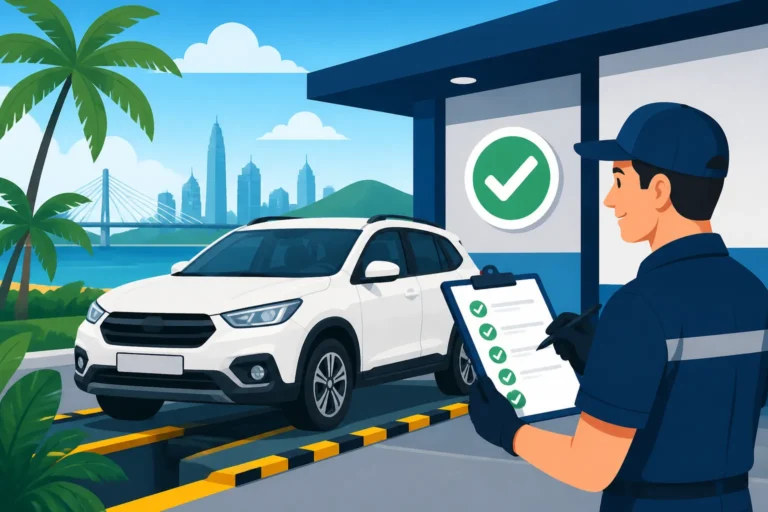
Before you can get a placa, your vehicle must pass an annual inspection, known as the Revisado técnico-mecánico. This is crucial, and it checks basic safety features, emissions, and roadworthiness.
- Find an Authorized Inspection Center: These are privately run but government-certified. In Panama City, you'll find several, like Revisalud. Outside the city, options might be fewer, so ask locals for recommendations.
- Prepare Your Vehicle: Ensure your lights, brakes, tires, horn, wipers, and seatbelts are all in working order. They'll also check for fluid leaks, exhaust emissions, and general structural integrity. If you're driving an older car, a pre-inspection check by a trusted mechanic can save you from repeat visits.
- Gather Documents for Revisado: You'll typically need the original vehicle title, current placa (if renewing), and your ID. If it's a new car or imported, you'll have specific documents from the dealer or customs.
- The Inspection: Pay the fee (usually around $20-$30, but check current rates) and present your vehicle. It can take anywhere from 15 minutes to an hour, depending on the center and how busy they are.
- Passing or Failing: If you pass, you get a sticker and a certificate. If you fail, you'll receive a list of deficiencies that need to be fixed, and you'll have to return for a re-inspection. Don't try to bribe your way through; it’s not worth the risk.
Paying Municipal and ATTT Fees
Once your Revisado is in hand, you'll need to pay the annual registration fees. These are split between the municipality where the car is registered (usually where you reside) and the ATTT.
- Municipal Fees: Head to your local municipal tax office (e.g., Municipio de Panamá in Panama City). You'll pay an annual circulation tax here. The amount varies depending on the vehicle type, year, and value. You can often pay these online through the municipality's portal, which is a real time-saver if you can navigate it.
- ATTT Fees: These are typically collected by the municipality along with their own fees, or sometimes a separate payment must be made for the placa itself at a designated ATTT office or collection point. You're essentially paying for the right to use the roads and for the physical license plate.
- Proof of Insurance: You must have valid third-party liability insurance for your vehicle. Most local insurance companies offer policies specifically for Panama. This needs to be active before you can complete the registration. You can compare options from various local providers; many expats use insurers like Assa, Mapfre, or Suramericana.
Applying for and Collecting Your Placa (License Plate)
This is the final, triumphant step! Once you've got your Revisado certificate and proof of all payments, you can apply for and collect your new placa.
- Where to Go: You usually pick up your placa at your municipal transport office. In Panama City, there are specific windows for this at the Municipio de Panamá. Outside the capital, it's typically the local municipal building.
- Required Documents for Placa Collection:
- Original vehicle title (if a new registration or transfer).
- Original Revisado certificate.
- Original and copy of your cédula or passport.
- Proof of payment for all municipal and ATTT fees.
- Proof of valid insurance.
- If a transfer, the original contrato de compraventa (sale contract) and the previous owner’s cédula or a notarized copy.
- The Wait: Expect some waiting. Bring a book, your phone, or just embrace the opportunity to people-watch. Panamanian government offices are rarely speedy. Once called, present your documents. If everything is in order, they'll issue your placa and a new registration sticker (often referred to as the calcomanía). This sticker is affixed to your license plate and shows the year your registration is valid.
A Quick Checklist for Car Registration:
| Step | Required Documents/Actions | Location/Online Option | Estimated Cost (USD) |
|---|---|---|---|
| 1. Secure Residency & Driver's License | Valid Panamanian residency status & valid Panamanian driver's license. | Immigration office, SERTRACEN | Varies |
| 2. Vehicle Title Acquisition | Purchase Invoice (new), Contrato de Compraventa (used), Import Declaration (imported). | Dealer, Seller, Customs Broker | Varies |
| 3. Obtain Vehicle Insurance | Quote and purchase third-party liability insurance. | Local Insurance Provider (Assa, Mapfre) | $100 – $300+ |
| 4. Get Revisado Inspection | Vehicle, Original Title/Invoice, ID, previous placa (if renewing). | Authorized Inspection Center (e.g., Revisalud) | $20 – $30 |
| 5. Pay Municipal & ATTT Fees | Revisado certificate, ID, vehicle details. | Local Municipal Tax Office / Online Municipal Portal | Varies (by vehicle) |
| 6. Collect Placa & Sticker | Original Title, Revisado Certificate, ID, Proof of all payments, Proof of Insurance. | Local Municipal Transport Office | Included in fees |
Remember, prices can fluctuate, so always confirm current rates. And remember that for any critical legal processes like car registration, having some data on your phone for quick searches or translations, perhaps via an Airalo eSIM, can be invaluable when you're caught off guard at a government office.
Keeping Your Registration Current: Annual Requirements
Congratulations! You’ve got your placa! But the journey doesn't end there. Car registration in Panama isn't a one-and-done deal. It's an annual commitment to keep your vehicle legally on the road.
The Annual Revisado and Placa Renewal Cycle
Every year, you’ll need to repeat a version of the process. Your placa has a small sticker (the calcomanía) on it that indicates the year it's valid for. The month it expires corresponds to the last digit of your license plate number.
- Plate Ending in 1 or 2: January
- Plate Ending in 3 or 4: February
- Plate Ending in 5 or 6: March
- Plate Ending in 7 or 8: April
- Plate Ending in 9 or 0: May
For commercial vehicles, public transport, and motorcycles, the schedule might vary slightly. Always double-check your specific vehicle's expiry month.
The annual renewal process is essentially:
- Renew your car insurance: Ensure it's valid for the upcoming year.
- Get your Revisado: Take your car for its annual technical inspection. Make sure you don't wait until the last minute, as centers can get incredibly busy as the deadline approaches.
- Pay your annual fees: Settle all municipal and ATTT fees for the year.
- Collect your new calcomanía: This is the sticker you affix to your placa to show it's valid for the current year. You usually don't get a new physical placa every year, just a new sticker.
Penalties for Expired Registration
Driving with an expired Revisado or placa is a surefire way to get a ticket (or worse, your car impounded). Traffic police are vigilant about this, especially around the end of each month. Fines for driving with an expired placa can be substantial, and accumulating points on your license can lead to suspension. Plus, if you're involved in an accident with an expired placa, your insurance company might deny your claim, leaving you completely liable. It’s simply not worth the risk. Stay on top of those renewal dates! For more comprehensive details on the rules of the road, check out Driving in Panama: Licences, Registration and Rules for Expats.
Navigating these administrative tasks can be daunting, but with a bit of foresight and a lot of patience, you'll get there. Panama is a beautiful country to explore by car, from the bustling streets of Panama City to the tranquil highlands of Boquete, and having your vehicle legally registered is your ticket to experiencing it all without unnecessary stress.
Disclaimer
The information provided in this guide is for general informational purposes only and does not constitute legal or professional advice. While we strive to keep the information up-to-date and accurate, regulations and procedures in Panama can change frequently. Always consult with relevant Panamanian authorities, legal professionals, or official government websites for the most current and specific advice regarding vehicle registration, insurance, and driving laws.