How Do I Get a Panamanian Driver’s Licence?
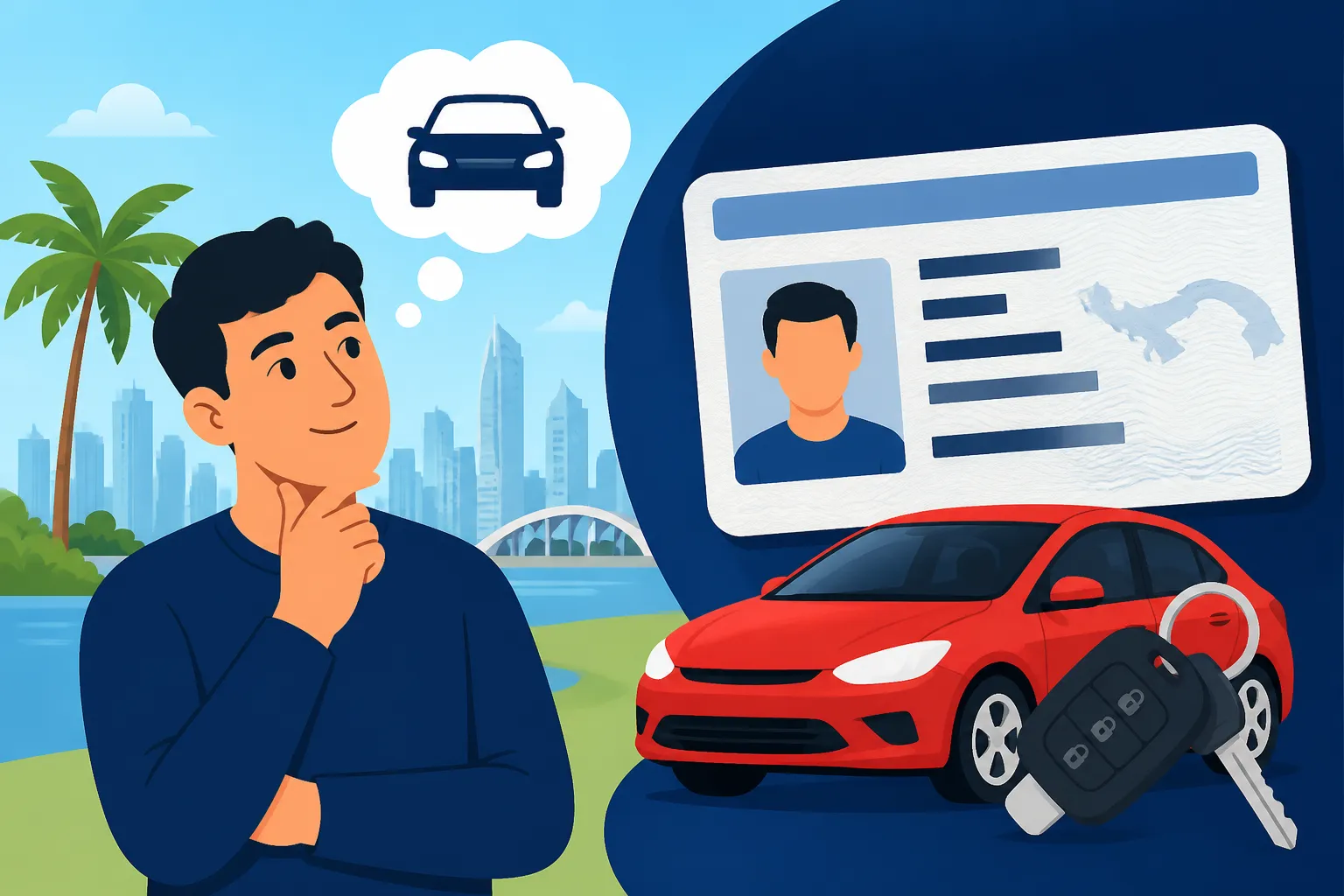
Ah, the Panamanian driver's license! This is one of those administrative rites of passage that can feel like navigating a maze blindfolded when you first arrive in Panama. You’re just trying to get from point A to point B, and suddenly you’re confronted with a whole new set of rules and a bureaucracy that sometimes seems to operate on its own unique logic. Don't worry, friend, you're not alone in feeling this way. This comprehensive guide is here to demystify the process, walking you through everything you need to know about getting your Panamanian driver's license, from exchanging your foreign one to starting from scratch.
Understanding the Initial Hurdles and Why You Need a Local License
One of the first things many expats realize, usually after a gentle (or not-so-gentle) reminder from a police officer, is that their trusty foreign driver's license has a shelf life in Panama. It’s a common misconception that if your license is valid in your home country, it’s automatically valid indefinitely here. While it certainly eases the transition, that's simply not how it works in the long run.
When Your Foreign License Isn't Enough Anymore
For most foreigners entering Panama, your valid driver's license from your home country, along with your passport, allows you to drive legally for the first ninety days from your date of entry. This 90-day grace period is a lifeline, allowing you to settle in, explore, and get your bearings without immediately adding "get a local license" to your already overflowing to-do list. However, once those ninety days are up, your foreign license is no longer considered valid for driving in Panama.
Think about it this way: if you get into an accident after your initial 90 days are up, your insurance company might refuse to cover you, citing that you were driving illegally. A simple traffic stop could escalate quickly if your documents aren't in order, leading to fines, vehicle impoundment, and a whole lot of unnecessary stress. It’s far better to proactively address this rather than find out the hard way. For more details on this initial period, you might want to read about How Do I Use My Foreign Driver's Licence in Panama?.
The Importance of the Panamanian License
Beyond the strict legalities, having a Panamanian driver's license – or licencia de conducir – is a practical necessity that smooths over so many aspects of daily life here. First and foremost, it grants you the legal right to operate a vehicle on Panamanian roads without worry. This peace of mind is invaluable, especially when navigating the bustling streets of Panama City or the winding roads of the interior.
But it’s more than just driving legally. Your Panamanian license becomes a widely accepted form of local identification, often more readily recognized than your passport or even your residency card for certain transactions. Need to pick up a package at the post office? Show your license. Want to rent a car for a weekend trip to Bocas del Toro? They'll prefer to see a local license. It simplifies interactions across the board. It’s also often a requirement when you start looking into getting car insurance in Panama, as many local providers prefer a Panamanian license for their policies.
The Step-by-Step Process for Exchanging Your Foreign License
So, you've decided it's time to get that local license. Good for you! The process, while bureaucratic, is manageable, especially if you come prepared. The key here is patience and meticulous document preparation. Most expats will go through the process of exchanging their existing foreign license rather than starting from scratch, assuming your home country has a reciprocity agreement with Panama.
Gathering Your Documents: The Paper Chase Begins
This is often where the real fun begins – the document gathering. You'll need to compile a specific set of paperwork, and it's absolutely crucial that everything is in order and up-to-date. Missing even one tiny detail can send you back to square one, delaying the process by days or even weeks.
Here’s a typical checklist:
- Original Passport and a Copy: Ensure your passport is valid, and make sure you have clear photocopies of the main data page and the entry stamp page from your most recent arrival in Panama.
- Original Residency Card (Cédula E) and a Copy: This is non-negotiable. You need to be a legal resident to exchange your license. If you're still working on that, check out How Do I Get My Cedula Residency ID in Panama? and How to Get Residency in Panama: The Full Guide (2027) for essential information.
- Original Foreign Driver’s License and a Copy: The license you want to exchange. It must be valid and in good standing.
- Proof of Blood Type: This is a standard requirement in Panama. You can usually get this done quickly at a local lab or even some clinics on the same day you do your medical exam. More on this below.
- Payment for SERTRACEN Fees: The cost varies depending on the type of license and validity period, but expect to pay around $40-$50 for a standard license valid for four years.
- Legalized Translation (if applicable): If your foreign license is not in Spanish or English, you might need a certified translation. Most common licenses (from North America, Europe) are fine as is.
- Apostille or Legalization (CRITICAL for non-reciprocal countries): This is a huge one. If your country of origin does not have a reciprocal agreement with Panama for driver's licenses, you will need to get your foreign driver's license apostilled in your home country. This certifies its authenticity. If your country is part of the Hague Apostille Convention, an apostille is sufficient. If not, you'll need full consular legalization. Always check if your country has an agreement with Panama first! This step can be the biggest hurdle if you're already in Panama and didn't get it done beforehand.
It's always a good idea to have several extra copies of all your documents, just in case. You never know when an extra photocopy will be requested.
Navigating SERTRACEN: The Testing Center Experience
SERTRACEN (Servicios de Tránsito Centroamericanos) is the government entity responsible for issuing driver's licenses in Panama. This is where you'll spend a significant portion of your day. It can be a bustling place, often with long lines, so arrive early and be prepared. There are several SERTRACEN locations; the main ones are in Panama City, but you’ll find branches in major cities like David as well.
When you arrive at SERTRACEN, you'll typically go through a multi-station process:
- Document Review: Your initial set of documents will be checked for completeness. This is where any missing item will send you packing.
- Vision and Hearing Tests: These are basic screenings. You'll read an eye chart and confirm you can hear sounds. If you wear glasses or hearing aids, make sure you have them with you.
- Blood Type Verification: They will verify your blood type certificate. If you haven't gotten one yet, some larger SERTRACEN locations might have a small clinic on-site where you can get this done for an additional fee, but it's generally quicker to do it beforehand at a private lab.
- Theoretical and Practical Tests (If Applicable): For those exchanging licenses from countries with reciprocity agreements, you might be exempt from the theoretical (written) and practical (driving) tests. However, some countries require them, or if you are applying for a higher category license than your foreign one, you may need to take them. Always confirm this based on your specific nationality. If you do need to take the tests, the theoretical exam is usually a multiple-choice computer test on Panamanian traffic laws, and the practical test involves a short drive on a designated course or nearby streets with an examiner.
- Photo and Fingerprints: Once all tests and document checks are passed, you'll have your photo taken for the license and provide digital fingerprints.
- Payment and Issuance: You'll pay the applicable fees, usually at a dedicated cashier window. After payment, you generally receive your new Panamanian driver's license right there on the spot.
The Blood Type Test and Medical Exam
As mentioned, a blood type certificate is mandatory. This isn't just a quirky Panamanian requirement; it's a practical measure in a country where medical records aren't always digitally centralized and easily accessible in emergencies. Knowing your blood type on your license can save precious time in a critical situation.
You can usually get your blood type tested at almost any private laboratory or clinic across Panama. Look for places like Laboratorios Riba Smith or Clinicas América. It's a quick, simple blood draw, and you'll typically get the results within a few hours or the next day. The cost is usually quite affordable, often in the $10-$20 range. Some private doctors, like those you might find through a search for How to Find an English-Speaking Doctor in Panama, can also provide this. While you’re there, you'll also undergo a general medical exam. This is usually a quick check of your reflexes, blood pressure, and a brief chat about your medical history to ensure you're fit to drive.
Practical and Theoretical Tests (If Applicable)
Even if you’re exchanging your license, sometimes you might still face the theoretical or practical tests. This mostly happens if your originating country doesn't have a direct agreement for full exemption, or if you're upgrading to a different class of license.
The theoretical test covers Panamanian traffic laws, road signs, and safe driving practices. There are study guides available (often online or at SERTRACEN) that can help you prepare. Don't underestimate this, especially if you're used to driving in a different system. Some rules might be unique or emphasized differently here.
The practical test, for those who need it, assesses your ability to safely operate a vehicle. This might involve parking maneuvers, following traffic signs, and demonstrating general control. You'll usually need to provide your own vehicle for the test, which can be a rental car or a friend's car, as long as it's properly registered and insured.
Costs, Timelines, and Common Pitfalls
Understanding the financial and time commitments is crucial for managing expectations and avoiding unnecessary frustration. Panamanian bureaucracy, while improving, still operates at its own pace.
Breaking Down the Costs
The total cost can vary, but here's a general breakdown of what you can expect:
- SERTRACEN Fees: For a standard Class C license (private vehicles), it's typically around $40 for four years. Other classes (motorcycle, commercial) and longer validity periods (6 or 10 years, if eligible) will have different fees.
- Medical Exam & Blood Test: Budget around $20-$40 for this, depending on where you go.
- Photocopies: A few dollars for all the copies you'll need.
- Legalized Translation/Apostille: This can be the most significant variable cost. An apostille from your home country can range from $20 to $200+, depending on your country and how quickly you need it. If you need a local certified translation, that's another cost.
- Lawyer Fees (Optional but Recommended): While you can do this yourself, many expats choose to hire a local lawyer or facilitator to guide them through the process. This can be invaluable, especially if you don't speak fluent Spanish or are pressed for time. A lawyer can help ensure all your documents are correct and sometimes expedite certain steps. Expect to pay anywhere from $100 to $300 for this service, but it can save you a lot of headaches and repeat visits.
- Transportation: Don't forget the cost of getting to and from SERTRACEN, labs, and potentially other government offices.
Realistic Timelines
The entire process, from gathering all your documents to walking out with your license, can take anywhere from a few days to several weeks.
- Document Gathering: This could be the longest part, especially if you need an apostille from your home country. This alone can take weeks or even months if you're coordinating internationally.
- Medical/Blood Tests: Usually a same-day or next-day turnaround.
- SERTRACEN Visit: If you have all your documents perfectly in order and don't need to take any tests, you could potentially get your license in a single, long morning at SERTRACEN. However, it's more realistic to budget a full day, or even two separate half-days if you encounter issues or long queues. If you need to take the theoretical and practical tests, factor in additional time for studying and scheduling.
Patience is truly a virtue here. Don’t rush the process, and be prepared for potential delays.
Common Expat Frustrations and How to Overcome Them
- Language Barrier: This is probably the biggest hurdle for many. While some staff at SERTRACEN might speak a little English, assume all official communication will be in Spanish. If your Spanish isn't up to par, seriously consider bringing a Spanish-speaking friend, a local facilitator, or a lawyer. Services like Airalo can help you stay connected with translation apps or a contact person.
- Inconsistent Information: You might hear different things from different people, even within the same office. This isn't always malice; sometimes rules change, or different staff members interpret procedures slightly differently. The best approach is to confirm everything in writing if possible, or politely ask to speak to a supervisor if you receive conflicting advice.
- Missing Documents (or the "extra" document): You might arrive thinking you have everything, only for a clerk to ask for something you didn't anticipate. This is why having extra copies and being prepared to visit a nearby copy shop is essential. A good lawyer or facilitator can help anticipate these requests.
- The "Run Around": It's not uncommon to be sent from one window to another, or even to a different building, for seemingly minor steps. Try to stay calm, keep a positive attitude, and remember that this is just part of the Panamanian experience.
Special Considerations for Different Scenarios
The path to a Panamanian driver's license isn't always a one-size-fits-all journey. Different circumstances can lead to slightly varied requirements and processes.
First-Time Drivers and Panamanian Driving Schools
If you're new to driving entirely and don't have a foreign license to exchange, you'll need to go through the full Panamanian licensing process. This involves:
- Enrolling in a Driving School: You’ll need to complete a certified driving course at a recognized Panamanian driving school. These schools provide both theoretical instruction on traffic laws and practical lessons behind the wheel.
- Theoretical Exam: After completing the classroom portion, you'll take the written theoretical exam at SERTRACEN.
- Practical Exam: Once you pass the theoretical exam and feel confident in your driving skills, you'll take the practical driving test at SERTRACEN.
- Medical and Blood Type Tests: These are still required, just like for an exchange.
The driving school route typically takes longer and is more expensive than an exchange, but it ensures you're well-versed in local driving customs and regulations.
Driving with an International Driving Permit (IDP)
Many expats arrive with an International Driving Permit (IDP) issued in their home country. An IDP is essentially a translation of your home country's driver's license into multiple languages. While helpful, it's crucial to understand its limitations in Panama.
An IDP is only valid when accompanied by your original, valid foreign driver's license. It does not extend the 90-day grace period for driving on foreign plates. Once those 90 days are up, your IDP is no longer valid for a resident, as the underlying foreign license it translates is no longer recognized for driving by an expat who has established residency. It can be useful for tourists, but for those establishing a life here, it's not a substitute for a Panamanian license after the initial period.
Commercial or Special Vehicle Licenses
If you plan to drive commercial vehicles, motorcycles (Class A), heavy equipment, or public transport, you'll need specific license categories. These often come with additional requirements, such as more extensive practical testing, specific medical clearances, and sometimes age restrictions. For example, a motorcycle license (Class A) will require a separate theoretical and practical test specifically for motorcycles, even if you’re exchanging a car license.
For those planning a full move, bringing all your belongings via a shipping company like Sirelo might involve considering vehicle import and registration, which also ties into the driving license requirements.
Here’s a quick summary table of common documents and estimated costs:
| Document/Service | Requirement | Estimated Cost (USD) | Notes |
|---|---|---|---|
| Passport | Original & Copy | – | Valid, with current entry stamp |
| Residency Card (Cédula E) | Original & Copy | – | Must be a legal resident to exchange |
| Foreign Driver's License | Original & Copy | – | Must be valid & in good standing |
| Blood Type Certificate | Original | $10 – $20 | From a local lab/clinic |
| Medical Exam | Conducted at SERTRACEN or approved clinic | $10 – $20 | Basic vision, hearing, general health check |
| SERTRACEN Fees | Class C License (4 years) | $40 | Varies by class and validity period |
| Apostille/Legalization | REQUIRED if no reciprocity agreement | $20 – $200+ | Obtained in your home country; major variable cost |
| Certified Translation | REQUIRED if license not in Spanish/English | $20 – $50 | If needed, locally |
| Lawyer/Facilitator | Optional, highly recommended for non-Spanish speakers | $100 – $300 | For guidance and assistance with paperwork |
Navigating the process of getting your Panamanian driver's license might seem daunting at first, but with a clear understanding of the steps, the required documents, and a healthy dose of patience, you'll be cruising legally on Panamanian roads in no time. It's a key step in truly feeling at home and independent in your new country.
Disclaimer
Please note that immigration laws and administrative procedures in Panama are subject to change without prior notice. While we strive to provide the most accurate and up-to-date information, it is always recommended to verify all requirements with the official government agencies (such as SERTRACEN and the National Immigration Service) or consult with a qualified Panamanian legal professional before making any decisions. This guide is for informational purposes only and does not constitute legal advice.