Can Foreigners Buy Property in Panama?
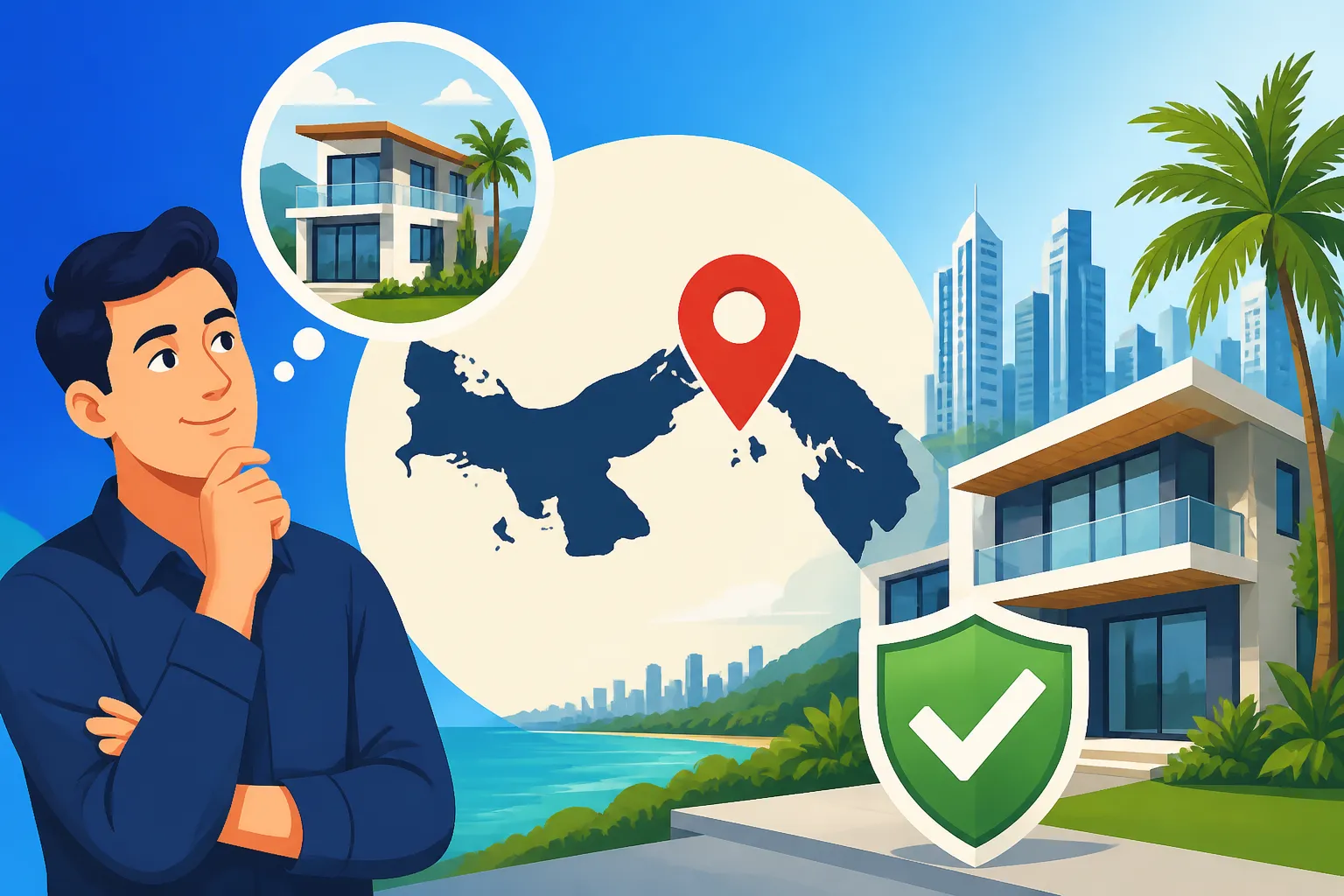
Oh, the dream of owning a piece of paradise in Panama! It's one of those big, beautiful aspirations that draws so many of us here. But for many foreigners, that dream often comes with a nagging question: "Can I, a non-Panamanian, actually buy and truly own property in this country?" It’s a completely valid concern, fueled by stories from other nations with complex ownership laws for expats. Let me tell you, having navigated these waters myself and seen countless others do the same, the answer is a resounding "yes" – but, as with everything wonderful in Panama, understanding the nitty-gritty details is absolutely crucial. This comprehensive guide is designed to unravel those complexities, giving you a clear, realistic roadmap to owning your own slice of this vibrant nation.
The Foundation: Legal Rights for Foreign Property Ownership in Panama
Panama has long been a beacon for foreign investment, and this welcoming stance extends significantly to its real estate market. Unlike some countries where property ownership might be heavily restricted to citizens or require a convoluted process for long-term residents, Panama largely offers the same property rights to foreigners as it does to its own citizens. This open-door policy is a huge relief for many who are looking to plant roots here, whether their vision involves a tranquil retirement villa, a shrewd investment opportunity, or simply a new lifestyle in the tropics.
No Citizenship Requirement to Buy Property
Let's get this fundamental point clear right from the start: you absolutely do not need to be a Panamanian citizen, nor do you need to hold permanent residency, to purchase property in Panama. This is a common misconception that often deters potential buyers unnecessarily. Your valid passport, along with other standard identification documents, will typically suffice for the identity verification required in real estate transactions. This flexibility is undoubtedly one of Panama's most significant draws for international buyers, simplifying the initial steps of acquiring property considerably. It means you can arrive, fall in love with a place, and begin the purchase process without needing to first embark on the longer journey of residency applications.
Panama's Constitution and Its Property Laws
The legal framework underpinning property ownership in Panama is quite clear and generally favorable to foreign buyers. Article 37 of Panama's Constitution broadly grants foreigners the same rights and duties as Panamanians, with a few notable exceptions. For property ownership, these exceptions primarily concern specific land ownership near sensitive border areas or certain coastlines, which we'll dive into shortly. However, for the vast majority of residential and commercial properties available across the country – from bustling Panama City apartments to serene Boquete homes or beachfront condos in Coronado – you will find a level playing field. This means you can own land, houses, condominiums, and commercial spaces outright, in your own name or through a Panamanian entity, giving you secure and recognized ownership under Panamanian law.
Navigating the Nuances: Restricted Zones and Property Types
While Panama is undeniably welcoming to foreign property ownership, it’s not entirely without its caveats. There are specific geographical areas where foreign ownership is restricted, primarily due to national security concerns or historical precedents. Understanding these limitations upfront is crucial to avoid any unwelcome surprises or legal hurdles down the line. It truly pays to do your homework here, or rather, ensure your chosen legal team does theirs meticulously. You might find it helpful to look into Understanding the Foreigner Property Purchase Rules in Panama for a deeper dive into these regulations.
Coastal and Border Zones: The Primary Restrictions
The most significant restriction for foreign individuals applies to properties located within 10 kilometers (approximately 6.2 miles) of Panama's international borders and certain designated areas along its coastlines and islands. These are legally classified as "restricted zones." The intention behind these laws is to safeguard national security and environmental interests. This doesn't mean you can't enjoy life near the beach or close to a border town; it simply means that direct individual foreign ownership of titled land in these specific restricted zones is generally prohibited.
However, many foreigners successfully navigate this by purchasing property through a Panamanian corporation or a trust. These legal entities, being Panamanian, are permitted to hold title to land in restricted zones, and the foreign buyer then owns the corporation or is the beneficiary of the trust. It's a common and perfectly legal workaround utilized by many expats who desire a beachfront villa or an island getaway. That said, it's absolutely imperative to consult with a local lawyer who specializes in real estate and corporate law if you're considering property in these areas. They can guide you through the correct legal structure and ensure your investment is secure.
Island Properties: Additional Considerations
Ownership of property on many of Panama's picturesque islands can also come with its own set of specific considerations. While some islands have fully titled land available for purchase, others – particularly those within indigenous territories or protected ecological zones – might have more complex ownership structures. You might encounter leasehold arrangements rather than outright freehold, or situations where land is held under communal titles. These scenarios demand even greater scrutiny. It's not uncommon to find properties marketed as "island paradises" that, upon closer inspection, have complicated or unclear ownership histories. You certainly don't want to invest your hard-earned money only to discover you have limited rights or a property that can't be easily resold. Again, a lawyer experienced in island real estate is non-negotiable.
Titled vs. Rights of Possession (ROP) Property: A Critical Distinction
This is perhaps the most critical distinction in Panamanian real estate that often confuses and, at times, ensnares newcomers. Understanding the difference between titled and Rights of Possession (ROP) land is paramount for any foreign buyer.
- Titled Property: This is the gold standard of ownership in Panama, and what most foreign buyers should aim for. Titled property means the land has been properly surveyed, its boundaries clearly defined, and it has been officially registered in the Public Registry of Panama (Registro Público). It comes with a clear deed (escritura pública) and a unique registration number, often referred to as a "Finca number." When you buy titled property, your ownership is secure, officially recorded, and easily verifiable. This is the type of ownership that provides peace of mind and is straightforward to transfer or mortgage.
- Rights of Possession (ROP) Property: This is where things get considerably trickier. ROP land is property that has not been fully titled and registered in the Public Registry. Instead, individuals hold "rights of possession" to the land, often based on historical use, continuous occupation, or cultivation over a certain period. Think of it somewhat like a recognized form of squatter's rights, though often with a degree of local recognition and documentation. While ROP land can be significantly cheaper than titled land, it carries substantial risks. The legal process to convert ROP to titled land is complex, lengthy, expensive, and not always guaranteed. You might purchase ROP only to find out later that someone else has a competing claim, or that the government decides to reclaim the land for public use, often with minimal compensation. For most foreign buyers, especially those new to Panama, it's generally advised to prioritize Understanding Titled vs ROP (Rights of Possession) Property in Panama and stick exclusively to titled properties for simplicity, security, and ease of future transactions. If you do happen to fall in love with an ROP property, ensure you have a highly reputable Panamanian lawyer conduct extensive due diligence, and be prepared for a potentially arduous titling process.
The Path to Ownership: A Simplified Buying Process
So, you've done your homework, understand the nuances, and you've found your dream titled property. Wonderful! Now, what does the actual buying process look like? While it can feel daunting, especially in a foreign country with different legal customs, it's entirely manageable with the right team and a healthy dose of patience. When you're considering a move that involves such a significant investment, services like Sirelo can be incredibly helpful for planning your international relocation and comparing reputable movers, taking some of the logistical stress off your plate as you focus on your new home.
Finding Your Property and Choosing a Real Estate Agent
The very first step, naturally, is to identify a property that genuinely suits your needs, lifestyle, and budget. Here in Panama, working with a reliable and experienced real estate agent is absolutely paramount. Look for one with a proven track record, especially in dealing with expat clients, and who has a solid reputation within the community. A good agent will not only guide you through the local market, help you understand pricing dynamics in different areas – whether you're eyeing a spot in The Best Places to Live in Panama for Expats: A Complete Guide (2027) or a bustling city area – but also connect you with other essential professionals. Crucially, from the outset, ensure your agent is transparent about whether a property is titled or ROP. Don't ever hesitate to ask direct questions about the property's legal status. A good agent will appreciate your thoroughness. You can also dive into How to Find a Reliable Real Estate Agent in Panama to help with this critical first step.
The Offer and Promise to Purchase Agreement
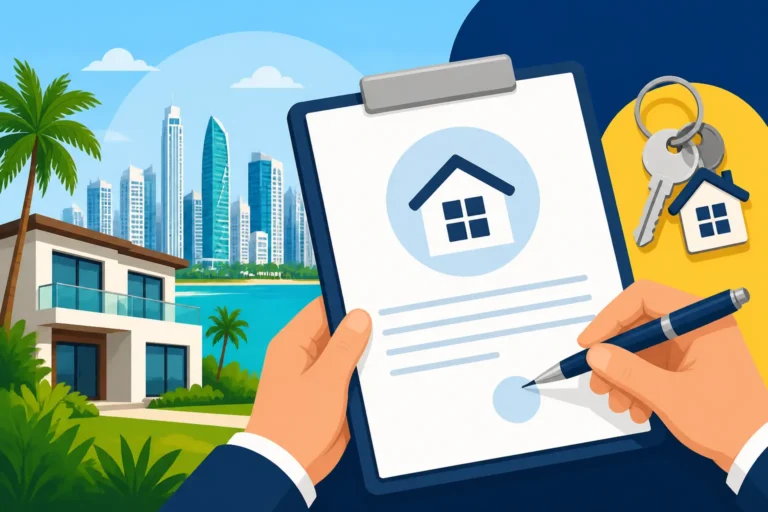
Once you've found a property you want to pursue, you'll make a formal offer, usually in writing. If the seller accepts, the next step typically involves signing a "Promise to Purchase" agreement, known as a Contrato de Promesa de Compra-Venta. This vital document outlines all the agreed-upon terms of the sale, including the exact purchase price, the payment schedule, any specific contingencies (like inspection periods or financing approvals), and the final closing date. At this stage, a deposit, typically around 10% of the purchase price, is often required. This deposit is usually held in an escrow account, ensuring both parties are protected. Remember, this agreement is legally binding, so it is absolutely essential that your chosen Panamanian real estate lawyer reviews every single clause thoroughly before you commit to signing anything.
Due Diligence and Legal Representation: Your Safety Net
This stage is, without exaggeration, the most critical part of the entire buying process. You absolutely must engage an experienced and trustworthy Panamanian real estate lawyer. Their role is to perform comprehensive due diligence, which is your safety net against potential pitfalls. Their due diligence will include:
- Title Verification: Checking the property's title at the Public Registry (Registro Público) to confirm it's clean, legally registered, and free of any liens, encumbrances, easements, or other legal issues that could affect your ownership.
- Tax and Utility Clearance: Confirming there are no outstanding property taxes, municipal fees, or utility bills (electricity, water, sanitation) associated with the property, as these can sometimes transfer with the property.
- Zoning and Permits: Verifying zoning regulations to ensure the property can be used for its intended purpose (e.g., residential, commercial) and checking for necessary building permits if construction has recently occurred.
- Boundary Confirmation: Ensuring the physical boundaries of the property align with the registered plans.
- Seller's Authority: Confirming that the seller has the legal right and authority to sell the property.
This step cannot be overstated. A diligent lawyer will save you immense headaches, potential financial losses, and future legal battles. Many expats who encounter problems often bypassed or skimped on this crucial stage. If you're trying to understand What Is the Step-by-Step Process to Buy Property in Panama?, know that robust due diligence forms a massive and indispensable chunk of it.
Financing Your Property Purchase
While many expats choose to pay cash for their Panamanian properties, local financing options are available, though they can be more challenging for foreigners. Getting How to Get a Mortgage to Buy Property in Panama as a non-resident can be a rigorous process. Panamanian banks often require a substantial down payment, typically ranging from 30% to 50% of the purchase price, and will meticulously scrutinize your financial history and income stability. The application process demands considerable patience and a significant amount of paperwork. Some international banks might offer financing for foreign properties, but these tend to be less common for smaller residential purchases and often come with their own set of requirements.
Closing the Deal: Becoming a Property Owner
Once all due diligence is satisfactorily completed and any necessary financing is secured, the final sale agreement, known as the Escritura Pública de Compra-Venta, is prepared. Both the buyer and the seller (or their legal representatives) will then sign this document before a Public Notary (Notario Público). The remaining balance of the purchase price is paid at this point, often via a bank transfer or certified check through the escrow agent. The Notary's crucial role is to authenticate the signatures and ensure the legality of the transaction. Following this, the Notary registers the transfer of title into your name at the Public Registry. This official registration is what formally makes you the legal owner of the property under Panamanian law, a moment of real celebration! You can delve deeper into How to Complete the Property Purchase and Title Process in Panama for more detailed information.
Costs, Taxes, and Practicalities for Foreign Buyers
Buying property is never just about the sticker price; there are various associated costs, taxes, and ongoing responsibilities that you need to be acutely aware of. Budgeting correctly for these elements will prevent any unpleasant financial surprises and ensure a smoother transition into property ownership in Panama.
Associated Buying Costs: The "Hidden" Fees
Beyond the agreed-upon purchase price of the property, you will encounter a range of closing costs. These can typically run between 5% and 7% of the purchase price, though they can vary. It's essential to factor these into your overall budget. These usually include:
- Transfer Tax (Impuesto de Transferencia de Bien Inmueble): This is a 2% tax levied on the registered value of the property or the sale price, whichever is higher. By law, this tax is primarily the seller's responsibility, but in many real estate transactions in Panama, it’s often negotiated into the buyer's overall cost or shared between parties.
- Property Registration Fee: This is a fee paid to the Public Registry for recording the new title in your name, typically ranging from 0.5% to 0.7% of the registered value.
- Legal Fees: These can vary significantly depending on the complexity of the transaction and your chosen lawyer's fee structure. Expect anywhere from 1% to 2% of the purchase price, or a flat fee for simpler, more straightforward cases. Always get a clear quote upfront.
- Notary Fees: Public Notary fees are based on a sliding scale, calculated on the value of the transaction, generally ranging from 0.25% to 0.5% of the property value.
- Appraisal Fees: If you are securing a mortgage, an independent appraisal of the property will be required by the bank, and you will typically cover this cost.
Understanding What Taxes Apply When Buying Property in Panama? is essential to budget accurately, as is reading about The Complete Guide to Property and Transaction Taxes in Panama (2027). Don't let these "hidden" costs catch you off guard when planning your budget for something like How Much Does It Cost to Buy an Apartment in Panama City?. Being prepared ensures a smoother financial journey.
Ongoing Property Taxes (Impuesto de Bien Inmueble – IBI)
Panama operates a progressive property tax system based on the registered value of the land and any improvements (buildings). There are certain exemptions for properties below a specific value, and many new constructions historically benefited from a 20-year property tax exemption. However, it's crucial to note that these exemptions have been undergoing reforms and changes, so it's vital to get the most current information regarding your specific property. Generally, properties designated as a "primary residence" can enjoy significantly lower tax rates or even full exemptions on the first portion of their value. For instance, a primary residence might be exempt on the first $120,000 of its value, with progressive rates applied to any amount above that. Always discuss the current and future property tax liabilities with your lawyer before committing to a purchase.
Utilities, Connectivity, and Property Management
Once you own the property, you'll naturally become responsible for setting up and managing your utilities. This includes electricity (often provided by companies like ENSA or Gas Natural Fenosa, depending on the region), water (IDAAN), and essential services like internet and mobile connectivity. Major providers such as Cable Onda (now Tigo) and Digicel offer a range of internet, TV, and mobile services. The process of connecting utilities is often straightforward but can require some patience and paperwork. For your initial days, or while you're sorting out local mobile services, an eSIM from a provider like Airalo can be a lifesaver for staying connected without the immediate hassle of hunting for local SIM cards. If you're not planning to live in your property full-time, or even if you are but prefer convenience, consider engaging a reliable property management company. They can be invaluable for maintaining your investment, handling renters (if applicable), and ensuring bills are paid on time. You can learn more about setting these up in The Expat Guide to Setting Up Utilities (Electricity, Water, Internet) in Panama.
Homeowners Associations (HOA) or Propiedad Horizontal (PH) Fees
If you purchase an apartment in a condominium building or a house within a gated community, it is almost certain that you will be required to pay monthly HOA or Propiedad Horizontal (PH) fees. These fees cover shared expenses crucial for the maintenance and smooth operation of the community. Typically, they include costs for security services, maintenance of common areas (such as swimming pools, gyms, elevators, gardens, and shared recreational facilities), and sometimes even basic services like water or gas. These fees can vary significantly, ranging from under $100 for smaller, older buildings to several hundreds of dollars a month for luxury high-rises with extensive amenities. Always ask for a detailed breakdown of these fees and a clear understanding of what they cover before signing a purchase agreement. You absolutely do not want What Are the HOA Fees (PH Fees) for an Apartment in Panama? to be an unexpected surprise after you’ve closed on your dream home.
Seller Financing and Rental Income Considerations
While less common, seller financing can sometimes be an option in Panama, particularly for higher-value properties or in a buyer's market. This is where the seller acts as the bank, providing a loan to the buyer. If you plan to generate rental income from your Panamanian property, it's crucial to remember that this income, being sourced in Panama, is subject to Panamanian income tax. Your lawyer and a local accountant can advise you on the proper registration, tax obligations, and deductions applicable to rental properties, ensuring you remain compliant with local regulations.
Owning property in Panama is a tangible goal for many, and it's certainly achievable for foreigners. With careful planning, thorough due diligence, and the right professional support, your dream of a Panamanian property can become a beautiful reality.
Disclaimer
The information provided in this guide is intended for general informational purposes only and does not constitute legal, financial, or real estate advice. While we strive to keep the information up-to-date and accurate, laws and regulations in Panama can change. It is essential to consult with qualified Panamanian legal professionals, real estate agents, and financial advisors before making any decisions related to property purchase or investment in Panama. We are not responsible for any actions taken based on the information presented herein.