How to Find a Reliable Real Estate Agent in Panama
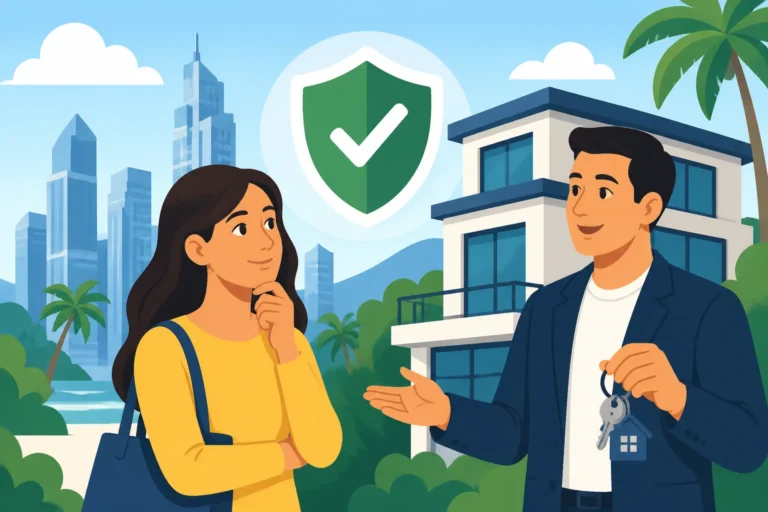
Moving to a new country like Panama, especially when you're looking for a place to call home, is exhilarating but can also be incredibly daunting. One of the biggest hurdles expats often face is navigating the real estate market without a local’s insight. You might feel lost in translation, unsure of who to trust, and worried about making a costly mistake. This guide is here to walk you through the essential steps to finding a truly reliable real estate agent in Panama, ensuring your property search is as smooth and secure as possible.
Why a Reliable Real Estate Agent is Crucial in Panama
Let's be honest, Panama's real estate market can feel like a labyrinth if you're not from here. From understanding local property laws and nuances to finding the right neighborhood that suits your lifestyle, having a knowledgeable and trustworthy guide by your side isn't just a luxury – it's an absolute necessity. Many expats, myself included, have learned this the hard way. Trying to go it alone often leads to frustration, wasted time, and sometimes, even significant financial headaches.
Navigating Legal and Cultural Nuances
The legal framework for property transactions in Panama has its own distinct characteristics, which can differ significantly from what you might be accustomed to back home. For instance, understanding the intricacies of How to Buy Property in Panama as a Foreigner: The Full Guide (2027) or the specifics of How to Sign a Rental Contract and Pay a Deposit in Panama requires more than just a quick Google search; it demands local, up-to-date expertise. A reliable agent doesn't just show you properties; they act as your primary liaison, helping you understand clauses, translate jargon, and ensuring all contracts are legally sound and transparent. Without someone who truly knows the ropes, you could inadvertently sign a contract with unfavorable terms or overlook critical details that protect your interests. They bridge the cultural gap, too, helping you understand local customs in negotiations or what's considered reasonable in a rental agreement.
Accessing the Right Market and Listings
Here's a common misconception: you can find everything online. While platforms like Encuentra24 and other local listing sites are a good starting point, many of the best properties, especially in sought-after areas or those with unique characteristics, are often not publicly advertised. They circulate within agent networks or are known through word-of-mouth. A well-connected agent has access to these exclusive listings, sometimes even before they hit the general market. They can help you discover hidden gems, negotiate better deals, and present options you might never have found on your own. For example, if you're looking for a specific type of property in a niche area like El Cangrejo or even exploring options in Boquete, an agent with a strong local presence will have their finger on the pulse of what’s truly available, not just what’s advertised broadly.
Understanding the Panamanian Real Estate Landscape
Before diving headfirst into agent selection, it's wise to get a lay of the land yourself. Panama's real estate market is dynamic and diverse, reflecting its status as an international hub. Knowing the different types of properties, ownership structures, and general market conditions will empower you in your conversations with potential agents.
Property Ownership Structures
One of the most important aspects to understand is property ownership. In Panama, you'll encounter primarily two types: titled property and Rights of Possession (ROP) property. Titled property, which is formally registered in the Public Registry, is generally the safer and more straightforward option for expats. It means clear ownership and simplifies transactions. ROP, on the other hand, means you possess the right to use and occupy land, but you don't hold a formal title. While ROP properties can sometimes be cheaper, they come with significantly higher risks and complexities for foreign buyers. A good agent will always steer you towards Understanding Titled vs ROP (Rights of Possession) Property in Panama and advocate for titled properties unless you explicitly understand and accept the risks associated with ROP. Knowing this upfront will help you evaluate an agent's advice and ensure they prioritize your long-term security.
Current Market Conditions
Panama's real estate market, particularly in urban centers like Panama City, is constantly evolving. Factors like new construction projects, shifts in expat demographics, and economic trends can all influence prices and availability. For example, knowing the average rental costs, whether for a modest apartment in El Carmen or a luxury condo in Costa del Este, can help you gauge if an agent is being realistic or trying to overcharge. Understanding How Much Does It Cost to Rent an Apartment in Panama City in 2026? or the general cost of living will prepare you. Are prices currently stable, appreciating, or in a buyer's market? A reliable agent should be able to articulate the current market conditions clearly and honestly. They should advise you on areas that are seeing growth, like specific zones within Panama Pacifico, or areas that might be over-saturated. This macro-level understanding forms the foundation of smart property decisions and helps you assess your agent’s true expertise.
Initial Steps: Research and Vetting Your Options
Finding a great real estate agent isn't something you should rush. It requires diligence, patience, and a bit of detective work. Think of it like building a trusted team around you for your big move. Don't just pick the first agent you find online or the one recommended by a distant acquaintance.
Online Research and Recommendations
Start with a broad sweep. Leverage expat forums and social media groups dedicated to Panama. These communities are often goldmines for genuine, unfiltered recommendations – and warnings. Look for consistent positive feedback and agents who are mentioned repeatedly for their integrity and effectiveness. Websites like Acodeco (Panama's consumer protection agency) might not list specific real estate agents, but they can give you an idea of consumer rights. Beyond expat groups, scour Panamanian real estate websites and directories. Make a shortlist of agents or firms that seem promising. When checking out an agent's online presence, look for professional websites, active social media, and client testimonials. While some agents might only speak Spanish, you can often find English-speaking agents, especially in Panama City or popular expat areas like Coronado and Boquete. Remember, having reliable communication is key, whether you’re navigating the city or coordinating with agents. Using an eSIM from a provider like Airalo can ensure you're always connected without worrying about local SIM card hassles, especially when you're first arriving.
Interviewing Potential Agents
Once you have your shortlist, it’s time to get proactive. Schedule introductory calls or meetings with at least three to five agents. Treat these like job interviews, because that's essentially what they are – you're hiring them to represent your significant financial interests. Prepare a list of questions that cover their experience, knowledge of the areas you’re interested in, their fees, and their approach to client communication. Ask them about their licensing, membership in professional associations, and how they handle potential conflicts of interest. For example, ask, "How do you ensure you're only showing me properties that fit my needs, and not just properties where you have a higher commission?" Pay attention to their communication style. Are they good listeners? Do they answer your questions clearly and concisely, or do they ramble and avoid direct answers? Their responsiveness during this initial phase is a strong indicator of how they'll perform once they're working for you. A good agent will be asking you questions too, trying to understand your specific needs, budget, and lifestyle to tailor their search effectively.
What to Look for in an Agent
Beyond the basics, there are specific qualities and credentials that truly set apart a reliable real estate agent in Panama. These are the characteristics that will ensure you have a smooth, informed, and ultimately successful property search.
Licensing and Professional Affiliations
In Panama, real estate agents and brokers are regulated by the Junta Técnica de Bienes Raíces (Technical Board of Real Estate). It's absolutely crucial that your agent holds a valid license issued by this board. Don't be shy about asking to see it, and verify it if possible. An unlicensed individual may claim to be an agent, but they won't be bound by professional ethics or legal responsibilities, leaving you vulnerable. Beyond licensing, look for agents who are members of professional associations like ACOBIR (Asociación Panameña de Corredores y Promotores de Bienes Raíces – Panamanian Association of Real Estate Brokers and Developers). Membership in such organizations often implies a commitment to a code of ethics, ongoing education, and a higher standard of professionalism. These affiliations can also provide avenues for recourse if a dispute arises. An agent who proudly displays these credentials and offers to verify them demonstrates transparency and confidence in their legitimacy.
Local Market Expertise
This isn't just about knowing the names of neighborhoods; it's about deep, granular knowledge. A truly expert agent understands the micro-markets within Panama City, for instance. They know which specific buildings in Avenida Balboa have better management, which areas in El Cangrejo offer better pedestrian access, or what the rental yield might be like in San Francisco. If you're looking at The Best Places to Live in Panama for Expats: A Complete Guide (2027), they should be able to articulate the pros and cons of each area beyond the superficial. They should know about future developments that could impact property values, local infrastructure projects, traffic patterns, and the availability of essential services like hospitals, schools, and grocery stores. Ask them specific questions about particular buildings or streets. Their ability to provide nuanced answers, citing examples or past experiences, will demonstrate their genuine local expertise versus someone who's just doing a quick search on their phone. For example, if you're interested in a property that might require extensive renovation, they should be able to give you a realistic idea of contractor costs and permit requirements in that specific municipality.
Communication and Responsiveness
Communication is the cornerstone of any successful client-agent relationship, especially when you're dealing with transactions in a foreign country. You need an agent who is not only fluent in your preferred language but also communicates clearly, promptly, and proactively. This means they respond to your emails and calls in a timely manner, provide regular updates on your search, and explain complex issues in an easy-to-understand way. There's nothing more frustrating than waiting days for a response when you're trying to make a time-sensitive decision. A reliable agent will set clear expectations for communication from the outset. Do they prefer email, WhatsApp, or phone calls? How quickly can you expect a reply? Beyond responsiveness, observe their listening skills. Do they truly hear your needs and preferences, or do they push properties that don't quite fit? An agent who understands your vision, even if it evolves, and adapts their search accordingly, is invaluable.
Transparent Fee Structure
Always, always, always clarify the fee structure upfront. In Panama, real estate commissions are typically paid by the seller, but it's essential to understand if there are any charges you, as the buyer or renter, might be responsible for. This could include administrative fees, legal costs, or other charges that might not be immediately obvious. A transparent agent will provide a clear breakdown of all potential costs associated with the purchase or rental process. They should put this in writing. Be wary of agents who are vague about their fees or suggest additional payments under the table. A reliable agent adheres to ethical practices, and their financial dealings will be above board and easily understandable.
Common Pitfalls and How to Avoid Them
Even with the best intentions, expats can stumble into common traps when navigating Panama's real estate market. Being aware of these pitfalls can help you stay vigilant and ensure a smoother process.
The "All My Listings" Agent
It's tempting for some agents to only show you properties from their own portfolio. While this might be convenient for them, it severely limits your options and might not present you with the best fit for your needs. A truly client-focused agent understands that their priority is your satisfaction, even if it means collaborating with other agents or searching across multiple databases. When you're interviewing agents, specifically ask about this. How do they find properties? Do they work with other agencies? If an agent seems reluctant to show you properties that aren't exclusively theirs, that's a red flag. A good agent will cast a wide net, accessing the Multiple Listing Service (MLS) or similar cooperative platforms used by licensed professionals, to ensure you see everything that's available and suitable. Their goal should be to find your dream property, not just to move their inventory.
Overpaying or Being Pressured
In any new market, there's always a risk of overpaying, especially if you're perceived as a naive foreigner. Some unscrupulous agents might inflate prices or rush you into a decision. Remember, you're the client, and you have the right to take your time and make an informed choice. Never feel pressured to make an offer on a property you're not entirely comfortable with. A reliable agent will provide comparable sales data ("comparables") for similar properties in the area, helping you understand fair market value. They will advise you on negotiation strategies and represent your interests to get the best possible price. If an agent is constantly telling you "this won't last" or "you need to decide now," step back and reassess. It's often a tactic to create artificial urgency. Platforms like Sirelo can provide broader cost of living insights for Panama, giving you a general sense of expenses, but your agent should be specific about property values. It's essential to perform your due diligence, and a reliable agent facilitates this, rather than impeding it.
Neglecting Legal Counsel
Even with a stellar real estate agent, you absolutely must retain independent legal counsel. Your agent's role is to help you find and negotiate the property; your lawyer's role is to protect your legal and financial interests throughout the transaction. This is particularly vital when dealing with property titles, contracts, and financial transfers. Many expats mistakenly assume their agent's lawyer will suffice, but remember, the agent's lawyer works for the agent (or sometimes the seller), not for you. Your lawyer will conduct thorough due diligence, verify the property's title (using resources like How to Check a Property Title in Panama?), ensure all permits are in order, and review all contracts before you sign anything. They will also handle the intricacies of transferring funds and registering the property in your name. Never underestimate the importance of this separate, independent legal representation.
The Process: From Search to Closing with an Agent
Once you've found your ideal agent, the real work begins. Understanding the typical flow of a property transaction in Panama will help you manage expectations and work effectively with your chosen professional.
Property Search and Viewings
This is where your agent truly shines. Based on your discussions, they will curate a list of properties that match your criteria, whether you're looking for a sprawling family home in Clayton or a cozy studio in Casco Viejo. They will arrange viewings, often coordinating multiple appointments back-to-back to maximize your time. During viewings, a good agent will highlight key features, point out potential issues, and answer all your questions. They act as your advocate, asking tough questions on your behalf to the seller or listing agent. After each viewing, take the time to debrief with your agent. Share your likes, dislikes, and any concerns. This feedback loop is crucial, allowing them to refine their search and understand your evolving preferences better. Don't be afraid to be specific – "I loved the kitchen, but the noise from the street was a deal-breaker" helps them narrow down future options.
Making an Offer and Negotiation
Once you find a property you love, your agent will guide you through the process of making an offer. This typically involves drafting a formal offer letter that outlines your proposed price, terms, and any contingencies (e.g., subject to inspection or financing). Your agent will leverage their market knowledge and negotiation skills to present your offer to the seller or their agent, aiming to secure the best possible deal for you. This phase can involve back-and-forth negotiations, where a skilled agent can make a significant difference in securing favorable terms, like the inclusion of appliances or specific repair work. They'll advise you on what’s reasonable to ask for and when to hold firm. For property purchases, they can also connect you with institutions for How to Get a Mortgage to Buy Property in Panama.
Due Diligence and Closing the Deal
After an offer is accepted, the due diligence period begins. This is where your independent lawyer becomes paramount, thoroughly checking the property's legal status, historical records, and ensuring there are no outstanding liens or debts. Your agent will often facilitate access for inspections (e.g., structural, electrical, plumbing), and help gather necessary documentation. They'll also assist with the practicalities, such as understanding How to Set Up Electricity in Your Panama Home or other utilities. The closing process itself involves signing various legal documents, transferring funds, and registering the property in your name at the Public Registry. Your agent will typically be present to ensure everything proceeds smoothly, providing support and clarification alongside your lawyer. This final stage requires meticulous attention to detail, and having both a reliable agent and a dedicated lawyer ensures all bases are covered.
Red Flags to Watch Out For
While Panama has many excellent real estate professionals, it's wise to remain vigilant. Recognizing potential red flags early can save you a lot of grief and money down the road.
Lack of Transparency
Transparency is key. If an agent is cagey about answering direct questions, particularly about their fees, licensing, or the history of a property, consider it a major warning sign. For instance, if you ask about Understanding Property Ownership and the Market in Panama (2027) and they provide vague, generalized answers instead of specific details, that's not ideal. A reliable agent will be upfront about any known issues with a property, disclose all relevant costs, and explain any potential complexities without prompting. Be particularly wary if they rush you through paperwork without adequate explanation or pressure you to sign documents before your lawyer has reviewed them. They should also be transparent about how they get paid and who pays their commission.
Poor Communication and Unprofessionalism
This goes beyond just slow response times. Does the agent show up late to appointments without apology? Do they fail to follow through on promises? Are their communications unclear, filled with typos, or lacking professionalism? Such behaviors are not just annoying; they're indicators of a lack of respect for your time and business. In a transaction as significant as buying or renting a home, you need someone meticulous and reliable. An agent who is consistently disorganized or unprofessional will likely cause headaches throughout the process, potentially jeopardizing your deal or leading to costly errors. If they frequently "forget" details you've already discussed or contradict themselves, it's a sign that they may not be paying enough attention or are overwhelmed, which ultimately affects the quality of service you receive.
Pushy Sales Tactics and Unrealistic Promises
A good agent is an advisor, not a salesperson trying to hit a quota. If an agent uses high-pressure tactics, makes outlandish claims about future property appreciation, or promises things that sound too good to be true (e.g., "this property will double in value in a year!"), exercise extreme caution. Real estate investments carry risks, and a professional agent will always present a balanced, realistic picture. They won't promise things they can't deliver, nor will they try to manipulate your emotions. If they constantly dismiss your concerns or try to convince you to ignore red flags you've identified, it's time to politely disengage. Your instincts are there for a reason, and a truly reliable agent will respect your decision-making process, providing data and advice rather than undue pressure.
Here's a quick checklist to help you vet potential real estate agents:
| Criteria | Yes/No | Notes |
|---|---|---|
| Holds Valid Panamanian License | Ask for license number and verify with Junta Técnica de Bienes Raíces. | |
| Member of ACOBIR or similar | Indicates adherence to a professional code of ethics. | |
| Strong Local Market Knowledge | Can discuss specific neighborhoods, market trends, infrastructure, and future developments beyond generalities. | |
| Excellent Communication Skills | Responsive, clear, proactive, and fluent in your preferred language. | |
| Transparent Fee Structure | Clearly outlines all potential costs and commission arrangements in writing. | |
| Accesses Broad Listings | Shows properties beyond their own portfolio; uses MLS or collaborates with other agents. | |
| Client-Centric Approach | Listens to your needs, understands your budget, and doesn't push unsuitable properties. | |
| Provides Comparables | Offers data on recent sales in the area to justify pricing. | |
| Recommends Independent Legal Counsel | Insists you have your own lawyer review all documents, demonstrating ethical practice. | |
| Positive References/Testimonials | Can provide contactable client references or has consistent positive reviews from other expats. | |
| Professional Demeanor | Punctual, organized, and respectful during all interactions. | |
| No Pressure Tactics | Allows you time to make decisions, avoids artificial urgency or unrealistic promises. |
Conclusion
Finding a reliable real estate agent in Panama might seem like an uphill battle, especially when you're navigating a new country and its unique systems. But with a bit of informed effort, thorough vetting, and a clear understanding of what to look for, you can absolutely find a professional who will be your trusted ally in securing your perfect home. Remember to prioritize proper licensing, deep local knowledge, transparent communication, and an agent who genuinely puts your interests first. By following these steps, you’ll not only find a reliable agent but also pave the way for a much smoother transition into your new life here in beautiful Panama.
Disclaimer
The information provided in this guide is for general informational purposes only and does not constitute legal, financial, or real estate advice. While we strive to provide accurate and up-to-date information, the real estate market and regulations in Panama can change. Always consult with qualified Panamanian legal and real estate professionals for advice tailored to your specific situation.