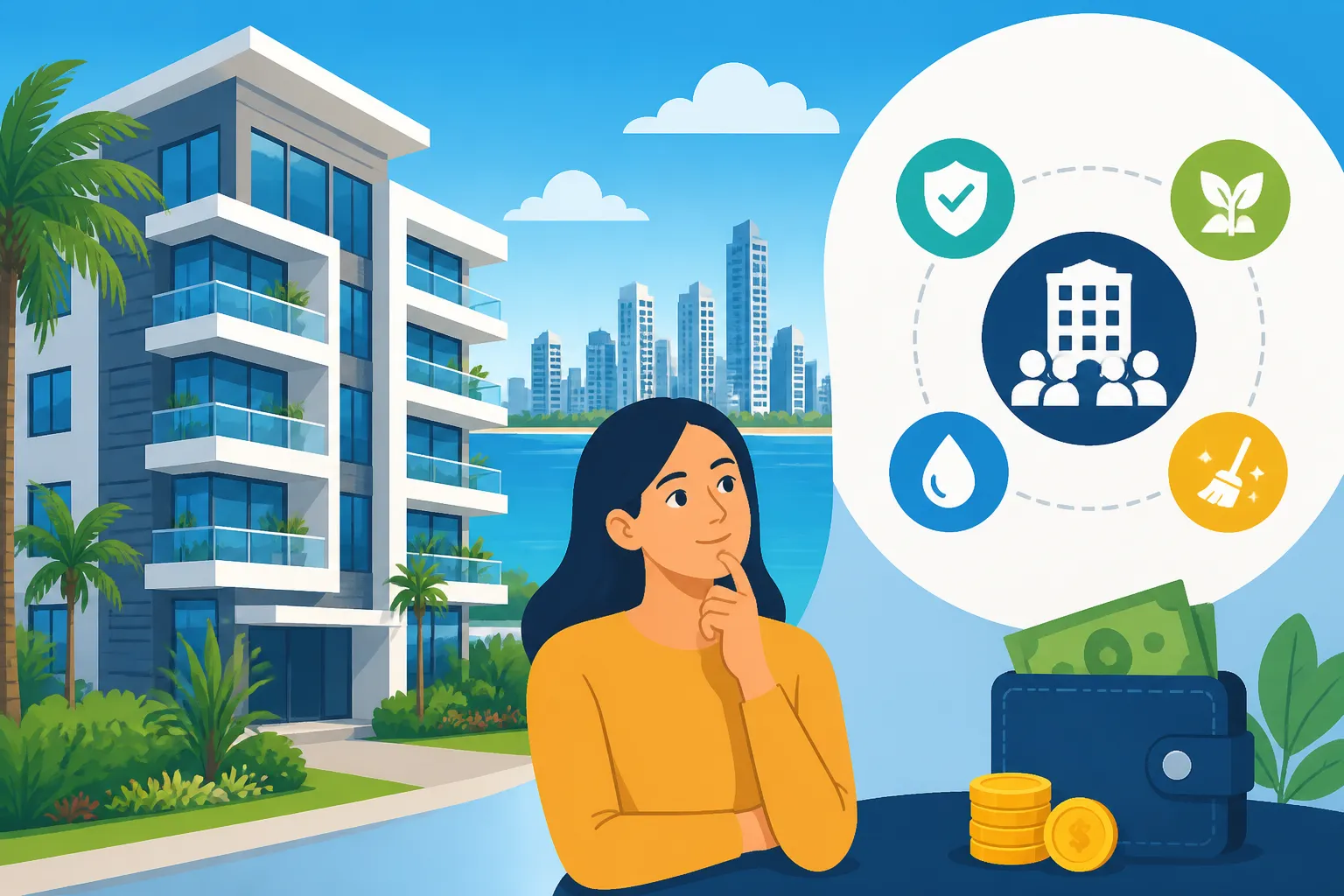
What Are the HOA Fees (PH Fees) for an Apartment in Panama?
Ah, the notorious PH fees! If you're new to the vibrant, sometimes bewildering, world of Panamanian real estate, these two letters can spark a lot of confusion and even frustration. You're trying to figure out your monthly budget, and then suddenly, there's this extra charge that isn't quite rent, isn't quite a utility, but it's definitely a significant chunk of change. Trust me, you're not alone in feeling a bit lost. This guide is here to unravel the mystery of HOA (Homeowners Association) or, as they're known locally, Propiedad Horizontal (PH) fees for apartments in Panama, explaining what they are, what they cover, and what you can realistically expect to pay.
Deciphering the "PH Fees" Phenomenon in Panama
When you first start looking at apartments in Panama, whether to rent or to buy, you'll inevitably encounter the term "PH fees." For those coming from countries like the US or Canada, this immediately brings to mind HOA fees. And you'd be right to make that connection, at least partially. PH fees are essentially Panama's version of HOA dues, but with their own unique flavor and legal framework that can make them feel a bit more… opaque, at times.
Many expats arrive expecting a straightforward rental or purchase price, only to discover that their anticipated monthly outgoings are significantly higher due to these mandatory fees. It's a common point of contention, and it's easy to feel like you're being hit with hidden costs. But in Panama, these fees are a standard and necessary part of apartment living, crucial for maintaining the communal aspects of your building. Understanding them is key to accurately assessing your How Much Does It Cost to Live in Panama for Expats? and making informed decisions about your housing.
Understanding Propiedad Horizontal PH Law
The term "PH" stands for Propiedad Horizontal, which translates directly to "Horizontal Property." This isn't just a fancy name; it refers to the legal regime that governs multi-unit buildings, like apartment complexes, condominiums, and even some gated communities with shared amenities. Under Propiedad Horizontal law, you own your individual unit, but you also own an undivided, proportional share of the common areas. This could be anything from the building's structure itself to the lobby, elevators, swimming pool, gym, parking garage, and even the security gates.
This legal framework dictates how these common areas are managed, maintained, and funded. Each owner (or in the case of renters, often indirectly through their rent or a separate charge) is obligated to contribute to the upkeep of these shared spaces. The fees are collected by an administrative body, usually a building management company or a board elected by the residents, to cover all the expenses associated with the Propiedad Horizontal. This means that the beautiful pool, the sparkling lobby, and the always-on security guards aren't just magically taken care of; they're funded directly by everyone living there. Without these fees, the building would quickly fall into disrepair, affecting everyone's quality of life and property value. So, while they might sting a little, they're essential for preserving the lifestyle and amenities that often draw expats to specific buildings in the first place.
Common Components Covered by PH Fees
So, what exactly are you paying for when you shell out those monthly PH fees? It's a comprehensive package designed to keep the entire building running smoothly and safely. While specific inclusions can vary from one building to another, especially depending on the age, size, and luxury level of the property, there are several common components you can almost always expect to be covered.
Firstly, security is a huge one in Panama. Most modern apartment buildings and gated communities have 24/7 security personnel, often multiple guards, controlling access, monitoring CCTV, and patrolling the premises. These salaries, along with security equipment and systems, are a major line item in the PH budget. Next up is general maintenance of the common areas. This includes everything from cleaning the hallways, lobby, and elevators to landscaping the gardens, routine repairs of the building's structure, and upkeep of shared facilities like gyms, social rooms, and children's play areas. Think about the costs of window washing for a high-rise, or the constant need to clean and maintain a busy pool deck in the tropical climate – it all adds up.
Then there's the administrative costs. This covers the salaries of the building manager and administrative staff who handle everything from collecting fees and paying bills to coordinating repairs and dealing with resident inquiries. Utilities for common areas, such as electricity for hallways, lighting, elevators, and water for pools and gardens, also fall under PH fees. For buildings with generators (a common and highly valued feature in Panama due to occasional power outages), the maintenance and fuel costs for these are also factored in. Finally, many buildings include insurance for the common areas, covering structural damage, liability, and other risks specific to the property. Some might even include amenities like basic cable in common areas or even shared Wi-Fi for residents in social spaces. When you move into a place, make sure to ask for a detailed breakdown of what the fees actually cover; it helps you understand the value you're getting.
What Factors Influence the Cost of PH Fees?
The cost of PH fees in Panama isn't a one-size-fits-all figure. It's heavily influenced by a combination of factors, much like property values themselves. Understanding these variables can help you anticipate what you'll be paying and make a more informed decision when you're looking for your next home in Panama. It’s not just about the square footage of your unit, but the whole ecosystem of the building.
For instance, a brand-new luxury high-rise on Balboa Avenue with multiple pools, a full gym, a sauna, a party room, and round-the-clock concierge service is naturally going to have significantly higher PH fees than an older, more modest building in El Cangrejo with just a basic lobby and one elevator. The more "bells and whistles" a building offers, the more expensive it will be to maintain those features, and thus, the higher the fees. It's a trade-off many expats are willing to make for the lifestyle that certain buildings provide, but it's crucial to factor it into your overall housing budget.
Location and Property Type
One of the primary drivers of PH fees is, predictably, the location of the property. High-demand, upscale neighborhoods in Panama City, such as Costa del Este, Santa María, Punta Pacifica, and parts of Avenida Balboa, often command the highest fees. This is partly due to higher property values influencing administration costs and partly because these areas tend to feature newer, more luxurious buildings with extensive amenities and more robust security measures. A building in Punta Pacifica, for example, might have fees that are 50-100% higher than a comparable-sized unit in a more residential, less amenity-rich neighborhood like El Cangrejo or San Francisco.
Beyond Panama City, the picture changes. In popular expat havens like Boquete in the highlands, or the beach communities of Coronado and Gorgona, PH fees still exist, especially in gated communities or condominium complexes, but they are generally lower. These areas might not have the same density of high-rise buildings, and the amenities, while lovely, might be less extravagant than in the capital. For example, a gated community in Coronado might have a communal pool, security, and gardening services, leading to fees that are more in line with a mid-range building in Panama City, but far less than the luxury towers. The type of property also matters significantly: a large apartment in a towering high-rise will typically have higher fees than a small unit in a low-rise, or a house within a gated community where common facilities are fewer. When you're looking to Rent an Apartment in Panama City, always inquire about the specific PH fees for that building.
Amenities and Services Provided
This is where your PH fees really start to stretch your wallet, but also where you see the tangible value. The more luxurious and comprehensive the amenities and services a building provides, the higher your PH fees will be. Think about it: a building with a state-of-the-art gym, an Olympic-sized swimming pool, a dedicated sauna and spa area, multiple social lounges, a children's playroom, and even a co-working space, requires constant upkeep, cleaning, and sometimes even staffing. Each of these features adds to the operational costs.
Take a building with a multi-story parking garage, for instance. It needs regular cleaning, lighting, ventilation systems, and security monitoring. If there's a valet service, that's additional staff payroll. Then there are specialized services like a full-time concierge who can assist with deliveries, booking taxis, or even minor emergencies – these are highly valued, but they come at a cost. Buildings with extensive gardens and green spaces need dedicated landscaping teams. Even the number and speed of elevators can impact fees, as maintenance contracts for these crucial systems are not cheap. When you're considering a property, don't just admire the sparkling pool; ask yourself if you'll actually use these amenities regularly enough to justify the monthly contribution. It’s a bit like choosing a fancy resort for daily living – incredible, yes, but definitely not budget-friendly if you're not maximizing every feature.
Average PH Fees in Panama: A Realistic Snapshot
Alright, let's get down to brass tacks: what can you actually expect to pay for PH fees? As we've discussed, there's no single answer, but I can give you some realistic ranges based on what I've seen and experienced living here for years. It's important to remember these are general estimates for 2026 and can fluctuate with inflation, energy costs, and special assessments. Always verify the current fees for any specific property you're interested in.
Generally, you'll find that PH fees are often calculated per square meter of your unit. So, a larger apartment will naturally have higher fees than a smaller one in the same building. This makes sense, as your share of the common property is proportional to the size of your private unit. It's a pretty standard way to divide up the costs fairly, but it means that if you're eyeing a sprawling penthouse, prepare for a hefty monthly PH bill!
| Building Type & Location | Typical Monthly PH Fee Range (USD) | Common Inclusions |
|---|---|---|
| Luxury High-Rise (Punta Pacifica, Costa del Este, Balboa Avenue) | $300 – $800+ | 24/7 security, multiple pools, state-of-the-art gym, social areas, co-working spaces, generator, water, gas, concierge, valet, common area cleaning, landscaping, building insurance, administrative staff. |
| Mid-Range High-Rise (San Francisco, El Cangrejo, Bella Vista) | $150 – $350 | 24/7 security, one pool, basic gym, small social area, generator (often), water, common area cleaning, building insurance, administrative staff. |
| Older Apartment Building (Cangrejo, parts of Paitilla, Obarrio) | $100 – $250 | Daytime/limited security, basic pool (if any), small or no gym, common area cleaning, water, potentially no generator, administrative costs. |
| Gated Community (Coronado, Boquete, Beach Areas) | $100 – $400 | 24/7 gate security, communal pool, landscaping for common areas, road maintenance, water (sometimes), trash collection, administrative staff. Can vary widely based on amenities like golf courses, beach clubs. |
Typical Ranges Across Panama City Districts
In Panama City, the range of PH fees is quite broad. If you’re looking at a sleek, modern high-rise in Punta Pacifica or Costa del Este, where the buildings are often newer, feature extensive amenities like multiple swimming pools, professional gyms, saunas, squash courts, and dedicated social event spaces, you can easily expect to pay anywhere from $300 to upwards of $800 per month. These buildings typically offer 24/7 multi-layered security, high-speed elevators, full-time concierges, and often include gas and water in the fees for individual units, alongside all common area utilities and maintenance. The prestige of the address and the sheer volume of services drive these costs up significantly.
Move to districts like San Francisco, El Cangrejo, or Bella Vista, and you’ll find a more moderate range. Here, many buildings are a bit older, perhaps with a single pool, a functional but not lavish gym, and 24/7 security that might be less intensive than in the luxury towers. PH fees in these areas for a decent-sized apartment typically fall between $150 and $350 per month. These fees will cover standard security, common area maintenance, cleaning, water, and basic administrative costs. Newer buildings in these areas with more modern amenities might creep towards the higher end of this range. It's important to differentiate between buildings within these districts; a newly constructed tower in San Francisco will have higher fees than a 30-year-old building just a few blocks away.
For older buildings, particularly in parts of Paitilla, Obarrio, or the older sections of El Cangrejo, which might have fewer amenities (perhaps just a basic lobby and elevators, maybe an old pool), you might find fees in the $100 to $250 range. These buildings often have less intensive security, and fewer communal spaces to maintain. While these lower fees might seem attractive initially, it’s crucial to inspect the building’s condition carefully. Sometimes lower fees can indicate deferred maintenance, which could lead to large special assessments down the line. Always consider the long-term implications and overall condition of the building. This is where a good How Do I Find a Reliable Real Estate Agent in Panama can be invaluable.
Fees Outside the Capital: Boquete, Coronado, and Beyond
Stepping outside the bustling capital, the PH fee landscape shifts somewhat, often offering a different kind of value, but still very much a reality. In popular expat destinations like Boquete in the Chiriquí highlands, you'll find fewer high-rise apartment buildings and more gated communities of single-family homes or smaller condo complexes. Here, PH fees typically range from $100 to $400 per month, but they can vary wildly depending on the community's offerings.
For example, a community built around a golf course or with a large clubhouse, extensive landscaping, and perhaps even its own water source will naturally have higher fees. These fees cover things like 24/7 gate security, road maintenance (which can be a big deal on mountain roads!), common area landscaping, and maintenance of shared facilities like pools or clubhouses. They might also include services like trash collection and even water supply for the individual homes. However, you won't typically see the same level of luxury amenities or high-rise specific costs you would in Panama City.
Similarly, in the popular beach communities along the Pacific coast, like Coronado, Gorgona, and Playa Blanca, PH fees for beachfront condos or units within resort-style gated communities can range from $150 to $500+. These fees are often dictated by the proximity to the beach, the size and number of pools, the presence of beach clubs, restaurants, or other resort amenities, and the level of security. Many of these communities offer a fantastic lifestyle with direct beach access and beautifully maintained common areas, but again, that comes with a price tag. Always make sure to ask for the PH fees before you sign any rental or purchase agreement, and get a clear understanding of what's included. This knowledge helps you realistically calculate your Cost of Living in Panama for Expats (2026) in these scenic areas.
Navigating PH Fees: Practical Tips for Expats
Navigating PH fees in Panama can feel like an extra layer of bureaucracy and expense when you're already dealing with moving to a new country. But with a bit of foresight and the right questions, you can approach it with confidence. Remember, these fees are a non-negotiable part of apartment living here, so the goal is to understand them, budget for them, and ensure you're getting value for money.
One of the biggest lessons I learned early on is that you absolutely cannot assume anything. Don't just look at the advertised price for an apartment and think that's your total monthly cost. Always, always, always ask specifically about the PH fees, what they include, and if there have been any recent or planned special assessments. This proactive approach can save you a lot of headaches and financial surprises down the line. It's also important to consider these fees in the context of the overall property; sometimes a slightly higher PH fee means a much better-maintained building, which can enhance your living experience and protect your investment.
Due Diligence Before You Commit
Before you put pen to paper on any rental or purchase agreement, doing your due diligence on PH fees is paramount. It’s not enough to just know the monthly amount; you need to understand the specifics. First and foremost, ask for a detailed breakdown of what the PH fees cover. This isn't always readily offered, so be persistent. You want to see line items for security, cleaning, administration, maintenance, water, gas, generator, and any special amenities like a gym or pool. This transparency will show you exactly where your money is going.
Secondly, and crucially, request to see recent meeting minutes from the Propiedad Horizontal board (the equivalent of HOA board meetings) and the annual budget. This might sound excessive, but these documents reveal a lot. Meeting minutes can highlight ongoing issues, planned major repairs, or upcoming special assessments that could significantly increase your costs. The budget will show if the building is financially sound, or if it's operating in the red, potentially leading to future fee hikes or assessments. For instance, if the building's reserve fund is low, and the elevators are old, you can bet a special assessment for new elevators is on the horizon. This level of scrutiny is particularly important if you're looking to How to Buy Property in Panama as a Foreigner: The Full Guide (2027). A good real estate agent will facilitate this, but if you're renting privately, you might need to push a bit harder. Always consider consulting with a Panamanian lawyer, especially for purchases, to review the PH regulations and ensure there are no hidden clauses or massive outstanding debts.
Managing Your Budget and Unexpected Costs
Once you have a clear picture of the PH fees, integrating them into your monthly budget is essential. Remember, these are fixed costs, much like your rent or mortgage, so they need to be factored in alongside utilities, groceries, and other living expenses. When considering The Complete Guide to Cost of Living in Panama for Expats (2026), make sure PH fees are a prominent line item. For many expats, the temptation is to focus solely on the rent or purchase price, overlooking these additional charges until it's too late.
Beyond the regular monthly fee, you must also be aware of the possibility of special assessments. These are one-time or temporary additional charges levied on unit owners to cover unexpected major repairs or improvements that aren't covered by the regular budget or the building's reserve fund. Think a damaged roof from a storm, a failing elevator system, or a mandatory upgrade to the building's fire safety. These can range from a few hundred to several thousand dollars, split among the units. While rare in well-managed buildings with healthy reserve funds, they do happen. Having a small emergency fund specifically for such eventualities can save you a lot of stress. Also, stay connected with your building's administration. Many buildings use WhatsApp groups or email lists for important announcements, including any discussions about PH fees or upcoming assessments. Staying informed will help you manage your finances and avoid nasty surprises. When you're searching for an apartment, having reliable internet access, perhaps with an eSIM from a provider like Airalo, can be really helpful for checking these details and staying in touch with agents or owners. For all your moving logistics, a service like Sirelo can also simplify your relocation, ensuring your belongings arrive safely while you sort out these critical housing details.
Disclaimer
The information provided in this guide is for general informational purposes only and does not constitute legal, financial, or real estate advice. While we strive to ensure accuracy, regulations and costs in Panama can change. Always consult with qualified local professionals, such as lawyers, real estate agents, and financial advisors, for advice tailored to your specific situation.