How to Get a Mortgage to Buy Property in Panama
Trying to navigate the Panamanian financial system to secure a mortgage for your dream property can feel like deciphering an ancient scroll, especially when you’re an expat. The process often differs significantly from what you might be used to back home, leading to confusion and, let's be honest, a fair bit of frustration. This guide is here to demystify the journey, breaking down everything you need to know about how to get a mortgage to buy property in Panama, helping you confidently move from property dreams to reality.
Understanding Panama's Mortgage Landscape for Expats
When you first arrive in Panama, the idea of owning property here often feels like a distant dream, especially when you hear tales of complex bureaucracy. But let me tell you, it's absolutely achievable, just with a few Panamanian twists! The mortgage landscape for foreigners is unique, and understanding it is your first step to success.
Is Getting a Mortgage Even Possible for Foreigners?
The short answer is a resounding yes, but it's not always as straightforward as walking into a bank in your home country and signing on the dotted line. Many expats initially assume that because Panama uses the US dollar and has a relatively stable economy, getting a mortgage will be a breeze. The reality, however, often involves a bit more legwork and a healthy dose of patience. Panamanian banks are open to lending to foreigners, but they operate under stricter criteria and a different risk assessment model. They want to see stability, a clear financial footprint, and a demonstrable connection to Panama. So, while it's possible, be prepared for a thorough process that might require you to adapt your expectations a little. Don't be discouraged; many have done it, and you can too!
Key Players in the Panamanian Mortgage Market
The Panamanian banking sector is robust, with several key players dominating the mortgage market. You'll quickly become familiar with names like Banco General, Banistmo, and Global Bank. These are the main institutions that typically cater to foreign clients looking for property loans. Each bank has its own specific policies, criteria, and even its own "personality," so what one bank might offer or require, another might not. For example, some might be more comfortable with foreign-sourced income than others, or they might have specific requirements for how long you've resided in the country.
While mortgage brokers exist in Panama, they're not as prevalent or necessary for expats as they might be in North America or Europe. Many expats find it more effective to approach the banks directly, especially when dealing with the specific nuances of foreign income and residency status. That being said, if you find a broker who specializes in expat mortgages, they can sometimes help streamline the initial inquiries across different banks.
Differences Between Panamanian and Home Country Mortgages
One of the most significant advantages of getting a mortgage in Panama, of course, is that the official currency is the US dollar. This eliminates exchange rate risks for those earning in USD, which is a massive relief for many. However, that’s often where the similarities end.
Compared to what you might be accustomed to, Panamanian mortgages for foreigners often come with higher down payment requirements, sometimes ranging from 20% to 30%, or even more, particularly if your financial ties to Panama are still relatively new. Loan terms also tend to be shorter, typically between 15 to 20 years, as opposed to the 25-30 year terms common in other countries. Interest rates, while competitive within the region, might feel a bit higher than current rates you'd find in the US or Canada, depending on global market conditions and the bank's assessment of your individual risk. The application process itself involves a more in-depth look at your financial history, often extending to your home country's credit reports and banking history, not just what you've established locally.
Eligibility and Documentation: What Panamanian Banks Want to See
Navigating the financial requirements for a mortgage in Panama as an expat can feel a bit like a scavenger hunt. Panamanian banks are cautious, and they’ll want to see a very clear picture of your financial health and your commitment to living here. It’s all about demonstrating stability and reliability.
Income and Financial Stability Requirements
When you approach a Panamanian bank for a mortgage, their primary concern will be your ability to repay the loan, and reliably so. This means they'll scrutinize your income streams with a fine-tooth comb. You’ll need to provide verifiable proof of consistent income, whether it's from a Panamanian employer or from sources abroad. If your income is foreign-sourced, prepare for even more detailed requests for documentation, often including tax returns from your home country, employment contracts, and detailed bank statements showing regular deposits.
Banks usually have minimum income thresholds for different loan amounts, and these are non-negotiable. They’ll also look closely at your debt-to-income ratio – essentially, how much of your monthly income goes towards existing debt payments. A lower ratio is always better. Be transparent about all your financial commitments, both local and international, as any undisclosed debt can significantly jeopardize your application. Remember, they want assurance that you can comfortably manage your mortgage payments alongside your other expenses, even if you’re also tracking your The Complete Guide to Cost of Living in Panama for Expats (2026).
Residency Status and Its Impact
Your residency status in Panama plays a crucial role in your mortgage application. Generally, individuals with permanent residency, signified by a valid cedula, tend to have an easier and smoother experience. A cedula demonstrates a long-term commitment to living in Panama and simplifies many administrative processes, including banking. If you're wondering How Do I Get My Cedula in Panama?, it’s often a subsequent step after securing your residency.
While it might be possible for those with temporary residency or certain long-stay visas to apply, banks often impose stricter conditions, such as higher down payments or shorter loan terms. The length of time you’ve been a resident also matters. Banks prefer to see that you've been living and integrating into Panamanian society for a reasonable period, rather than being a brand-new arrival. This also impacts how your official documents are viewed, just as your How Your Residence Status Affects Health Coverage in Panama is tied to your legal standing.
Essential Documents Checklist
Get ready to gather a stack of papers! The documentation required for a Panamanian mortgage can be extensive, but being prepared makes the process less daunting. Here’s a general checklist:
- Identification: Your valid passport and your Panamanian cedula (if you have one).
- Proof of Address: Recent utility bills (electricity, water, internet) showing your current Panamanian address.
- Bank Statements: Typically, statements for the last 6-12 months from both your Panamanian bank accounts and any international accounts where your primary income is received.
- Income Verification:
- For Employees: A recent employment letter stating your position, salary, and length of employment, along with recent pay stubs.
- For Self-Employed/Business Owners: Business registration documents, audited financial statements for the past 2-3 years, and personal and business tax returns.
- For Retirees/Pensioners: Official pension statements and proof of regular pension deposits.
- Tax Clearance (Paz y Salvo): This is a document from the Panamanian tax authority (DGI) stating you are up-to-date with your Panamanian tax obligations. Even if your income is foreign-sourced and not taxed in Panama, you may need a Paz y Salvo to show compliance. If you're filing taxes, you'll want to understand The Complete Guide to Taxes in Panama for Expats (2027).
- Credit Reports: Banks will usually request a local credit report if you have any existing credit in Panama. They may also ask for a credit report from your home country.
- Property-Specific Documents: Once you have a property in mind, you'll need the seller's title deed, property tax receipts, and a preliminary sales contract.
It's a lot, but staying organized and having everything translated into Spanish by a certified translator (if not already in Spanish) will save you considerable time and headaches.
The Mortgage Application Process: Step-by-Step
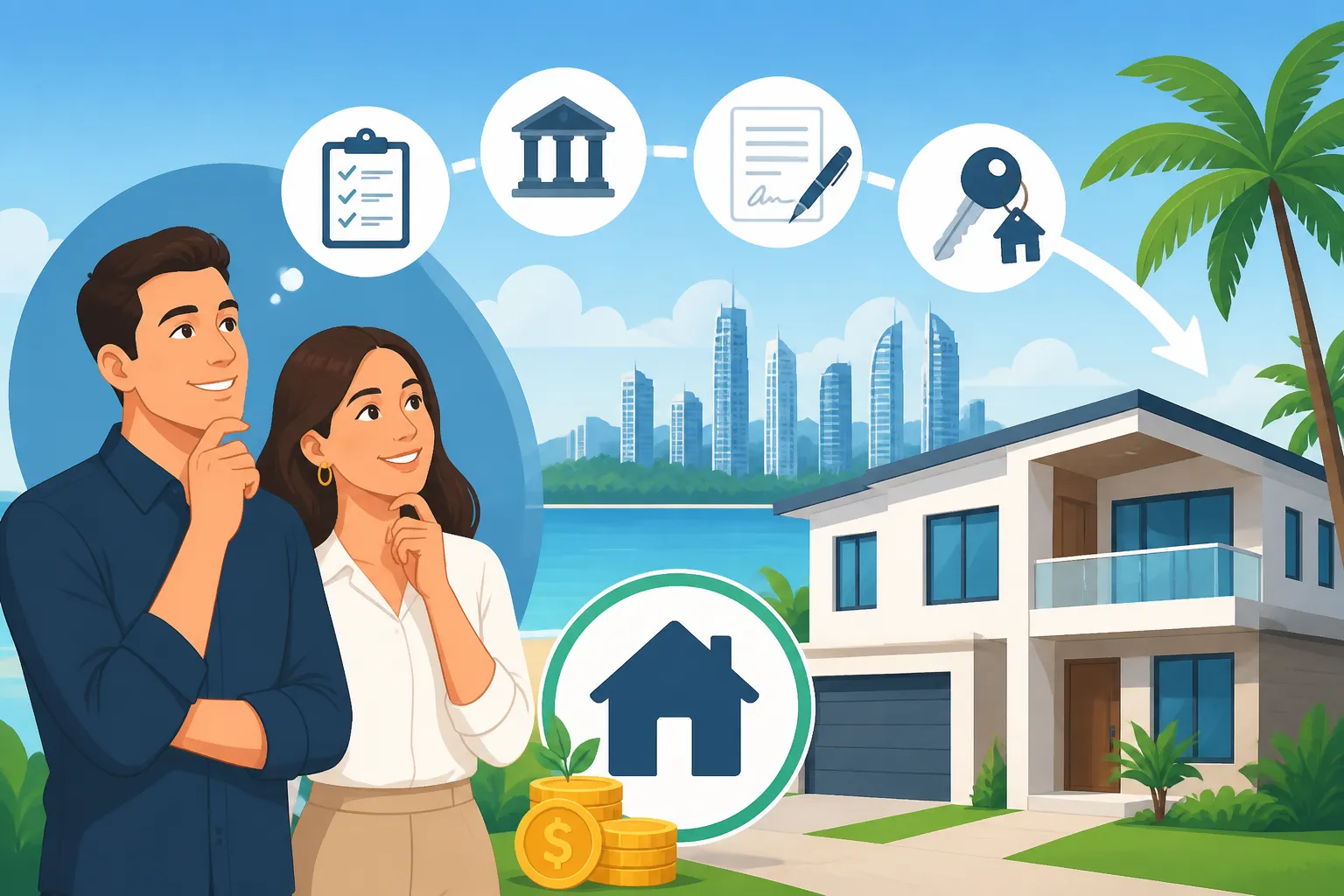
Alright, so you’ve got your documents in order, you understand the lay of the land, and you’re ready to take the plunge. The actual mortgage application process in Panama follows a structured path, albeit one that often moves at a more leisurely pace than many expats are used to. Patience, my friend, is your most valuable asset here.
Initial Consultation and Pre-Approval
Your journey typically begins with an initial consultation at the bank. It's best to schedule an appointment with a loan officer who handles international clients or at least has experience with foreigners. During this first meeting, you'll present your preliminary financial information, discuss your income sources, and outline the type of property you're interested in and your desired loan amount. Don't be shy about asking questions about interest rates, terms, and the specific documents they require for someone in your situation.
The goal of this stage is often to get "pre-approved" for a mortgage. This isn't a guaranteed loan, but it means the bank has reviewed your financials and determined that you meet their basic lending criteria for a certain loan amount. A pre-approval letter is incredibly useful because it gives you a realistic budget when you're house hunting and tells sellers you're a serious and qualified buyer. This can be a huge advantage in a competitive market, allowing you to confidently pursue properties after you’ve explored Understanding Property Ownership and the Market in Panama (2027).
Property Valuation and Due Diligence
Once you have a property under contract and a pre-approval in hand, the bank will commission an independent appraisal of the property. This valuation is crucial as it determines the maximum amount the bank is willing to lend against the property's value. The appraisal fee is typically borne by the buyer.
Simultaneously, this is where your real estate lawyer steps in for comprehensive due diligence. They will thoroughly review the property's title deed, ensuring it’s free of liens, encumbrances, or any legal issues. They’ll also verify that the property taxes are up to date and that the seller has all the necessary permissions to sell. Understanding the difference between titled property and Rights of Possession (ROP) is vital, and your lawyer will guide you on this. Remember, it’s not just about the bank’s comfort; it’s about your security as a buyer. This is also where understanding topics like The Complete Guide to Property and Transaction Taxes in Panama (2027) becomes essential, as legal and tax considerations are intertwined.
Loan Approval and Closing
After the appraisal is complete, and your lawyer gives the green light on the property's legal standing, your full mortgage application goes into the final underwriting stage. This is often the longest part of the process, as the bank's committee reviews everything in detail. This waiting game can test your patience, but resist the urge to constantly call – it rarely speeds things up. Tranquilo, as they say here.
Once approved, you'll receive the final loan offer. Review the terms carefully with your lawyer, paying close attention to the interest rate, payment schedule, and any associated fees. The closing will typically take place at a notary public's office, which is a key legal figure in Panama. Here, you, the seller, and representatives from the bank will sign the final deed of sale and the mortgage documents. All closing costs, property transfer taxes, and remaining down payment funds will be due at this time. Make sure you've planned for How to Transfer Money Into and Out of Panama as an Expat well in advance for these significant payments. The notary will then register the new title and mortgage in your name with the Public Registry.
Types of Mortgages and Terms for Foreigners
Understanding the specific types of mortgages and the associated terms available to you as an expat in Panama is vital for making an informed decision. It's not a one-size-fits-all situation, and what might work for a local Panamanian might not be an option for a foreign buyer.
Loan-to-Value LTV Ratios and Down Payments
One of the most immediate differences you'll notice compared to mortgage markets in many Western countries is the Loan-to-Value (LTV) ratio for foreigners. While Panamanian citizens might qualify for LTVs as high as 80% or even 90% in some cases, expats typically face lower LTVs. This means you should expect to put down a higher initial down payment. Generally, you'll need to prepare for a down payment of at least 20% to 30% of the property's appraised value, and sometimes even more, depending on the bank, your specific financial profile, and the type of residency you hold.
A higher down payment means a lower risk for the bank, which can sometimes translate into slightly better interest rates or more favorable terms, though this isn't always a direct correlation. It's crucial to budget for this significant upfront cost, alongside other closing costs, before you even start seriously looking at properties.
Interest Rates and Loan Terms
Interest rates in Panama are typically set based on a reference rate (like the Prime Rate) plus a margin determined by the bank's assessment of your risk. You'll generally have the option between a fixed-rate mortgage and a variable-rate mortgage.
- Fixed-rate mortgages offer stability, as your interest rate and monthly payments remain constant for the entire loan term, providing predictability in your budget.
- Variable-rate mortgages might start with a lower interest rate, but it can fluctuate based on market conditions, meaning your payments could go up or down.
For expats, banks often prefer to offer fixed rates or rates fixed for a certain period (e.g., 5-7 years) before adjusting. Loan durations for foreigners are also typically shorter than those offered to locals or what you might find in your home country. While some local Panamanian mortgages can stretch to 25 or even 30 years, expats often find themselves offered terms of 15 to 20 years. This means higher monthly payments but also a faster path to ownership. The prevailing global interest rate environment will, of course, influence what you're offered, so keeping an eye on economic news is always a good idea.
Additional Costs and Fees to Budget For
Beyond the down payment, there's a myriad of additional costs and fees associated with securing a mortgage and buying property in Panama. It’s essential to budget for these from the outset to avoid any unwelcome surprises.
- Application Fees: Some banks charge a fee to process your mortgage application.
- Appraisal Fees: As mentioned, you'll pay for the property valuation. This can range from a few hundred to over a thousand dollars, depending on the property's size and complexity.
- Legal Fees: Hiring a reputable Panamanian lawyer is non-negotiable for property purchase and mortgage closing. Their fees will cover due diligence, contract review, and representation at the notary.
- Closing Costs: These include notary fees, public registry fees, and other administrative charges, typically calculated as a percentage of the property value or loan amount.
- Property Transfer Tax: When you buy a property, there's a transfer tax (Impuesto de Transferencia de Bienes Inmuebles) to the Panamanian government, usually 2% of the sale price or cadastral value, whichever is higher.
- Property Insurance: Banks will require you to take out property insurance to protect their investment against fire, natural disasters, etc. Life insurance, covering the loan amount, is also frequently a mandatory requirement.
It's common for these additional costs and fees to add up to 5-7% of the property's purchase price, sometimes more. Always ask for a detailed breakdown of all associated costs from your bank and lawyer.
Navigating Challenges and Maximizing Your Chances
Securing a mortgage in a foreign country comes with its own unique set of challenges. However, with the right approach and a good team by your side, these hurdles become manageable steps on your path to homeownership in Panama.
Overcoming Language Barriers and Cultural Differences
One of the most immediate challenges for many expats is the language barrier. While many banking professionals in Panama City, especially in major institutions, speak English, crucial legal documents and some lower-level administrative interactions will be in Spanish. Misunderstandings can be costly, so it's paramount to ensure clear communication.
- Professional Help: This is where a bilingual lawyer and real estate agent become invaluable. They can translate, explain complex terms, and advocate on your behalf.
- Patience and Understanding: Panamanian business culture tends to be more relationship-based and moves at a different pace. What might seem like inefficiency to you is often just a different way of doing things. Embrace tranquilo. Rushing or showing frustration can be counterproductive.
- Building Relationships: Take the time to build rapport with your bank contacts, lawyer, and agent. A good personal relationship can smooth the process significantly.
Building Local Credit and Banking Relationships
One of the best pieces of advice I can give any expat considering property ownership in Panama down the line is to start building a local financial footprint early.
- Open a Local Bank Account: Even if you plan to initially pay cash for your property, having a solid relationship with a local bank is beneficial. Open an account with a reputable Panamanian institution like Banco General or Banistmo as soon as you can. This also applies if you’re looking to simply understand The Expat Guide to Opening a Bank Account in Panama for daily use.
- Utilize Local Credit: If possible, try to establish some form of local credit, even a small credit card or a secured loan. Demonstrating a history of responsible borrowing and repayment in Panama makes you a much more attractive candidate for a mortgage.
- Regular Deposits: Maintain consistent activity and reasonable balances in your Panamanian bank account. This shows financial stability and commitment to the local economy.
The longer you have a positive banking relationship in Panama, the better your chances of securing favorable mortgage terms when the time comes. This isn't just about credit scores; it's about trust and established history within the Panamanian system. For a broader view, you can check out Understanding Banking in Panama: A Complete Guide for Foreigners (2026).
The Role of a Good Real Estate Agent and Lawyer
I cannot stress this enough: a good, reliable real estate agent and an experienced property lawyer are not luxuries; they are absolute necessities when buying property, especially with a mortgage, in Panama.
- Real Estate Agent: A seasoned agent who understands the expat market can guide you to suitable properties, help you navigate local pricing, and represent your interests during negotiations. They often have established relationships with banks and can provide insights into what different lenders prefer. If you’re just starting your search, you might want to read How to Find a Reliable Real Estate Agent in Panama.
- Lawyer: Your lawyer's role is critical. They perform all the necessary due diligence on the property's title, review contracts, ensure legal compliance, and manage the closing process. They are your legal shield and advocate. Do not attempt to buy property in Panama without professional legal representation.
When you're dealing with a significant move and purchase like this, leveraging services like Sirelo for moving and relocation can really take a load off your mind, allowing you to focus on the intricate financial and legal aspects with your local team. While you’re navigating all this paperwork, make sure you stay connected. Having reliable internet, even with something like an eSIM from Airalo, is crucial for those constant emails and calls with your lawyer and bank.
Alternatives to Traditional Mortgages
While traditional mortgages are a viable path for many expats, they aren't the only way to finance a property purchase in Panama. Understanding these alternatives can provide you with more flexibility or simply offer a different strategy, especially if the traditional mortgage route proves challenging.
Cash Purchases and Owner Financing
Many expats, particularly those who have sold property in their home countries or have substantial savings, opt for cash purchases in Panama. This immediately removes the complexities and timelines associated with bank mortgages.
- Advantages of Cash: A cash offer makes you a very attractive buyer to sellers, often leading to quicker closing times and potentially better negotiation leverage on the price. It also frees you from interest payments and ongoing bank scrutiny.
- Considerations for Cash: While simpler, buying cash still requires extensive legal due diligence to ensure a clean title. It also ties up a significant amount of capital, which might not be ideal for everyone's financial strategy.
Owner financing, where the seller acts as the bank and directly finances a portion of the purchase for the buyer, is another alternative. This is less common in Panama than in some other markets, especially for prime properties, but it can occasionally be found in private sales or for specific types of land or more remote properties.
- Advantages of Owner Financing: It can offer more flexible terms than a bank, bypass strict bank lending criteria, and potentially speed up the transaction.
- Considerations: Interest rates might be higher, and legal complexities need careful navigation with your lawyer to ensure the agreement is sound and protects both parties.
Developer Financing Options
For those looking at new construction or properties in large planned communities, developer financing can be an excellent alternative, particularly if you're not yet established enough for a traditional bank mortgage or prefer to avoid the local banking process.
- How it Works: Many developers, especially for pre-construction projects, offer in-house financing directly to buyers. This usually involves a structured payment plan during the construction phase (e.g., 20-30% down payment spread out over the construction period) and then an option to finance the remaining balance directly with the developer or through their preferred local bank with potentially eased requirements.
- Advantages: Developer financing can be more flexible for foreigners, requiring less stringent documentation than traditional banks. It allows you to get into a property with a smaller initial lump sum and spread payments over time. For more information on buying new property, check out How to Buy Property in Panama as a Foreigner: The Full Guide (2027).
- Considerations: Interest rates for developer financing can sometimes be higher than those from a traditional bank, as they often take on more risk. It's crucial to compare these rates and terms carefully. Always have your lawyer review any developer financing agreement thoroughly to understand all the clauses and your obligations.
These alternatives offer different pathways to property ownership in Panama, each with its own benefits and drawbacks. Your best option will depend on your financial situation, risk tolerance, and the specific property you're looking to acquire.
Mortgage Requirements in Panama: A Quick Comparison
To give you a clearer picture of what to expect from different types of lenders or scenarios, here's a simplified comparison of typical mortgage requirements in Panama. Keep in mind, these are general guidelines, and individual circumstances will always lead to variations.
| Feature | Typical Panamanian Citizen Mortgage | Typical Expat Mortgage (with Residency) | Developer Financing (New Build) | Owner Financing (Private Sale) |
|---|---|---|---|---|
| Down Payment | 10-20% | 20-35% (or more) | 10-30% (often spread over construction) | Negotiable (often 20-50%) |
| Loan-to-Value (LTV) | 80-90% | 65-80% | Varies by developer/project | Varies |
| Loan Term | 20-30 years | 15-20 years | Varies (often shorter post-build) | Negotiable (often shorter) |
| Interest Rates | Competitive local rates | Slightly higher than local rates | Can be higher than bank rates | Negotiable (can be higher) |
| Income Source | Primarily local income | Local and/or foreign-sourced income | Varies, often flexible | Varies, less formal proof |
| Credit History | Local Panamanian credit | Local and international credit | Less emphasis on traditional credit | Less emphasis on traditional credit |
| Documentation | Standard local | Extensive (local & international) | Simplified | Simplified (buyer/seller agreement) |
| Complexity for Expats | N/A | Moderate to High | Low to Moderate | Varies (needs strong legal support) |
This table highlights why traditional bank mortgages for expats tend to have higher down payments and shorter terms. Developer and owner financing can offer more accessible routes but often come with different considerations regarding interest rates and legal oversight.
Disclaimer
The information provided in this guide is for general informational purposes only and does not constitute financial, legal, or professional advice. While we strive to provide accurate and up-to-date content, the financial and legal landscape in Panama can change rapidly. Expats should always consult with a qualified Panamanian lawyer, real estate agent, and financial advisor to obtain advice tailored to their specific situation before making any decisions related to property purchases or mortgages. We are not responsible for any actions taken based on the information presented herein.