How Do I Get My Cedula in Panama?
Oh, the infamous cédula! If you've been living in Panama for any stretch of time, you've no doubt heard the whispers, felt the bureaucratic squeeze, and perhaps even experienced the sheer exasperation of trying to navigate daily life without this precious card. It's more than just an ID; it's your golden ticket to truly integrating into Panamanian society, and not having it can feel like constantly hitting a wall. This guide is here to walk you through the convoluted, yet ultimately rewarding, process of getting your very own Panamanian cédula, sharing insights from those of us who've been there and lived to tell the tale.
What Exactly Is a Panamanian Cédula, Anyway?
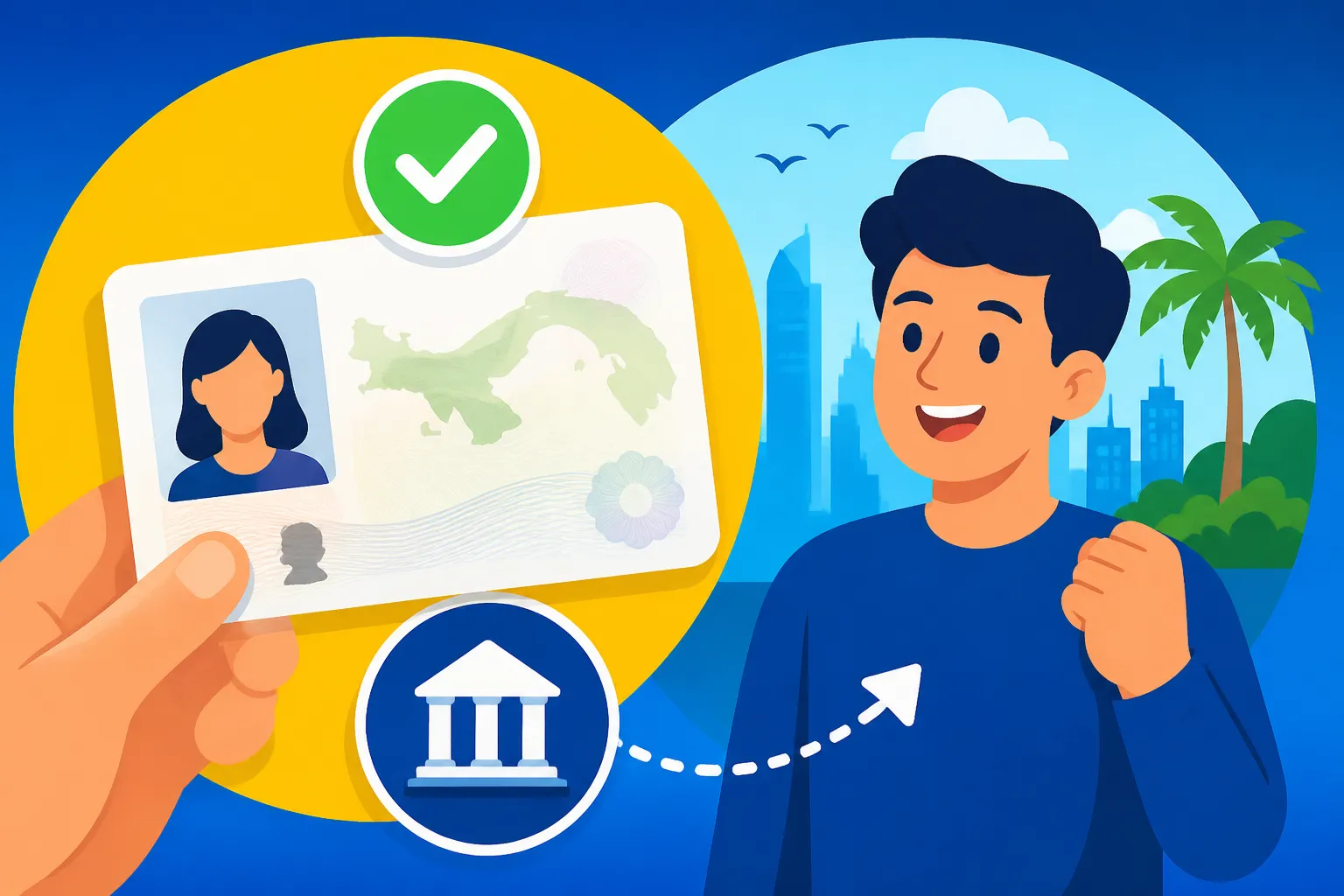
Let's start by demystifying the cédula. In Panama, your cédula de identidad personal is the primary identification document for citizens and legal residents. Think of it as your passport, driver's license, and social security card all rolled into one, but with an extra layer of indispensable local authority. For us expats, it’s not just about proving who you are; it's about proving you belong here, at least in the eyes of local institutions. Before you get your cédula, you'll likely have a provisional residency card or a temporary ID issued by immigration, but these simply don't carry the same weight.
Imagine trying to open a bank account, sign up for utilities, or even just pick up a package at the post office without a proper ID. With just your passport and a temporary immigration card, you'll often face quizzical looks, endless forms, and sometimes outright refusal. The cédula streamlines so much of that. It's the key to truly unlocking services here. It tells the local abogado (lawyer) you’re a legitimate resident, the cajero (teller) at the bank that your transaction is valid, and even the local police, should you ever have an interaction, that you’re legally here. It’s the cornerstone of your administrative existence in Panama.
The Power of the Card: Daily Life Beyond a Passport
For a long time, as expats, we rely on our passports for identification. But in Panama, that quickly becomes cumbersome and often insufficient. Your passport is a foreign document, and while it proves your nationality, it doesn't confirm your legal residency status within Panama. This is where the cédula steps in. It’s what you’ll use every single day once you have it.
Consider something as simple as going to the pharmacy to pick up a prescription. While a passport might work, having your cédula makes the process instant and seamless. Trying to sign a lease for an apartment without one can be a real headache, with landlords often preferring a local ID for easier verification. Even getting a local phone plan, often a necessity as soon as you arrive, can be complicated without it. Your cédula shows that you've completed a significant step in your integration, simplifying things dramatically. It ties you into the national system, making mundane tasks, like paying bills, registering a car, or accessing local services like healthcare, much smoother. Indeed, having your cédula is fundamental for aspects like understanding How to Register with the DGI (Direccion General de Ingresos) in Panama and filing taxes, or even something as important as accessing your benefits through the Caja de Seguro Social (CSS), which is essential for understanding your healthcare options here.
The Long and Winding Road to Your Cedula: Step-by-Step
Getting your cédula isn't a single-step process. It's typically the culmination of your residency application, and it involves a trip to the Tribunal Electoral (Electoral Tribunal), the institution responsible for issuing these national identification cards. This is where many expats breathe a sigh of relief, knowing they're finally getting closer to that tangible proof of their new life here.
The timing of your cédula application usually comes after your residency permit has been approved and issued by the National Immigration Service. So, before you even think about the Tribunal Electoral, you need to have your ducks in a row with immigration. This means you’ve already completed the sometimes arduous process of applying for, and receiving, your Panamanian residency. You can learn more about this through guides like How to Get Residency in Panama: The Full Guide (2027). Once you have that official resolution and your physical residency card (which will state your personal number, akin to a social security number, or E-ID in other countries), you’re ready for the next phase.
Documents, Fingerprints, and Waiting Games
The process at the Tribunal Electoral requires meticulous documentation and, yes, patience. You won't just walk in and walk out with your card; it’s a multi-stage process. Here’s a general rundown of what you’ll need and what to expect:
- Your Residency Resolution and Card: This is paramount. You need the original Resolución de Residencia (Residency Resolution) issued by the National Immigration Service, along with several copies. Your physical residency card, the plastic one, is also essential.
- Passport: Your valid passport, which was used for your residency application, will be needed as well. Bring several copies of the main data page and the page with your Panamanian entry stamp.
- Proof of Address: A utility bill in your name, or a rental contract, might be requested to confirm your current address. If you've just moved, services like Sirelo can assist with ensuring your important documents arrive safely, which can be crucial when setting up your new home in Panama.
- Blood Type Certificate: Yes, you read that right. Panama requires your blood type to be on your cédula. If you don't have an official certificate from a lab in Panama, you'll need to get a blood test done. Many local clinics offer this quickly and affordably.
- Photos: While they often take your photo digitally at the Tribunal Electoral, it’s always wise to have a few passport-sized photos on hand, just in case.
- Birth Certificate: Sometimes, depending on your nationality and residency type, an apostilled birth certificate might be requested, especially if there are any discrepancies or clarifications needed.
- Lawyer: While you can technically go to the Tribunal Electoral yourself, having your Panamanian immigration lawyer accompany you or at least advise you is highly recommended. They understand the nuances of the process and can troubleshoot any unexpected issues, which, trust me, are not uncommon.
Once you have your documents assembled, you'll visit the Tribunal Electoral. There, you'll be directed through several windows or stations. This will involve presenting your documents, getting your fingerprints taken (all ten, multiple times!), and having your photo captured. You’ll be issued a temporary paper cédula (a cédula juvenil if you're under 18 or a provisional paper slip) right away, which acts as proof that your actual plastic card is being processed. The wait for the physical card can range from a few weeks to a few months, depending on the current backlog and efficiency.
Table: Key Documents for Cédula Application
| Document Type | Requirement | Notes |
|---|---|---|
| Residency Resolution | Original and several copies | Issued by National Immigration Service |
| Panamanian Residency Card | Original and several copies | Your plastic ID card, issued after residency approval |
| Valid Passport | Original and several copies of main page and entry stamp | Used for your initial residency application |
| Blood Type Certificate | Official lab report (Panamanian) | Can be obtained at local clinics |
| Proof of Address | Utility bill, rental contract | In your name, to confirm current Panamanian residence |
| Passport-sized Photos | 2-4 recent photos (white background) | For backup, though photos are usually taken digitally on-site |
| Birth Certificate (Apostilled) | Original and copy | Sometimes requested, particularly if other docs are unclear |
Navigating the Tribunal Electoral Experience
The Tribunal Electoral can feel like a labyrinth, especially if you're not fluent in Spanish. Expect queues, multiple stops, and potentially long waiting times, particularly on busy days. It’s always best to go early in the morning and allocate several hours for the process. Bring a book, your phone, and a good dose of patience.
The staff are generally helpful, but their primary language is Spanish. If your Spanish isn't up to par, having someone fluent with you (like your lawyer or a trusted friend) can be invaluable. This institution handles identification for all Panamanians, so it's a bustling place. Don't be surprised if you encounter a few bureaucratic hurdles or requests for additional, seemingly obscure documents. This is just part of the charm of Panamanian administration!
Life with Your Cedula: Unlocking Panama
Congratulations! You've navigated the administrative jungle, and now you have your shiny new Panamanian cédula in hand. This isn't just a piece of plastic; it's a testament to your perseverance and your commitment to making Panama your home. From this point forward, many aspects of your daily life here will become significantly smoother.
With your cédula, you'll find that mundane tasks that used to require a dance with your passport and a prayer now become routine. This small card unlocks doors (metaphorically speaking, of course) that were previously just a tiny bit ajar.
The Everyday Benefits of Your New ID
One of the most immediate benefits you'll experience is in banking. Opening a bank account at institutions like Banco General or Banistmo, or accessing services like loans or credit cards, becomes much simpler. Before, you might have faced hurdles, proving your residency with various documents. Now, your cédula is the recognized, official ID. You can streamline processes like setting up direct debits for utilities or making larger transactions without extra scrutiny. For those wondering, The Expat Guide to Opening a Bank Account in Panama offers more insights into this critical step.
Your cédula also simplifies healthcare access. While your residency allows you to access healthcare, having the national ID streamlines registration at clinics and hospitals. It's especially useful when dealing with the Caja de Seguro Social (CSS) for public health services. In an emergency, or even for routine appointments, showing your cédula ensures quick identification and access to your medical records, if you have any in the system. Even with private insurance like Cigna Global, having your cédula can make the administrative side of hospital visits or claims much smoother, as it ties you into the local system. For more on this, check out The Complete Guide to Healthcare in Panama for Expats (2027).
Beyond these, consider driving. If you've been relying on a foreign license with an authenticated translation, your cédula is a crucial document for obtaining a Panamanian driver's license. The process of exchanging your foreign license is significantly easier once you have your official ID. This is detailed in guides such as How to Exchange or Use a Foreign Driver's Licence in Panama. And for things like buying property, signing contracts, or even registering a new vehicle, your cédula provides instant, irrefutable proof of identity and residency.
Maintaining Your Cédula: Renewals and Care
Just like any official document, your cédula has an expiration date. Typically, they are valid for ten years, but it's crucial to check the date printed on your card. Don't let it expire! Renewing your cédula is generally a more straightforward process than the initial application, but it still requires a visit to the Tribunal Electoral and ensuring you have your current card and updated residency documents. Remember that if your residency status changes (e.g., from temporary to permanent), you might need to update your cédula as well.
It's also important to keep your cédula safe. It’s a valuable document and losing it can be a hassle, requiring you to report it stolen or lost and go through a replacement process. While Panama is generally safe, always exercise caution with your personal identification. Treat it with the same care you would your passport.
In essence, getting your cédula is a rite of passage for expats in Panama. It marks a significant step towards truly belonging and navigating daily life with ease. The journey might test your patience, but the rewards of smoother administrative interactions and a greater sense of integration are well worth it. Welcome to the club!
Disclaimer
Please note that immigration laws and procedures in Panama can change. While this guide provides comprehensive information based on current understanding, it is always advisable to consult with a qualified Panamanian immigration lawyer or the official National Immigration Service (Servicio Nacional de Migración) for the most up-to-date and personalized advice regarding your specific situation. This article is for informational purposes only and does not constitute legal advice.