Can I Renew My Work Permit in Panama?
That familiar feeling of dread creeping in as your Panamanian work permit expiry date looms is something many of us expats know all too well. It’s a mix of anxiety and uncertainty about your legal status and future here. This guide is here to cut through the confusion and explain the ins and outs of renewing your work permit in Panama, so you can plan your next steps with confidence.
The Short Answer: Yes, But It's Not Always Simple
Let's get straight to it: generally, yes, you can renew your work permit in Panama. However, don't let that simple "yes" fool you. The process isn't always a straightforward rubber-stamp affair. Panamanian immigration and labor laws, much like the local traffic, have their own rhythm and occasional detours. What might seem like a simple renewal can sometimes feel like starting the application process all over again, especially if there have been any changes in your employment situation or if the regulations themselves have shifted. The key is to understand the nuances of your specific permit and prepare meticulously.
Understanding Your Specific Work Permit Type
Not all work permits are created equal, and their renewal processes reflect that. The ease and requirements for renewal depend heavily on the type of work permit you initially obtained. For instance, if your permit is tied to a specific visa category, like the Friendly Nations Visa, your underlying residency status plays a significant role. If you initially came in under a special program or a specific employment contract that has now ended or changed, the renewal might not be a direct continuation but rather a new application under different circumstances.
Consider the common scenario of someone who initially secured a work permit tied to a large multinational company operating in one of Panama's special economic zones, like Panama Pacifico or the Colón Free Zone. These permits often have specific provisions that differ from, say, a permit granted under a general employment contract for a local Panamanian business. If that initial employment or the company's status changes, your work permit renewal will likely be impacted. It’s crucial to know the precise legal basis of your current permit before you even think about renewal. Did your lawyer classify you under one of the percentages reserved for foreign workers, or was it a special category? These details matter immensely.
Navigating Regulatory Changes
One of the biggest sources of frustration for expats in Panama is the dynamic nature of immigration laws. What was perfectly legal and common practice a few years ago might have been subtly, or even dramatically, altered. We’ve seen this happen with various visa categories, and work permit regulations are no exception. The Ministerio de Trabajo y Desarrollo Laboral (MITRADEL), the government body responsible for work permits, and the Servicio Nacional de Migración, which handles your overall residency, can implement changes that affect eligibility, required documents, or even processing times.
For example, past changes to the Friendly Nations Visa, while primarily impacting initial residency applications, can have knock-on effects for associated work permits. You might have secured your initial permit under a set of rules that have since been updated, requiring you to meet new, stricter criteria for renewal. This often feels like moving the goalposts mid-game, and it's something you simply have to anticipate and prepare for. Staying informed, ideally through a reliable Panamanian immigration lawyer, is your best defense against unexpected hurdles. It's not uncommon to hear expats lamenting that the "Panama they moved to" isn't quite the same as the "Panama they're renewing in" due to these legislative shifts.
The Step-by-Step Work Permit Renewal Process
Renewing your work permit in Panama, much like many administrative tasks here, requires patience, meticulous organization, and often, a good sense of humor. While the exact steps can vary slightly depending on your permit type and current regulations, there's a general process that most expats will follow.
Gathering Your Documents (Again!)
This is often where the feeling of déjà vu, and perhaps a touch of exasperation, kicks in. Many of the documents you painstakingly gathered for your initial application will likely be required again for renewal. It’s not just a copy of your old permit – often, they want fresh, up-to-date versions of supporting documents.
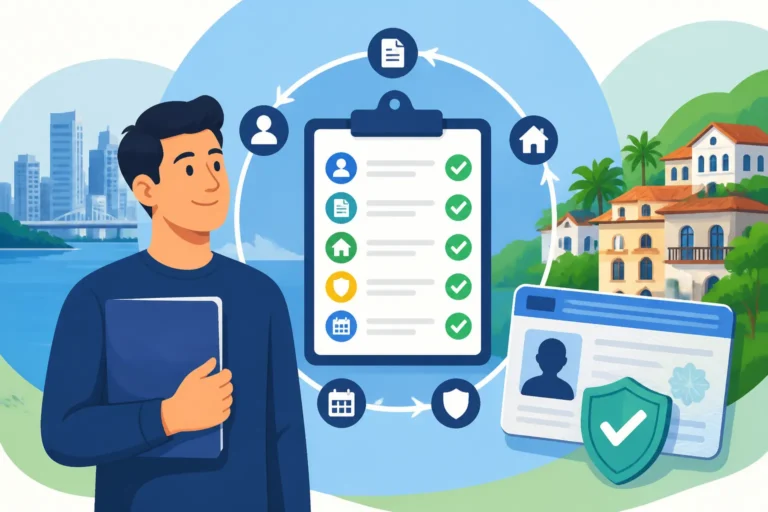
Here's a breakdown of commonly requested documents. Keep in mind that this is not an exhaustive list, and your lawyer will provide the definitive requirements for your specific case:
- Current Passport and Copies: Ensure your passport has at least six months of validity remaining beyond your intended renewal period. Copies of all pages, including the biometric page and any entry/exit stamps, will be needed.
- Existing Work Permit and Residency Card (Cedula): Original and copies of your current work permit and your Panamanian cedula, if you have one. If you're wondering, "How Do I Get My Cedula (Residency ID) in Panama?", we have a detailed guide on that.
- New Employment Contract or Certification: If your employment continues, you'll need a new or updated employment contract, signed and legalized, confirming your ongoing employment and salary. If your job description or salary has changed, ensure this is clearly reflected. This is absolutely critical, as your work permit is intrinsically linked to your employment.
- Company Documents: The employer will need to provide updated commercial registration documents, a tax ID (RUC), and a certification from the Public Registry. They will also need to attest to your continued employment and that they are up-to-date with their tax and social security obligations.
- Police Record Check (Antecedentes Penales): Depending on the duration of your stay and previous renewals, you might be asked to provide a new police record check from your home country, duly apostilled or legalized by the Panamanian consulate. For longer-term residents, sometimes an Interpol check done locally is accepted, but verify this with your lawyer.
- Proof of Economic Solvency: Bank statements, often from a Panamanian bank, demonstrating you can support yourself.
- Tax Compliance (DGI): Proof that you and your employer are up to date with tax payments. For individual expats, this means showing compliance with your personal income tax obligations, especially if you earn Panama-source income. For those asking "How Do I Register with the DGI in Panama?", that's your first step toward tax compliance.
- Social Security Contributions (CSS): Evidence that your employer (and you, if self-employed) has been consistently making contributions to the Caja de Seguro Social (CSS). This is vital. Understanding health insurance contributions through the CSS in Panama is key to staying compliant.
- Medical Certificate: A recent medical check-up from a local Panamanian doctor.
- Photos: Passport-sized photos. Yes, they still need them, and often in a very specific format!
Gathering all these can feel overwhelming, especially if you're managing a busy job. This is where a professional relocation service like Sirelo could come in handy, not just for the physical move, but for managing the logistical burden of obtaining and translating documents from abroad, if required. Even if you're already here, their network might help streamline certain aspects.
Here's a quick comparison of document types you might expect for initial vs. renewal applications:
| Document Category | Initial Work Permit Application | Work Permit Renewal Application |
|---|---|---|
| Identity & Status | Valid Passport, Visa, Police Check (Home Country), Medical Cert. | Valid Passport, Current Work Permit, Cedula, Police Check (may vary) |
| Employment Proof | Offer Letter, New Employment Contract, Company Docs | Updated Employment Contract, Company Letter, Latest Company Docs |
| Financial Solvency | Bank Statements (Local/Foreign), Proof of Funds | Panamanian Bank Statements, DGI Tax Compliance (up-to-date) |
| Social Security | Proof of Employer Registration for CSS | CSS Contribution Records, Paz y Salvo (Certificate of No Debt) |
| Local Certifications | Affidavit of Support (if applicable) | Updated Medical Certificate, Photos |
| Specialized Documents | Educational Degrees (apostilled), Professional Licenses | May be required if role/status changed; otherwise, less common |
Submitting Your Application to the Ministry of Labor
Once your document pile is perfectly organized, translated, and legalized (if necessary), your lawyer will submit the application to the Ministerio de Trabajo y Desarrollo Laboral (MITRADEL). This is a crucial step, and frankly, it's where most expats realize the value of a good Panamanian lawyer. They understand the specific forms, the proper order of submission, and, crucially, how to respond to any queries or requests for additional information that MITRADEL might have.
The process typically involves:
- Submission: Your lawyer submits the complete dossier to MITRADEL. This is usually done in person, not online.
- Review: MITRADEL reviews the application for completeness and compliance with current labor laws. This stage can take weeks, or even months. During this time, the application may be passed between various departments, and minor discrepancies or missing documents can cause significant delays.
- Interview/Clarification: In some cases, you or your employer might be called in for an interview or asked to provide further clarification or additional documents. Don't be surprised if you're asked for something you thought you'd already provided – it happens.
- Resolution: Eventually, MITRADEL will issue a resolution, either approving or denying your renewal. If approved, you (or your lawyer) will pay the associated fees.
It’s important to remember that MITRADEL works in tandem with the Immigration Service. While MITRADEL grants the work permit, your underlying residency status is handled by Migración. A seamless coordination between these two agencies is what you're hoping for, but sometimes, a bit of pushing and prodding (by your lawyer, of course) is required to keep things moving.
The Waiting Game and Temporary Permissions
Ah, the waiting game – a rite of passage for all expats in Panama. After submitting your renewal application, you enter a period of uncertainty. You'll likely be issued a permiso provisional or a salvoconducto, which is a temporary document allowing you to remain in Panama and, crucially, continue working legally while your renewal is processed.
This temporary permission is a lifeline, but it comes with limitations. It’s typically valid for a few months and needs to be renewed if the main permit isn't ready. Always keep this document with you, as it proves your legal status. It’s not just for peace of mind; it's what you'll show at immigration checkpoints if you travel in and out of the country during this period. Without a valid permiso provisional or your renewed work permit/residency, re-entry can be complicated.
The waiting time for a work permit renewal can vary wildly – from a few months to over six months, sometimes even longer in complex cases or during periods of high demand. This is why planning ahead is absolutely non-negotiable.
Common Pitfalls and How to Avoid Them
Even with the best intentions and a meticulous approach, expats often run into common snags when trying to renew their work permits in Panama. Learning from these common frustrations can save you a lot of grief, time, and money.
The Importance of Timing and Proactiveness
Panamanian bureaucracy operates on its own clock, which often feels significantly slower than what many expats are accustomed to. Waiting until the last minute to initiate your work permit renewal is a recipe for disaster. If your current permit expires before your renewal is approved and you haven't secured a permiso provisional, you could find yourself in a precarious legal situation, unable to work and potentially facing fines or even issues with your immigration status.
A good rule of thumb is to start the renewal process at least 4-6 months before your current work permit expires. This gives your lawyer ample time to gather documents, ensure everything is correctly apostilled or legalized (if applicable, for new foreign documents), submit the application, and follow up. It also provides a buffer for unexpected delays, which, trust me, are not uncommon. Being proactive means you might even get your new permit before your old one expires, minimizing any stress or disruption to your life and work.
Employer Changes and Sponsorship Issues
Your work permit is fundamentally tied to your employment. If your employer changes, or if the company that initially sponsored you is no longer willing or able to do so, your "renewal" might not be a renewal at all. It could necessitate an entirely new work permit application under a new employer or a different category. This is particularly relevant if you're thinking about changing jobs. Always consult with your immigration lawyer before making any significant career moves that could impact your work permit.
Hypothetically, imagine your current employer decides to downsize, and you find a fantastic new opportunity with a different company. While this is great news for your career, it triggers a new process. Your new employer will need to sponsor you, and you'll go through a fresh application for a work permit tied to this new role. This can be complex, especially if your current work permit is still valid. It’s not simply a matter of transferring it. This highlights the importance of understanding How a Work Permit and Employer Sponsorship Work in Panama from the outset.
Legal Assistance: A Necessity, Not a Luxury
While some highly organized and Spanish-proficient individuals might attempt to navigate the system themselves, for the vast majority of expats, a reputable Panamanian immigration lawyer is an absolute necessity, not a luxury. They are fluent in Spanish, intimately familiar with the constantly evolving laws, and know the specific requirements and unwritten rules of MITRADEL and the Immigration Service.
A good lawyer will:
- Advise you on the correct type of renewal or new application based on your circumstances.
- Help you compile the correct documentation, ensuring nothing is missed or incorrectly formatted.
- Submit your application and follow up diligently with the relevant government agencies.
- Translate documents and communications as needed.
- Represent you in case of interviews or requests for further information.
- Provide sound advice on your overall immigration strategy, including options for permanent residency.
Trying to save money by doing it yourself often leads to costly mistakes, delays, and immense stress. The investment in legal counsel pays dividends in peace of mind and successful outcomes. When you consider the importance of your legal right to live and work in Panama, it's clear that professional guidance is invaluable. Many people find a local lawyer through expat groups or recommendations, as this personal touch can make a huge difference.
Beyond Renewal: Exploring Other Long-Term Options
Sometimes, renewing your work permit isn't the only option, or perhaps, not even the best one. As you settle into life in Panama, you might find your long-term goals shifting, leading you to explore more permanent solutions that offer greater stability and fewer renewal hassles.
Transitioning to Permanent Residency
For many expats, a work permit is a temporary stepping stone toward a more permanent status. Panama offers several pathways to permanent residency, and if you’ve been here for a few years on a work permit, you might already qualify for one. This often provides greater freedom, including the ability to work for any employer (or yourself) without needing a specific work permit for each job, and significantly reduces the bureaucratic burden.
Common pathways to consider include:
- Friendly Nations Visa: If you initially arrived under this visa and have completed the required time and maintain an economic tie (such as employment), you can apply for permanent residency. Understanding the Friendly Nations Visa in Panama is crucial. This is a popular route, but it requires diligent planning.
- Pensionado (Retiree) Visa: If you meet the income requirements (a guaranteed lifetime pension of at least $1,000 USD per month), this visa offers permanent residency with attractive benefits. The Expat Guide to the Pensionado (Retiree) Visa in Panama provides comprehensive details.
- Qualified Investor Program: This "Golden Visa" option allows you to gain permanent residency through a significant investment in Panamanian real estate, stocks, or a fixed-term deposit. This is a higher-cost option but offers a direct path to residency.
- Marriage Visa: If you marry a Panamanian citizen, this also opens a path to residency.
- Other Special Visas: Depending on your profession or origin, other specific residency programs might apply.
The transition process from a temporary work permit to permanent residency typically involves submitting a new, comprehensive application to the National Immigration Service. It usually requires many of the same documents as your initial residency application, plus proof of your continued stay and compliance with Panamanian laws. It's an investment of time and money, but for many, the long-term stability it offers is well worth it. You can learn more in our detailed guide on How to Apply for Permanent Residency in Panama.
Considering a Career Change or Remote Work
Life in Panama can inspire changes in your career trajectory. If your current work permit is tied to a specific job that no longer fulfills you, or if the renewal process for that specific permit type becomes too arduous, it might be time to consider other professional avenues.
- New Employment: If you find a new job, as discussed, you'll likely need a new work permit sponsored by your new employer. This can be an opportunity to explore different sectors. The Expat Guide to Finding a Job in Panama (2027) can help you navigate this job market.
- Self-Employment/Freelancing: With the right visa and legal setup, many expats thrive as entrepreneurs or freelancers in Panama. This might involve different types of work permits or a shift to a residency category that allows for self-employment.
- Remote Work: Panama is increasingly popular for digital nomads. If your work doesn't require you to be physically present in a Panamanian office, and your employer is foreign, you might be able to work remotely for a foreign company without a Panamanian work permit, provided you have the correct immigration status (e.g., a Digital Nomad visa or a residency that permits it). Always ensure your tax and residency status align with this model. Working Remotely from Panama: The Definitive Expat Guide (2027) offers in-depth advice on this.
- Leaving Panama: And, of course, there's always the option to relocate entirely if Panama no longer serves your personal or professional needs. While this can be a big decision, having a clear exit strategy is part of a realistic expat journey. If you are considering a move, resources like Sirelo can help you plan and execute the logistical aspects of moving your belongings to your next destination. And ensure your health coverage, like Cigna Global, remains continuous, especially during transitional periods or international travel.
Whatever path you choose, staying informed, seeking professional legal advice, and planning well in advance are your best tools for navigating the complexities of expat life in Panama.
Disclaimer
This article is for general informational purposes only and does not constitute professional advice. Laws, prices and regulations vary by location and change over time. Consult a qualified professional for guidance on your specific situation.