Understanding the Difference Between a Visa and Residency in Panama
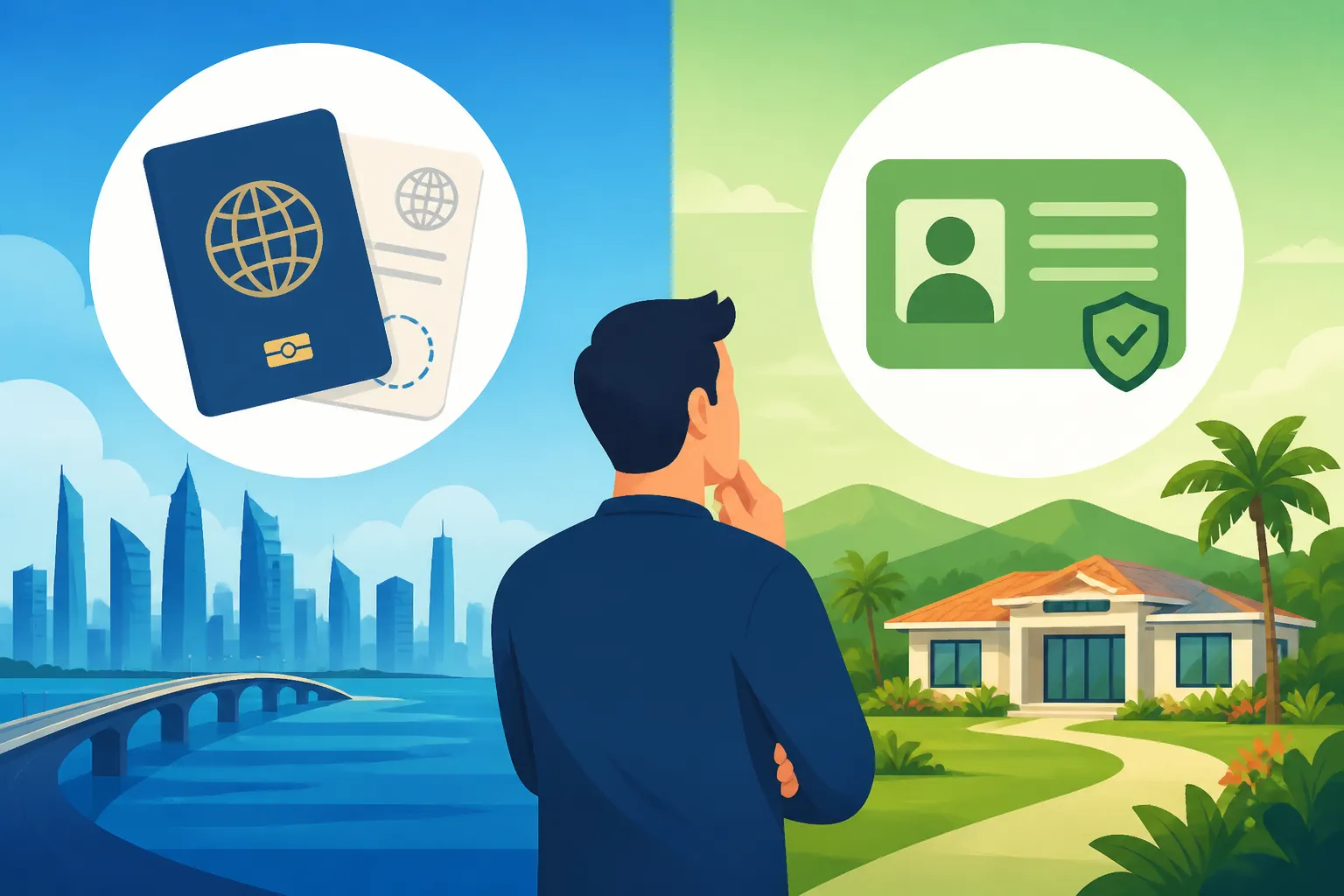
Oh boy, I can't tell you how many times I've sat across from a wide-eyed newcomer, sipping on a café con leche, explaining the fundamental difference between a visa and residency here in Panama. It’s a common point of confusion, and frankly, the Panamanian immigration system isn't always the clearest. This guide is going to meticulously break down these two distinct concepts, clearing up the fog so you can plan your move to this incredible country with confidence and clarity.
What Exactly is a Visa in Panama?
Think of a visa as your initial ticket into the country for a specific purpose and a limited amount of time. It's essentially a temporary permission stamp in your passport, granted by the Panamanian government, that allows you to cross the border and engage in certain activities. It’s not about making Panama your permanent home, but rather allowing you to visit, explore, or even work for a short period.
Understanding Short-Stay and Tourist Visas
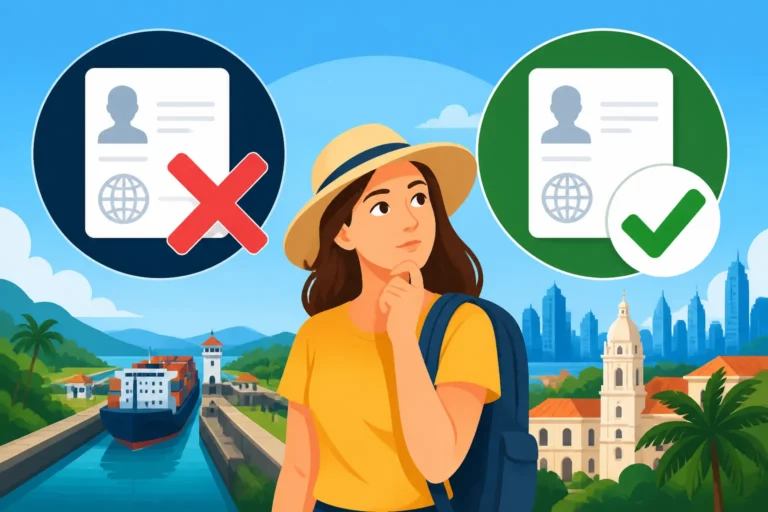
For most people, their first interaction with Panama's immigration system is through a tourist visa. Many nationalities, including those from the US, Canada, EU countries, and a good chunk of South America, don't even need to apply for a tourist visa in advance. They simply arrive, and as long as they meet certain requirements (passport valid for at least six months, proof of onward travel, and sufficient funds), they're typically granted a 90-day stamp upon entry. This 90-day period is often assumed to be a hard limit, but sometimes, depending on the immigration officer, it might be less. Some travelers get 30 days, which can really throw a wrench in vacation plans if you’re not prepared!
The tourist visa is strictly for tourism. It means no working, no establishing a business, no enrolling in long-term educational programs, and certainly no setting up a permanent life here. It's fantastic for exploring the beaches of Bocas del Toro, hiking through the coffee regions of Boquete, or experiencing the vibrant nightlife of Panama City. But it's not a pathway to anything more. Many expats, myself included, started their journey here on a tourist visa, testing the waters before deciding to dive in completely. It's a great way to "try before you buy," but remember, it has its limits. If you're wondering, "How long can I stay in Panama as a tourist?", generally, it's up to 90 days, though extensions are sometimes possible through a tricky process.
Specific Purpose Visas Beyond Tourism
While the tourist visa is the most common, Panama also offers various other short-term visas designed for specific, non-tourism purposes. These are still temporary and don't grant residency, but they allow for activities beyond just sightseeing.
For instance, there are business visas for those needing to attend meetings, negotiate contracts, or explore investment opportunities for a brief period. You might get a 30-day or 60-day visa for this, which is often tied to an invitation from a Panamanian entity. Then there's the newer, and quite popular, Digital Nomad (Short Stay) Visa, which allows remote workers from specific countries to live in Panama for up to nine months, with a possibility to renew for another nine. This is an exciting option for many, offering a longer runway than a tourist visa without immediately committing to full residency. It's important to understand that even with these "longer-term" visas, you’re still not a resident. You don't get a cédula (Panamanian ID card), and your long-term rights and access to services remain limited. They are extended visits, not a new home.
The Temporary Nature of a Visa
The crucial takeaway here is that a visa, regardless of its specific type or duration, is inherently temporary. It's a permission slip to be in Panama for a defined period, after which you are expected to leave. There's no automatic right to renew indefinitely, nor does it typically lead directly to permanent status without a separate, often complex, application process. Overstaying your visa, even by a day, can lead to fines, difficulties exiting the country, and potentially being barred from re-entry in the future. Many expats get into sticky situations because they misunderstood this temporary aspect. They thought they could just keep extending, or that a tourist stamp would somehow magically evolve into something more. It doesn't. You need to respect the deadlines and plan your next steps carefully. This temporary status also impacts things like opening bank accounts, signing long-term leases, or accessing non-emergency public services. The system isn't built for a visa holder to integrate fully.
Delving into Panamanian Residency
Now, let's talk about residency. This is where you actually plant roots. Residency signifies official permission to live in Panama long-term, establishing your home here. It’s a much more robust status than a visa, designed for those who intend to make Panama their primary place of abode for an extended period, often with the eventual goal of permanent settlement. Once you have residency, you’re no longer just a visitor; you’re an integral part of the Panamanian community.
Temporary Residency: Your First Step Towards Stability
Many residency pathways in Panama begin with a period of temporary residency. This is often a one- or two-year status that acts as a probationary period, allowing the Panamanian government to assess your continued eligibility and commitment to living here. For instance, some work visas initially grant temporary residency, tied to your employment. Similarly, certain investment programs might start with temporary status before progressing to permanent.
During temporary residency, you'll receive a provisional cédula (ID card) or a residency card, which is a big step up from just a passport stamp. This card proves your legal status and allows you to open bank accounts more easily, sign multi-year leases, and generally engage with the Panamanian system more effectively. However, it's still conditional. You'll have specific requirements to meet to maintain this status, and crucially, to eventually transition to permanent residency. This could include demonstrating continued income, maintaining an investment, or remaining employed. It’s not "set it and forget it." For instance, if your temporary residency is tied to a job, and you lose that job, your residency might be jeopardized unless you find new employment quickly or transition to another category. This initial phase is a critical step in How to Get Residency in Panama: The Full Guide (2026), testing your resolve and demonstrating your genuine intent to stay.
Permanent Residency: The Goal for Long-Term Expats
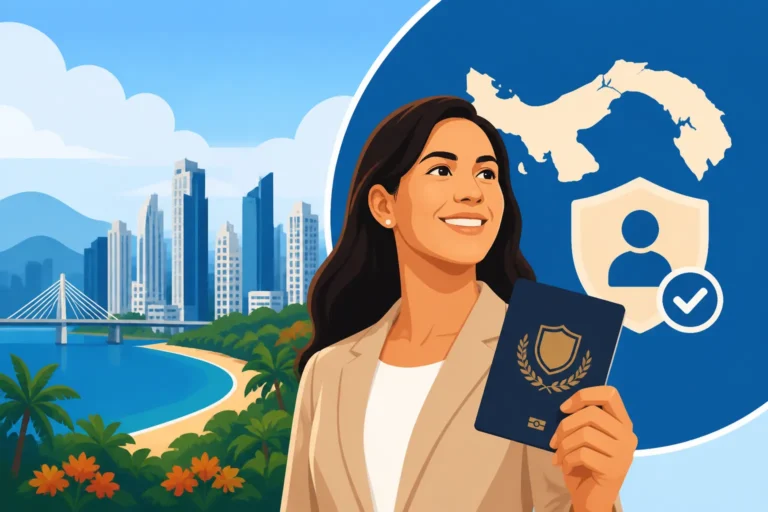
Ah, permanent residency – the golden ticket for most expats! This is the status that grants you the right to live indefinitely in Panama. While it still requires renewals of your physical cédula every 5, 10, or sometimes 15 years, the underlying right to reside in the country is no longer tied to specific annual conditions beyond maintaining good standing and not committing serious crimes.
With permanent residency, you gain a sense of stability and belonging. You can travel in and out of Panama with ease, you have a solid foundation for long-term financial planning, and you can truly make Panama your home without the constant worry of immigration deadlines. This status typically comes after successfully completing the temporary residency phase or directly through certain programs designed for immediate permanent residency. It’s a game-changer for daily life, from setting up long-term healthcare plans with providers like Cigna Global to just knowing you don’t have to pack your bags every few months. For many, this is the ultimate goal when considering Understanding How to Move to Panama Legally from Abroad (2026).
Key Residency Programs: Pathways to a New Life
Panama offers several popular programs for obtaining residency, each with its own set of requirements and benefits. These are the main avenues most expats explore:
- The Pensionado (Retiree) Visa: This is incredibly popular and for good reason! It offers permanent residency to retirees with a guaranteed lifetime pension of at least $1,000 USD per month. It comes with some fantastic perks, too, like discounts on flights, utilities, medical expenses, and more. It's a clear, straightforward path for those looking to enjoy their golden years in paradise. You can learn more about The Expat Guide to the Pensionado (Retiree) Visa in Panama (2026) in detail.
- The Friendly Nations Visa: For years, this was the go-to for many working professionals and business owners from a list of "friendly" countries. It required establishing economic ties to Panama, either through employment with a Panamanian company or by opening a business. While the rules have tightened recently, it still exists and remains a viable option for some. Understanding the Friendly Nations Visa in Panama (2026) is crucial for those considering this path.
- The Qualified Investor Program (Golden Visa): For those with significant capital, this program offers a direct route to permanent residency through an investment in Panamanian real estate, a qualified Panamanian stock exchange, or a fixed-term deposit in a local bank. The investment thresholds are substantial, but it's one of the fastest ways to secure permanent residency.
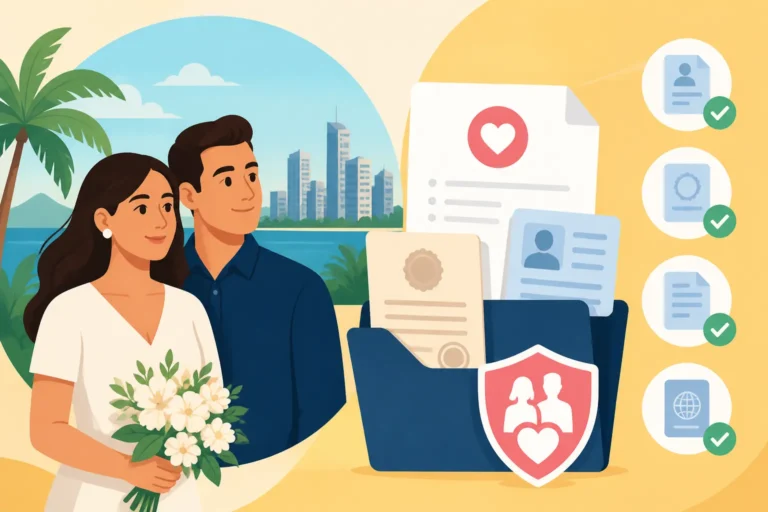
- Marriage Visa / Dependent Visa: If you marry a Panamanian citizen, or if you're a dependent (spouse, child) of someone who has already secured residency, there are specific pathways to obtain your own residency based on family ties. How to Sponsor Your Spouse for Residency in Panama and Can My Children Get Residency in Panama Through Me? are common questions expats have.
Each of these programs has detailed requirements, often necessitating a significant amount of paperwork, background checks, and legal assistance. This is where a good Panamanian immigration lawyer becomes not just helpful but absolutely essential.
The Fundamental Differences: Visa vs. Residency
Let's lay it all out there. The distinction between a visa and residency isn't just semantics; it impacts nearly every aspect of your life in Panama. It dictates your rights, your obligations, and your long-term prospects in the country. Trying to treat one as the other is a recipe for stress and administrative headaches.
Purpose and Duration: Short-Term vs. Long-Term Stay
The most obvious difference lies in their fundamental purpose and duration. A visa is a temporary authorization to enter and stay for a specific, limited purpose – tourism, a short business trip, or a remote work stint. Its lifespan is measured in days or months, and it inherently implies an eventual departure from Panama. It's like checking into a hotel; you're welcome, but you know you have a checkout date.
Residency, on the other hand, is about establishing a long-term presence. It's permission to live in Panama, to settle down, and to call it home. Whether temporary or permanent, its duration is measured in years, with the understanding that you intend to remain in the country indefinitely. It's like buying a house; you're investing in a future in that location. This fundamental difference affects everything from how you pack for your move (Sirelo can definitely help with shipping your life here when you're moving for residency!) to how you plan your finances.
Rights and Privileges: What You Can (and Can't) Do
This is where the rubber truly meets the road. The rights and privileges associated with a visa versus residency are vastly different.
A visa holder, particularly a tourist, has very limited rights beyond the ability to be present in the country. You cannot legally work or earn income within Panama unless your specific visa (like the Digital Nomad visa) explicitly allows for remote work, but even then, it's not local employment. You can't usually open a local bank account easily, certainly not one for a business. Access to public services, like non-emergency healthcare or education, is restricted, and you won't get a Panamanian ID card. You're essentially a guest, subject to the whims and rules of a visitor.
A resident, however, gains a wide array of rights. With temporary residency, you get a provisional cédula, allowing you to integrate more into daily life. With permanent residency, you receive a full cédula (the Panamanian national ID card), which is your key to unlocking local life. You can legally work (depending on your residency type), open bank accounts, register businesses, and access public services like education for your children or the national healthcare system (CSS), though many expats still opt for private health insurance here. Your travel in and out of the country becomes much smoother, often without the scrutiny faced by repeat tourists. The ability to establish roots, buy property, and engage fully with society is a privilege exclusive to residents.
The Legal Framework and Administrative Burdens
The administrative process for obtaining and maintaining these statuses also differs significantly. Applying for a visa is generally a simpler process, often done at the border or through a consulate, requiring basic documents like a passport, flight itinerary, and proof of funds. The fees are usually lower, and the processing times quicker.
Residency, by contrast, is a far more involved process. It requires extensive documentation, often including apostilled or legalized documents from your home country (such as birth certificates, marriage certificates, police background checks). You'll usually need to hire a Panamanian lawyer to navigate the complex immigration laws, submit applications to the National Immigration Service, and attend multiple appointments. The fees are substantially higher, encompassing government fees, legal fees, and sometimes investment costs. The processing time for residency can range from a few months to over a year, depending on the program and the efficiency of the immigration department. It’s a marathon, not a sprint. This is precisely why Understanding Why You Need a Panamanian Lawyer for Residency and How Do I Get My Documents Apostilled for Panama Immigration are such vital topics for anyone serious about moving here.
Here's a quick comparison to help solidify these points:
| Feature | Visa | Residency (Temporary/Permanent) |
|---|---|---|
| Purpose | Temporary visit (tourism, short business, remote work) | Long-term living, establishing home, working, investing |
| Duration | Days to months (e.g., 30, 90, 180 days) | Years (e.g., 1-2 years for temp, indefinite for perm) |
| Work Rights | Generally none (except specific remote work visas) | Yes, depending on residency type and specific permits |
| Local ID | No (only passport stamp) | Yes (cédula or residency card) |
| Bank Accounts | Difficult, often restricted to basic tourist accounts | Easier, full range of personal and business accounts |
| Public Services | Emergency care only | Full access (healthcare, education, social security) |
| Property Purchase | Possible as a foreigner, but complicated without residency | Easier, full legal rights and recognition |
| Path to Citizenship | No direct path | Yes, after a period of permanent residency (5+ years) |
| Complexity | Low to moderate | High, requires legal assistance, extensive documentation |
| Fees | Lower (government fees, sometimes visa application fee) | Significantly higher (legal fees, government fees, investments) |
Navigating the Transition from Visa to Residency
The journey from being a visitor on a visa to a full-fledged resident can feel like a labyrinth, but with proper planning and guidance, it's entirely manageable. It's often not a direct "upgrade" but a completely separate application.
Strategic Planning: When to Seek Residency
The ideal time to start thinking about residency is often before you even arrive in Panama, or very early into your tourist stay. If you arrive on a tourist visa and quickly decide Panama is for you, it's wise to begin researching residency programs and consulting with a lawyer within your first few weeks. Remember, your tourist visa has a clock ticking, and if you wait too long, you might find yourself in a bind, needing to leave the country and re-enter, or even apply for residency from abroad, which can add layers of complexity and cost.
For example, if you're exploring the Friendly Nations Visa or the Pensionado Visa, getting started while your tourist visa is still valid gives you a window to gather documents and initiate the process. Many people use their initial tourist period to scout locations, find a lawyer, and get a feel for day-to-day life before committing to the paperwork. This strategic timing can save you from unnecessary stress and expenditure, ensuring a smooth transition into your new life here. This is also key when considering The Complete Visa and Immigration Guide for Relocating to Panama (2026).
The Application Process: Documentation and Legal Support
Once you decide on a residency pathway, the real work begins. The application process is typically done through the National Immigration Service (SNM) in Panama City. You cannot generally apply for permanent residency from outside Panama. Most residency applications require you to be physically present in the country during certain stages of the process.
Here’s a general rundown of what to expect:
- Consultation with a Lawyer: This is non-negotiable. A good Panamanian immigration lawyer will assess your eligibility for various programs, explain the requirements in detail, and guide you through every step. They will also ensure your documents are correctly formatted, translated, and apostilled.
- Document Gathering: This is often the most time-consuming part. You'll need original copies of birth certificates, marriage certificates, police records (from your home country and any country you've lived in for the past five years), bank statements, and more. These typically need to be apostilled by the issuing country and then translated into Spanish by a certified Panamanian translator. The patience required for this step is immense, trust me.
- Application Submission: Your lawyer will compile all your documents and submit them to the immigration office. This involves multiple forms, fees, and often, personal appearances for interviews or fingerprinting.
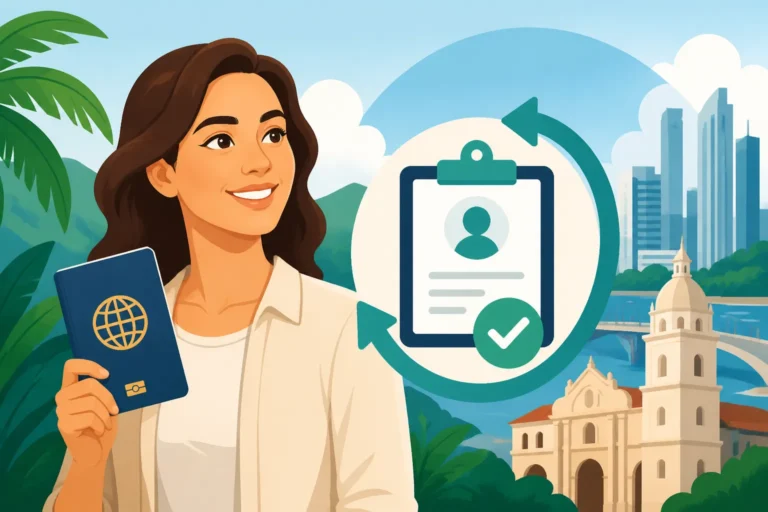
- Provisional Status: Often, after initial submission, you’ll receive a provisional residency stamp in your passport and sometimes a temporary ID card. This allows you to stay legally in Panama while your full application is being processed. It's a critical step if you want to avoid having to leave the country while you wait for the final approval. You can learn more about How to Apply for Residency from Inside Panama.
- Interview and Approval: Depending on the visa type, there might be interviews. Once everything is approved, you'll get your official residency resolution.
- Cédula Issuance: The final step is obtaining your cédula, the official Panamanian ID card, from the Tribunal Electoral. This is the moment when it all feels real!
This entire process, from document gathering to cédula in hand, can take anywhere from a few months to over a year. Patience, as I said, is a virtue here. Understanding the Cost and Timeline of the Panama Residency Process can help set realistic expectations.
Maintaining Your Status and Understanding Renewals
Just because you have residency doesn't mean you can forget about it. Temporary residency will require periodic renewals, often annually, for a specified number of years before you can apply for permanent residency. This involves updating documents, submitting new proof of income or investment, and paying renewal fees. Neglecting these renewals can lead to the loss of your temporary status, forcing you to start over or even face deportation.
Even permanent residency requires some maintenance. While the right to reside is permanent, your physical cédula card has an expiration date (e.g., 5, 10, or 15 years), and you'll need to renew it periodically. This is a much simpler process than the initial application but still requires an appointment at the Tribunal Electoral and updated photos. You also generally need to maintain some presence in Panama. While there isn't a strict "number of days" rule for permanent residents, prolonged absences (e.g., several years without visiting) could, in rare cases, lead to questions about your intent to reside, potentially jeopardizing your status. It’s always best to consult with your lawyer about the specifics of maintaining your particular residency type.
Common Misconceptions and Pitfalls for Expats
Navigating a new country's immigration system is riddled with potential misunderstandings, and Panama is no exception. Many newcomers find that assuming things will work like "back home" is the quickest way to trouble.
The Tourist Visa Trap: Overstaying and Consequences
This is, by far, the most common and easily avoidable pitfall. Many expats mistakenly believe they can simply pay a fine if they overstay their tourist visa. While it's true that there's usually a fine (currently $50 per month overstayed, though this can change), the consequences go beyond just a monetary penalty. An overstay can complicate future entries into Panama, lead to delays at the airport when trying to leave, and generally paint you in a negative light with immigration authorities.
Some people miss flights because of overstay fines they weren't prepared to pay, or even worse, be told they can't re-enter the country for a certain period. Moreover, attempting to convert an overstayed tourist visa directly into a residency application is often impossible or significantly more complicated. It’s a messy situation that can be entirely avoided by being mindful of your entry stamp and taking proactive steps if you decide to pursue residency. Always know your dates and respect them. The official "Do I Need a Visa to Visit Panama in 2026?" and "How Long Can I Stay in Panama as a Tourist?" guides are often misinterpreted, leading to these very issues.
Confusing Provisional Status with Permanent Rights
Another major misconception arises during the residency application process, especially when applicants receive a provisional stamp or temporary ID card. It’s easy to feel a sense of relief and think, "Great, I'm a resident now!" and start acting like you have full permanent rights. However, provisional status means exactly that – provisional. Your application is still processing.
During this provisional period, your rights are still limited compared to a permanent resident. For example, while you might be able to open a bank account, certain long-term financial commitments or government services might still be out of reach. If your main application is ultimately denied for any reason, that provisional status is revoked, and you’re back to square one, potentially even facing an order to leave the country. It's crucial to understand that your journey isn't complete until you have that official permanent residency resolution and your cédula. Don't prematurely assume full rights and make irreversible decisions based on temporary approval.
The Importance of Up-to-Date Information and Professional Guidance
Panama's immigration laws, like those in many countries, are subject to change. What was true last year might not be true today. Relying on outdated information from online forums, casual conversations with other expats, or even old blog posts can be incredibly risky. For instance, the Friendly Nations Visa requirements have been adjusted over time, impacting many who relied on older guidelines.
This is why professional legal guidance is paramount. An experienced immigration lawyer in Panama is constantly updated on the latest regulations, fees, and processing procedures. They can provide accurate, personalized advice based on your specific nationality, financial situation, and goals. Trying to "DIY" your residency application to save a few dollars often ends up costing far more in time, stress, and potential mistakes that could jeopardize your entire application. Think of it as investing in peace of mind. They’re not just paper pushers; they’re navigators through a complex bureaucratic system. They can answer critical questions like "How Do I Get My Documents Apostilled for Panama Immigration?" and "How Much Does It Cost to Apply for Residency in Panama?" with the most current information.
Practical Advice for Your Panamanian Journey
Moving to a new country is an adventure, but it’s one that requires careful planning and a realistic outlook. My years here have taught me a few things about making the transition as smooth as possible.
Planning Your Initial Entry and Stay
Before you even book your flight, do your homework. Understand the visa requirements for your nationality. Will you get an automatic tourist stamp? For how long? If you’re planning a longer stay, look into options like the Digital Nomad visa if it applies to you. Make sure your passport is valid for at least six months beyond your intended stay. Have proof of onward travel (a flight ticket out of Panama, even if it's a flexible one) and sufficient funds readily accessible in case immigration asks.
When you arrive, be polite and clear with immigration officers. They hold a lot of power. If you’re coming in on a tourist visa but already thinking about residency, you don’t necessarily need to declare your long-term intentions right away, but you should have a solid plan to pursue residency before your tourist visa expires. Don't show up with 10 suitcases and tell them you're moving permanently if you only have a tourist stamp – that's a red flag. Use your initial days to settle in, explore potential living areas, and most importantly, start interviewing immigration lawyers. Consider temporary furnished rentals for your first few months. Services like Sirelo can assist with the logistics of moving your belongings once you have a clearer long-term plan, rather than doing it all upfront on a temporary status.
Choosing the Right Pathway for Your Goals
This is a deeply personal decision, and there’s no one-size-fits-all answer. Your choice of residency pathway will depend on your age, financial situation, whether you plan to work, invest, or retire, and your nationality.
- For Retirees: The Pensionado Visa is almost always the best option if you meet the income requirements. The benefits are substantial, and it’s a well-established, straightforward path.
- For Professionals/Business Owners: If you're from a "Friendly Nation" and plan to work or start a business, the Friendly Nations Visa or a specific work visa linked to an employer might be suitable. For remote workers, the Digital Nomad visa offers a generous initial period to explore options without committing to full residency immediately.
- For Investors: The Qualified Investor Program is ideal for those with significant capital looking for a faster, investment-based route.
- Family-Based: If you have family already residing in Panama or are married to a Panamanian, dependent visas or marriage visas are your path.
Take your time to research each option thoroughly, and don't rely solely on what you read online. Sit down with a knowledgeable Panamanian immigration lawyer. They can help you understand the nuances of each program, including the costs involved and the timeline, and help you determine which one aligns best with your personal circumstances. This process is detailed in The Complete Guide to Permanent Residency in Panama (2027) and should be your ultimate resource.
Building Your Support Network: Lawyers and Other Resources
A reliable network is your best asset when moving abroad. First and foremost, find a reputable, English-speaking Panamanian immigration lawyer. Ask for recommendations from other expats, check online reviews, and schedule initial consultations with a few different firms to find one you feel comfortable with. A good lawyer is not just an expense; they are an investment in your future and peace of mind.
Beyond legal help, connect with expat communities in Panama. Facebook groups, local meetups, and expat forums are invaluable resources for asking questions, sharing experiences, and getting local tips. You'll find advice on everything from where to find an English-speaking doctor (though many private hospitals like Hospital Punta Pacifica and Hospital Nacional have English-speaking staff) to recommendations for reliable electricians.
Consider health insurance early. While Panama has a decent public health system (CSS), most expats opt for private insurance. Companies like Cigna Global offer international plans that provide comprehensive coverage, which is particularly important during your temporary visa or early residency phases when you might not fully understand the local system. They can offer peace of mind when navigating a new medical landscape.
Remember, you're not alone in this journey. Many have walked this path before you, and Panama is generally a welcoming country for foreigners. Be patient, be prepared, and be open to learning, and you'll find your place in this vibrant nation.
Disclaimer
The information provided in this guide is for general informational purposes only and does not constitute legal or immigration advice. Panamanian immigration laws are subject to change, and individual circumstances can vary greatly. It is essential to consult with a qualified Panamanian immigration lawyer for advice tailored to your specific situation. Reliance on any information provided here is solely at your own risk.