Do Americans Need a Visa to Enter Panama?
Many Americans planning a trip to Panama often wonder if they need to jump through bureaucratic hoops just to enter the country, and let me tell you, navigating these initial steps can feel unnecessarily complicated. This guide cuts through the noise, offering clear, veteran expat insights into exactly what U.S. citizens need for a hassle-free arrival and stay in our beautiful home, whether for a short vacation or something longer.
The Short Answer: No, Not for Tourists (Usually!)
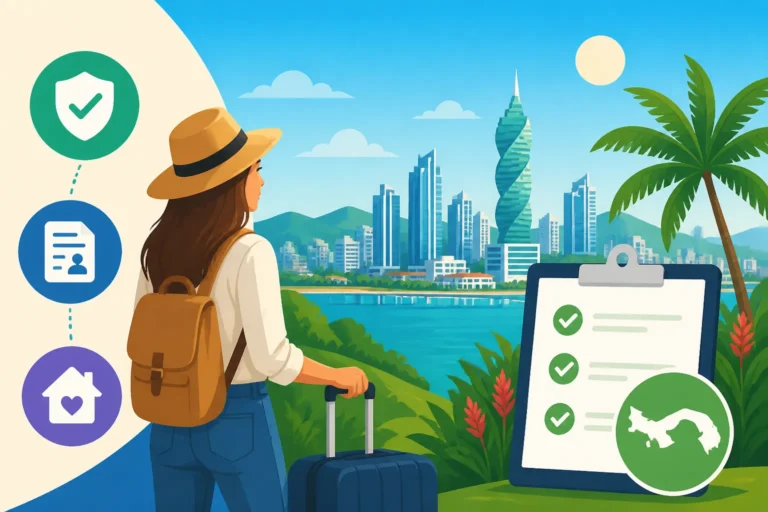
Let's cut right to the chase, because this is often the biggest stressor for newcomers: as a U.S. citizen holding a valid passport, you generally do not need a visa to enter Panama for tourism purposes. This is fantastic news, making short trips much less of a headache compared to some other countries. You're typically granted a 180-day tourist stamp upon arrival, which, for most vacationers or short-term explorers, is more than enough time to soak up the sun, explore the city, or hike through the cloud forests of Boquete.
However, and this is a big "however" that I can't stress enough, this 180-day grace period is not an automatic right. It's a privilege granted by the immigration officer at your point of entry, whether that's Tocumen International Airport (PTY) in Panama City, David's airport in Chiriquí, or a land border crossing. They have the final say, and they do exercise their discretion. My advice? Always be prepared and have your ducks in a row. It takes so much stress off your shoulders when you know you've got everything ready, preventing those anxious moments at the immigration desk.
Passport Power and The 180-Day Stamp
Your passport is your golden ticket, but it needs to be in tip-top shape. Panamanian immigration requires your U.S. passport to be valid for at least three to six months beyond your intended departure date. While officially Panama states three months, it is wise to aim for six to be absolutely safe. Why risk a denied entry or complications when it's so easy to avoid? Imagine arriving after a long flight, excited for your Panamanian adventure, only to be turned away because your passport expires in two months. It happens, and it's a nightmare nobody wants. Make sure your passport isn't damaged, torn, or showing any signs of excessive wear and tear.
When you present your passport, the immigration officer will usually grant you the maximum 180 days. They'll stamp your passport with the entry date and the expiration date of your authorized stay. Keep an eye on this date! It’s crucial because overstaying, even by a day, can lead to fines and potential issues on future visits or even when applying for residency later on. Some travellers get caught out by miscalculating or simply forgetting, and it’s never a fun conversation at the departure gate. Always double-check that stamp before you walk away from the immigration counter.
Proving Your Intent to Leave and Financial Solvency
Beyond your passport, Panamanian immigration officials typically look for two key things: proof you intend to leave the country, and proof you can support yourself financially during your stay. These are standard international travel requirements, but they can catch some people off guard if they’re not used to showing them.
For proof of onward travel, they're looking for a return ticket or an onward ticket to another country. This demonstrates you don't plan to just settle indefinitely on a tourist stamp. It could be a flight out of Tocumen back to the U.S., a bus ticket to Costa Rica, or a ferry ticket to Colombia. Just ensure it's a confirmed booking. Some people try to show vague plans or unbooked itineraries, and that usually doesn't fly. If you’re truly unsure of your exact departure date but know you'll be leaving, some travelers opt for a cheap, fully refundable flight out of the country, just to satisfy this requirement, then cancel it later.
Regarding financial solvency, you need to show that you have sufficient funds to cover your expenses during your stay. The general rule of thumb is around $500 USD, though this can vary. You can demonstrate this with cash, a credit card statement showing available credit, or a bank statement. While they don't always ask for it, it’s best to have these documents readily accessible, perhaps printed out or easily viewable on your phone, to avoid any delays or questioning. The last thing you want is to feel like you're being interrogated about your travel budget before you even get to your hostel.
What If You Want to Stay Longer or Live Here?
Many expats, myself included, came to Panama for a short visit and simply fell in love. A 180-day tourist stay can quickly turn into a desire for something more permanent. However, it's absolutely vital to understand that a tourist stamp is just that – for tourism. It's not a pathway to working or living here long-term without proper legal steps. Trying to circumvent the system can lead to serious headaches down the line, believe me.
You cannot simply extend your tourist stay indefinitely by doing a "border run" (leaving the country briefly and re-entering). While this might have been an informal practice in some parts of Central America years ago, Panamanian immigration authorities are increasingly cracking down on it. They keep records, and repeated short entries/exits will raise red flags. If your heart is set on making Panama your home, or even staying for a year, there are clear legal avenues to explore, and they involve applying for an actual residency visa.
The Perils of Overstaying Your Welcome
Let me tell you, overstaying your tourist visa in Panama is truly not something you want to do. It might seem like a small thing, especially if you’re just a few days over, but the Panamanian National Immigration Service (SNM) doesn't take it lightly. The most immediate consequence is a fine, which can be substantial and increases the longer you've overstayed. For example, the fine for overstaying has typically been around $50 per month or part thereof that you're beyond your allowed stay, plus additional administrative fees. These figures can change, so always check with an immigration lawyer for the most current amounts.
Beyond the financial penalty, overstaying can create a black mark on your immigration record. This can make it incredibly difficult, if not impossible, to apply for any long-term residency visas in the future. Imagine spending months preparing documents for a Friendly Nations Visa, only to have your application rejected because you overstayed a previous tourist entry. It can also lead to issues when trying to depart Panama; you might be detained at the airport until the fines are paid. I know a guy who missed his flight because he hadn't accounted for the overstay fine and had to scramble to get cash together. It's an unnecessary stressor.
Exploring Long-Term Residency Options in Panama
If Panama truly captures your heart and you decide to stay, there are several pathways to legal residency. These processes involve working with a Panamanian immigration lawyer, as the bureaucracy can be intricate and specific documents are required, often with apostilles. One of the most popular options for Americans is the Friendly Nations Visa. This visa is designed for citizens of specific countries (including the U.S.) who wish to establish economic or professional ties in Panama. It can lead to permanent residency, and while it requires an investment or a job offer, it's a straightforward path for many. You can learn more about this in our guide on Understanding the Friendly Nations Visa in Panama (2027).
Another excellent option, particularly for those of us who are a bit older and looking for a slower pace of life, is the Pensionado (Retiree) Visa. Panama offers one of the world’s best retiree visas, requiring proof of a stable pension income of at least $1,000 USD per month. It comes with fantastic benefits, including discounts on a wide range of services. This visa has been a lifesaver for many who want to enjoy their golden years in a tropical paradise. Dive deeper into the benefits and requirements with our article on The Expat Guide to the Pensionado (Retiree) Visa in Panama (2027). For a broader overview of all your long-term options, you’ll definitely want to read How to Get Residency in Panama: The Full Guide (2027).
No matter which path you explore, remember that obtaining residency is a process, not an overnight event. It requires patience, careful documentation, and often multiple visits to various government offices. It’s also crucial to consider your healthcare needs if you're planning a permanent move. Having a robust international health insurance plan, like those offered by Cigna Global, can provide immense peace of mind. While Panama’s local healthcare system is good, especially the private hospitals, having comprehensive coverage ensures you're prepared for any eventuality. You can find more detailed information about this in Health Insurance in Panama: Private and International Options Explained.
Essential Preparations for a Smooth Arrival
Beyond the basic immigration requirements, there are a few practical considerations that will make your entry and initial stay in Panama much more comfortable. These are the little things that expats learn through trial and error, and trust me, knowing them upfront saves a lot of minor frustrations.
Preparing for your arrival goes beyond just your passport. It involves thinking about how you’ll communicate, how you’ll pay for things, and how you’ll stay safe and healthy. The more prepared you are, the less culture shock you’ll experience, and the more you can focus on enjoying your time here. If you're seriously considering moving, you might find our guide The Complete Guide to Moving to Panama: Your First 90 Days (2027) incredibly helpful for getting settled.
Documents Beyond the Passport
While your passport and proof of onward travel are the stars of the show, having a few other documents handy can be beneficial. It's always a good idea to have copies of your important documents stored securely, both physically and digitally (e.g., in a cloud service or email). This includes your passport’s main page, your driver’s license, and any travel insurance policies.
If you plan to drive in Panama, remember that your U.S. driver's license is typically valid for the duration of your tourist stamp – meaning up to 180 days. However, after that, you'll need to obtain a Panamanian license. It's a good idea to have an International Driving Permit (IDP) as well, as it can make things easier if you encounter any local law enforcement, although it's not strictly required for short-term tourist driving. If you’re renting a car, the rental agency will certainly want to see your valid U.S. license.
Also, bring along any medical prescriptions you need, preferably with a doctor's note, especially if they are controlled substances. While Panama's pharmacies are generally well-stocked, and you can often get many medications without a prescription (though rules are tightening), it's always safer to have your own supply and documentation. Our article on Prescription Medications and Pharmacies in Panama: The Complete Guide offers a deep dive into this topic.
Health, Safety, and Connectivity
When you travel, especially internationally, your health is paramount. While Panama doesn't have mandatory vaccination requirements for U.S. citizens unless you're arriving from a country with a high risk of yellow fever, it's always wise to be up-to-date on routine vaccinations. Consider consulting your doctor about recommended travel vaccines like Hepatitis A and B, typhoid, and tetanus. Mosquito-borne illnesses like dengue, chikungunya, and Zika are present, so bring strong insect repellent, and consider light, long clothing, especially during dawn and dusk.
For minor ailments, a basic first-aid kit with pain relievers, band-aids, antiseptic wipes, and any personal medications is a good idea. Should a medical emergency arise, Panama City has excellent private hospitals, such as Hospital Punta Pacifica and Hospital Nacional. Understanding Emergency Medical Care in Panama: What Every Expat Needs to Know can be incredibly helpful. And again, this is where having international health insurance like Cigna Global truly makes a difference, covering you for unexpected medical costs.
Connectivity is another key consideration. While you can use your U.S. mobile plan with international roaming, it's often more cost-effective to purchase a local SIM card upon arrival. Providers like +Móvil, Claro, and Digicel offer prepaid plans with data, calls, and texts for very reasonable prices. You can usually pick one up right at the airport or at any major shopping mall. Just ensure your phone is unlocked before you arrive. If you're planning a longer stay and eventually bringing all your belongings, exploring international moving services through platforms like Sirelo can help streamline the logistics of getting your household items safely to Panama. They connect you with various moving companies, making the process of comparing quotes and services much smoother.
Navigating Local Customs and Currency
Panama primarily uses the U.S. dollar, which is fantastic for Americans, as it eliminates currency exchange headaches. However, it's worth noting that while the U.S. dollar is the official currency, Panama also has its own currency, the Balboa, which is pegged 1:1 to the U.S. dollar. You'll often receive Panamanian coins (like 1 Balboa coins or 25 centésimos coins) in your change, which are the same size and value as their U.S. counterparts. Don't be surprised or confused; they are entirely interchangeable for everyday transactions.
Carrying some small bills ($1, $5, $10) is always a good idea, especially for taxis, street vendors, and smaller shops, as larger establishments like supermarkets and malls readily accept credit cards. ATMs are widely available in urban areas and major towns, but it's wise to inform your bank of your travel plans to avoid any security freezes on your cards.
Cultural Nuances and Everyday Interactions
Panamanians are generally warm, friendly, and welcoming people. A little Spanish goes a long way, even if it's just a few polite phrases like "Hola," "Gracias," and "Por favor." It shows respect and can genuinely improve your interactions, particularly outside of the heavily touristed areas. Don’t be afraid to try! Most people appreciate the effort.
Punctuality can be a bit more relaxed than what you might be used to in the U.S. "Panamanian time" is a real thing, so try to embrace a more flexible mindset, especially for social engagements. For official appointments or business, however, it's still best to be on time. Dress code is generally casual, but for more formal occasions or official government visits, smart casual is always appropriate. Modesty is generally appreciated, especially when visiting religious sites.
When dining, tipping is customary, usually around 10-15% in restaurants, and small change for taxi drivers is also appreciated. It's also common to be asked for your "cédula" (ID card) when making card purchases, so having your passport or a copy readily available is useful. Don't be alarmed; it's a standard practice for security.
Summary of Entry Requirements for U.S. Citizens
To help you keep track, here's a quick rundown of what U.S. citizens generally need for entry into Panama:
| Requirement | Detail | Notes |
|---|---|---|
| Passport | Valid for at least 3-6 months beyond intended departure date. | Aim for 6 months validity to be safe. Must be in good condition. |
| Visa | Not required for tourism for stays up to 180 days. | This is a stamp granted by immigration, not a pre-obtained visa. Officer has final discretion. |
| Return/Onward Ticket | Proof of confirmed travel out of Panama (flight, bus, ferry). | Essential to demonstrate intent to leave. Digital or printed. |
| Proof of Funds | ~$500 USD or equivalent in cash, credit card statements, or bank statements. | Not always asked for, but be prepared. |
| Immigration Card | Usually provided on the flight or at the entry point to fill out. | Standard information like name, passport details, purpose of visit, address in Panama. |
| Yellow Fever Vaccine | Only required if arriving from a country with high risk of yellow fever. | Direct arrivals from the U.S. typically do not need this. Check current health advisories. |
This table serves as a handy checklist, but remember, immigration rules can change, so always check the latest official information from the Panamanian Embassy or Consulate closest to you before your trip. Being prepared means you can relax and truly enjoy the vibrant culture, stunning landscapes, and friendly people of Panama from the moment you step off the plane.
Disclaimer
Please note that immigration laws and travel requirements can change without prior notice. The information provided in this guide is based on general knowledge and common practices for U.S. citizens at the time of writing. Always verify the most current requirements with official Panamanian government sources, such as their embassy or consulate, or consult with a qualified immigration lawyer before making any travel or relocation decisions. This content is for informational purposes only and does not constitute legal or professional advice.