How Long Does It Take to Get Residency in Panama?
You've decided to make the leap and call Panama home – ¡felicitaciones! But now you’re staring down the barrel of the residency application, wondering just how long this bureaucratic odyssey is going to take. Believe me, you're not alone. The timeline for securing residency in Panama is one of the most frequently asked questions, and one that causes the most anxiety among prospective expats. This guide aims to pull back the curtain, giving you a realistic, no-nonsense look at how long you can expect to wait, what factors influence the timeline, and how you can best prepare for the journey ahead.
Understanding the Panama Residency Process: It’s a Marathon, Not a Sprint
Let's be brutally honest from the outset: securing residency in Panama is rarely a quick dash. It's more akin to a marathon, complete with unexpected detours, uphill climbs, and moments where you feel like you're running in quicksand. The common misconception is that once you submit your documents, it's a simple countdown. However, the Panamanian National Immigration Service (SNM, or Servicio Nacional de Migración) operates on its own unique rhythm, and that rhythm isn't always in sync with our expat expectations for efficiency.
From the moment you gather your initial paperwork in your home country to the joyous day you hold your cédula (Panamanian ID card) in your hand, you could be looking at a timeframe that ranges from several months to well over a year, sometimes even longer. This isn't meant to scare you, but to set a realistic expectation. Many factors play into this, including the specific visa type you're applying for, the thoroughness of your documentation, the workload at the immigration office, and even minor administrative changes that can seemingly come out of nowhere. Patience isn't just a virtue here; it's a vital tool in your expat toolkit. You’ll hear stories of people who got through relatively fast, and others who endured seemingly endless waits. Each case truly is unique, but understanding the general process and potential bottlenecks will help you manage your expectations and stress levels.
Key Factors Influencing Your Residency Timeline
There isn’t a one-size-fits-all answer to the question of "how long?" because so many variables are at play. Think of it like a complex recipe where changing one ingredient significantly alters the outcome.
The Type of Visa You're Applying For
This is arguably the most significant factor. Panama offers a variety of residency visas, each with its own set of requirements and, consequently, its own processing timeline.
- Pensionado Visa (Retired Persons Visa): Often considered one of the more straightforward and relatively faster options, the Pensionado Visa requires proof of a lifetime pension or annuity of at least $1,000 USD per month. Because the requirements are quite clear-cut and generally involve less scrutiny of business plans or employment, these applications tend to move more smoothly through the system. You might get provisional residency within 6-12 months, leading to permanent residency later.
- Friendly Nations Visa: This visa, updated in 2021, used to be a fast track, but now it requires proof of employment with a Panamanian company or ownership of a Panamanian corporation, in addition to being a citizen of one of the 50 designated "friendly nations." The additional employment verification and corporate registration steps can add layers of complexity and time. Expect provisional residency to take anywhere from 6 months to over a year, with permanent residency only granted after two years of provisional status. For a deeper dive, check out our guide on Understanding the Friendly Nations Visa in Panama (2027).
- Qualified Investor Visa (Golden Visa): Designed to attract significant investment, this visa often comes with an expedited processing option. If you’re investing a substantial amount in real estate, Panamanian stocks, or a fixed-term deposit, you might see provisional residency approval in as little as 3-6 months, thanks to specific mechanisms for faster processing. However, the initial due diligence for the investment itself can still take time.
- Other Visas (e.g., Professional, Self-Economic Solvency, Reforestation): These visas have specific requirements that can involve more detailed government review, project approval, or unique documentation, potentially extending the timeline further. For instance, the professional visa relies heavily on the validation of your foreign qualifications in Panama, which is a separate process.
Completeness and Accuracy of Your Documentation
This cannot be stressed enough: any missing document, any incorrect information, or any un-apostilled/un-translated paper will cause significant delays. The Panamanian immigration authorities are meticulous, and they will send your application back, sometimes multiple times, for corrections.
Imagine you've submitted your application. A month later, your lawyer informs you that the police record from your home country wasn't apostilled correctly, or a bank statement is missing a required stamp. That’s a month of lost time, plus the time it takes to rectify the error and resubmit. This cycle can repeat, stretching your timeline considerably. The initial collection of documents, getting them apostilled (which is essential for foreign documents to be legally recognized in Panama), and then translated into Spanish by a certified public translator in Panama, is itself a multi-week process before your application even reaches the immigration office. Preparing for this step is critical, as detailed in our article on Understanding Document and Apostille Requirements for Panama Immigration.
The Efficiency of Your Immigration Lawyer
A good immigration lawyer in Panama is not just recommended; it's practically mandatory. They navigate the system, understand the ever-changing requirements, and can communicate directly with the immigration authorities. However, like any profession, the quality and efficiency of lawyers vary.
- Proactive vs. Reactive: A proactive lawyer will ensure your documentation is perfect before submission, follow up regularly, and anticipate potential issues. A reactive lawyer might wait for issues to arise, only then requesting additional information or corrections, costing you valuable time.
- Workload: Reputable lawyers often have many clients. While they should manage their workload, sometimes this can still impact how quickly your application is pushed through. Choosing a lawyer who is communicative and transparent about their process is key. It’s worth checking out our guide on Understanding Why You Need a Panamanian Lawyer for Residency to ensure you pick the right professional.
Current Workload and Policy Changes at the Immigration Office
The SNM is a government agency, and its processing times are subject to its current workload, staffing levels, and any policy changes or reforms.
- Seasonal Peaks: Like many government offices, there can be peak times for applications, leading to backlogs.
- Policy Shifts: Panama's immigration laws have seen significant updates in recent years (e.g., changes to the Friendly Nations Visa). Each change can cause a temporary slowdown as the system adjusts, and staff are trained on new procedures. Sometimes, a new directive from a higher authority can temporarily halt certain processes.
Typical Timelines for Popular Residency Visas
While no two applications are exactly alike, we can offer some general timelines based on common experiences. Remember, these are estimates, not guarantees.
Friendly Nations Visa Timeline
The Friendly Nations Visa has undergone significant changes, particularly with the 2021 update requiring an employment contract or a Panamanian corporation. This has fundamentally changed its timeline.
- Document Collection & Preparation (1-3 months): This includes gathering all personal documents, financial statements, police records, getting them apostilled in your home country, and then translated by a public translator in Panama. If you're incorporating a company, add extra time for that process.
- Application Submission & Provisional Residency (6-12+ months): Once all documents are submitted by your lawyer to the SNM, the wait for the initial provisional residency can be lengthy. During this period, you might receive a "carnet" (temporary ID card) that allows you to remain in the country legally while your application is processed. You are expected to have your employment contract active during this time.
- Permanent Residency Application (After 2 years of Provisional Status): After holding provisional residency for two years, you can apply for permanent residency. This involves another round of document updates (e.g., new police records, proof of continued employment/business activity) and another processing period, which can take several more months.
It’s crucial to understand that the two-year clock for permanent residency starts after your provisional residency is granted, not from the date of your initial application submission.
Pensionado (Retired Persons) Visa Timeline
The Pensionado Visa is often the darling of the expat community for its straightforward nature.
- Document Collection & Preparation (1-2 months): Similar to other visas, this involves gathering personal documents and proof of pension/annuity income, apostilles, and translations.
- Application Submission & Provisional/Permanent Residency (6-12 months): Many Pensionado visa applicants find themselves moving directly to permanent residency status, or at least obtaining their provisional card relatively quickly. The clear income requirement and lack of employment-related complexities streamline the process. You might receive a temporary ID allowing you to stay legally during this period.
- Cédula Issuance (1-2 months post-approval): Once your residency is approved, there's a final waiting period for the actual cédula to be printed and issued.
While "faster," it's still a process that requires patience and meticulous preparation. You can learn more about this in The Expat Guide to the Pensionado (Retiree) Visa in Panama (2027).
Qualified Investor Visa Timeline
This visa is specifically designed with expedited processing in mind, appealing to those making significant financial commitments.
- Investment & Document Preparation (2-4 months): The initial step involves making the qualifying investment (e.g., buying real estate, investing in the stock market, or making a fixed-term deposit). This itself can take time, including due diligence for the investment, followed by collecting all necessary personal and financial documents, apostilles, and translations.
- Application Submission & Provisional/Permanent Residency (3-6 months): The SNM prioritizes these applications. Once submitted, it's possible to receive residency approval (often directly permanent) within this relatively short timeframe. This expedited track is one of the main appeals of the Qualified Investor Visa.
- Cédula Issuance (1-2 months post-approval): As with other visas, there will be a final period for the cédula production.
Here’s a simplified comparison of typical processing phases for these popular visas:
| Visa Type | Document Preparation (Home Country & Panama) | Provisional Residency Approval (Estimated) | Permanent Residency Application (If Applicable) | Total Expected Time to Cédula (from start) |
|---|---|---|---|---|
| Pensionado Visa | 1-2 Months | 6-12 Months | Often Direct Permanent | 7-14 Months |
| Friendly Nations | 1-3 Months | 6-12+ Months | After 2 Years of Provisional | 2.5 – 3.5 Years |
| Qualified Investor | 2-4 Months | 3-6 Months | Often Direct Permanent | 5-10 Months |
Note: These are estimates. Individual cases may vary significantly.
Navigating Delays and How to Prepare for Them
Even with the best planning, delays can happen. It’s part of the expat experience in Panama. Understanding potential pitfalls and how to mitigate them is key.
Common Reasons for Delays
- Incomplete or Incorrect Documents: As mentioned, this is the number one culprit. A simple date mismatch, an un-stamped page, or an outdated police record can send your application back to square one.
- Government Holidays and Closures: Panama has numerous national holidays, and government offices, including immigration, will be closed. Factor these into your timeline, especially around popular times like Carnaval or Christmas.
- System Upgrades or Changes: The SNM occasionally undergoes system updates or procedural changes that can temporarily slow down processing.
- Missing Follow-Up: If your lawyer isn't proactive in following up with the immigration office, your application might sit in a queue longer than necessary.
Strategies to Minimize Delays
- Start Early on Documents: Begin collecting and processing documents like police records and birth certificates as soon as you decide to pursue residency. Getting documents apostilled can take weeks, even months, depending on your home country's bureaucracy.
- Triple-Check Everything: Work closely with your lawyer to ensure every single document is perfect, translated, and apostilled according to current Panamanian requirements. Don't assume anything. A good lawyer will review everything multiple times.
- Maintain Communication with Your Lawyer: Stay in regular contact with your lawyer, but understand that constant badgering won't speed up immigration. Ask for regular updates on the status of your application and any requests for additional information.
- Have Financial Buffers: Since the process can be prolonged, ensure you have sufficient funds to cover your living expenses in Panama for an extended period without a local income, especially if your visa type restricts work during the provisional phase.
- Plan for Contingencies: What if you need to travel during the process? Discuss this with your lawyer. While holding a temporary "carnet" usually allows you to exit and re-enter, specific rules apply, and it's best to be clear on them. For those considering long-term stays, securing robust health coverage like Cigna Global can be a smart move, ensuring you're covered during the potentially lengthy wait for full residency and access to local healthcare options. This foresight ensures peace of mind, knowing you won't be caught off-guard by medical emergencies or routine needs during this transitional period.
Remember, delays are not personal affronts; they are often systemic. Managing your expectations and focusing on what you can control (your documentation and communication) will make the experience far less stressful.
Receiving Your Cédula and What Comes Next
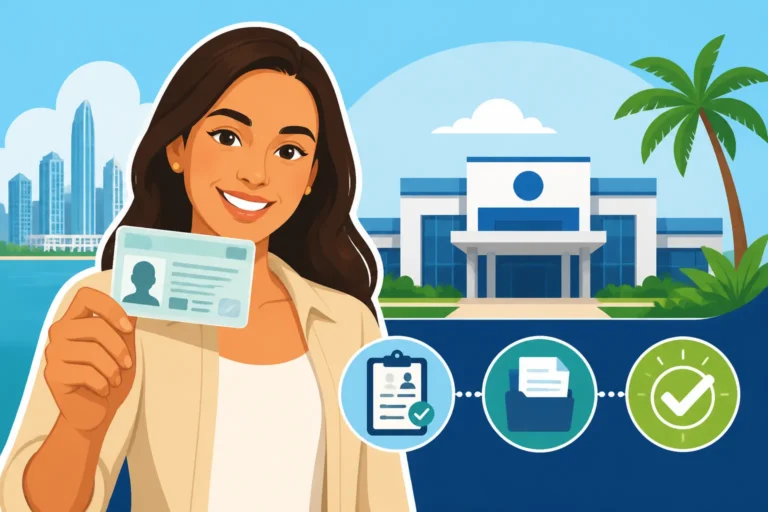
Finally, after what feels like an eternity, your residency application is approved! You'll receive notification, and your lawyer will guide you through the final steps, which usually involve paying any remaining fees and scheduling an appointment to get your photograph and fingerprints taken for your cédula.
The Cédula: Your Panamanian Identity Card
The cédula is your official Panamanian ID card and serves as proof of your legal residency. It's a plastic card, similar to a driver's license, and is essential for many aspects of life in Panama:
- Banking: You’ll likely have opened a bank account with your passport, but having a cédula makes banking operations smoother and is often required for certain transactions. Our guide on The Expat Guide to Opening a Bank Account in Panama covers this.
- Driving: If you plan on Driving in Panama: Licences, Registration and Rules for Expats (2027), your cédula will be crucial for obtaining a Panamanian driver's license.
- Travel: While your passport is still your primary international travel document, the cédula is your ID for domestic purposes.
- Government Services: Accessing any government service, from health clinics to utility providers, will be streamlined with your cédula.
What Happens After You Get Your Cédula
Once you have your cédula, you are officially a resident of Panama! But the journey doesn't necessarily end there.
- Renewals: Depending on your visa type, you may initially receive a provisional cédula that needs to be renewed. For example, under the Friendly Nations Visa, you typically get provisional residency for two years before applying for permanent residency. This means another application process and another wait. Keep track of expiration dates to avoid any issues. For details on this, see How to Renew Your Residency in Panama.
- Maintaining Residency: To maintain your permanent residency, you generally need to visit Panama at least once every two years. Missing this can jeopardize your status. Our article on Understanding How to Maintain Your Permanent Residency in Panama offers comprehensive advice on this.
- Panamanian Citizenship: After a certain number of years (typically five for most residents) of holding permanent residency, you may become eligible to apply for Panamanian citizenship through naturalization. This is a separate, lengthy process with its own set of requirements and timelines. You can explore this further in Panamanian Citizenship: How to Naturalise After Residency (2027).
- Integration: With your cédula, you can more fully integrate into Panamanian society, accessing services, opening businesses, and truly making Panama your home. Platforms like Sirelo can be incredibly helpful for planning and executing moves, not just initially but also when considering adjustments to your living situation post-residency approval. Their resources can simplify everything from finding local movers to understanding customs regulations.
The process of getting residency in Panama can feel like an arduous journey, but for many, the reward of living in this vibrant, beautiful country is well worth the effort. By arming yourself with realistic expectations, meticulous preparation, and a healthy dose of patience, you can navigate the path to Panamanian residency with greater confidence and less stress.
Disclaimer
The information provided in this guide is for general informational purposes only and does not constitute legal or professional advice. Immigration laws and procedures in Panama can change frequently. It is highly recommended to consult with a qualified Panamanian immigration lawyer for advice tailored to your specific situation. We are not responsible for any actions taken based on the information provided herein.