How to Renew Your Residency in Panama
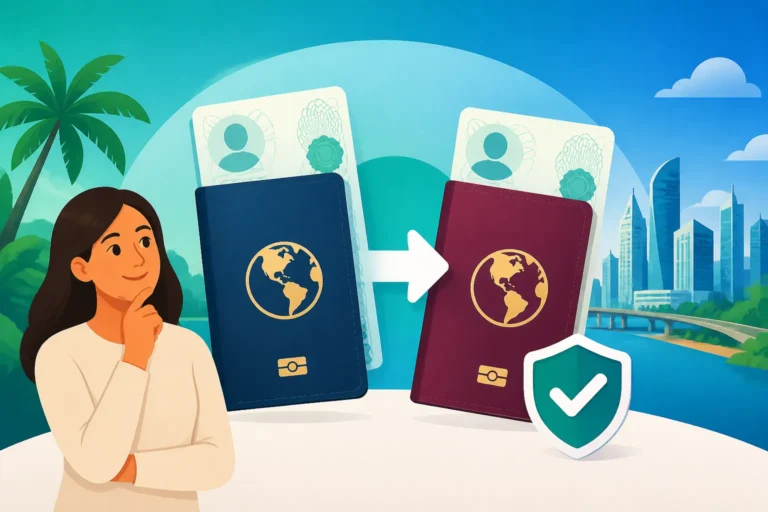
Oh, the joy of residency renewal in Panama! If you're reading this, chances are you've already navigated the initial labyrinth of obtaining your residency here, and now you're facing the next chapter: keeping it valid. It’s a process that can feel as confusing and frustrating as the first time, often laden with unexpected requirements and bureaucratic hurdles. This guide is here to walk you through renewing your residency in Panama, shedding light on the procedures, documents, costs, and common challenges so you can approach it with a clear head and fewer headaches.
Understanding Your Residency Type and Its Validity
Before you even think about gathering documents, it’s absolutely critical to understand what kind of residency you have and, more importantly, when it expires. Panama has a whole spectrum of residency categories, and each one comes with its own set of rules, validity periods, and renewal requirements. What might be a simple administrative update for one person could be a multi-step reapplication for another.
Temporary vs. Permanent Residency Renewal
The first major distinction to grasp is between temporary and permanent residency. If you initially came in on a temporary visa, such as the initial phase of a Friendly Nations Visa, a work permit, or even certain student visas, your renewal process is fundamentally different from someone holding permanent residency. Temporary permits typically have shorter validity periods, often one or two years, and the renewal often involves proving you still meet the initial conditions for that specific temporary status. It's not just a rubber stamp; it can feel like reapplying.
Permanent residency, on the other hand, usually grants you an initial permit that's valid for a few years, after which you apply for an indefinite permanent residency. However, even "indefinite" doesn't mean you never have to interact with immigration again. Your physical cedula, the all-important national ID card, has its own expiry date, and that's what often needs renewing periodically. So, while your permanent status itself might be lifelong, the card representing it is not. This distinction often trips up new expats who assume "permanent" means "set it and forget it." Trust me, it doesn’t work that way anywhere, and especially not in Panama.
Specific Residency Categories and Their Renewal Cycles
Panama offers several popular residency programs, and each has a slightly unique renewal cycle. Let's look at a few common ones:
- Friendly Nations Visa: This visa, particularly the economic solvency category, often starts with a two-year provisional residency. After that, you can typically apply for permanent residency. The initial renewal from provisional to permanent is a significant step, requiring updated documentation to demonstrate continued solvency or employment. Once you have permanent residency, you'll mainly be renewing your cedula itself. You can find more detailed information on this specific path in our guide to the Understanding the Friendly Nations Visa in Panama (2027).
- Pensionado (Retiree) Visa: This is a wonderfully attractive visa for retirees, offering various benefits. The Pensionado visa grants permanent residency from the get-go, provided you meet the minimum income requirements from a pension. The "renewal" for Pensionados primarily involves renewing your cedula, which typically happens every five to ten years, depending on your age. You'll need to demonstrate continued receipt of your pension to ensure the benefits remain valid. For a deeper dive, check out The Expat Guide to the Pensionado (Retiree) Visa in Panama (2027).
- Work Visas: Most work permits and associated residencies are temporary, often tied to a specific employer or project. These typically need to be renewed annually or every few years, and you'll usually need renewed employer sponsorship and updated labor contracts. The renewal process often mirrors the initial application, requiring fresh letters from your employer, updated tax forms, and proof of social security contributions.
- Marriage Visas / Dependent Visas: If your residency is based on marriage to a Panamanian citizen or as a dependent of a primary resident, the renewal process will require proof of the ongoing relationship (e.g., marriage certificates, birth certificates for children) and that the primary resident maintains their status. It’s crucial that the primary resident’s status is current, or it can jeopardize the dependent’s renewal.
Knowing your specific category helps you anticipate the required documents and gives you a realistic timeframe for the process. Don't assume your friend's renewal experience for their Pensionado visa will be the same as your Friendly Nations provisional renewal – it's often apples and oranges!
The General Renewal Process for Most Residency Categories
Regardless of your specific residency type, the journey to renewal typically follows a general sequence of steps. It's a bureaucratic dance, and knowing the steps can save you a lot of missteps and wasted time.
Initiating the Process: When and How to Start
The golden rule for residency renewal in Panama is simple: start early. I cannot stress this enough. Panamanian immigration authorities generally recommend initiating the renewal process at least three to four months before your current residency or cedula expires. Some lawyers even advise six months, especially for more complex cases or if you anticipate needing documents from abroad. Why so early? Because delays are common, new requirements can pop up, and getting appointments or specific documents can take time. If your residency expires while your renewal is pending, you might face fines or even issues with your legal status, affecting your ability to travel or even access certain services like banking.
Your first step should always be consulting with your immigration lawyer. Yes, you used one to get your residency, and yes, you'll likely need them again. They are your navigators through the ever-shifting sands of Panamanian immigration law. They will advise you on the specific documents needed for your case, the current processing times, and any recent changes in regulations. This initial consultation is crucial for mapping out your specific timeline and requirements. Without an experienced lawyer, you might miss critical updates or misinterpret official instructions, leading to significant setbacks. This is why understanding Why You Need a Panamanian Lawyer for Residency is so important.
Submitting Your Application and Biometrics
Once you and your lawyer have assembled all the necessary documents, your lawyer will prepare the formal application and submit it to the National Immigration Service (Servicio Nacional de Migración). This typically involves presenting the original documents along with multiple copies. After the initial submission and review of your paperwork, you will usually be scheduled for an appointment to provide biometric data – this generally means new fingerprints, a digital photograph, and a signature. This step is essential for updating your records and producing your new cedula.
For those renewing a temporary residency to permanent, or an initial permanent cedula for a longer-term one, the process might involve an interview with an immigration official. This isn’t always the case, but it's important to be prepared to answer questions about your continued ties to Panama, your source of income, and your residency status. Your lawyer will be able to guide you on what to expect during this interaction. Patience is paramount during these stages. Government offices in Panama operate on their own schedule, and even with an appointment, waiting times can be long. Always bring something to read, a fully charged phone, and snacks.
Receiving Your New Cedula
After your application is processed and approved, and your biometrics are captured, the final step is receiving your new cedula (residency ID card). This is the tangible proof of your renewed status. The cedula is issued by the Electoral Tribunal (Tribunal Electoral), not directly by the Immigration Service. This means there's often a slight delay between immigration approval and the issuance of the physical card. Your lawyer will usually collect the cedula on your behalf once it’s ready.
It’s important to inspect your new cedula carefully when you receive it. Check that all the information, particularly your name, date of birth, and expiry date, is accurate. Mistakes, though rare, can happen, and it's much easier to get them corrected immediately rather than discovering an error months down the line when you need it most. Keep your cedula safe, as it is your primary form of identification in Panama and proves your legal residency status. This little plastic card is your key to so much, from banking to travel, so treat it with the respect it deserves. Read our guide on How to Get Your Cedula (Residency ID) in Panama for more insights.
Essential Documents and Preparation for Renewal
Preparing your documents for residency renewal in Panama is perhaps the most critical part of the entire process. It’s where many expats stumble, either due to missing items, outdated information, or improperly authenticated papers. Getting this right from the start will save you immense stress and prevent delays.
Core Documents Required for Most Renewals
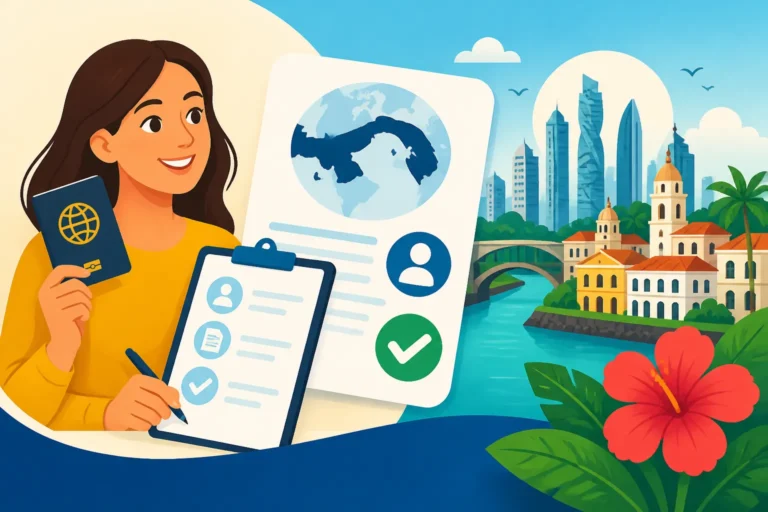
While specific requirements vary by visa type, a core set of documents is almost universally needed for any residency renewal. Think of these as your foundational stack:
- Original Passport and Copies: You'll need your valid passport, often with copies of every single page (even the blank ones). Ensure your passport has at least six months of validity remaining beyond your expected renewal approval date. If your passport is nearing expiry, renew it before starting the residency renewal process. Trying to renew both at once is asking for trouble.
- Current Cedula and Copies: Your expiring Panamanian ID card. Make sure you have clear, legible copies.
- Proof of Economic Solvency: This is a big one. It could be recent bank statements (Panamanian bank accounts are preferred, like from Banco General or Banistmo), a letter from your employer confirming your salary and position, a pension letter (for Pensionados), or proof of foreign income (for certain Friendly Nations categories). The key is to show you can financially support yourself.
- Police Clearance Certificate: This is often required again, both from Panama and from your country of origin if you've spent significant time abroad since your last application. Panamanian police certificates (antecedentes penales) can be obtained from the DIJ.
- Medical Certificate: A recent health certificate from a licensed Panamanian doctor, confirming you are in good health and free of contagious diseases. This typically needs to be issued within a few weeks of your application submission.
- Photographs: Often passport-sized photos with a white background, usually a few copies.
These are just the starting points. Depending on your specific residency class, you might need additional documents. For instance, those on a work permit will need an updated labor contract, social security contributions, and a letter from their employer. Pensionados will need a recent letter from their pension provider. Those with dependents will need updated copies of their dependents’ passports and cedulas, as well as birth or marriage certificates if there have been any changes or if they are renewing their dependent status concurrently.
The Importance of Apostilles and Translations
Here’s where things often get tricky: authentication. Any document issued outside of Panama – such as a foreign police certificate, a pension letter from abroad, or a marriage certificate – must be apostilled or legalized by the Panamanian consulate in the country of origin. The apostille is a stamp that verifies the authenticity of a document issued in one country so it can be recognized in another. If your home country is not part of the Hague Apostille Convention, you’ll need to go through a more complex consular legalization process. This can take time and often needs to be done before you even arrive in Panama, or via family/friends back home.
Furthermore, any document not in Spanish will need to be officially translated by a certified public translator in Panama. This isn't a task for your bilingual cousin; it needs to be done by a professional approved by the Panamanian government. Your immigration lawyer can usually recommend reputable translators. These steps add both time and cost to the renewal process, so factor them into your planning.
Tips for Streamlined Document Gathering
- Create a Checklist: Work with your lawyer to create a precise, itemized checklist for your specific renewal, including apostille/translation notes.
- Start Early for Foreign Documents: If you need a police certificate or pension letter from your home country, start that process months in advance. International shipping and bureaucratic delays are real. A service like Sirelo can assist with international moves, but obtaining personal documents is a separate, often tedious, endeavor.
- Keep Originals and Copies Organized: Maintain both original and a separate set of photocopies of all documents. When submitting, immigration often requests several copies of everything.
- Digital Backups: Scan all your important documents and save them to cloud storage or an external hard drive. This is good practice for any expat living abroad, especially when dealing with critical legal documents.
- Stay in Good Standing: Ensure you’ve paid all your taxes (income tax, property tax if applicable) and social security contributions. Any outstanding dues can complicate or delay your renewal. Regularly check your tax status through the DGI online portal, and ensure your property taxes are current.
- Review Your Existing File: If possible, review the documents submitted for your original residency application. This can give you a good indication of what might be needed again.
By meticulously preparing these documents, you're laying a solid foundation for a smoother renewal experience.
Navigating Common Challenges and Pitfalls
Even with the best preparation, the Panamanian immigration system can throw curveballs. It's not always a straightforward path, and understanding the common challenges can help you manage expectations and react effectively.
Delays and Unforeseen Requirements
Perhaps the most common frustration expats face is the unpredictability of processing times. While officials may quote a certain timeframe, reality often dictates something longer. This can be due to a backlog of applications, staffing changes, or simply the nature of government bureaucracy in Panama. A renewal that was expected to take two months might stretch to four or even six. During this waiting period, your existing cedula might expire. In such cases, your lawyer can often obtain a "salvoconducto" or provisional permit, which acts as temporary proof of your legal status while your renewal is pending. This document is vital for travel and proving your status if questioned.
Another frequent pitfall is the request for additional, unexpected documents. You might think you've submitted everything, only for immigration to ask for something obscure or previously unmentioned. This isn't necessarily a sign of a problem; it's just part of the process sometimes. Your lawyer will be your advocate in understanding these requests and guiding you on how to procure the additional items quickly. This reinforces the need for flexibility and a good sense of humor. Try not to get too stressed; it's a marathon, not a sprint.
Language Barriers and Communication
While Panama City, especially areas popular with expats like Costa del Este or El Cangrejo, has many English speakers, the official language of government and legal proceedings is Spanish. If your Spanish isn't fluent, navigating immigration appointments, understanding forms, or communicating with officials can be incredibly challenging. This is another critical area where your immigration lawyer earns their fee. They act as your translator, cultural liaison, and buffer, ensuring clear communication and accurate representation of your case.
Even if you have some Spanish skills, the legal and administrative jargon can be dense and confusing. Relying on Google Translate for official documents or discussions is risky and often leads to misinterpretations. Always defer to professional translation services for any official documents and allow your lawyer to handle complex discussions with immigration officials. This isn’t just about convenience; it’s about accuracy and protecting your legal status.
Maintaining Status During the Renewal Period
One of the biggest concerns during renewal is what happens if your current cedula expires while your new one is still being processed. As mentioned, your lawyer can often secure a salvoconducto. This temporary document allows you to legally remain in Panama and, crucially, usually permits you to travel internationally and re-enter without issues. However, if you plan to travel extensively during your renewal period, discuss this with your lawyer before your current cedula expires to ensure you have the correct documentation. Not all salvoconductos allow re-entry, and you don't want to get stuck outside the country!
It's also important to continue adhering to all Panamanian laws and regulations during the renewal period. Any legal issues or infractions could complicate or even jeopardize your pending renewal. Live responsibly, pay your bills on time, and keep your nose clean. For health-related matters that might affect your ability to attend appointments or submit medical certificates, ensure you have reliable health insurance. Companies like Cigna Global offer comprehensive international health plans that can cover you not just in Panama but also for medical care abroad, which might be critical if you need specialized treatment that could delay your renewal.
Costs and Timelines Associated with Renewal
Understanding the financial and time commitments involved in residency renewal is crucial for proper planning. It's rarely a quick or inexpensive process, and unexpected costs can add up if you're not prepared.
Government Fees and Contributions
Panamanian immigration charges various government fees for processing residency applications and renewals. These fees are set by the National Immigration Service and can change, so always confirm the latest amounts with your lawyer. Typical government fees include:
- Application Fees: A set amount paid to the Immigration Service for processing your application.
- Repatriation Deposit: For certain temporary visas, you might have paid a repatriation deposit during your initial application. While this isn't a renewal fee itself, it's something to be aware of if you ever decide to leave Panama permanently, as you might be eligible to claim it back.
- Cedula Issuance Fees: Fees paid to the Electoral Tribunal for the production of your physical ID card.
In addition to direct government fees, if you are employed in Panama, you will be required to demonstrate consistent contributions to the Caja de Seguro Social (CSS), Panama's social security system. This is often a prerequisite for work-based residency renewals. While not a "renewal fee" per se, it's a mandatory cost of living and working legally in Panama that directly impacts your ability to renew. For more on this, consult our guide on Understanding Social Security (CSS) Contributions in Panama.
Legal Fees and Ancillary Costs
The most significant expense in the renewal process, beyond government fees, will likely be your immigration lawyer's fees. Good lawyers provide invaluable expertise, manage the paperwork, act as your liaison, and navigate the bureaucratic hurdles on your behalf. Their fees will vary depending on the complexity of your case, the type of visa you are renewing, and the lawyer's experience and reputation. Always get a clear breakdown of their services and costs upfront.
Beyond legal fees, there are several ancillary costs to consider:
- Apostille/Legalization Fees: The cost to have foreign documents authenticated. This can vary widely depending on the country and the service used.
- Translation Fees: For all documents not in Spanish. Certified public translators charge per page or per document.
- Medical Certificate Costs: The fee charged by Panamanian doctors for the required health examination and certificate.
- Police Certificate Costs: Any fees associated with obtaining your local or foreign police certificates.
- Photography Costs: For passport-sized photos.
- Travel Costs: If you live outside Panama City and need to travel for appointments, factor in transportation and accommodation.
These "small" costs can quickly add up, so it's wise to budget a significant buffer for unforeseen expenses.
Realistic Timelines for the Renewal Process
As emphasized earlier, patience is a virtue when dealing with Panamanian immigration. Here's a general idea of timelines, but always remember that these are estimates, and individual cases can vary widely:
- Document Gathering: 1-3 months (especially if foreign documents requiring apostilles are needed).
- Application Submission to Initial Review: 1-2 months.
- Biometrics Appointment: Typically scheduled within 2-4 weeks after initial submission, but sometimes longer.
- Approval and Cedula Production: 2-4 months after biometrics.
So, from start to finish, you're realistically looking at a total process that could span 4 to 9 months, sometimes even longer. This is why initiating your renewal 3-6 months before expiry is not just a recommendation but a necessity. Missing these windows can mean your cedula expires, leading to fines and potential complications. Keep track of your dates carefully, and let your lawyer do the heavy lifting in terms of chasing updates.
Here's a simplified table outlining typical costs and validity periods for common residency types, though these are subject to change:
| Residency Type | Initial Validity | Renewal Frequency | Typical Government Fees (USD) | Typical Lawyer Fees (USD) | Common Ancillary Costs (USD) |
|---|---|---|---|---|---|
| Friendly Nations (Provisional) | 2 years | To Permanent | $250 – $1,000+ | $1,500 – $3,000+ | $300 – $700+ |
| Friendly Nations (Permanent) | Indefinite | Cedula renewal | $50 – $200 | $500 – $1,000 | $100 – $300 |
| Pensionado Visa | Indefinite | Cedula renewal | $50 – $200 | $500 – $1,000 | $100 – $300 |
| Work Permit (Temporary) | 1-2 years | Annually/Bi-annually | $250 – $750 | $1,000 – $2,500 | $200 – $600 |
| Marriage / Dependent Visa | Varies | Varies | $250 – $1,000+ | $1,000 – $2,500+ | $200 – $600+ |
Note: These figures are approximate and can vary significantly based on current government policies, individual lawyer rates, and specific case complexities. Always confirm with your chosen legal counsel.
For a more holistic view of the financial commitment, check out The Complete Guide to Cost of Living in Panama for Expats (2026) to see how these costs fit into your overall budget.
Maintaining Your Status and Planning for the Future
Getting your residency renewed is a huge accomplishment, but it’s not just about getting the new card. It's about maintaining your legal status in Panama and planning for your future here. This means understanding your obligations and continuously keeping your affairs in order.
Obligations After Renewal
Once your residency is renewed, whether it's another temporary period or your indefinite permanent status, you still have responsibilities as a resident of Panama. These include:
- Tax Compliance: If you are working in Panama or have Panama-source income, you must continue to file your annual tax returns with the DGI and pay any applicable taxes. Even if your income is foreign-sourced, understanding How Panama's Tax System Works: Territorial Taxation Explained (2027) is crucial. Non-compliance can lead to issues with future renewals or other legal processes.
- Social Security Contributions: If you are employed in Panama, your employer must continue to make CSS contributions on your behalf. If you are self-employed, you may have obligations to contribute as well, depending on your residency type and income source.
- Maintaining Your Address: Keep your address updated with immigration and other relevant government agencies. If you move, inform your lawyer so they can advise on any required notifications.
- Notifying of Changes: Inform your lawyer and relevant authorities of any significant life changes that might impact your residency status, such as marriage, divorce, birth of a child, or a change in employment.
- Respecting Laws: This goes without saying, but always comply with Panamanian laws and regulations. Any serious legal issues could lead to the revocation of your residency.
By consistently meeting these obligations, you ensure a smoother path for all future interactions with the Panamanian government and maintain your good standing as a resident.
Planning for Future Renewals and Permanent Status
Even with a renewed permanent residency, the cedula itself has an expiry date, typically every 5 to 10 years. Mark this date on multiple calendars and set reminders well in advance. The process to renew an expired cedula is generally simpler than a full residency renewal, but it still requires your attention and timely action. You will need your lawyer, updated photos, and often a recent medical certificate.
For those on temporary residencies, your long-term goal might be permanent residency. Begin planning for this transition early. Understand the criteria for moving from temporary to permanent, which often involves a longer period of continuous residency, demonstrating stronger economic ties, or meeting specific investment thresholds. Your lawyer will be key in outlining this pathway and helping you prepare for it. They can advise on the precise requirements for How to Get Permanent Residency in Panama: The Full Guide (2026).
It's also a good idea to keep a comprehensive file of all your immigration documents, both original and copies, in a secure location. This includes your initial application, all correspondence, receipts for fees, and every cedula you've ever held. Think of it as your personal expat history book – you never know when you might need to reference an old document. If you're considering the ultimate step of applying for citizenship, maintaining an impeccable record of your residency from day one is absolutely vital. Our guide on Panamanian Citizenship: How to Naturalise After Residency (2027) delves into this complex topic further.
Renewing your residency in Panama might seem like another bureaucratic hurdle, but it's an essential part of making Panama your long-term home. Approach it with patience, meticulous organization, and the right legal guidance, and you’ll successfully navigate this chapter of your expat journey.
Disclaimer
The information provided in this guide is for general informational purposes only and does not constitute legal, financial, or immigration advice. Panamanian immigration laws and procedures are subject to change, and individual circumstances can vary greatly. Always consult with a qualified Panamanian immigration lawyer and other relevant professionals for advice tailored to your specific situation. Reliance on any information in this guide is solely at your own risk.