Do I Need a Visa to Move to Panama?
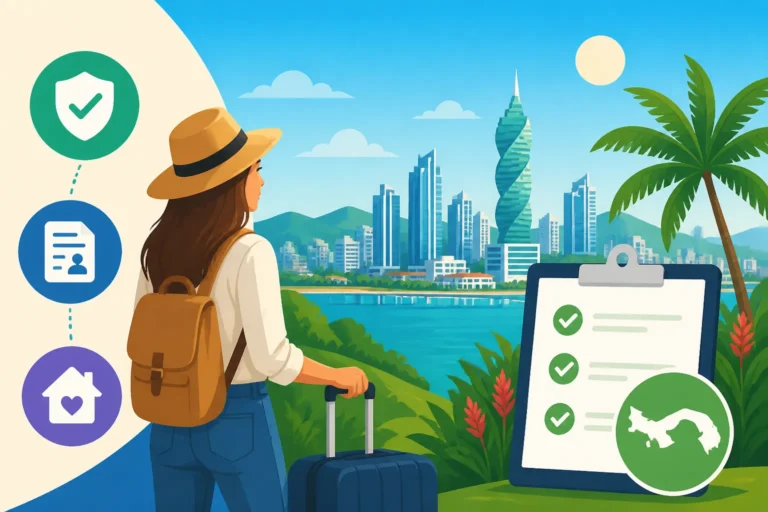
Oh, the age-old question that keeps many aspiring expats up at night: "Do I need a visa to move to Panama?" It's a question that sounds simple, but the reality is anything but a straightforward "yes" or "no." Panama, like any country, has its own unique set of rules and requirements that can feel like navigating a labyrinth, especially when you're trying to figure out how to transform a dream vacation into a permanent home. This comprehensive guide is here to untangle that confusion, walking you through the critical distinctions between a tourist stay and a permanent move, outlining the most common residency pathways, and sharing some essential wisdom from someone who's been there, done that, and probably filled out more immigration forms than they care to remember.
Understanding Your Initial Entry: Tourist Status vs. Residency Intention
The very first hurdle many expats encounter is mistaking a tourist entry for the start of their residency journey. It's a common oversight, but one that can lead to headaches down the line if not understood properly from the outset.
Visa-Exempt Countries and Allowable Stay Durations
Panama is quite welcoming to tourists from many countries. A significant number of nationalities, including citizens from the USA, Canada, most of Europe, Australia, and many Latin American nations, don't need to apply for a visa in advance to enter Panama as a tourist. Upon arrival at Tocumen International Airport (PTY) or other ports of entry, you'll typically be granted a tourist stamp in your passport, usually for a period of 90 to 180 days. This stamp allows you to enjoy the country's vibrant culture, stunning beaches, and lush rainforests, but it's crucial to understand its limitations.
Think of it this way: that stamp is your ticket for an extended vacation, not a green light to start setting up permanent shop. It explicitly grants you permission to be a visitor, not a resident. While you're here as a tourist, you generally aren't allowed to work, open certain types of bank accounts, or engage in activities that would indicate a long-term intent to stay. The specific duration of your tourist stay will depend on your nationality and the discretion of the immigration officer at the time of entry. Always double-check the stamp in your passport; it's the official word on how long you can legally stay.
The Pitfalls of Overstaying a Tourist Visa
Now, here's where things can get tricky. Some people arrive on a tourist visa with the intention of "figuring out" their residency while they're in the country. This can be a risky game. While it's sometimes possible to start a residency application while present in Panama on a tourist visa, overstaying that initial period without a valid residency application already in progress and accepted by immigration can lead to significant problems.
Panamanian immigration authorities take overstaying seriously. If you exceed your allotted tourist stay, you can face daily fines, which accumulate quickly, and may even be subject to deportation. More importantly, having an overstay on your record can complicate any future attempts to apply for residency or even re-enter the country. It signals to immigration that you disregarded their rules, and that's not the impression you want to make when you're trying to establish yourself as a law-abiding resident. My advice, from years of watching people navigate this: don't gamble with your immigration status. If your goal is to move here, start the residency process before your tourist stay expires, or better yet, before you even arrive, if your chosen visa path allows for it. For a more detailed look at the initial steps, you might find our guide on The Complete Guide to Moving to Panama: Your First 90 Days (2027) helpful.
Navigating the Residency Pathways: Your Options for Moving to Panama
If your intention is truly to move to Panama, then a tourist visa simply won't cut it long-term. You'll need to apply for a specific residency visa that aligns with your circumstances. Panama offers several pathways to legal residency, each with its own set of requirements and benefits.
The Friendly Nations Visa: A Popular Choice for Many
For many years, the Friendly Nations Visa has been a cornerstone for expats from specific countries looking to establish residency in Panama. While the requirements for this visa have evolved and tightened over time – notably changing in 2021 – it remains a viable option for citizens of a list of nations deemed "friendly" to Panama. This list typically includes the USA, Canada, most European Union countries, Australia, New Zealand, and several others.
To qualify for the Friendly Nations Visa, you generally need to demonstrate an economic or professional link to Panama. This means you must either:
- Be employed by a Panamanian company: This requires a legitimate job offer and employment contract registered with the Ministry of Labour.
- Establish a Panamanian corporation: You can register a business in Panama and provide proof of its operation, even if it's a small enterprise.
- Demonstrate solvency through a Panamanian bank account: While less direct than employment or business registration, showing a substantial deposit in a local bank can sometimes be used to demonstrate your economic ties.
The Friendly Nations Visa typically grants an initial two-year provisional residency, after which you can apply for permanent residency. It’s important to understand the nuances of the application process and the current requirements, as they can change. It’s definitely not the "easy button" it once was, but for many, it's still a clear and viable path. You can dive deeper into the specifics by reading our comprehensive article on Understanding the Friendly Nations Visa in Panama (2027).
The Pensionado (Retiree) Visa: Ideal for Retirees
Panama’s Pensionado Visa is arguably one of the most attractive retirement visas in the world, renowned for its generous benefits and relatively straightforward requirements. If you're a retiree with a stable, lifelong pension or annuity, this could be your golden ticket to Panama.
The primary requirement is proof of a minimum monthly pension or annuity of $1,000 USD (or $1,250 if you bought property worth at least $100,000 USD in Panama, which is a less common route). This income must be guaranteed for life and verifiable through official documents from your government, a private company, or an international organization. The beauty of this visa lies not just in the ease of obtaining it, but in the array of discounts and perks it offers:
- 25% off airline tickets
- 25% off utility bills (electricity, water, telephone)
- 20% off prescription medications
- 15% off medical and dental consultations
- 25% off restaurant meals
- 50% off entertainment (movies, concerts, sporting events)
- 20% off professional and technical services
These discounts genuinely add up and can significantly reduce your cost of living. The Pensionado Visa grants permanent residency from the get-go, meaning you don't have to go through a provisional period. It's truly designed to make life comfortable and affordable for retirees. For a complete guide, check out The Expat Guide to the Pensionado (Retiree) Visa in Panama (2027).
Other Residency Options: Beyond the Most Common
While Friendly Nations and Pensionado visas cover a large segment of expats, Panama offers several other residency programs tailored to different circumstances:
- Qualified Investor (Golden Visa) Programme: For those with substantial capital, Panama offers residency in exchange for a significant investment, typically in real estate, securities, or a fixed-term deposit. This can be a faster route for individuals able to meet the financial thresholds. Our article How to Get Residency Through the Qualified Investor Programme in Panama explains this in detail.
- Self-Economic Solvency Visa: This option also requires demonstrating significant economic solvency, usually through a substantial bank deposit in a Panamanian bank account or investment in real estate. The amounts are higher than for the Friendly Nations Visa but offer a direct path to provisional and then permanent residency.
- Agricultural Investor Visa: If you're looking to invest in Panama's agricultural sector, this visa can grant residency based on a qualifying investment in farming or related activities.
- Specific Professional Visas: For highly skilled professionals in certain fields where Panama has a demand, there are also temporary and permanent residency options tied to specific job roles, often in sectors like maritime, banking, or logistics. Keep in mind that for general employment, Panamanian labor laws generally favor local hires, so foreign professionals often need specialized skills or be part of a multinational company to qualify.
Choosing the right visa path depends entirely on your personal situation, nationality, age, and financial resources. It’s not a one-size-fits-all scenario, and what works for one person might not be suitable for another.
The Indispensable Role of Professional Guidance
Once you've identified a potential residency pathway, the next critical step is to acknowledge that this isn't a DIY project for most. Panama's immigration system, like many, has its quirks, bureaucratic hurdles, and ever-shifting requirements.
Why You Absolutely Need a Panamanian Immigration Lawyer
Trying to navigate the National Immigration Service (Servicio Nacional de Migración) on your own is, to put it mildly, an exercise in frustration. The forms are in Spanish, the requirements can be interpreted differently depending on who you speak to, and the processing times are notoriously unpredictable. This is where a reputable Panamanian immigration lawyer becomes not just helpful, but absolutely essential.
An experienced lawyer will:
- Assess your eligibility: They can accurately determine which visa category you qualify for and advise you on the best path forward, saving you time and money.
- Prepare your documentation: They know exactly what documents are required, how they need to be formatted, translated, and legalized (apostilled).
- Act as your liaison: Your lawyer will submit all necessary paperwork, track your application, respond to any requests for additional information, and represent you before the immigration authorities. This is a huge benefit, as it means fewer trips to crowded government offices for you!
- Keep you informed: They can provide realistic timelines and manage your expectations regarding the process.
I've seen so many people try to go it alone, only to hit brick walls, get rejected for minor errors, or simply lose months of valuable time. Investing in a good lawyer from the start can save you immense stress and prevent costly mistakes. For a deeper understanding of the processes involved, particularly how government bodies operate, our article on Understanding the Role of the National Immigration Service in Panama is a must-read.
The Importance of Documentation and Apostille Requirements
Regardless of the visa you pursue, be prepared for a paperwork marathon. Panamanian immigration authorities are meticulous about documents, and everything needs to be in perfect order. Common documents required include:
- Passport copies (all pages, not just the data page)
- Birth certificates
- Marriage certificates (if applicable)
- Police records/background checks from your country of origin and any country you've lived in for the past five years
- Bank statements
- Proof of income or pension
- Medical certificate from a Panamanian doctor
- Eight passport-sized photos
The critical part for many foreign documents is the apostille or legalization process. An apostille is an international certification that authenticates the origin of a public document, making it valid for use in all countries that are part of the Hague Apostille Convention. If your country is not part of this convention, your documents will need to go through a more complex legalization process at the Panamanian consulate in your country and then at the Ministry of Foreign Affairs in Panama.
It’s crucial to get your documents apostilled before you arrive in Panama, as doing so from abroad can be a complicated and time-consuming endeavor. Your immigration lawyer will guide you on precisely which documents need this certification. Don't underestimate this step; missing an apostille on even one document can halt your entire application process. For a detailed walkthrough of this critical step, refer to How to Get Your Documents Apostilled for Panama Immigration.
Planning Your Move: Practical Considerations Beyond the Visa
Securing your residency visa is a huge achievement, but it's just one piece of the relocation puzzle. Moving to a new country involves a multitude of practical considerations that extend far beyond paperwork.
Financial Preparations and Local Banking
Once you've decided to move and have a clearer path to residency, getting your financial house in order is paramount. While Panama uses the US dollar as its official currency (though they also have their own Balboa coins), the banking system can have its own peculiarities for foreigners.
Opening a bank account in Panama as a foreigner can be a bit of a hurdle, even with a residency application in progress. Banks like Banco General and Banistmo are popular choices and generally have expat-friendly services, but they will still require a significant amount of documentation, including proof of income origin, your current visa status, and sometimes even a letter of reference from a bank in your home country. It’s not uncommon for banks to ask for more documents than you initially anticipate, so patience is key. Having a local bank account is essential for paying bills, receiving local income, and generally managing your finances in Panama. Our article The Expat Guide to Opening a Bank Account in Panama provides an in-depth look at this process.
It's also important to understand Panama's territorial tax system. Generally, only income generated within Panama is subject to Panamanian income tax. Foreign-sourced income, such as pensions, investments, or remote work for foreign companies, is typically not taxed here. This is a significant draw for many expats. However, it doesn't mean you can ignore financial planning; you'll still need funds for daily living and local expenses. Getting a grasp on the tax system is crucial, and How Panama's Tax System Works: Territorial Taxation Explained (2027) offers an excellent overview.
Logistics, Shipping, and Settling In
The physical act of moving your life to a new country can be daunting. From decluttering years of accumulated possessions to arranging international shipping, the logistics require careful planning.
For international moves, especially when shipping furniture or large quantities of personal effects, researching reputable moving companies is vital. This is where services like Sirelo can be incredibly helpful. They act as a platform to compare quotes from various international moving companies, saving you time and potentially money. They help streamline the process of finding reliable movers who understand the unique challenges of transporting goods across borders, ensuring your belongings arrive safely and efficiently. Planning your move well in advance can alleviate a lot of stress.
Once you arrive, securing housing, setting up utilities like electricity and internet, and getting familiar with public transportation will be your immediate priorities. The cost of living in Panama varies significantly depending on whether you choose Panama City, a smaller town like Boquete, or a coastal community. Researching these costs thoroughly will help you budget effectively. You can learn more about this in The Complete Guide to Cost of Living in Panama for Expats (2026).
Finally, don't forget about health coverage. While Panama has both public and private healthcare systems, most expats opt for private insurance. It ensures access to excellent private hospitals, often with English-speaking staff and shorter wait times. Before you even step foot in Panama, having comprehensive international health insurance, perhaps from a reputable provider like Cigna Global, is non-negotiable. Their plans are designed for expats and can provide peace of mind knowing you're covered for medical emergencies or routine care from day one. Many expats choose Cigna Global because of their worldwide coverage and reputation for supporting international residents with their healthcare needs. It’s always wise to have a plan that covers you both locally and for any international travel you might undertake.
Here's a quick comparison of some common residency options:
| Visa Type | Primary Requirement | Income/Investment (Approx.) | Initial Residency Period | Path to Permanent Residency | Key Benefits |
|---|---|---|---|---|---|
| Friendly Nations | Economic/Professional Link to Panama | Varies (job, business, bank deposit) | 2 Years Provisional | After 2 years, apply for Permanent | Access to local market, relatively flexible for many nationalities |
| Pensionado (Retiree) | Lifelong pension/annuity | $1,000 USD/month | Permanent | Immediate Permanent Residency | Extensive discounts on services, travel, and utilities |
| Qualified Investor | Significant investment in Panama | $300,000 USD+ (varies) | Permanent (typically) | Direct path to Permanent Residency (or very quick) | Fast track to residency, various investment options |
| Self-Economic Solvency | Demonstrable economic solvency through assets | $300,000 USD+ (deposit/real estate) | Provisional | After 2 years, apply for Permanent | No active business or specific job required beyond financial proof |
This table provides a simplified overview, and exact requirements can change, emphasizing once again why professional legal advice is so crucial. When moving, platforms like Sirelo can again be invaluable for comparing different aspects of your international move, from packing services to customs clearance assistance, ensuring you start your Panamanian life on the right foot. And don't forget to look into medical coverage that suits your needs; Cigna Global offers flexible options for expats worldwide, ensuring you're not caught off guard by unexpected health costs.
In conclusion, moving to Panama definitely requires more than just a tourist stamp. You absolutely need a visa if your intention is to reside here permanently. The journey might seem complex, but with the right information, a good lawyer, and a dash of patience, you'll be well on your way to calling this beautiful country home.
Disclaimer
Please remember that immigration laws and requirements in Panama can change without prior notice. This guide is intended for informational purposes only and does not constitute legal advice. It is highly recommended to consult with a qualified Panamanian immigration attorney for the most accurate and up-to-date information regarding your specific situation before making any decisions related to your move or residency application.