What Is the Difference Between a Work Permit and Permanent Residency in Panama?
Many expats arrive in Panama with a swirl of excitement and a good dose of confusion, especially when it comes to the crucial distinction between a work permit and permanent residency. It’s a common pitfall to assume these terms are interchangeable or that securing one automatically grants you the other. Let me tell you, understanding the nuances between these two statuses is absolutely critical for anyone planning a life, or even just a long-term stay, in this vibrant country. This guide is here to untangle that knot for you, explaining what each means, what rights and responsibilities they entail, and how you go about securing them.
The Core Difference: Purpose and Duration
At its heart, the primary difference between a work permit and permanent residency in Panama lies in their purpose and duration. One is generally a short to medium-term authorization tied to employment, while the other is a long-term commitment to making Panama your home, with far broader implications for your life here.
Understanding the Work Permit: A Temporary Necessity
Think of a Panamanian work permit as exactly what its name implies: permission to work. It's a specific authorization granted by the Ministry of Labor (MITRADEL) that allows a non-Panamanian citizen to be legally employed within the country. Crucially, a work permit is almost always tied to a particular job or employer, or sometimes to a specific temporary visa that allows you to work, like some categories under the Friendly Nations Visa before you apply for permanent residency.
This means if you're granted a work permit, it's typically for a set period, often one or two years, and usually renewable. However, if your employment contract ends, or you decide to switch jobs, your existing work permit may become invalid or require a new application process. It’s a bit like a temporary pass to a specific club – you’re allowed in for a certain time, under certain conditions, primarily for the purpose of earning a living through that specific employment. It doesn't grant you general rights to live in Panama indefinitely, nor does it typically provide pathways to broader long-term integration outside of your employment context. For instance, if you secure a job in the bustling banking sector of Panama City, your employer will likely initiate the work permit process for you. This allows you to legally contribute your skills but doesn't necessarily mean you have the unfettered right to reside here without additional immigration steps.
Embracing Permanent Residency: A Long-Term Commitment
Permanent residency, on the other hand, is a game-changer. This status indicates that Panama has formally acknowledged your intention to reside in the country indefinitely, granting you a much more stable and comprehensive legal standing. It’s not just about being allowed to work; it’s about being allowed to live here, establish roots, and participate in society much like a local, albeit without citizenship rights initially.
When you obtain permanent residency, you are no longer tied to a specific job for your immigration status. You have the freedom to work for any employer, start your own business, or even retire and live off passive income, provided you meet the financial requirements of your chosen residency category. This status signifies a long-term investment in Panama, both from your side and from the government's perspective. It provides a sense of security and belonging that a temporary work permit simply cannot. It’s about building a future, owning property, integrating into the community, and knowing that your ability to stay in Panama isn't hanging by the thread of an employment contract. This is the stage where you might consider buying a home, enrolling your children in local schools, and generally settling into the Panamanian way of life for the long haul.
Rights, Responsibilities, and Limitations for Each
Navigating the legal landscape as an expat can be tricky, and understanding the specific rights and limitations that come with a work permit versus permanent residency is essential to avoid any unwelcome surprises.
Navigating Life with a Work Permit
With a Panamanian work permit, your primary right is, naturally, the right to work for the specific employer who sponsored you, or under the specific conditions of your temporary visa. This is usually tied to a specific type of temporary visa, like certain subcategories of the Friendly Nations Visa or specialized worker visas. Beyond that, the scope of your rights is somewhat limited compared to a permanent resident.
For instance, your ability to stay in Panama is contingent on maintaining that employment or fulfilling the terms of your temporary visa. If the job ends, or the visa expires without renewal, you could find yourself needing to leave the country unless you quickly secure another visa or work permit. You won't have voting rights, nor will you typically have unrestricted access to all public services in the same way a permanent resident would. While you'll be able to access healthcare, your ability to easily join the public social security system (CSS) or access certain benefits might be more complex or directly tied to your employer's contributions.
Day-to-day, this means a certain degree of administrative overhead. You’ll often be thinking about renewals, ensuring your employer is compliant, and generally operating with a more transient mindset. Things like applying for a business loan, opening certain types of bank accounts, or even obtaining a local driver's license might be more cumbersome or simply not possible without a more stable residency status. For new arrivals, it's crucial to understand that even with a work permit, you're still primarily a guest with a specific purpose, rather than a fully integrated member of society.
The Full Scope of Permanent Residency Benefits
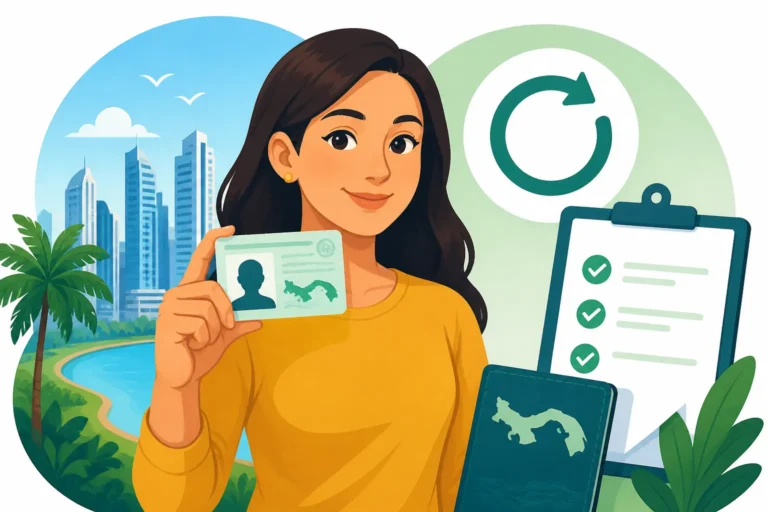
Permanent residency in Panama opens up a much wider world of opportunities and stability. Once you've secured this status, you gain the right to reside in Panama indefinitely. This is often reflected in your Cedula, Panama's national identification card, which acts as proof of your long-term status. The benefits are extensive:
- Work Freedom: You are no longer tied to a single employer. You can work for any company, start your own business, freelance, or invest in local ventures. This entrepreneurial freedom is a huge draw for many expats.
- Social Security and Healthcare Access: As a permanent resident, you contribute to and gain access to the Caja de Seguro Social (CSS), Panama's public social security system, provided you are employed or self-employed and making contributions. This also offers a more integrated approach to healthcare. Many expats also choose to supplement this with private health insurance in Panama, with options like Cigna Global offering comprehensive international coverage, providing peace of mind regardless of where you are in the world.
- Property Ownership: While foreigners can own property with just a visa, permanent residency streamlines processes like getting mortgages or dealing with property taxes.
- Family Inclusion: Many permanent residency visas allow you to include your dependents, such as your spouse and children, in your application, giving your whole family a stable future in Panama. For detailed information on this, you might find our guide on Family and Dependent Residency in Panama: Bringing Your Loved Ones (2027) incredibly helpful.
- Pathway to Citizenship: After a certain period (usually five years) as a permanent resident, you become eligible to apply for Panamanian citizenship by naturalisation, should you choose to pursue it. This is the ultimate step towards full integration and rights within the country.
With these rights come responsibilities. As a permanent resident, you are subject to Panamanian laws, including tax obligations, although Panama's territorial tax system means you generally only pay tax on income generated within Panama. Keeping your Cedula updated and respecting local customs are also important parts of being a good resident. You're effectively a long-term member of the Panamanian community, and the expectation is that you will contribute to it responsibly.
Pathways to Each Status: Application Processes Explained
The journey to obtaining a work permit or permanent residency in Panama involves distinct processes, each with its own set of requirements, documents, and challenges. It’s rarely a quick or simple affair, and often requires the expertise of local professionals.
Securing Your Work Permit: Step-by-Step
Obtaining a work permit in Panama usually starts with an employer. The most common scenario is that a Panamanian company needs to hire a foreign national for a specific role and agrees to sponsor their work permit application. This often happens alongside an application for a temporary visa that allows the foreigner to reside in Panama while working.
Here’s a general overview of the process:
- Job Offer: You first need a concrete job offer from a Panamanian company.
- Visa Application: Depending on your nationality and the type of work, your employer will likely help you apply for a temporary visa that permits employment. For example, under the Friendly Nations Visa, you first apply for a provisional residency visa, which comes with a temporary work permit.
- Required Documents: This is where the paper chase begins. You'll typically need:
- A notarized copy of your employment contract.
- Your professional diploma and/or certificates, often authenticated or apostilled.
- A police certificate from your home country.
- Your passport and multiple passport-sized photos.
- A power of attorney for your Panamanian lawyer (which is essential for navigating this system).
- Various forms from the Ministry of Labor (MITRADEL) and the National Immigration Service.
- Application Submission: Your lawyer, on your behalf, will submit the comprehensive application to MITRADEL. This department will review whether your position complies with Panama's labor laws, which typically favor Panamanian citizens. There are quotas for foreign workers, meaning generally no more than 10% of a company's ordinary workforce can be foreign, and 15% for technical or specialized staff.
- Processing and Approval: The processing time can vary significantly, from a few months to even longer. During this period, you may have provisional status, but it's important to understand any restrictions this might place on your ability to work immediately.
- Renewal: Work permits are typically issued for one or two years and require renewal.
The complexities can be overwhelming, which is why a trusted Panamanian lawyer is not just recommended, but practically mandatory. They understand the intricacies of How to Get a Work Permit in Panama? and can help you navigate the system efficiently.
The Journey to Permanent Residency
The path to permanent residency in Panama is more varied, as there are several visa categories designed to attract different types of foreign residents. This is a longer-term process, designed for those truly looking to make Panama their permanent home.
Common pathways to permanent residency include:
- Friendly Nations Visa: This popular visa, for citizens of specific "friendly" countries, allows you to apply for provisional residency and a work permit upon establishing economic ties (e.g., forming a Panamanian corporation or getting a job offer). After a period of provisional residency (usually two years), you can apply for permanent residency. Understanding the nuances of Understanding the Friendly Nations Visa in Panama (2027) is key.
- Pensionado (Retiree) Visa: For those with a guaranteed lifetime pension of at least $1,000 USD per month, The Expat Guide to the Pensionado (Retiree) Visa in Panama (2027) offers a clear and attractive route to permanent residency, with added benefits like discounts on various services.
- Qualified Investor Visa (Golden Visa): Panama offers a pathway to permanent residency for those willing to make a significant investment in the country, such as purchasing real estate or investing in Panamanian securities. You can learn more about Understanding the Qualified Investor (Golden Visa) Programme in Panama if this avenue interests you.
- Marriage Visa: Marrying a Panamanian citizen provides a direct route to permanent residency, though this process is subject to rigorous checks to prevent fraudulent marriages.
- Professional Visa: For professionals with university degrees working in specific fields where there is a shortage of qualified Panamanian professionals.
The general steps involved in applying for permanent residency are:
- Choose Your Visa Category: Select the residency program that best fits your circumstances.
- Gather Documents: This is an extensive list, often requiring:
- Apostilled background checks from your country of origin and any country where you’ve resided for more than two years.
- Original birth certificates (apostilled).
- Original marriage certificates (apostilled), if applicable.
- Financial solvency proof (bank statements, pension letters, investment proofs).
- Passport copies, health certificates, and multiple passport-sized photos.
- File Application: Your Panamanian lawyer will compile and submit your application to the National Immigration Service.
- Provisional Residency: Many pathways involve an initial period of provisional residency (e.g., 2 years) before you can apply for permanent status. During this time, you often receive a temporary Cedula.
- Interview/Biometrics: You may be required for interviews or biometric data collection.
- Approval and Cedula: Once approved for permanent residency, you will receive your permanent Cedula, which is your official ID card in Panama. Getting your How to Get Your Cedula (Residency ID) in Panama is a significant milestone!
The entire process, from initial application to receiving permanent residency, can take anywhere from six months to two years, depending on the visa type and the efficiency of the immigration department. Patience is definitely a virtue when dealing with Panamanian bureaucracy.
Key Considerations for Expats: Making the Right Choice
Deciding between a work permit and pursuing permanent residency, or understanding how one might lead to the other, involves more than just knowing the legal definitions. It requires a thoughtful evaluation of your long-term goals, financial situation, and how you envision your life unfolding in Panama.
Financial Implications and Long-Term Planning
The costs associated with obtaining and maintaining a work permit versus permanent residency differ significantly. A work permit, being tied to employment, might have some of its costs covered by your sponsoring employer, but you’ll still incur legal fees and government processing charges, which can add up to a few thousand dollars. These costs are often recurring for renewals.
For permanent residency, the initial outlay is generally higher due to more extensive documentation, government fees, and legal services. For example, the Friendly Nations Visa or the Qualified Investor Visa have substantial upfront costs. However, these are often one-time or less frequent expenses compared to continuous work permit renewals. When planning your move, consider using professional moving services like Sirelo to help estimate and manage the costs of relocating your belongings, freeing you up to focus on the immigration process.
From a tax perspective, understanding the implications is crucial. Panama operates under a territorial tax system, meaning you are generally only taxed on income generated within Panama. However, your residency status can influence how various types of income are perceived and whether you need to file tax returns with the DGI. It’s highly advisable to consult with a tax professional in Panama to understand your specific obligations. Our guide on The Complete Guide to Taxes in Panama for Expats (2027) can provide a solid foundation for this discussion. Planning for these costs and understanding your financial obligations is an integral part of making an informed decision about your status.
The Psychological and Lifestyle Impact
Beyond the legal and financial aspects, the psychological and lifestyle impact of your immigration status cannot be overstated. Living on a temporary work permit can sometimes foster a sense of impermanence. You might always have one eye on your next renewal date, or the stability of your job, which can subtly affect your willingness to fully commit to local life, learn Spanish, or invest in long-term friendships and community involvement. It can feel like you're perpetually in "visitor" mode.
Permanent residency, however, offers a profound sense of security and belonging. Knowing that you have the right to live here indefinitely allows you to truly relax and integrate. You can invest in a home, pursue entrepreneurial dreams without job-related anxieties, and plan for your future with confidence. This stability is particularly important if you are moving with family. The ability to include your spouse and children in your residency application, ensuring their future and access to services like education and healthcare, is a significant benefit. This allows for a much smoother transition into Panamanian society and promotes a feeling of home rather than just a place of temporary employment.
Ultimately, the choice between navigating life with a series of work permits or pursuing permanent residency depends on your long-term vision for your life in Panama. If you’re coming for a specific, time-limited contract, a work permit might suffice. But if you envision building a life here, embracing the culture, and truly making Panama your home, then permanent residency is the logical and ultimately more fulfilling path. Many expats start with a temporary visa that allows them to work, such as under the Friendly Nations scheme, and then transition to permanent residency once they are certain Panama is where they want to be. This phased approach often provides the best of both worlds, offering an initial period of exploration before committing to the full residency process. For a broader overview of the moving process, consider reading The Complete Guide to Moving to Panama: Your First 90 Days (2027).
Comparison Table: Work Permit vs. Permanent Residency
To help clarify the distinctions further, here’s a quick comparison of the key aspects:
| Feature | Work Permit | Permanent Residency |
|---|---|---|
| Primary Purpose | Authorize employment for a specific job/employer | Indefinite right to live and reside in Panama |
| Duration | Temporary (1-2 years), renewable | Indefinite, subject to maintaining status |
| Link to Employment | Directly tied to a specific job/employer | Independent of specific employment |
| Work Rights | Restricted to sponsoring employer/visa type | Work for any employer, self-employ, or start business |
| Path to Citizenship | Generally no direct path | Direct path after 5 years (typically) |
| Family Inclusion | Limited, often dependent on primary applicant's visa | Broader provisions for spouse and dependents |
| Social Security (CSS) | Employer-dependent contributions | Direct access/contribution requirements |
| Legal Stability | Conditional, subject to employment | High, provides long-term security |
| Identification | Temporary visa, work permit card (if separate) | Cedula (Panama's national ID card) |
| Cost | Lower initial, recurring renewal fees | Higher initial investment, less frequent renewals |
Disclaimer
The information provided in this article is intended for general guidance only and does not constitute legal, financial, or immigration advice. Panamanian laws and regulations regarding work permits and residency are complex and subject to change. It is strongly recommended that you consult with a qualified Panamanian immigration lawyer or legal professional to obtain advice tailored to your specific situation before making any decisions related to your immigration status in Panama.