How Do I Get a Work Permit in Panama?
Moving to Panama with the dream of working can quickly turn into a bureaucratic maze, especially when you realize that just having a visa often isn't enough to legally earn a living here. Many expats arrive with high hopes, only to discover that securing the proper work authorization is a distinct and often challenging process, separate from your general residency. This guide will meticulously break down the various pathways to obtaining a work permit in Panama, demystifying the requirements and offering practical advice based on years of expat experience.
Understanding the Landscape: Why a Work Permit is Crucial
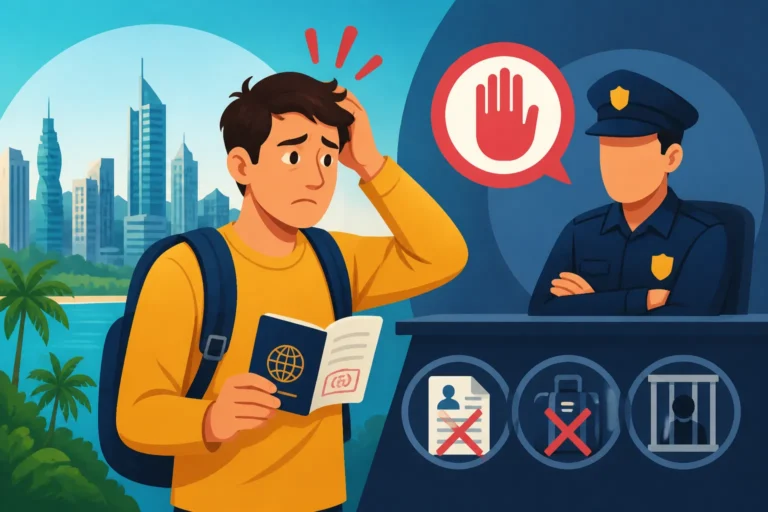
First things first, let's get one thing straight: you absolutely need a work permit to be employed legally in Panama, even if you have a residency visa. It's a common misconception that once you have your "paperwork" for residency, you're free to work. That's simply not the case in most scenarios. Panama has specific laws designed to protect its national workforce, meaning that obtaining a work permit often involves proving that a Panamanian citizen isn't available or qualified for the job. This isn't meant to discourage you, but rather to set realistic expectations.
Think of it like this: your residency visa allows you to live in Panama, while a work permit allows you to earn a living from a Panamanian source. These are two separate, though often interconnected, pieces of the immigration puzzle. Trying to work without one can lead to severe penalties, including fines for both you and your employer, deportation, and even future bans from the country. It's a risk not worth taking, so let's make sure you understand the right way to do things.
The Role of the Ministry of Labor and Immigration Office
In Panama, the authority for work permits primarily rests with the Ministry of Labor and Labor Development (Ministerio de Trabajo y Desarrollo Laboral, MITRADEL). This is where your actual work permit application will be filed and processed. However, your journey often begins with the National Immigration Service (Servicio Nacional de Migración), which handles your initial visa and residency application. It's a two-pronged approach that can feel a bit like chasing your tail at times.
MITRADEL has strict quotas for foreign workers, which vary depending on the specific visa category your employer is sponsoring you under. Generally, Panamanian companies are allowed to hire foreign staff up to a certain percentage of their total workforce – typically 10% for ordinary workers and 15% for specialist/technical staff. Exceeding these quotas requires special justification and usually higher salary thresholds. This quota system is a big reason why securing a work permit here isn't always straightforward. You might have the skills, but if the company's quota is full, you're out of luck until a spot opens up.
Common Pathways to a Work Permit in Panama
Navigating the various visa categories that allow for work authorization can feel overwhelming. It's not a one-size-fits-all situation. The path you take largely depends on your nationality, your profession, and how you plan to be employed. Let's explore the most common routes that expats utilize to secure a work permit in Panama.
Friendly Nations Visa with Work Permit Endorsement
One of the most popular and accessible routes for many expats from specific countries is the Friendly Nations Visa. This visa, established by Executive Decree No. 343 of 2012 (and later updated), is designed to attract professionals and investors from countries deemed "friendly" to Panama. If you're from one of the approximately 50 countries on this list (which includes the US, Canada, most of Europe, Australia, etc.), this can be an excellent option.
Once you obtain your provisional or permanent residency through the Friendly Nations Visa, you can then apply for a work permit. The key here is that you must have a job offer from a Panamanian company. You can't just arrive and expect to get a work permit without an employer sponsorship. Your employer will need to provide a formal job offer, and you'll typically apply for the permit for a one-year term, renewable for up to five years, after which you can apply for a permanent work permit. This pathway is a fantastic starting point for many, but remember, the job offer is non-negotiable. For a deeper dive, check out our guide on the Understanding the Friendly Nations Visa in Panama.
Work Permits for Employed Professionals
Beyond the Friendly Nations Visa, there are several specific visa categories under which you can apply for a work permit, usually with an employer's sponsorship. These are often tied to specific industries, qualifications, or company types.
10% Ordinary Personnel or 15% Specialized Personnel Visa
This is the most common type of work permit and is directly linked to the quotas mentioned earlier. If a Panamanian company hires you, they apply for your work permit under either the 10% ordinary personnel quota or the 15% specialized personnel quota. The "specialized" category requires proof of specific professional or technical qualifications that are needed by the company and that a Panamanian national cannot fulfill. This usually means submitting university degrees, professional certifications, and a detailed resume. The burden of proof is on your employer to demonstrate your unique value to the company and the Panamanian economy.
For instance, if a multinational corporation like Copa Airlines or one of the logistics giants in the Colón Free Zone needs an expert in a niche software system, and there aren't enough qualified Panamanians, they would apply for a 15% specialized personnel visa and work permit for you. This path often requires a bit more documentation and justification to MITRADEL.
Marrakech Agreement Visa
Panama is a signatory to the Marrakech Agreement, which allows a limited number of foreign workers to obtain work permits for up to five years. This category is typically for highly skilled professionals who have degrees from accredited universities, particularly those whose skills are in high demand and where there's a demonstrable lack of local talent. The application here is often more complex and requires rigorous documentation of your educational background and professional experience.
The key advantage of the Marrakech Agreement Visa is that it doesn't fall under the standard 10% or 15% quotas, offering a separate avenue for companies to hire crucial foreign talent. However, the spots are limited, and the process can be more time-consuming due to the detailed verification required. This visa is a prime example of why getting your foreign qualifications recognized in Panama can be vital.
Work Permits for Executives of Multinational Companies
If you're working for a multinational company with regional headquarters in Panama, especially under the SEM (Sede de Empresas Multinacionales) Law, you're in a unique and much more streamlined position. This law provides significant incentives for multinational companies to establish their regional operations here, and a major perk is the easier process for transferring foreign executives and specialized staff.
Employees of SEM companies generally receive immediate provisional residency and corresponding work permits. The approval process is significantly faster and less burdensome compared to other categories, as the government actively encourages these companies to operate from Panama. This is a massive benefit if your company qualifies under this regime, making the move and work authorization process considerably smoother.
Special Cases and Considerations
Beyond these main categories, there are a few other niche situations where work permits or authorizations are granted.
Digital Nomad Visa (Short Stay Visa)
While not a direct path to a traditional work permit in the Panamanian sense for local employment, the Digital Nomad Visa, also known as the "Short Stay Visa for Remote Workers," allows you to legally reside in Panama for up to nine months (with a potential nine-month extension). Crucially, this visa permits you to work remotely for companies outside Panama. You cannot legally take on local employment with this visa. It's fantastic for those who want to experience living in Panama while maintaining their foreign-based income, but it's not a route to a Panamanian job.
Pensionado (Retiree) Visa
The Pensionado Visa is specifically for retirees who receive a lifetime pension of at least $1,000 USD per month. While it offers excellent benefits and permanent residency, it explicitly does not grant the right to work in Panama. If you're a retiree looking to supplement your income, you would need to explore other visa categories or consider self-employment options that align with specific residency rules, which can be complicated. For those interested in this pathway, our article on The Expat Guide to the Pensionado Retiree Visa in Panama provides comprehensive details.
The Application Process: From Job Offer to Permit in Hand
So, you've landed a job offer from a Panamanian company – fantastic! Now comes the actual work permit application. This process requires meticulous attention to detail and patience, as it involves coordinating between your employer, immigration lawyers, and several government agencies.
Required Documentation: A Mountain of Paperwork
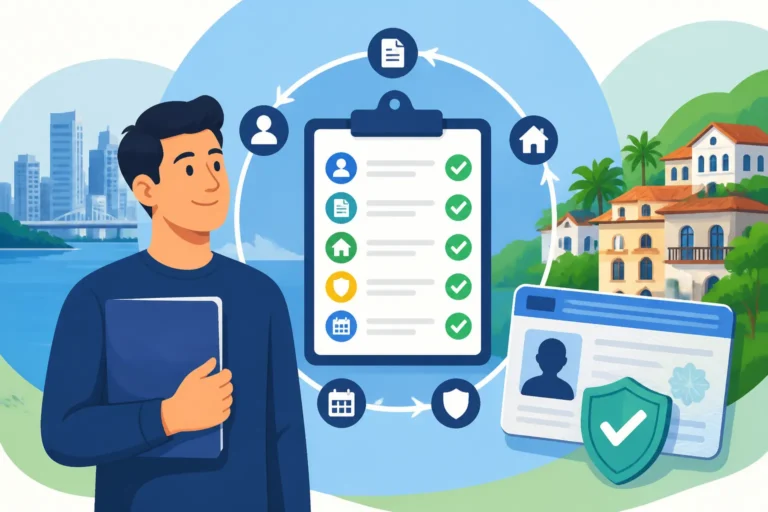
Get ready for paperwork! The exact documents will vary slightly depending on your visa type and the work permit category, but there are common threads. Here's a general list, and believe me, it often feels like an endless checklist:
- Employer's Letter of Responsibility: A formal letter from your Panamanian employer stating your position, salary, and that they will be responsible for your immigration status.
- Certified Copy of Employment Contract: Your official employment agreement, duly registered with MITRADEL.
- Company's Commercial License (Aviso de Operación): Proof that your employer is a legally operating business in Panama.
- Social Security Registration of the Company: Demonstrating the company's compliance with Panamanian labor laws.
- Passport Copy: All pages, clearly legible.
- Visa/Residency Card Copy: Proof of your legal residency status in Panama.
- Professional Diplomas and Certificates: Authenticated and often apostilled, especially for specialized roles. You might need to get your foreign degree recognised in Panama.
- Resume/CV: Detailed, showcasing your experience.
- Four Passport-Sized Photos: Usually specific dimensions and background color.
- Police Clearance Certificate: From your home country and potentially from Panama if you've been here for a while.
- Medical Certificate: Issued in Panama.
- Tax Clearance Certificate (Paz y Salvo): Proving you have no outstanding tax obligations (for renewals).
- Proof of Dependency: If you are including dependents, documents like marriage certificates and birth certificates, all apostilled and translated.
This list isn't exhaustive, and requirements can change, so always consult with a qualified Panamanian immigration lawyer. They are indispensable in navigating this complex process, ensuring all documents are correctly prepared and submitted.
The Stages of Application
Once you and your lawyer have gathered all the necessary documents, the process generally unfolds in these stages:
- Residency Application: First, you secure your underlying residency visa (e.g., Friendly Nations, Professional Visa, etc.) through the National Immigration Service. This is where most foreigners begin their journey to live and work here.
- Work Permit Application to MITRADEL: Once your provisional residency is approved and you have your job offer, your lawyer submits the work permit application to MITRADEL. This application will include all the documents listed above, along with specific forms from MITRADEL.
- Review and Approval: MITRADEL reviews the application, checks quotas, verifies documents, and may request additional information or an interview. This stage can take several weeks or even months. Patience is definitely a virtue here.
- Issuance of Work Permit Card: Upon approval, you'll receive a physical work permit card or a stamp in your passport, officially authorizing you to work in Panama for the specified period.
- Social Security Registration (CSS): With your work permit, your employer will register you with the Caja de Seguro Social (CSS). This is crucial for your healthcare benefits and future pension contributions. You can learn more about this in our guide on How to Register with the CSS (Caja de Seguro Social) in Panama.
Dealing with Delays and Bureaucracy
Ah, Panamanian bureaucracy! It's famous for a reason. Delays are not uncommon. Files can get misplaced, officials might be on vacation, or a new requirement might suddenly pop up. It can be incredibly frustrating, especially when your livelihood depends on it.
A common scenario is being stuck in limbo while your permit is processing. You might have received your provisional residency card, but without the work permit, you can't legally start working. This is where having sufficient savings to tide you over is crucial. Some expats find themselves waiting several months, which can be tough financially and mentally. This is where good planning, perhaps with a relocation service like Sirelo to help manage the moving logistics, can make a huge difference in reducing overall stress.
Renewing and Maintaining Your Work Permit
Once you have your work permit, the journey isn't over. Work permits are typically issued for one-year terms initially, and then usually renewable for two to three years. After five years, depending on your residency category, you may be eligible for a permanent work permit.
Renewal Process
The renewal process is similar to the initial application but often less demanding. You'll need updated documents, proof of continued employment, and evidence of your social security contributions. Crucially, you must apply for renewal before your current permit expires. Applying late can lead to fines and complications. Keep meticulous records of all your previous applications and payments – you'll thank yourself later.
Changes in Employment
What happens if you want to change jobs? This is a common question. Generally, if you change employers, you will need to apply for a new work permit with the new employer. Your existing work permit is tied to the specific company that sponsored you. This means starting the MITRADEL application process again, albeit often a bit quicker if your underlying residency remains valid. This is an important detail many expats overlook, leading to unexpected hurdles. Understanding the rules and restrictions for foreign workers in Panama is absolutely key here.
Considerations for the Self-Employed
For those dreaming of becoming their own boss, the path to a work permit is even more nuanced. Panama does offer routes for self-employment, but they are generally tied to specific investor visas or professional categories that allow for independent work. Simply having a general residency visa usually does not automatically grant you the right to be self-employed and bill Panamanian clients. You would need to establish a Panamanian company, register with the DGI (tax authority), and ensure your visa status permits such activity. This is a complex area and requires specialized legal advice. Our guide on Self-Employment in Panama: Registering a Business and Going Independent can offer more insights.
Conclusion: Patience and Professional Guidance are Your Best Friends
Getting a work permit in Panama is entirely achievable, but it's rarely a quick or simple process. It demands patience, diligence, and a clear understanding of the specific requirements for your situation. Trying to navigate this labyrinth alone is a recipe for frustration and potential legal pitfalls.
That's why professional legal guidance is not just recommended, it's pretty much essential. A good Panamanian immigration lawyer will be invaluable in advising you on the correct visa category, preparing your documentation, dealing with government agencies, and managing expectations regarding timelines. While it's an added expense, it's an investment that can save you immense stress, time, and money in the long run. And once you're here and working, don't forget to look into comprehensive health coverage, as managing your well-being in a new country is paramount.
Disclaimer
The information provided in this guide is for general informational purposes only and does not constitute legal, financial, or immigration advice. Immigration laws and regulations in Panama can change frequently. It is imperative to consult with a qualified Panamanian immigration lawyer or an official government source for the most accurate and up-to-date information regarding your specific situation. We are not liable for any actions taken based on the information presented herein.