What Happens If I Overstay My Visa in Panama?
Getting caught in the sticky situation of overstaying your visa in Panama can feel like a real punch to the gut, or at least a massive headache you didn't see coming. Whether it was an accidental miscalculation, a sudden change in plans, or just that mañana attitude bleeding into your administrative tasks, the stress of facing the National Immigration Service (Servicio Nacional de Migración or SNM) with an expired stamp is something many of us expats have either experienced ourselves or seen friends go through. This guide is here to walk you through exactly what happens if you find yourself in this predicament, how to navigate the system, and crucially, how to prevent it.
Understanding Panama's Immigration Rules and Tourist Stays
First off, let's clear up what we're talking about when we say "overstaying." In Panama, most tourists are initially granted a stay of 90 days. This isn't a hard and fast rule, mind you; the immigration officer at your port of entry, usually at Tocumen International Airport, has the final say and can grant you less. It's always, always crucial to check the stamp in your passport the moment you get it. Don't assume anything, because that assumption could cost you.
This initial 90-day period is generally for tourist activities. It's not a green light to start working, or even to begin setting up a long-term life without proper residency. For many, Panama's beauty and opportunities lead them to fall in love with the country and consider staying longer. This is where people often stumble. They think, "Oh, I'll just figure it out," or "I'll apply for a visa while I'm here." While there are indeed pathways to residency, applying for them can be a lengthy process, and you generally need to maintain legal status while your application is pending. Trying to transition directly from an expired tourist stamp to a residency application is usually a non-starter and just adds complications. If you're planning a move, it’s always best to understand the options, such as the Complete Guide to Panama Visas and Immigration for Expats (2026).
The Standard Tourist Visa Duration
As I mentioned, the standard tourist visa duration for many nationalities is 90 days. However, citizens of some countries might receive only 30 days, or even require a pre-approved visa before arrival. It's truly a mixed bag, which is why checking your passport stamp is non-negotiable. I've heard countless stories of people getting a 30-day stamp when they expected 90, only to realize it too late. This often happens to individuals arriving from certain regions or those whose appearance or travel patterns might raise a red flag for immigration officers, even if completely innocently.
The clock starts ticking the day you arrive, not the day after. So, if you arrive on January 1st and get a 90-day stamp, your legal stay ends on March 31st. Mark it in your calendar, set alarms, tattoo it on your arm if you have to! This isn't just a suggestion; it's the law. The Panamanian authorities are quite strict about this, and ignorance is definitely not a valid excuse in their eyes.
When Your Status Becomes Illegal
Your status becomes officially "illegal" the moment your visa or permitted stay expires. Even one day over is an overstay. There's no grace period, no "almost" expired. You've crossed a line, and you're now subject to fines and potential further consequences. This is where the casual attitude some might have towards immigration elsewhere simply doesn't fly here.
What this means in practical terms is that every day you remain in Panama beyond your allowed period, you're accruing a fine. More importantly, you're living in a legal grey area that can make simple tasks incredibly difficult. Want to open a bank account? Forget about it. Need to deal with any official paperwork? Good luck. Even things like accessing certain services, or if you need to, claiming on an international health insurance like Cigna Global, might become needlessly complicated without valid legal status. It’s a position you absolutely want to avoid at all costs.
The Immediate Consequences of Overstaying Your Visa
So, you've overstayed. What now? The immediate consequences generally revolve around fines and a very uncomfortable exit process. Panama's immigration system, while generally welcoming, doesn't take kindly to those who disregard their rules. You'll likely encounter these issues when you try to leave the country, as this is typically when your overstay is flagged.
Financial Penalties and Fines
The most common and immediate consequence of overstaying your visa in Panama is a hefty fine. The amount isn't arbitrary; it's usually calculated per month or fraction of a month you've overstayed. As of my last check, the fine for overstaying a tourist visa is typically around $50 USD per month or fraction thereof. So, if you're even one day into your fourth month of overstaying, you're looking at $200. This might not sound like a fortune, but it can quickly add up, especially if you've been lax.
Imagine this scenario: you arrived on January 1st, 2026, and got a 90-day stamp. You mistakenly thought it was 180 days and didn't check. You now try to fly out on July 1st.
- Your legal stay ended March 31st.
- April: 1st month of overstay – $50
- May: 2nd month of overstay – $50
- June: 3rd month of overstay – $50
- July: 1 day into 4th month of overstay – $50
Total fine: $200. Plus, any potential administrative fees.
This fine must be paid before you are allowed to leave the country. This can be a huge shock at the airport, especially if you didn't anticipate it. They won't let you board your flight until it's settled. This means scrambling for cash, potentially missing your flight, and adding to the overall stress and cost. It's not a pleasant experience to be pulled aside by immigration officers when you're just trying to catch a flight home.
Challenges at the Airport and Border Crossings
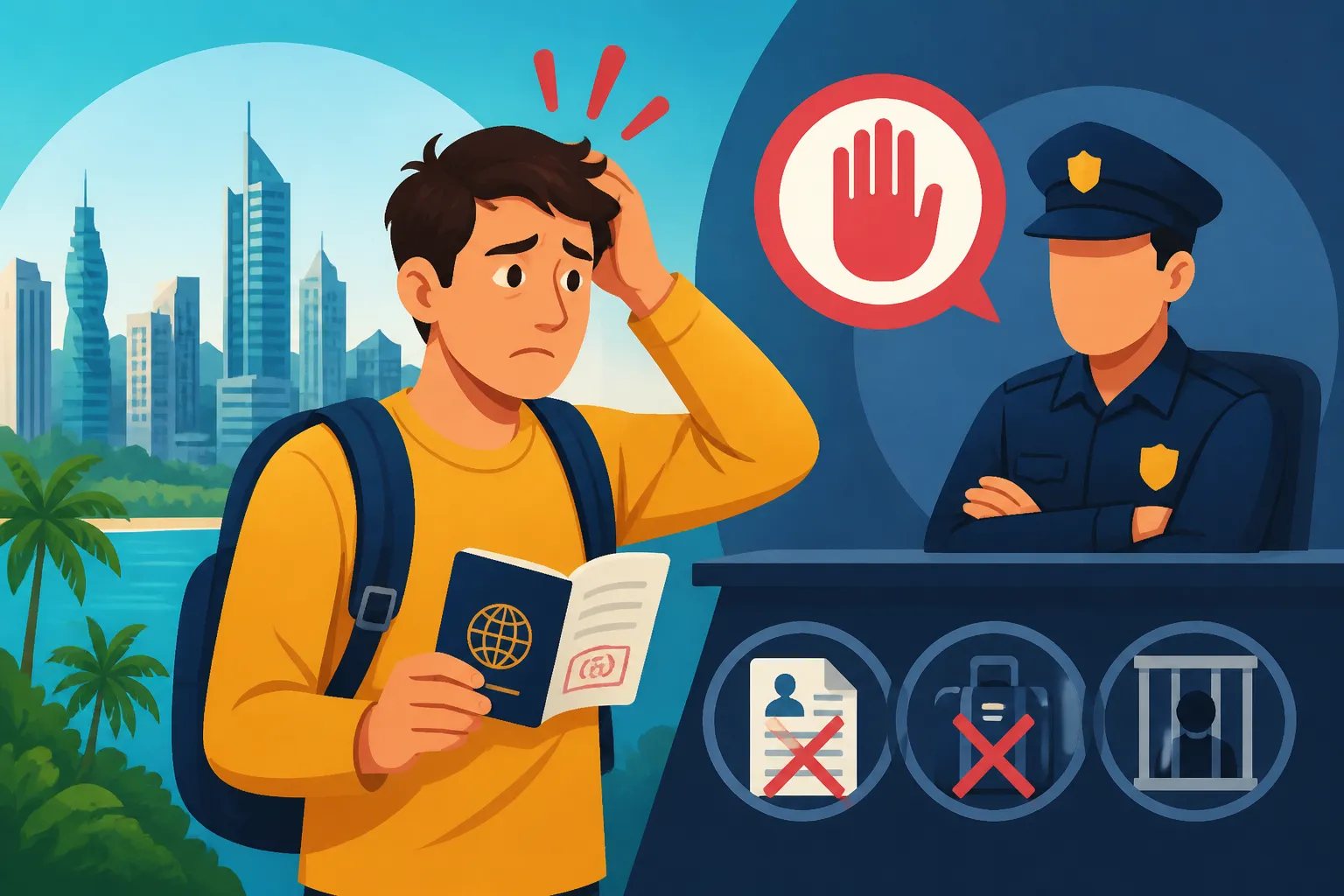
When you arrive at Tocumen, or any other port of exit, and your passport is scanned, the system will immediately flag your overstay. This isn't a discrete process; it's a very public and often embarrassing one. You’ll be pulled aside from the general queue, which can be quite intimidating. You'll then be directed to a separate immigration office where they will process your fine and assess your situation.
The process can take hours, especially if there's a queue of other people in similar predicaments or if it's a busy travel day. You’ll need to remain calm and respectful, even if you’re frustrated or worried about your flight. Remember, the officers are just doing their job, enforcing the law. They don't want to hear your sob story; they want to see the fine paid. This often involves being escorted to a bank branch within the airport to make the payment, or if there isn't one, finding an ATM. This is why having extra cash or a credit card with a high limit available is absolutely crucial when you're leaving Panama, just in case. Don't assume you can sweet-talk your way out of it.
Potential for Future Entry Restrictions
While the immediate concern is often the fine, a longer-term consequence of overstaying your visa in Panama is the potential for future entry restrictions. Panama's immigration authorities keep records. An overstay can result in a mark on your immigration file. This doesn't necessarily mean you'll be banned for life, but it certainly doesn't look good.
When you next try to enter Panama, especially if it's relatively soon after your overstay, immigration officers will see this history. They might question you more thoroughly about your intentions, your length of stay, and your financial means. In some cases, depending on the severity and length of the overstay, they could deny you entry, or grant you a much shorter stay than you hoped for. It’s always at their discretion. Repeated overstays, or overstays coupled with other infractions, could lead to a formal ban, which would be a severe blow if you love visiting or living here. Maintaining a clean immigration record is important for anyone considering a long-term relationship with Panama.
How to Rectify an Overstay and Pay Fines
Discovering you've overstayed can feel like a panic moment, but it's important to approach it systematically. The key is to be proactive and understand the steps involved in making things right. While the ideal scenario is to avoid an overstay altogether, if it happens, there's a process.
The Process at the National Immigration Service (SNM)
Most people deal with their overstay at the airport on their departure day. However, if you realize you've overstayed before your planned departure, or if you're trying to adjust your status while in Panama, you might need to visit a regional office of the National Immigration Service (SNM). The main office is in Panama City, but there are also offices in other provinces.
When you go to the SNM, bring all your documents: your passport, your entry stamp, and any other relevant paperwork. You'll explain your situation, and they will calculate your fine. They might ask for details about why you overstayed. Again, be polite and truthful. They will issue you a payment slip, and you'll typically need to pay this at an authorized bank, usually Banco Nacional de Panamá. Once paid, you return to the SNM with the receipt, and they will process your exit or advise you on further steps. This can often be a multi-day process involving several visits, so factor that into your planning.
| Overstay Duration | Estimated Fine (USD) | Common Location for Payment | Notes |
|---|---|---|---|
| Up to 30 days | $50 | Airport Immigration / Bank | Per month or fraction thereof |
| 31-60 days | $100 | Airport Immigration / Bank | Fines accumulate |
| 61-90 days | $150 | Airport Immigration / Bank | Can be a longer processing time at SNM |
| 91+ days | $50 per month | SNM Office / Bank | Highly advisable to seek legal advice |
Seeking Legal Assistance
For minor overstays, especially if dealt with at the airport, legal assistance might not be strictly necessary. However, if your overstay is substantial (say, several months), or if you have other complicating factors (like trying to apply for a visa concurrently, or a desire to become a long-term resident), consulting with a reputable immigration lawyer in Panama is highly advisable. They understand the nuances of the law and can guide you through the process, potentially speeding it up or mitigating further issues.
A lawyer can represent you at the SNM, help prepare necessary documents, and advise on the best course of action for your specific situation. This is especially true if you are trying to change your immigration status. For example, if you overstayed but now qualify for a visa like the Friendly Nations Visa in Panama, a lawyer can explain if and how you can rectify the overstay while pursuing the new visa. Their fees will add to your costs, but it can be a worthwhile investment for peace of mind and successful resolution.
Exiting Panama After an Overstay
Once your fine is paid and all necessary paperwork is processed, you will be allowed to exit Panama. At the airport, after paying, you'll likely return to the immigration desk where they will stamp your passport with an exit stamp. It's crucial to ensure everything is correctly processed and that you receive an official receipt for your fine payment. Keep this receipt with your travel documents; it's proof that you've rectified your situation.
It’s important to remember that simply paying the fine doesn't erase the overstay from your record. It merely resolves the immediate financial and legal obligation. As discussed, the history of an overstay could still impact future travel plans to Panama. This is why being prepared and handling the situation professionally is paramount. If you're stressed about coordinating your move out of Panama after an unexpected overstay, resources like Sirelo can help you find movers and organize logistics efficiently, minimizing additional hassle.
Preventing Future Overstays: Planning Your Exit and Extensions
The best offense is a good defense, and when it comes to immigration, that means diligent planning. Avoid the stress, fines, and potential restrictions by taking a proactive approach to your stay in Panama. It’s far easier to prevent an overstay than to rectify one.
Diligently Track Your Visa Expiration Date
This might sound like a no-brainer, but it's the number one cause of accidental overstays. The moment your passport is stamped upon entry, open it up and verify the date. Then, immediately mark it down somewhere prominent: your phone calendar, a physical diary, a reminder app, multiple places! Set alerts a week before, then a few days before, then on the day. Do not rely solely on your memory or the word of others.
Always assume the shortest possible stay unless explicitly stated otherwise by the immigration officer and clearly marked in your passport. If you're unclear about your granted stay, ask the immigration officer at the airport before you leave the counter. Don't be shy; it's your right to know, and it can save you a world of trouble later. Remember the key takeaway: check that stamp! If you want to know more about general tourist rules, check out our guide on How Long Can I Stay in Panama as a Tourist?.
Understanding Visa Extensions
Panama does allow for tourist visa extensions in certain circumstances, but it's not a guaranteed right and you must apply before your current visa expires. Generally, you can apply for an extension of up to 30 or 60 days, usually pushing your total stay to 180 days (6 months). This process involves visiting the National Immigration Service (SNM) with your passport, a copy of your entry stamp, an onward ticket (proving you intend to leave), and often proof of economic solvency. There are usually fees associated with extensions, and the process can take time.
Applying for an extension is not a casual affair; it requires paperwork, patience, and a visit to an SNM office, usually in Panama City. You'll fill out forms, pay fees, and potentially return a few times. If you are serious about a longer stay, looking into proper residency visas like the Friendly Nations Visa in Panama is a far more stable long-term solution. Never just assume you can extend; always check the current rules and apply well in advance.
Planning Your Departure in Advance
The easiest way to avoid an overstay is to simply plan your departure before your visa expires. Book your flight out well within your allowed period. If your plans are flexible, set a conservative departure date. If unforeseen circumstances arise that might delay your departure, address them immediately by seeking an extension or legal advice, rather than letting your visa expire.
Keep copies of all your travel documents, including your passport, visa stamp, and any extension approvals, in a safe place and also digitally. This practice is good for general travel, but it's especially critical when navigating immigration. Having all your ducks in a row makes any interaction with immigration authorities much smoother. And if you're ever worried about being out of status, ensure you have robust international health insurance like Cigna Global to cover any medical emergencies, as an overstay can complicate access to other services. For those thinking of making a more permanent move, truly understanding all the administrative hoops is critical, and articles like Understanding How to Move to Panama Legally from Abroad are a great starting point.
Disclaimer
The information provided in this guide is intended for general informational purposes only and does not constitute legal advice. Immigration laws and regulations in Panama are subject to change and can be complex. It is highly recommended to consult with a qualified Panamanian immigration lawyer or the National Immigration Service (SNM) for advice tailored to your specific situation. This guide is based on general knowledge and common practices, but individual circumstances may vary.