How to Transfer Money Into and Out of Panama as an Expat
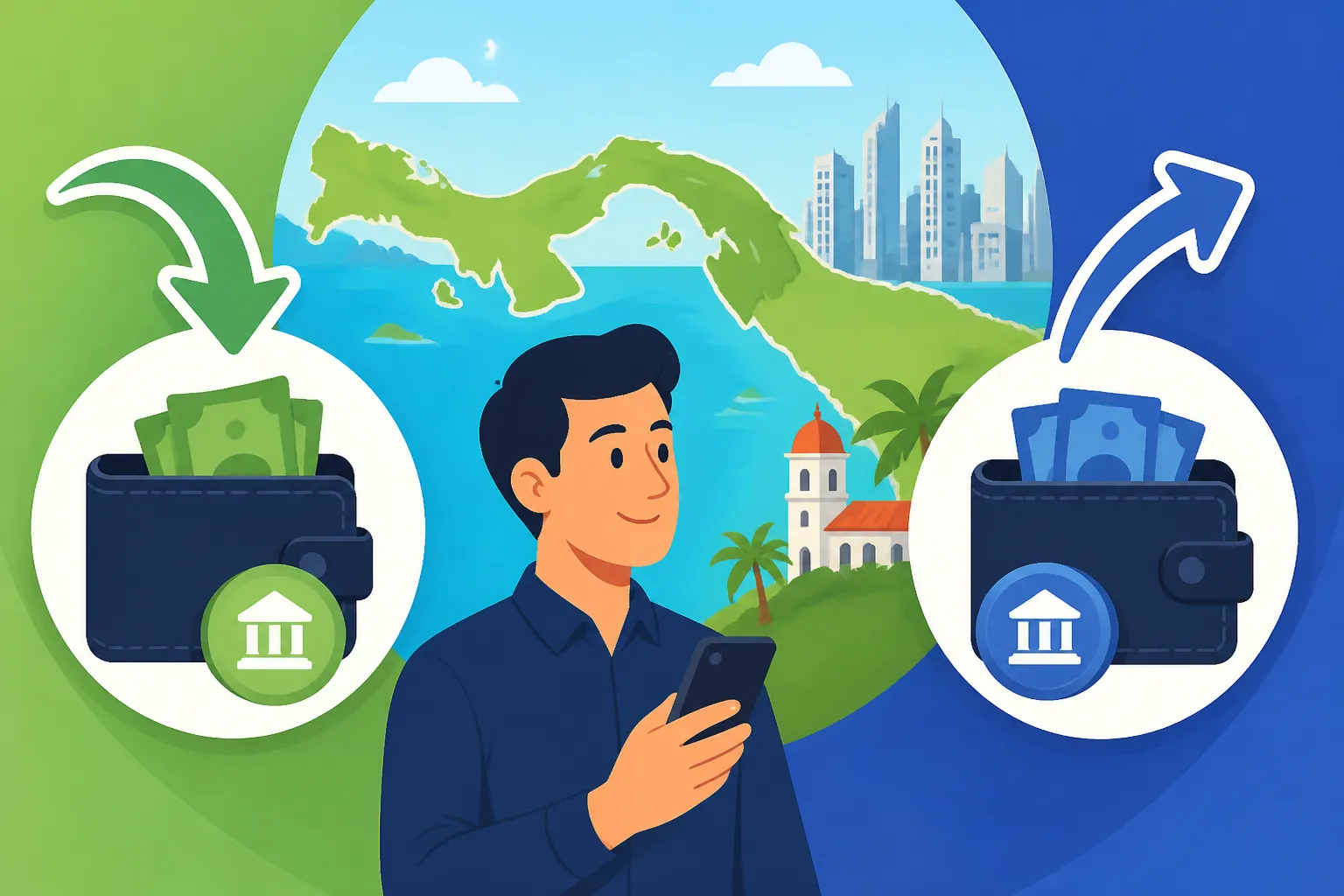
Moving your money internationally, whether it's bringing your life savings into Panama or sending funds back home, can feel like navigating a maze blindfolded. The bank fees, the fluctuating exchange rates, the sheer amount of paperwork – it's enough to make even the most seasoned expat pull their hair out. But don't worry, my friend, you're not alone in this. This guide is here to demystify the process, offering you a clear roadmap to confidently transfer money into and out of Panama.
Understanding the Panamanian Banking Landscape for Transfers
First things first, let's get a lay of the land in Panama when it comes to banking. It's a critical foundation for understanding how money moves, especially for us foreigners who often have different needs than locals. The system here has its quirks, just like anywhere else, but once you understand them, it becomes a lot less daunting.
Opening a Local Bank Account
One of the first steps any expat takes, usually after landing and sorting out some initial bureaucracy, is to open a local bank account. This isn't just a convenience; it's practically a necessity for living here, whether it's for paying utility bills, receiving a local salary, or making everyday purchases. The process itself can be a bit of a marathon, often requiring more documentation than you might be used to back home. You'll likely need your passport, a second form of ID, proof of address (like a utility bill in your name, which can be tricky if you just arrived!), proof of income or funds, and sometimes even a bank reference letter from your previous country. Banks like Banco General, Banistmo, and Davivienda are popular choices for expats, each with its own set of requirements and service levels. Don't be surprised if the bank asks you for an initial deposit that's higher than a local might need. It's all part of the due diligence they have to perform, especially with international anti-money laundering regulations. Be patient, bring everything they ask for, and then bring a little extra just in case! For a more detailed walkthrough, you might want to read our guide on how to open a bank account at a Panamanian bank as a foreigner.
Panama's US Dollar Economy and its Implications
Here's one aspect that often surprises newcomers: Panama uses the US dollar as its official currency. This is fantastic news for anyone coming from the States, as it eliminates any currency conversion headaches on a daily basis. For those of us from other countries, it means you're dealing with one less variable when calculating your cost of living or income. While Panama issues its own coins (called Balboas, which are interchangeable with US cents), all paper currency is US dollars. This unique monetary system has significant implications for international transfers. You won't face local currency conversion fees when you transfer USD into Panama, but if your funds originate in Euros, CAD, GBP, or any other currency, you'll still encounter an exchange rate at some point in the transfer chain. Understanding why Panama uses the US dollar helps clarify many financial interactions you'll have here.
Local Banks and Their International Transfer Capabilities
Panamanian banks are, of course, fully capable of handling international transfers, both incoming and outgoing. However, the process can sometimes feel a bit… old-school. For incoming wires, you'll need the bank's SWIFT/BIC code, the branch address, and your full account details. For outgoing transfers, you'll usually have to go into a branch, fill out a form, and present your ID. Online banking platforms have improved over the years, with many local banks now offering options to initiate transfers online, but often with daily limits or requiring a secondary verification method. Fees for wire transfers can vary significantly between banks, and they might also include intermediary bank fees that aren't immediately obvious when you initiate the transaction. This is where many expats get caught out – a transfer might look cheaper on paper, but then a chunk disappears to correspondent banks along the way. Be sure to ask your Panamanian bank for a clear breakdown of all potential fees involved in an international transfer before you commit. Knowing the nuances of local banks is key to understanding the full scope of how Panama's health system works: CSS and Private Care Explained.
Traditional Methods for International Money Transfers
Before the rise of digital platforms and fintech, traditional methods were the only game in town for moving money across borders. While they might seem less convenient today, they still hold a place for certain types of transactions, especially for larger sums or when dealing with entities that prefer these established channels.
Wire Transfers Through Banks
Wire transfers are probably the most common "traditional" method for sending or receiving significant amounts of money. They involve transferring funds directly from one bank account to another, typically taking 1-5 business days to clear, depending on the origin and destination countries and any intermediary banks involved. For example, if you're selling a property back home and need to move the proceeds to your Panamanian account, a bank wire is often the go-to.
The process usually involves visiting your bank (either in Panama or your home country) or using their online banking portal. You'll need the recipient's full name, bank name, account number, SWIFT/BIC code, and potentially the bank's address. The fees for these transfers can be substantial, often ranging from $25 to $50 USD per transaction, and that's just the sending bank's fee. As mentioned earlier, intermediary banks might also levy their own charges, further reducing the amount that actually arrives in the recipient's account. This can be particularly frustrating when you're expecting an exact amount to cover a closing cost or a significant expense, only to find it slightly short. Always factor in these potential "hidden" fees when planning a large transfer.
Sending and Receiving with International Cheques or Bank Drafts
While increasingly rare in our digital age, international cheques or bank drafts are still technically an option. Imagine you're receiving a pension payment from a country that doesn't easily facilitate direct international transfers, or you need to pay for a service in Panama where the provider prefers a physical instrument. A bank draft is essentially a cheque guaranteed by the issuing bank, making it a secure form of payment.
However, using them in Panama comes with its own set of challenges. First, getting one issued can be costly and slow. Second, depositing an international cheque into a Panamanian bank account often involves a lengthy clearing period, sometimes weeks or even months, especially if it's drawn on a bank outside the US. Banks need to verify the funds, and this process can be arduous. During this time, the funds are essentially in limbo, unavailable for your use. This method is almost never recommended for urgent transfers or regular income streams due to the high fees, long wait times, and potential for administrative delays. Most expats find that the hassle simply isn't worth it anymore.
Money Order Services
Services like Western Union and MoneyGram fall under the umbrella of traditional money orders. These services allow you to send money from one location and have it picked up in cash at another. They are typically used for smaller, often urgent transfers, particularly when the recipient doesn't have a bank account or needs cash immediately. For example, if you need to send emergency funds to a family member in a remote area of Panama, or vice versa, these services can be a lifeline.
They operate through networks of agents, which in Panama might include pharmacies, convenience stores, or dedicated service points. While fast – funds can often be picked up within minutes of being sent – they come with higher fees relative to the amount being sent and less favorable exchange rates compared to bank wires or digital platforms. The maximum transfer limits are also usually lower, making them unsuitable for significant financial movements. For expats looking to manage their main finances, these are usually a last resort for specific, small-scale, and immediate cash needs rather than a primary transfer method.
Digital Platforms: A Modern Solution for Expats
The digital age has truly revolutionized how we move money, offering speed, transparency, and often lower costs compared to traditional banking methods. For expats in Panama, these platforms have become indispensable tools for managing finances across borders.
Dedicated Online Money Transfer Services
This is where the game truly changed for many of us. Services like Wise (formerly TransferWise) have become incredibly popular because they directly address the pain points of traditional bank transfers: high fees and opaque exchange rates. How do they work? Instead of sending money directly through the SWIFT network, Wise operates on a local-to-local transfer model. When you send money from your bank account in, say, the UK to Panama, you actually send it to Wise's local UK account. Wise then uses its local US dollar account in Panama to pay the recipient. This bypasses many of the international wire transfer fees and allows them to offer much more competitive mid-market exchange rates.
The advantages are clear: lower fees, transparent pricing (what you see is what you pay), and significantly faster transfer times, often within hours or even minutes for common currency corridors. Most major currencies are supported, and the process is entirely online, making it incredibly convenient. For expats regularly moving funds for rent, a mortgage back home, or to top up their Panamanian account, services like Wise are often the cheapest and most efficient option. They also provide excellent tracking features, so you always know where your money is.
Using Fintech Apps for Smaller Transfers
Beyond dedicated transfer services, a growing number of fintech apps and digital wallets can facilitate smaller, more informal transfers. While not always designed for large, regular international movements, they can be incredibly useful for specific scenarios. For instance, if you need to split a dinner bill with friends who are also expats and have a balance in a digital wallet, or if you're sending a small amount to someone who uses the same app.
Apps like PayPal, for example, allow international transfers, but their fees and exchange rates can be less competitive than Wise for direct bank-to-bank transfers. They are excellent for online purchases and person-to-person payments within their ecosystem but less so for substantial cross-border cash movements. Other apps might focus on specific regions or currencies. The key here is convenience for smaller, less formal transactions, but always keep an eye on the fees and conversion rates for anything beyond casual use.
Cryptocurrency as an Alternative
For the more tech-savvy expat, cryptocurrency presents another, albeit more volatile, avenue for international money transfers. The core appeal of crypto like Bitcoin or Ethereum for transfers lies in its decentralized nature, potentially lower transaction fees (especially for large amounts), and speed, bypassing traditional banking hours and bureaucracy. Imagine you need to move a large sum without the scrutiny or delays of traditional banks, and you're comfortable with digital assets.
However, it's crucial to approach this with extreme caution. The value of cryptocurrencies can fluctuate wildly, meaning the amount you send might not be the amount received in fiat currency due to market movements. There's also a steeper learning curve, and converting crypto back into usable USD in Panama requires access to local exchanges or peer-to-peer networks, which might have their own fees and liquidity challenges. Regulatory oversight in Panama for cryptocurrency is also still evolving, and you'd need to be mindful of any reporting requirements for large transactions to the Dirección General de Ingresos (DGI). For most expats, especially those not deeply familiar with the crypto market, it's a high-risk option. But for those who understand the risks and rewards, it offers a distinct alternative.
Navigating Fees and Exchange Rates
This is where many expats get tripped up and lose money unnecessarily. Fees and exchange rates are the two biggest variables in international money transfers, and understanding how they work – and how to minimize their impact – can save you a significant amount over time.
Understanding Hidden Costs in Exchange Rates
Here's a common misconception: people often only look at the advertised transfer fee. What they miss is the spread in the exchange rate. Banks and many traditional services don't give you the "mid-market rate" (the real rate you see on Google). Instead, they add a percentage margin on top of it, essentially baking in a hidden fee. For example, if the mid-market rate is 1 USD = 0.92 EUR, a bank might offer you 1 USD = 0.90 EUR, pocketing the difference. This small percentage, when applied to large sums, can add up to hundreds or even thousands of dollars.
This is particularly relevant if you're transferring money from a non-USD currency into Panama or sending USD out to a non-USD country. Always compare the rate offered by your chosen service against the mid-market rate you can find on reliable financial sites. Services like Wise pride themselves on offering the mid-market rate and only charging a small, transparent fee, which is why they are often favored by expats for their transparency.
Comparing Transaction Fees Across Services
As discussed, transaction fees vary wildly. Traditional wire transfers might have a flat fee, say $30, regardless of the amount. Digital platforms, on the other hand, often charge a percentage of the transfer amount, plus a small flat fee. For very large transfers, a flat fee might seem more appealing, but if the exchange rate spread is large, it could still be more expensive. For smaller to medium transfers, the percentage-based fees of digital platforms usually come out ahead.
It's not just about the absolute dollar amount of the fee, but its proportionality to the transfer. A $10 fee on a $100 transfer is 10%, which is exorbitant. The same $10 fee on a $1,000 transfer is 1%, which is far more reasonable. Always do the math! Create a quick spreadsheet or use online comparison tools to see the total cost for your specific transfer amount and currency pair across a few different services before you commit.
Strategies to Minimize Transfer Costs
So, how do you keep more of your hard-earned cash? Here are a few strategies:
- Compare, Compare, Compare: Never assume your bank is the cheapest. Always check at least three different providers – your bank, a dedicated online transfer service like Wise, and perhaps a money order service if applicable – for each transfer.
- Large vs. Small Transfers: For large transfers, focus on services with minimal exchange rate markups and reasonable flat fees. For smaller, frequent transfers, look for low percentage fees.
- Batching Transfers: If you have recurring expenses or income, consider accumulating funds and making fewer, larger transfers instead of many small ones. This reduces the number of times you pay a flat transaction fee.
- Monitor Exchange Rates: If your transfer isn't urgent, monitor the exchange rates. A small favorable fluctuation can save you money. Many digital platforms allow you to set rate alerts.
- Understand Bank Holidays: International transfers can be delayed by bank holidays in either the sending or receiving country, potentially extending the period during which exchange rates can shift.
- Consult with an Expert: For very large or complex financial movements, especially those related to real estate or business, consulting a financial advisor or a service like Taxes for Expats might be beneficial to ensure compliance and optimize costs.
Here's a quick comparison table to illustrate some of these points:
| Transfer Method | Typical Fees | Exchange Rate Markup | Speed | Best For | Pros | Cons |
|---|---|---|---|---|---|---|
| Traditional Bank Wire | $25 – $50 (plus intermediary fees) | Moderate to High | 1-5 business days | Large sums, established entities | Secure, universally accepted | High fees, slow, opaque exchange rates, potential intermediary fees |
| Online Transfer Service (e.g., Wise) | Low (e.g., 0.5% + small flat fee) | Mid-market rate (low) | Hours to 1-2 business days | Regular transfers, medium to large sums, transparency | Low cost, fast, transparent, convenient | Requires internet access, not suitable for cash pickup |
| Money Order (e.g., Western Union) | High (percentage of amount) | High | Minutes to hours | Small, urgent cash transfers, no bank account | Very fast, cash pickup available | Very high fees, poor exchange rates, low limits, less secure for large amounts |
| Cryptocurrency | Low to Moderate (network fees) | Highly volatile | Minutes to hours | Tech-savvy, large sums (risk-tolerant) | Fast, decentralized, bypasses banks | Extreme price volatility, steep learning curve, conversion to fiat can be complex, regulatory uncertainty |
Important Considerations for Cross-Border Transactions
Beyond the mechanics of sending money, there are crucial regulatory and security aspects that expats absolutely must understand when dealing with international money transfers to or from Panama. Ignoring these can lead to headaches, delays, or even legal issues down the line.
Regulatory Compliance and Reporting Requirements
Panama, like most countries, has strict anti-money laundering (AML) and know-your-customer (KYC) regulations. This means that financial institutions are required to report suspicious activities and, in some cases, transactions exceeding certain thresholds to the authorities, such as the DGI (Dirección General de Ingresos) – Panama's tax authority – or the UAF (Financial Analysis Unit). While Panama generally operates on a territorial tax system, meaning foreign-sourced income is not taxed, the movement of large sums of money can still trigger scrutiny.
For example, if you're bringing in a substantial amount of money from the sale of a property abroad, your Panamanian bank will likely ask for documentation proving the source of these funds. This isn't them being nosy; it's a legal obligation. You'll need to provide sales agreements, bank statements, and any other relevant paperwork. Failing to provide this can lead to delays in your funds being credited or, in extreme cases, refusal of the transaction. Similarly, if you are working remotely from Panama for a foreign company, while your income might be foreign-sourced, it's always wise to understand the implications for your tax residency in Panama. Services like Taxes for Expats specialize in guiding expats through these complex international tax and reporting obligations, ensuring you stay on the right side of the law.
Timing and Processing Speeds
The speed at which your money moves can be critical, especially if you're on a tight deadline for a deposit, a closing, or an urgent bill payment. While digital platforms boast near-instantaneous transfers, the reality can sometimes be a bit different due to banking hours, public holidays, and internal processing times.
Traditional wire transfers through banks can take anywhere from 1 to 5 business days. This is because they often pass through multiple correspondent banks, each adding its own processing time. Digital services are generally faster, often completing transfers within hours or a day, particularly during business hours in both the sending and receiving countries. However, if you initiate a transfer late on a Friday, it might not hit the recipient's account until the following Monday or Tuesday, especially if there's a holiday in either location. Always account for these potential delays and aim to initiate critical transfers with plenty of buffer time. Understanding the cost and timeline of the Panama residency process often involves coordinating transfers for application fees, which makes timing even more important.
Security Measures and Fraud Prevention
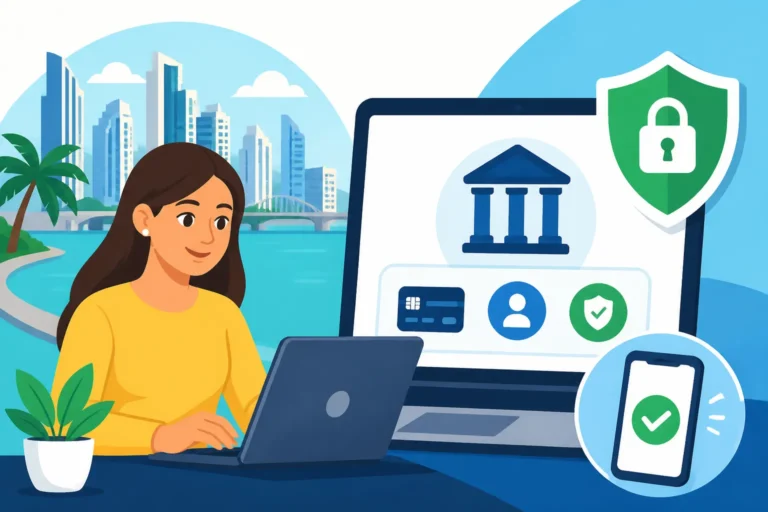
When you're moving money, security is paramount. Unfortunately, expats can sometimes be targets for scams, so vigilance is key. Reputable banks and online transfer services employ robust security measures, including encryption, two-factor authentication, and fraud monitoring.
However, a significant part of security lies with you. Always double-check recipient details: account numbers, names, and SWIFT codes. A single digit error can send your money to the wrong account, and recovering it can be a nightmare – sometimes impossible. Be wary of unsolicited emails or calls asking for your banking details or to send money urgently. If something feels off, it probably is. Never share your passwords or login credentials. If you're using public Wi-Fi, be extra cautious or avoid making financial transactions altogether. Using secure, private networks is always best for sensitive financial operations.
Tips for Secure and Efficient Transfers
Making your money transfers as smooth and secure as possible requires a bit of planning and consistent attention to detail. As an expat, you're already juggling so much; let's try to make this part of your life as stress-free as possible.
Keeping Records and Documentation
My advice for anything administrative in Panama is always: document, document, document! This holds especially true for money transfers. Keep detailed records of every transaction you make. This includes:
- Confirmation receipts: Whether it's a bank statement, an email confirmation from an online service, or a physical receipt from a money order agent.
- Transaction IDs: Every transfer will have a unique reference number. Make sure you keep it.
- Recipient details: The exact name, account number, and bank details of where you sent the money.
- Source of funds documentation: If you're moving large sums into Panama, keep the paperwork that proves where the money came from (e.g., sale of a house, inheritance, salary stubs). Your bank will ask for this at some point.
These records are invaluable if there's a dispute, a delay, or if the DGI ever has questions about your financial movements. Think of it as your personal financial audit trail; it can save you a world of trouble. This kind of meticulous record-keeping is vital when it comes to Filing Your Tax Return with the DGI in Panama: The Complete Walkthrough.
Choosing Reputable Providers
The financial market is flooded with options, but not all are created equal. Stick to well-established banks and internationally recognized online money transfer services. When evaluating a provider, consider:
- Licensing and Regulation: Are they regulated in the countries they operate in? In Panama, this would typically be by the Superintendencia de Bancos de Panamá.
- Customer Reviews and Reputation: What do other users say? Look for consistent feedback on reliability, customer service, and transparency.
- Security Measures: Do they use two-factor authentication, encryption, and other industry-standard security protocols?
- Transparency in Fees and Rates: Do they clearly show all costs upfront, including the exact exchange rate you'll receive? This is a hallmark of good practice.
- Customer Support: Can you easily reach someone if there's a problem? Is their support available in English?
For day-to-day banking, our guide on The Expat Guide to Opening a Bank Account in Panama provides insights into local institutions, and How to Choose the Best Bank for Expats in Panama can help you decide.
Staying Informed on Regulations
Financial regulations, especially those concerning international transfers and taxation, are not static. They can change, and sometimes with little fanfare. As an expat, it's your responsibility to stay informed about any new rules that might affect your money movements.
- Subscribe to Updates: Follow financial news outlets that cover Panama, and perhaps subscribe to newsletters from expat-focused financial advisors or legal firms that specialize in Panamanian law.
- Consult Professionals: For significant financial planning or if you have complex income streams (e.g., you're self-employed with foreign clients), it's always a good idea to consult with a Panamanian lawyer or a tax advisor familiar with expat situations. They can offer personalized advice and ensure you remain compliant with local regulations, particularly concerning income and property taxes. For instance, Understanding Income Tax in Panama (2026) is a good starting point, but individual advice is often best.
- Regular Review: Periodically review your transfer methods and providers. What was the best option a year ago might not be today, as new services emerge or fees change.
By taking these steps, you can significantly reduce the stress and potential costs associated with managing your money across borders while living your Panamanian dream.
Disclaimer
Please remember that I am an expat blogger, not a financial advisor or a legal professional. The information provided in this article is based on my personal experiences and general research and should be used for informational purposes only. Financial regulations and banking policies in Panama can change, and your individual circumstances will always be unique. Before making any significant financial decisions or transfers, I strongly recommend consulting with a qualified Panamanian financial advisor, tax specialist, or legal counsel. They can provide advice tailored to your specific situation and ensure compliance with all current laws and regulations.