How Do I Find Short-Term Accommodation in Panama?
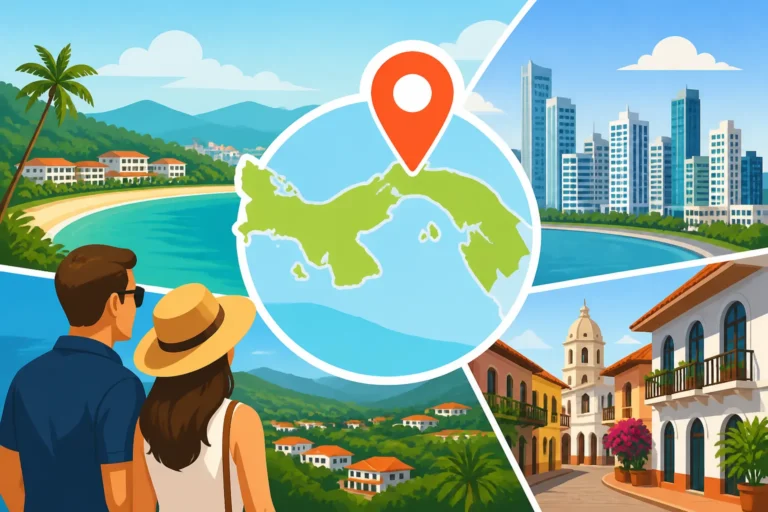
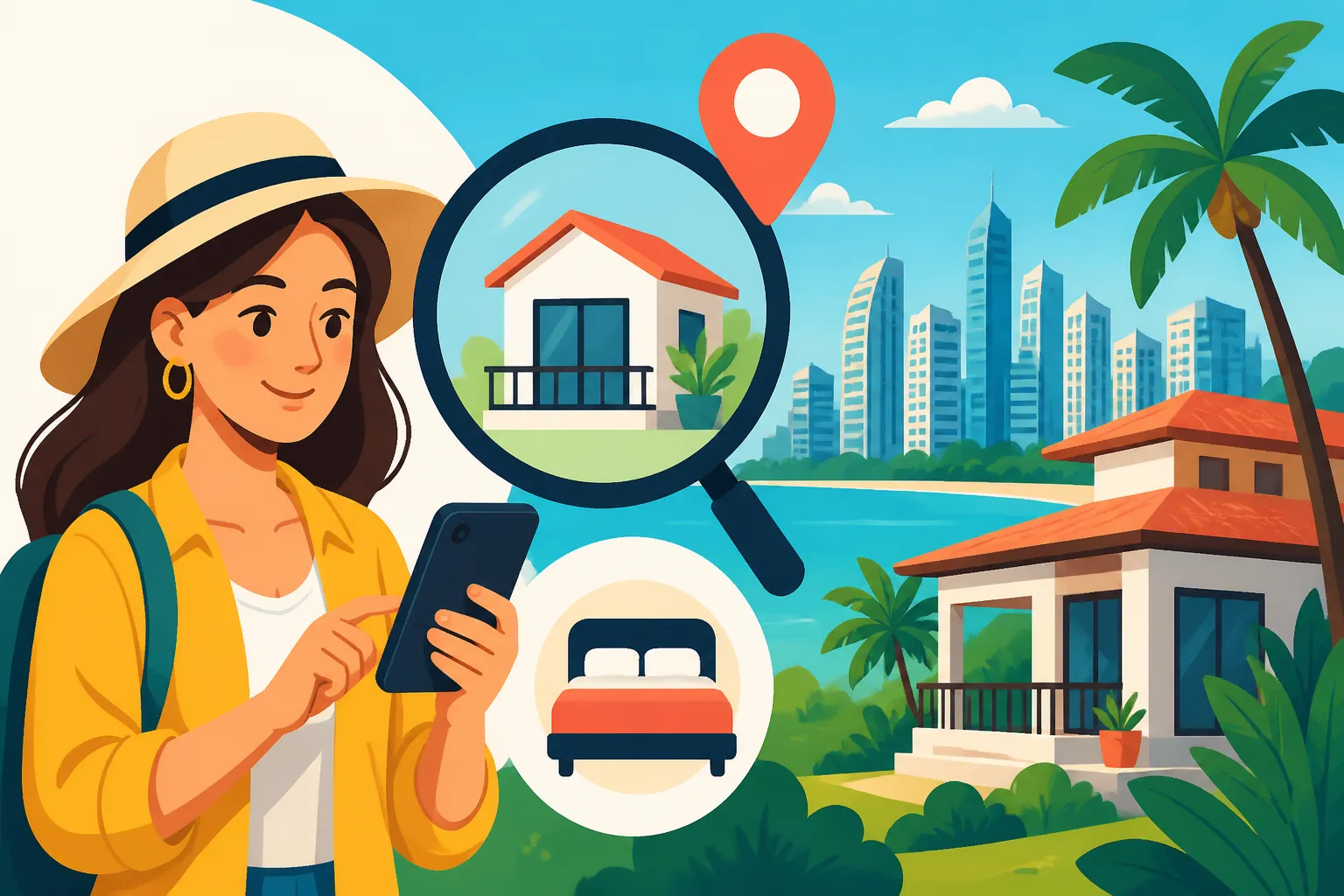
Oh, the quest for short-term digs in Panama! Believe me, I've been there, staring at a laptop screen in a foreign café, trying to figure out where to land for a few weeks or months without signing my life away. It's a common expat dilemma, whether you're just dipping your toes in the Panamanian waters, on a long vacation, or in between more permanent arrangements. This guide is going to strip away the confusion and help you navigate the ins and outs of finding that perfect temporary spot, from bustling city apartments to tranquil beach houses.
Understanding Your Short-Term Accommodation Options in Panama
When you're looking for a temporary place in Panama, you’ve got quite a few hats you could wear, or rather, types of places you could stay. It’s not just hotels anymore, thank goodness! Knowing your options is the first step to making a choice that truly fits your needs, your budget, and your desire for comfort (or adventure!).
Vacation Rentals and Serviced Apartments
This is often the go-to for many of us. Think platforms like Airbnb, Booking.com, or even local real estate websites that list short-term options. The beauty of these is the sense of home. You usually get more space than a hotel room, a kitchen to whip up your own meals (saving a fortune on eating out, trust me!), and often a more authentic feel for the neighborhood. Imagine having your morning coffee on a balcony overlooking the city in El Cangrejo, or a quiet street in Boquete, rather than just a hotel lobby.
However, it’s not always sunshine and rainbows. While you gain privacy, you might lose some of the services a hotel offers, like daily cleaning or a concierge. Plus, pricing can fluctuate wildly with demand and seasonality – a great deal in low season can suddenly become astronomical during holidays or events like Carnaval. Always read reviews meticulously, check what's included in the price (utilities, cleaning fees, service charges), and communicate clearly with the host before booking. A well-chosen vacation rental can be a sanctuary, but a poorly chosen one can be a headache.
Hotels and Aparthotels
For those ultra-short stays, or if you're fresh off the plane and need a soft landing, hotels are still king. They offer immediate convenience, often include amenities like breakfast, gyms, and pools, and come with the peace of mind of professional service. In Panama City, you’ll find everything from luxury international chains in areas like Costa del Este and Avenida Balboa, to more boutique options in Casco Viejo, and budget-friendly spots closer to the Via España. Aparthotels are a fantastic hybrid, offering the hotel services you crave with the added space and kitchenette facilities of an apartment.
While undeniably comfortable, hotels can become quite pricey for extended periods. The daily rates really add up, and that feeling of being "on vacation" can quickly wear off when you're craving a home-cooked meal or a bit more living space. But for your first few nights, or if you’re only in town for a conference, they are hassle-free and let you hit the ground running without worrying about setting up internet or utilities.
Long-Stay Hostels and Guesthouses
If you're a solo traveler, on a tighter budget, or simply love a social atmosphere, hostels and guesthouses can be a godsend. Panama has some excellent ones, especially in popular tourist areas like Casco Viejo, Bocas del Toro, and Boquete. Many offer private rooms alongside dorms, and often have communal kitchens, common areas, and organize social events. It’s a brilliant way to meet other travelers and expats, gather local tips, and feel less isolated if you’re new to the country.
The trade-off, of course, is often less privacy and potentially more noise. While some guesthouses offer a quiet, homely vibe, hostels are geared towards interaction. For a true long-term stay, you might eventually crave your own space, but for a month or two while you figure things out, they offer an unbeatable combination of affordability and community. It’s a great stepping stone while you explore The Complete Guide to Cost of Living in Panama for Expats (2026) and settle into your new rhythm.
Corporate Housing and Relocation Services
For professionals, digital nomads with a healthy budget, or those whose companies are footing the bill, corporate housing is a high-end, fully managed solution. These are typically fully furnished apartments, often with services like cleaning and utility setup included. They aim for seamless transitions, offering a "plug and play" experience. Similarly, some relocation specialists in Panama offer packages that include finding and managing short-term accommodation, taking a huge burden off your shoulders.
This option is less about finding a bargain and more about convenience and quality assurance. You’re paying for peace of mind, knowing that everything is taken care of, from high-speed internet to maintenance. These types of rentals are often found in modern, upscale areas of Panama City, like Punta Pacifica, San Francisco, or Santa Maria. While they definitely come with a higher price tag, they can be invaluable if you need to focus on work or settling in without the stress of managing a new living situation.
Where to Look for Short-Term Rentals in Panama
Once you know what kind of temporary abode you’re after, the next step is actually finding it. This is where the hunt begins, and Panama offers a mix of global platforms and local avenues.
Online Platforms and Websites
You're likely already familiar with the big names, and they're just as prevalent here:
- Airbnb and VRBO: These are your bread and butter for vacation rentals. You’ll find everything from single rooms in shared homes to entire luxury apartments and houses. They offer filters for length of stay, amenities, and location, making it easy to narrow down your search. Always check the host's cancellation policy and read reviews like they’re your favorite novel – seriously, expat reviews can tell you a lot about the reality of a place!
- Booking.com: While often associated with hotels, Booking.com also lists a wide array of apartments, aparthotels, and guesthouses, many of which are available for longer stays. Their interface is user-friendly and offers good customer support.
- Facebook Groups: This is where the magic of the expat community truly shines. Search for groups like "Panama Expats," "Rentals in Panama City," or "Boquete Expats" (or whatever region you're interested in). People frequently post available short-term rentals, sublets, or even rooms for rent. It's also a fantastic place to ask for recommendations and get real, unfiltered advice. Just be cautious, as with any online marketplace, and always verify listings.
- Local Real Estate Portals: Websites like Encuentra24.com are popular in Panama. While often geared towards long-term rentals and sales, many agents and private owners list short-term options, especially furnished apartments. You might need a little Spanish or a translation tool to navigate these, but they can offer gems not found on international sites.
Real Estate Agents and Relocation Specialists
For a smoother, more tailored search, especially if you’re not comfortable navigating local processes or don’t speak much Spanish, a local real estate agent can be a lifesaver. They have direct access to listings, know the neighborhoods inside out, and can help negotiate terms. Agents often have exclusive listings that aren't publicly advertised, giving you a wider array of choices. They can also provide insights into the nuances of Panamanian rental agreements and what to expect.
Some agencies specialize in rentals for foreigners and are well-versed in expat needs. While you’ll pay an agent's fee (often one month's rent, split between tenant and landlord, or sometimes just from the landlord), the peace of mind and time saved can be invaluable. It’s definitely worth looking into How to Find a Reliable Real Estate Agent in Panama if you feel overwhelmed.
Word of Mouth and Local Networks
Never underestimate the power of simply asking around! Once you’ve arrived and connected with the local expat community (whether through Facebook groups, local meetups, or shared interests), you’ll be amazed how many leads can come from word-of-mouth. Someone might know a friend renting out their apartment while they're away, or a guesthouse owner who offers special long-stay rates. This approach often leads to more personalized experiences and can sometimes uncover hidden gems that aren't advertised online.
Popular Areas for Short-Term Stays
Where you decide to stay will greatly influence your experience. Panama offers diverse environments:
- Panama City: This is where most expats land.
- El Cangrejo/Bella Vista: Centrally located, lively, great for walking, with a plethora of restaurants, cafes, and shops. Many apartments here are furnished and suitable for short-term stays. It’s also relatively easy to access public transport.
- Obarrio/Via España: Commercial hub with good access to shopping and business districts. More modern high-rises.
- Casco Viejo: Historic district, charming but can be pricier. Offers a unique cultural experience with many boutique hotels and beautifully renovated apartments. Can be noisy at night due to nightlife.
- Punta Pacifica/Costa del Este: More upscale, modern, and family-friendly areas with large residential towers, malls, and international schools. Good for those seeking luxury and convenience, but further from the traditional city vibe.
- For a deeper dive into city living, check out The Best Places to Live in Panama for Expats: A Complete Guide (2027).
- Coronado/Pacific Beaches: If you’re looking for a beach escape but still want amenities, towns along the Pacific coast like Coronado, Gorgona, or San Carlos offer numerous furnished rentals. Popular with retirees and those seeking a relaxed pace.
- Boquete: Nestled in the highlands of Chiriqui, Boquete is famous for its cool climate, coffee plantations, and vibrant expat community. Many cabins, guesthouses, and furnished homes are available for short-term rental, especially during the dry season.
- Bocas del Toro: A Caribbean island paradise, perfect for those seeking a laid-back, tropical vibe. You'll find bungalows, eco-lodges, and guesthouses. Keep in mind that infrastructure can be more basic here compared to the mainland.
Navigating the Process and Practicalities of Short-Term Rentals
Alright, you’ve spotted a few promising places. Now comes the real work: securing it and making sure your temporary stay is as smooth as possible.
What to Look for and Ask
This is where your inner detective needs to come out. Don’t be shy about asking questions – it’s your temporary home, after all!
- Utilities Included? Always, always confirm if electricity, water, gas, and internet are included in the rental price. If not, ask for an estimate of typical monthly costs. Electricity, especially with air conditioning, can be a surprise expense here in Panama.
- Internet Speed and Reliability: Crucial for digital nomads or anyone needing to stay connected. Ask for a speed test or specific provider details. In some areas, fibre optic is common, but in others, you might be relying on slower connections.
- Air Conditioning: Unless you're in the highlands like Boquete, AC is a non-negotiable for most. Confirm its presence and functionality.
- Safety and Security: Inquire about the building's security (24/7 guard, controlled access), and the general safety of the neighborhood, especially at night.
- Neighborhood Vibe: Visit the area if possible, or use Google Street View to get a feel for the surroundings. Is it quiet or lively? Close to shops, public transport, or parks?
- Contract Terms and Deposit Rules: Even for short-term rentals, clarify the duration, payment schedule, and terms for the security deposit return. Understanding the Deposit and Rental Agreement Process in Panama is key, even if it's a simplified version for a short stay.
Budgeting and Costs
Panama offers a range of price points, but generally, expect to pay more for convenience, modern amenities, and prime locations.
- Panama City: A decent furnished studio or one-bedroom in a good neighborhood like El Cangrejo might range from $700 to $1,500+ per month, depending on the building, amenities (pool, gym), and exact location. Luxury apartments in areas like Punta Pacifica can easily go for $2,000-$4,000+. Daily hotel rates can range from $50 (budget) to $200+ (luxury).
- Beach Areas (Coronado): Expect $800-$2,000+ per month for a furnished condo or house, with seasonal fluctuations.
- Highlands (Boquete): More affordable, with furnished apartments or small houses sometimes found for $500-$1,200+ per month.
Here's a rough comparison:
| Accommodation Type | Panama City (Monthly Est.) | Boquete (Monthly Est.) | Beach Areas (Monthly Est.) | Pros | Cons |
|---|---|---|---|---|---|
| Private Room (Hostel/G'house) | $300 – $600 | $250 – $500 | $350 – $700 | Budget-friendly, social, flexible | Less privacy, shared facilities |
| Studio/1-Bed Apt (Mid-range) | $700 – $1,500 | $500 – $1,000 | $800 – $1,500 | More space, kitchen, privacy | Less service, utilities might be extra |
| Serviced Apartment | $1,200 – $2,500 | N/A | N/A | Hotel services, space, convenience | Higher cost, less "local" feel |
| Luxury/Corporate Apt | $2,000 – $4,000+ | N/A | $1,500 – $3,000+ | Premium amenities, hassle-free | Very high cost |
Remember these are estimates, and prices can vary greatly. Don't forget to factor in potential cleaning fees, service charges, and if utilities aren't included, their monthly cost. For more detailed insights, take a look at How Much Does It Cost to Rent an Apartment in Panama City in 2026?.
Essential Documents and Payment
When securing a short-term rental, you'll generally need:
- Passport: Always have a copy handy, and the landlord or agency will need to see your original.
- Proof of Funds: Showing you have the means to pay for your stay. A bank statement or proof of employment/income usually suffices.
- Security Deposit: Typically one month's rent, which is standard practice. Ensure you get a detailed receipt and understand the conditions for its return.
Payments are usually made via bank transfer or sometimes cash for smaller, private rentals. Be wary of requests for payment through unusual channels or large upfront sums without a clear contract.
Connectivity and Communication
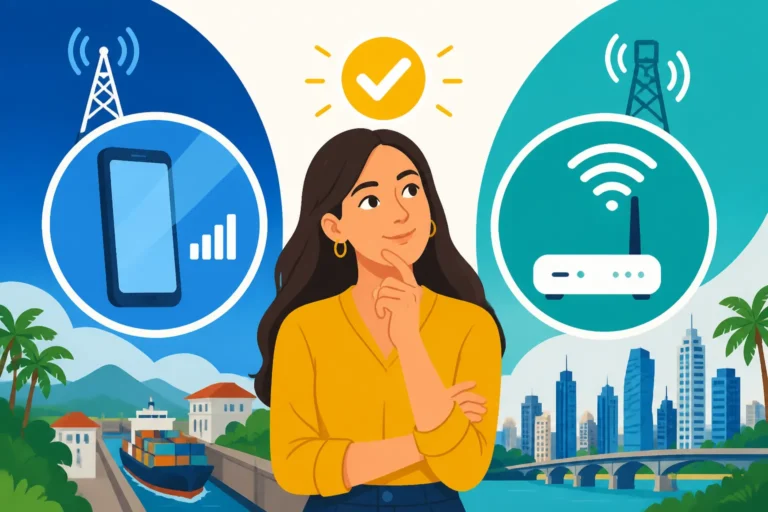
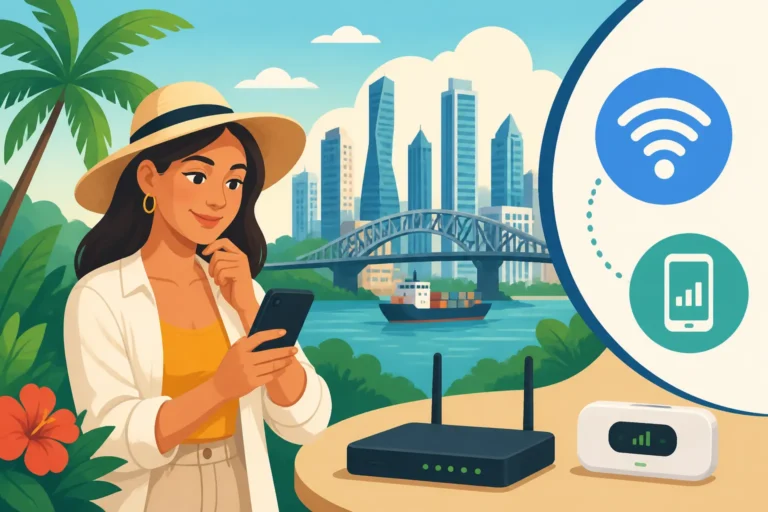
Getting set up with a local SIM card is one of the first things you should do upon arrival. Companies like Tigo and Claro offer prepaid plans that are affordable and provide good coverage in most populated areas. This allows you to communicate with your landlord, use navigation apps, and stay connected.
If you’re hopping between cities or regions, or just want to avoid the hassle of local SIMs, an eSIM service like Airalo can be a game-changer. You can download an eSIM profile before you even arrive, activate it, and have data right off the plane. It's incredibly convenient for short-term stays, especially if you're not planning to get a Panamanian number for calls, or just need reliable data for maps and messages. This way you can easily communicate with friends or family back home, or perhaps call up a real estate agent to inquire about How Do I Rent an Apartment in Panama Before I Arrive?.
Packing and Moving for Temporary Living
For short-term stays, think lean and smart. You don't want to drag too much luggage around.
Focus on essentials: versatile clothing for Panama's tropical climate (light fabrics, rain gear), any specific medications, and perhaps a few personal touches to make your temporary space feel more like home. Don't forget a universal adapter!
If you're bringing more than just a few suitcases, perhaps because you're planning a longer stay but starting short-term, consider the logistics. Services like Sirelo, a relocation platform, can help you compare quotes for shipping belongings, though for truly short-term, it's usually not cost-effective. Instead, embrace the minimalist approach or investigate local storage options if you're transitioning between places. The goal is flexibility. Remember to keep copies of all important documents, either physical or digital, and ideally both.
Common Challenges and How to Overcome Them
Living in Panama is generally wonderful, but like any new country, there are unique quirks and challenges to navigate, even for short stints.
Language Barrier
While many Panamanians in tourist areas and Panama City speak some English, especially younger generations or those in customer service, you'll find that a basic grasp of Spanish goes a long way. This is particularly true when dealing with landlords, local shopkeepers, or even understanding local news. Don't let it deter you! Download a translation app like Google Translate, practice a few key phrases, and be patient. Most Panamanians are incredibly friendly and appreciate the effort. When inquiring about a rental or reviewing a contract, if your Spanish isn't strong, always have a trusted bilingual friend or a professional translator assist you.
Vetting Properties and Avoiding Scams
Unfortunately, scams exist everywhere, and Panama is no exception. Be cautious, especially if a deal seems too good to be true, or if you're asked for large sums of money upfront without a proper contract or a chance to view the property (or have someone view it on your behalf).
- Always try to view the property in person. If you can't, use video calls or send a trusted contact.
- Verify the landlord/agent. Look them up online, ask for references, or check with expat groups.
- Get everything in writing. A proper rental agreement, even for short-term, protects both parties. Make sure it clearly states the rental period, price, what’s included, and deposit terms. This ties into Understanding Tenant and Landlord Rights in Panama, even for temporary arrangements.
- Pay securely. Avoid cash payments for large amounts unless absolutely necessary, and always get a receipt. Bank transfers are generally safer.
Fluctuating Availability and Pricing
Panama has peak tourist seasons (especially December-April, and major holidays like Carnaval or Semana Santa) when accommodation prices can soar and availability dwindle. If your travel dates are flexible, consider visiting during the shoulder seasons (May-July, October-November) for better deals and fewer crowds. Booking well in advance for peak times is absolutely essential, especially for popular destinations like Casco Viejo or Bocas del Toro. Don’t wait until the last minute if your heart is set on a particular spot.
Understanding Contracts and Local Laws
Even for a short-term rental, you might be presented with a contract. While these are often simpler than long-term leases, it's vital to read and understand every clause. Pay close attention to:
- Rental Period: Exact start and end dates.
- Payment Schedule: When and how rent is due.
- Included Services: What utilities, cleaning, and amenities are part of the price.
- Security Deposit: Amount, conditions for forfeiture, and timeline for return.
- Rules and Regulations: Any specific building rules (e.g., quiet hours, pet policies, guest restrictions).
If you have any doubts, consult a local lawyer, especially if the rental is for several months and involves a significant amount of money. It’s always better to be safe than sorry, and it can help avoid disputes down the line.
Finding short-term accommodation in Panama can feel like a journey in itself, but with a bit of research, local knowledge, and an understanding of your options, you'll be settled into your temporary Panamanian home in no time. Enjoy the process, and embrace the adventure!
Disclaimer
Please note that while this guide offers comprehensive advice based on current information and expat experiences, laws and regulations in Panama can change. It is always recommended to consult with local legal and real estate professionals for the most up-to-date and personalized advice regarding your specific situation.