What Is the Best Way to Get Around Panama City Without a Car?
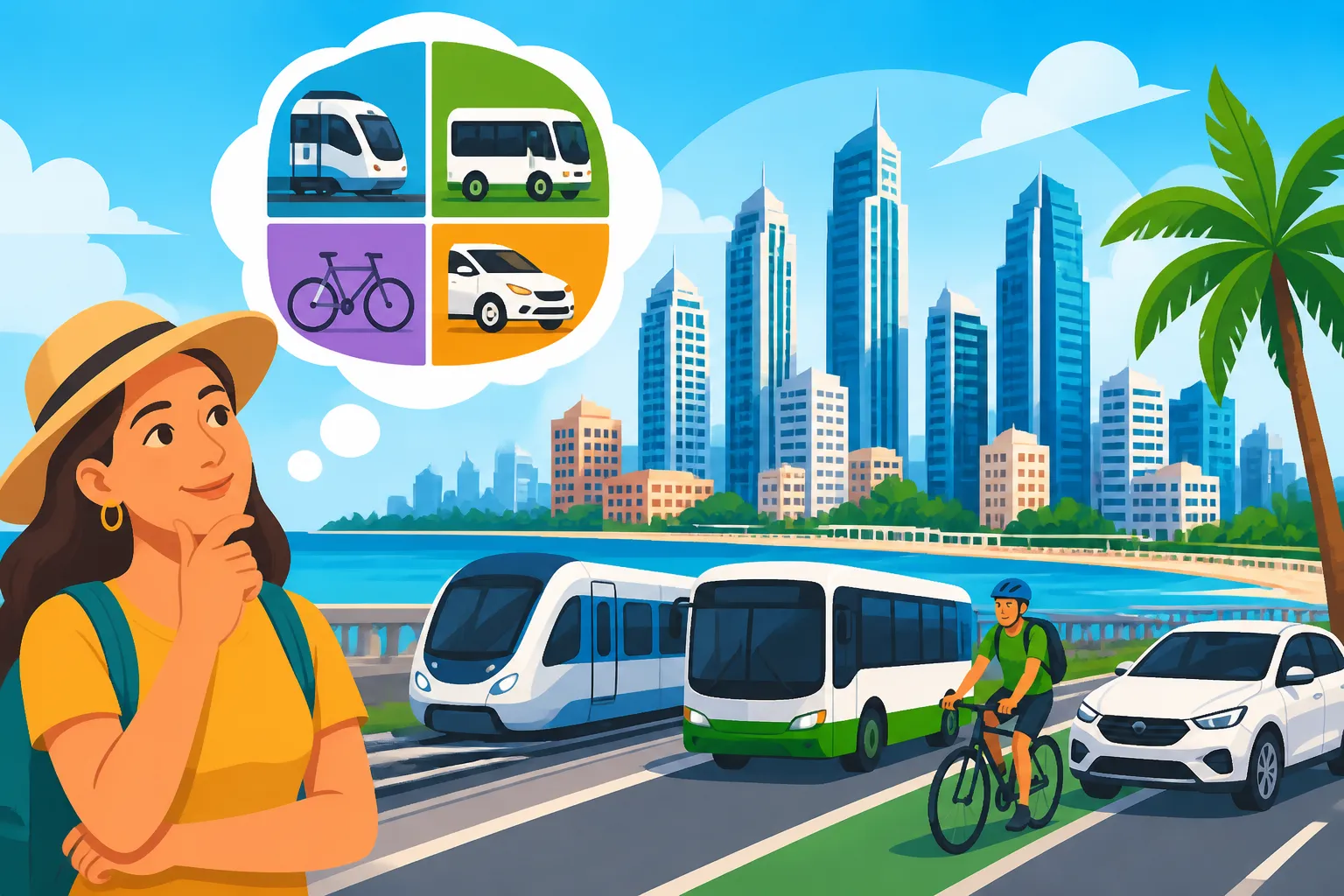
Oh, the thought of driving in Panama City, with its sometimes chaotic traffic, aggressive drivers, and the never-ending quest for parking, can send shivers down even the most seasoned expat's spine. Many of us arrive here wondering if we absolutely need a car to navigate this bustling metropolis. The good news is, you absolutely don't! This comprehensive guide will walk you through all the best ways to get around Panama City without a car, making your daily commute and weekend adventures not just possible, but often surprisingly pleasant.
Public Transportation: The Metro and Metrobus System
Panama City has made significant strides in public transportation over the last decade, developing a surprisingly efficient and extensive network that many expats often overlook. It's not perfect, mind you, and can be a bit overwhelming at first glance, but once you get the hang of it, it's a game-changer.
The Panama Metro System: A Modern Lifeline
The Metro is, without a doubt, Panama City's crown jewel when it comes to public transport. It's clean, air-conditioned, incredibly efficient, and has significantly eased traffic congestion in its served areas. Currently, there are two operational lines, Line 1 and Line 2, with Line 3 under construction to extend across the canal to Panama Oeste. Line 1 runs north-south, connecting Albrook Bus Terminal (where you'll find long-distance buses) with the northern suburbs like San Isidro. Line 2 stretches from San Miguelito eastward, reaching areas like Tocumen International Airport and Nuevo Tocumen.
For us expats, the Metro is invaluable for connecting key areas. Living in El Cangrejo or Via Argentina, you're usually just a short walk from a Metro station, which can whisk you away to Albrook Mall for shopping, or to the banking district, or even out to the airport if you're flying. The stations are well-maintained, and security is usually present. The biggest frustration newcomers face is simply understanding the routes and transfers at San Miguelito, the main interchange point, but a few rides and you'll be navigating it like a local.
Navigating the Metrobus: Connecting the Dots
While the Metro covers major arteries, the Metrobus system is what truly connects the entire city, reaching neighborhoods the Metro doesn't. These large, red buses operate on various routes, some dedicated lanes (Metrobús Corredor Sur and Corredor Norte, which are faster toll roads), and others on regular city streets. The sheer number of routes can be intimidating, especially if your Spanish isn't fluent, as bus stops aren't always clearly marked, and route maps can be scarce at the stop itself. However, with the right apps, which we'll get into, it becomes much more manageable.
Using the Metrobus often requires a bit more patience than the Metro. During peak hours, buses can get incredibly crowded, and traffic can still slow things down. But for reaching places like Casco Viejo, the Causeway, or specific residential areas, the Metrobus is often your only public transport option. It's also significantly cheaper than ride-sharing for longer distances. I remember my first few times trying to figure out which bus went where – it felt like a puzzle, but asking locals or the bus driver (if you can catch them before they speed off!) usually helped. It's part of the Panama experience, really.
Metro and Metrobus Cards: A Must-Have
You absolutely cannot pay for the Metro or Metrobus with cash. You need a reloadable transit card, often called a "Rapi-Pass" or "Metro Card." These cards can be purchased and reloaded at any Metro station or at designated points in major supermarkets and convenience stores. The initial card cost is minimal, and then you load it with funds. Keep it topped up, especially if you plan to use public transport frequently, as scrambling for a reload point when you're in a hurry is a pain nobody needs.
| Transportation Type | Pros | Cons | Average Cost (USD) | Best Use Case |
|---|---|---|---|---|
| Metro | Fast, reliable, air-conditioned, clean, avoids traffic | Limited routes, can get crowded, requires Metro card | $0.35 per ride | Commuting along main arteries, reaching Albrook, airport |
| Metrobus | Extensive coverage, very affordable, some dedicated lanes | Can be slow in traffic, confusing routes, crowded, requires Metro card | $0.25 – $1.25 per ride (depending on route) | Reaching specific neighborhoods, Casco Viejo, Causeway |
| Ride-Sharing (Uber, Didi, InDriver) | Convenient, door-to-door, generally safe, trackable | Can be affected by traffic, surge pricing during peak times, requires smartphone/data | $3 – $15+ (short to longer distances) | Quick trips, late nights, carrying groceries, avoiding rain |
| Taxis (Traditional) | Readily available, can sometimes negotiate cash fare | Price negotiation required, some drivers don't use meters, safety varies, language barrier | $2 – $10+ (negotiated) | Short, spontaneous trips, when ride-sharing isn't an option |
| Walking | Free, good exercise, immersive | Not practical for long distances, heat, humidity, sidewalks inconsistent, safety concerns | Free | Short distances within neighborhoods (e.g., El Cangrejo, Casco Viejo) |
| Cycling | Eco-friendly, good exercise | Limited bike lanes, traffic danger, heat/humidity, bike theft | Rental fees vary, personal bike cost | Recreational use (Causeway), short commutes with bike-friendly routes |
Ride-Sharing and Taxis: Convenience at Your Fingertips
For those times when public transport routes are too convoluted, or you simply crave door-to-door convenience, ride-sharing apps and traditional taxis are your go-to options. They offer flexibility, though they come with their own set of considerations.
Ride-Sharing Apps: Uber, Didi, and InDriver
This is often the preferred method for many expats, especially when first arriving. Uber has been a dominant force for years in Panama City, offering a reliable and trackable service. However, in recent years, other apps like Didi and InDriver have gained significant traction, often offering slightly lower fares, especially Didi. InDriver works a bit differently: you propose a fare, and drivers can accept, counter-offer, or decline. This can be great for bargaining, but also means you might wait longer for a driver to accept.
The beauty of these apps is the convenience. You input your destination, see the fare upfront (mostly), and track your driver. It eliminates the language barrier for directions and the need to carry exact cash. For those first few weeks, having reliable internet access is critical for using these apps, so consider getting a local SIM card or an eSIM from providers like Airalo to ensure you're always connected. Remember, traffic is still a beast, so factor in extra time during peak hours. You can even use these services to get from the airport, though there are dedicated taxi services there too.
Traditional Taxis: What to Know
The yellow taxis are ubiquitous in Panama City, and they've been around long before the ride-sharing boom. While often more readily available on the street, especially in certain areas, they come with a few caveats. Firstly, traditional taxis generally do not use meters. This means you need to negotiate the fare before you get in. This can be a source of frustration, as drivers sometimes try to charge foreigners higher rates. Having a rough idea of what a trip should cost, perhaps by checking a ride-sharing app for a comparable route, can be helpful.
Secondly, safety can be a concern with traditional taxis. While most drivers are honest, there have been isolated incidents. Always ensure the taxi has official markings, and if possible, try to call a reputable taxi company rather than hailing one off the street, especially late at night. The language barrier can also be an issue, as many drivers might not speak English. Have your destination written down or ready on your phone to show them. For me, I tend to stick to ride-sharing apps unless it's a very short, well-known route or I'm in a pinch. If you're planning your move to Panama, figuring out your initial transportation strategy will be key during your first 90 days.
Walking, Cycling, and Other Options: Exploring on Your Own Terms
While Panama City isn't exactly Copenhagen when it comes to pedestrian and cycling infrastructure, there are still opportunities to explore on foot or two wheels, especially in certain areas.
Exploring on Foot: The Pros and Cons
Walking is, of course, the cheapest way to get around, and it allows you to truly soak in the city's atmosphere. Areas like Casco Viejo are best explored on foot, wandering through its colonial streets and discovering hidden gems. Similarly, if you live in a walkable neighborhood like El Cangrejo or parts of Obarrio, running errands or going to local restaurants is a breeze.
However, walking in Panama City comes with significant challenges. The tropical heat and humidity are relentless, making long walks uncomfortable. Sidewalks can be uneven, narrow, or non-existent, especially outside of the more modern, planned areas. Heavy traffic and sometimes aggressive drivers also make crossing streets a harrowing experience. Always stay alert, use pedestrian crossings when available, and be aware of your surroundings. I’ve tripped more times than I can count on uneven sidewalks here, so good walking shoes are a must!
Cycling in Panama City
Cycling is growing in popularity, but it's still largely for recreational purposes rather than daily commuting. The Amador Causeway offers fantastic, dedicated bike lanes, perfect for a leisurely ride with stunning views of the city skyline and the Bridge of the Americas. On Sundays, parts of Cinta Costera (the coastal strip) are closed to traffic, becoming a popular spot for cyclists and pedestrians.
For daily commuting, cycling can be risky due to the lack of dedicated bike lanes on most streets and the general driving culture. If you do cycle, invest in a good quality helmet, lights, and reflective gear. There are a few bike rental shops, particularly near the Causeway, if you want to try it out. Given the traffic, using a bicycle for errands might be more feasible in less congested areas or on weekends.
E-scooters and Other Micro-mobility
In recent years, e-scooter rental services have popped up, especially in areas like Costa del Este or along parts of the Cinta Costera. Brands like Grin (though it might vary by current operator) have offered these for quick, short-distance travel. They can be a fun way to get around for a few blocks, but similar to cycling, safety is paramount, and infrastructure outside of dedicated paths is limited. Always wear a helmet and be mindful of pedestrians and traffic. This option is less about serious commuting and more about short, fun hops.
Planning Your Commute and Staying Safe
Navigating any new city without a personal vehicle requires a bit of foresight and planning, and Panama City is no exception. A little preparation goes a long way in making your transit experience smooth and stress-free.
Essential Apps and Connectivity
To truly master getting around Panama City without a car, technology will be your best friend. Google Maps is excellent for public transport directions, providing real-time Metro and Metrobus routes and schedules. For ride-sharing, as mentioned, Uber, Didi, and InDriver are essential. You'll need consistent mobile data for these. Consider getting a local SIM card from Claro, Digicel, or Tigo upon arrival. You can also look into eSIM options like Airalo for instant connectivity, which is a lifesaver when you first land and haven't sorted out a local plan yet. Having a working phone is not just for navigation; it's also a safety measure. If you're setting up your new life, you'll also want to make sure you know How to Set Up a Mobile Phone Plan in Panama.
Safety Tips for Getting Around
Safety should always be a priority. Here are some tips for navigating Panama City's transport systems:
- Stay Aware: Like any major city, pickpocketing can occur, especially in crowded buses or Metro trains. Keep your belongings secure and out of sight.
- Travel in Groups at Night: If possible, avoid solo travel on public transport late at night. Ride-sharing services are generally a safer option after dark, as they are trackable.
- Trust Your Gut: If a taxi or driver doesn't feel right, politely decline and wait for another.
- Share Your Ride: Most ride-sharing apps have a feature to share your trip details with a trusted contact. Use it!
- Emergency Numbers: Know the emergency number (911 in Panama) just in case.
- Language: Learning basic Spanish phrases can be incredibly helpful, especially for asking for directions or confirming fares with taxi drivers.
Combining Modes of Transport for Efficiency
Often, the most efficient way to get around Panama City involves a combination of transport methods. For example, you might take a short ride-share from your apartment to the nearest Metro station, use the Metro for the bulk of your journey, and then finish with another short ride-share or a walk to your final destination. This hybrid approach often balances cost, speed, and convenience. This kind of flexibility is key to enjoying life here. When considering your overall cost of living, remembering these transport options is crucial. For more details, you can explore The Expat Guide to Public Transport in Panama and Understanding the Panama City Metro, Metrobus and Taxi Networks.
For anyone moving here, understanding these local nuances is part of the adventure. If you're planning a full relocation, services like Sirelo can help coordinate your move, ensuring you have one less thing to worry about as you settle into your car-free lifestyle in Panama City. And don't forget to factor in transport costs when planning your budget; you can check out How Much Does It Cost to Live in Panama for Expats? to get a clearer picture.
Ultimately, getting around Panama City without a car is not only feasible but often preferable. You'll save money on gas, parking, and maintenance, and avoid the daily stress of driving in heavy traffic. With a little planning, the right apps, and a sense of adventure, you’ll be zipping around like a seasoned local in no time!
Disclaimer
The information provided in this guide is for general informational purposes only and does not constitute professional advice. While we strive to keep the information up-to-date and accurate, transportation systems, regulations, and costs in Panama can change. Readers are advised to verify information with official sources and local authorities.