How Do I Apply for an International School Place in Panama?
Moving to a new country like Panama, especially with children, brings a mountain of things to sort out. And let’s be honest, finding the right school is often right at the top of that stress mountain, second only to perhaps securing your own residency. The worry about curriculum, language, and making sure your kids settle in can feel overwhelming, but this guide is here to walk you through the entire process of applying for an international school place in Panama, from initial research to enrollment.
Understanding Panama's International School Landscape
Let’s face it, one of the biggest anxieties for expat parents is ensuring their children receive a quality education that aligns with their previous schooling and future aspirations. Panama offers a vibrant international school scene, primarily centered in and around Panama City, which can be a huge relief for families making the move.
Why Choose an International School?
For many expat families, international schools are a lifeline, offering a familiar educational environment in a new country. The primary draw is often the curriculum. These schools typically offer globally recognized programs like the International Baccalaureate (IB) program, American curricula (with Advanced Placement – AP courses), or British curricula (IGCSEs and A-Levels). This continuity is invaluable, making transitions smoother if you’re likely to move again or if your child plans to attend university back in your home country or another international destination.
Beyond academics, the language of instruction is usually English, which is a huge comfort for non-Spanish speaking families. This means your child can continue learning in their native language while still having opportunities to pick up Spanish. Furthermore, international schools are melting pots of cultures, bringing together students and families from all over the world. This diverse community provides a fantastic support network, both for the kids and for parents navigating expat life. It’s a place where shared experiences and understanding are common, which can make the initial settling-in period in Panama feel a lot less isolating. While local private schools might offer bilingual programs, the full immersion and globally recognized standards of international schools are often the deciding factor for expat parents seeking a seamless educational journey for their children.
Key International Schools in Panama and Their Curricula
Panama City boasts several reputable international schools, each with its own unique flavor and academic focus. It's really worth taking the time to explore each one to see which best fits your family's needs and values.
One of the most well-established is The International School of Panama (ISP), which follows an American-based curriculum and offers the International Baccalaureate (IB) Diploma Programme for its older students. It's known for its sprawling campus and wide range of extracurricular activities, catering to a large, diverse student body. Then there’s Balboa Academy, another highly regarded institution with an American curriculum, also located within the former Canal Zone area, known for its strong community feel and college preparatory focus. For those leaning towards a more British approach, schools like Crossroads Christian Academy (which uses a US curriculum but is often considered by UK expats) or others that may incorporate elements of the British system are available, though American-style schools are more prevalent.
The Metropolitan School of Panama (MET) is another excellent choice, offering the full IB Continuum (Primary Years Programme, Middle Years Programme, and Diploma Programme), which is perfect if you're looking for a consistent, inquiry-based learning approach from early years right through high school. Other schools like Saint Mary's School also cater to a diverse international community, often blending local and international teaching methodologies. Each school has its distinct ethos, from smaller, more intimate settings to larger campuses with extensive sports and arts facilities. The specific curriculum, whether it's IB, AP, or a national system, will largely influence how easily your child integrates and how their academic records transfer in the future, so it’s something to consider carefully. Finding an international school that aligns with your educational philosophy is paramount, and thankfully, Panama City offers a good variety to choose from.
The Application Process: Step-by-Step Navigation
Navigating the application process for international schools in Panama can feel like a mini-project in itself, especially when you're dealing with the logistics of an international move. But with a clear understanding of the steps and requirements, you can tackle it head-on.
Initial Research and Contact
My first piece of advice is always: start early! Seriously, the popular international schools in Panama often have waiting lists, especially for certain grade levels, and their admissions windows can close surprisingly quickly. It’s not uncommon for families to begin their school research a year in advance of their planned move. Kick things off by exploring the websites of the schools you've identified. Look closely at their mission statements, curriculum offerings, tuition fees, and, critically, their admissions deadlines. These deadlines can vary wildly, and missing one could mean waiting another year or settling for a less-preferred option.
Once you have a shortlist, reach out directly. An email inquiry is a good starting point to request an admissions packet or to schedule a virtual tour. Many schools understand that prospective expat families aren't physically in Panama yet and are equipped to offer comprehensive virtual experiences. This initial contact is also a great opportunity to ask about specific grade availability, the typical admissions timeline for international students, and any unique requirements for your child’s age or educational background. Location is another huge factor; consider the proximity of the school to your potential living area. Panama City traffic can be notoriously heavy, so a shorter commute could significantly improve daily life. You can often find great insights into different neighborhoods and their suitability for families in guides like The Best Places to Live in Panama for Expats: A Complete Guide.
Gathering Required Documents
Now, this is where things can get a bit fiddly and requires meticulous attention to detail. Panama, like many countries, has specific requirements for official documents, and getting them wrong can cause significant delays. You’ll need a stack of paperwork, usually including:
- Academic Records/Transcripts: Official copies from your child's current and previous schools, typically covering the last two to three years. These often need to be translated into Spanish by a certified translator if they're not already in English or Spanish.
- Letters of Recommendation: Usually from current teachers (e.g., homeroom, English, Math teacher) and sometimes a school principal or counselor, providing insights into your child’s academic and social behavior.
- Student's Passport Copy: A clear copy of your child’s passport, including the photo page and any visa stamps.
- Proof of Visa/Residency Status: While your child might not have their Panamanian residency sorted yet, you’ll likely need proof of your application or your temporary visa. This falls under the broader umbrella of Understanding How to Move to Panama Legally from Abroad (2027). Don't worry if your full residency isn't complete; schools are used to dealing with families in various stages of the immigration process.
- Parental Passports/Visas: Copies of the parents' passports and current visa or residency documents.
- Birth Certificate: An original or certified copy of your child's birth certificate.
- Immunization Records: Official and up-to-date records are mandatory. These often need to be translated into Spanish and sometimes validated by a Panamanian health authority upon arrival. Make sure to check Understanding Childhood Vaccination Schedules in Panama for local requirements.
- Completed Application Forms: Most schools have online application portals.
- Application Fee: Non-refundable, typically paid upfront to process the application.
A critical point here is the need for official translations and, in some cases, apostilles. An apostille is a form of authentication issued to documents for use in countries that participate in the Hague Convention. If your home country is a signatory, this process simplifies the legalization of documents for international use. This is a common requirement for official documents like birth certificates and academic transcripts, and it's a step that often catches expats off guard. Getting your documents correctly apostilled or notarized can be a real headache, so start this process well in advance. For more general information on document authentication for official purposes in Panama, you might find guidance in How to Get Your Documents Apostilled for Panama Immigration. Don’t underestimate the time and effort required for this bureaucratic hurdle – it's a common source of frustration for newcomers.
Assessments, Interviews, and Enrollment
Once your application and documents are submitted, the school will typically move to the assessment phase. For students, especially those applying to middle or high school, this usually involves entrance exams. These can cover English proficiency (if English is not the first language), mathematics, and general aptitude tests to ensure the child can handle the academic rigor of the chosen curriculum. Some schools might also require a writing sample or a portfolio for arts-focused programs.
Interviews are also a standard part of the process. Your child might have an interview with an admissions officer or a head of department, allowing the school to get a better sense of their personality and motivations. Parents often have an interview as well, which is an opportunity for you to ask any remaining questions and for the school to understand your family's expectations and commitment.
After assessments and interviews, decisions are made. If your child is accepted, you’ll receive an acceptance letter and an enrollment contract. This contract will outline all the terms, including tuition fees, payment schedules, and school policies. Be prepared for an enrollment fee and a deposit, which are typically required to secure your child’s place and are often non-refundable.
A common reality for popular international schools is being placed on a waitlist. If this happens, don’t despair immediately. It means your child meets the admission criteria, but there simply isn’t a spot available at that moment. Ask the admissions office about their waitlist procedures, how long spots typically open up, and if there's anything you can do to strengthen your child's position. Sometimes, it just means exercising a little more patience.
Important Considerations and Practical Tips
Beyond the application forms and document gathering, there are several practicalities that every expat family needs to factor into their decision-making process for international schooling in Panama. These often contribute significantly to the overall expat experience and your family's budget.
Costs and Fees
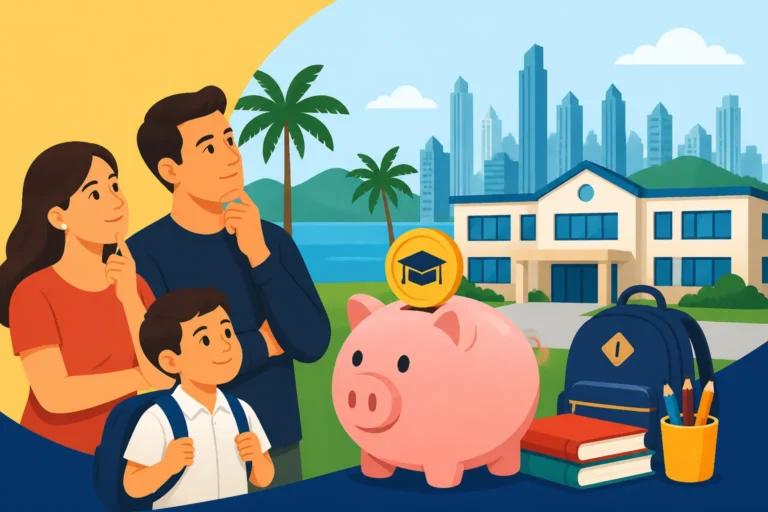
Let's not sugarcoat it: international schools in Panama are a significant financial investment. While the quality of education and the expat-friendly environment are undeniable, they come at a price that can easily rival or even exceed private school fees in Western countries. You'll encounter a range of fees beyond just the annual tuition. Typically, there's a non-refundable application fee (usually a few hundred dollars), followed by a substantial enrollment or registration fee upon acceptance, which can sometimes be several thousand dollars and might be a one-time charge or an annual one.
Then there’s the tuition itself, which can range widely depending on the school and the grade level. For example, you can expect to pay anywhere from $10,000 to $25,000+ annually per child, often with increases for higher grades. This doesn't usually include everything. You’ll also need to budget for uniforms, books and learning materials, technology fees (e.g., for iPads or laptops), transportation (school bus fees are separate), extracurricular activities, and field trips. Some schools even have a capital levy or development fee, which is a contribution towards maintaining or improving school facilities. It’s absolutely crucial to get a comprehensive breakdown of all fees from each school you're considering. For a more detailed breakdown, you might want to read How Much Are International School Fees in Panama City?.
Here’s a simplified table illustrating potential costs:
| Fee Type | Typical Range (USD) | Frequency | Notes |
|---|---|---|---|
| Application Fee | $100 – $500 | One-time | Non-refundable, submitted with initial application. |
| Enrollment/Admission | $1,000 – $5,000+ | One-time or Annual | Secures place, often non-refundable. |
| Annual Tuition | $10,000 – $25,000+ | Annual | Varies by grade level and school. |
| School Bus Service | $1,000 – $2,500 | Annual | Optional, depends on distance and school routes. |
| Uniforms | $300 – $800 | Per student, as needed | Initial purchase, then replacements. |
| Books/Materials | $500 – $1,500 | Annual | Can include digital licenses and specific supplies. |
| Capital Levy/Dev. | $500 – $3,000+ | Annual or One-time | Contribution to school facilities. |
| Extracurriculars | Variable | Per activity | Sports, clubs, music lessons. |
These figures can quickly add up, so it's vital to factor them into your overall cost of living calculations for Panama. A complete picture of the financial implications is essential when making your decision, and for more insights into the broader financial aspects of living here, check out The Complete Guide to Cost of Living in Panama for Expats (2026).
Logistics and Settling In
Getting your kids to school in Panama City can be an adventure in itself, especially during peak traffic hours. Most international schools offer private school bus services, which, while an added expense, can be a godsend for managing commutes. If you plan to drive your children, be prepared for substantial drive times depending on where you choose to live versus the school’s location. Panama City's infrastructure has improved with the Metro, but it doesn't service all areas or directly reach many school campuses. Therefore, understanding your transport options and their implications on your daily schedule is crucial.
For non-English speaking students, many international schools offer English as a Second Language (ESL) support programs. Inquire about the availability and cost of these services during your initial research. It can make a huge difference in your child’s ability to integrate academically and socially. Beyond the school gates, helping your child settle into their new life in Panama involves creating a stable home environment. This includes things like ensuring you have reliable internet for homework and staying connected with family back home. For quick connectivity right after you land, services like Airalo can be invaluable for getting an eSIM so you're not scrambling for a local SIM card immediately. You can read more about setting up your home essentials in The Expat Guide to Setting Up Utilities Electricity, Water, Internet in Panama. The location of the school often plays a big role in where you ultimately decide to rent or buy property, so keep that in mind when exploring different neighborhoods.
Legal and Medical Requirements
For your children to attend school in Panama, they must have legal status. This means they’ll need a valid visa or residency permit. Schools will require copies of these documents as part of the enrollment process. It's a key part of your wider immigration journey. For guidance on obtaining your Cedula (residency ID), which proves legal residence, you might find How Do I Get My Cedula Residency ID in Panama helpful. Without proper documentation, enrollment can be stalled, so prioritize your family's immigration process.
Medical requirements are equally stringent. Schools will demand up-to-date immunization records, and these records often need to be translated into Spanish and sometimes validated by the Ministry of Health in Panama upon arrival. This is to ensure compliance with national health regulations and protect the school community. It's also wise to get your child a general health check-up once you're settled to establish care with a local pediatrician, and you can explore how to find suitable medical professionals through resources like How to Find an English-Speaking Doctor in Panama. Ensuring your child’s health coverage is also paramount; your residence status will affect this, so it’s worth reviewing How Your Residence Status Affects Health Coverage in Panama to understand your options, whether public or private. Being proactive about these legal and medical steps will save you a lot of last-minute stress.
Beyond the Application: Getting Ready for School Life
Once the application is submitted and an acceptance letter is in hand, the real work of preparing for school life in Panama begins. It’s not just about academics; it's about integrating into a new culture and community.
The Wider Expat Community and Support Networks
You are not alone in this journey! One of the most valuable resources for expat parents in Panama is the wider expat community itself. There are numerous online forums and Facebook groups dedicated to expats in Panama, particularly in Panama City, where you can connect with other parents. These groups are fantastic for asking questions, getting recommendations, and finding out the real-world experiences of families navigating the school system. You’ll hear invaluable tips on everything from specific teachers to after-school activities and even how to find a reliable tutor.
Most international schools also have active Parent-Teacher Associations (PTAs) or similar parent groups. Getting involved in these can be a wonderful way to meet other parents, understand school dynamics, and feel more connected to your child's educational environment. Attending school events, sports days, or cultural festivals is also a great way to bond with other families and build your local support network. Remember, everyone arriving here has gone through similar challenges, so don’t hesitate to reach out. Building these connections can really help you and your children feel more at home in Panama. And when it comes to the actual logistics of moving your household, services like Sirelo can simplify the process of finding international movers and getting your belongings safely to Panama, allowing you to focus more on getting your kids settled.
Alternative Education Options
While international schools are often the first choice for expat families, it’s worth being aware of other options that might be available or might become relevant down the line. Panama has a robust system of local private schools, many of which offer bilingual programs. Some of these schools have a very high academic standard and can be significantly more affordable than their international counterparts. For families looking for a more immersive cultural experience, or those on a tighter budget, these local private schools could be a viable alternative. However, the curriculum will typically be Panamanian, focusing on local history and culture, and the level of English instruction can vary greatly. Exploring these options might be something you do if an international school doesn't pan out or if you decide to fully embrace the local educational system. You can gain more insights into the broader educational landscape in Schools and Education in Panama A Complete Guide for Expat Families.
Homeschooling is another path some expat families choose, though it requires careful research into Panama's regulations, which can be less defined than in some other countries. It offers flexibility but also places the full responsibility of curriculum and social integration on the parents. Ultimately, the best choice depends on your family's unique circumstances, your child's needs, and your long-term plans in Panama. Knowing your options empowers you to make the most informed decision for your children’s education in this beautiful country.
Disclaimer
Please note that while this guide provides comprehensive information based on current knowledge and expat experiences, educational institutions' policies, fees, and government regulations in Panama can change. It is always recommended to verify all information directly with the respective international schools and relevant Panamanian authorities, such as the Ministry of Education and the National Immigration Service, for the most up-to-date and accurate details. This article is for informational purposes only and does not constitute professional advice.