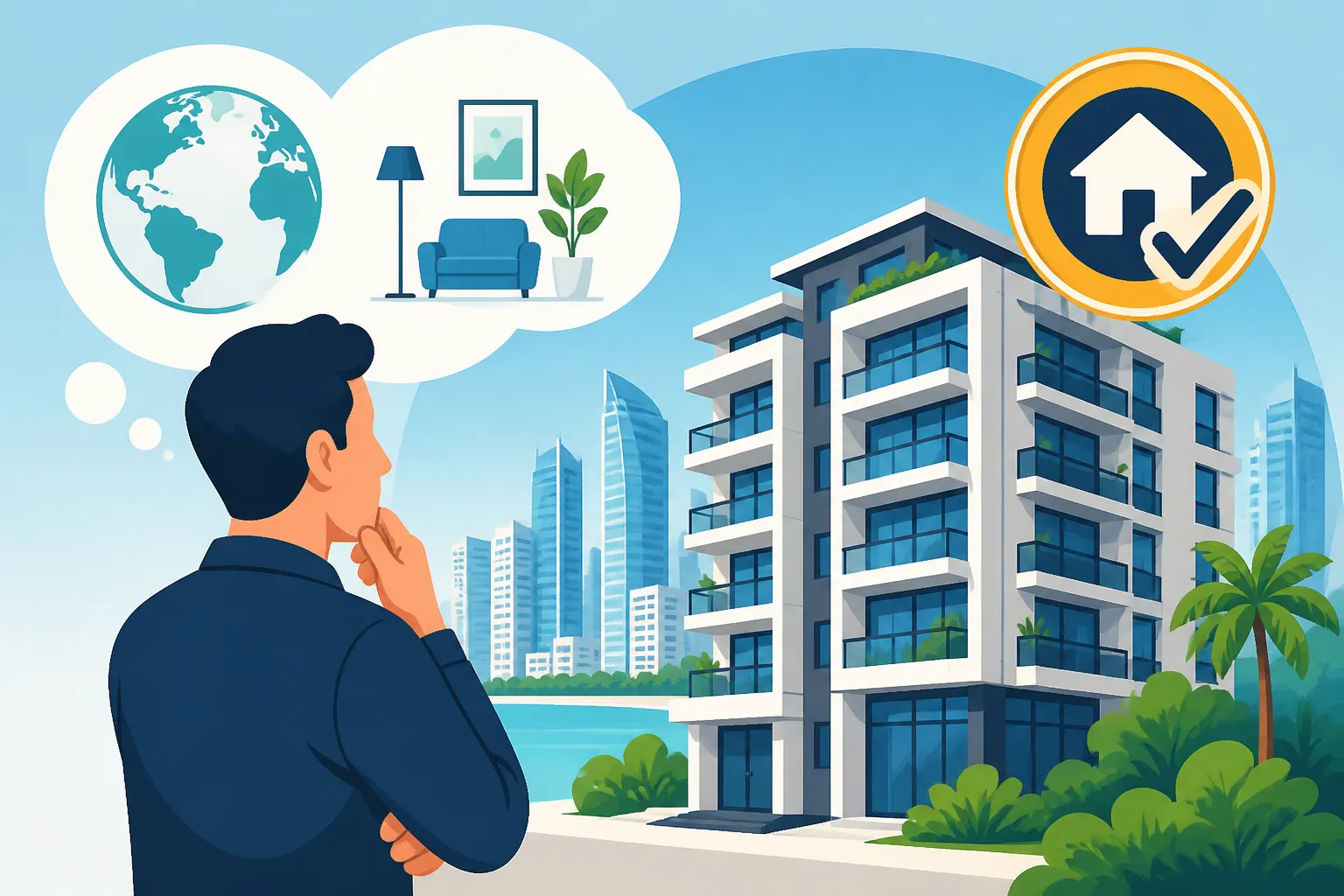
Can I Buy an Apartment as a Non-Resident in Panama?
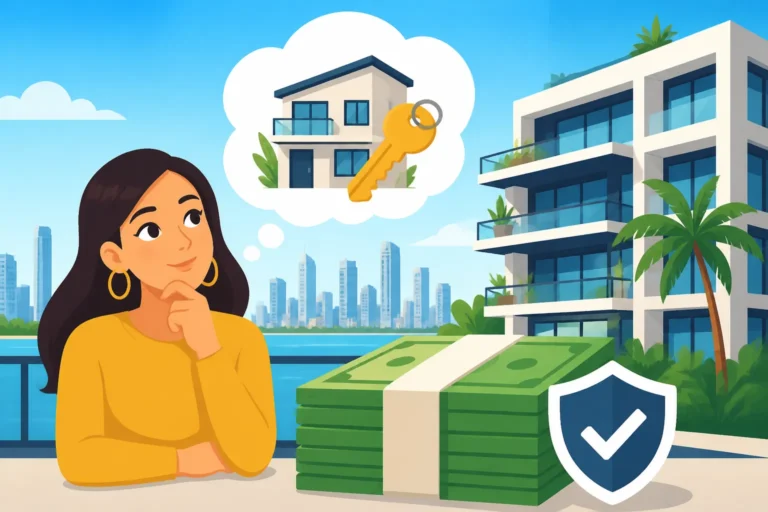
The idea of owning a beautiful apartment in Panama often captures the imagination of visitors, whether it's a sleek high-rise in the city or a cozy spot in the highlands. Many wonder if they can even buy property here if they’re not yet a resident. Yes, it’s absolutely possible! But the path to property ownership as a non-resident can be laden with unique challenges. This comprehensive guide will demystify the process, helping you understand exactly what it takes to buy an apartment in Panama, even from afar.
The Short Answer: Yes, But Let's Be Clear About What That Means
Let's cut right to it: yes, you absolutely can buy an apartment in Panama as a non-resident. Panama has a very welcoming stance towards foreign property ownership, which is one of the many reasons it’s such an attractive destination for expats and investors alike. You don't need to be a resident, nor do you need to be actively pursuing residency, to purchase real estate here. This open-door policy is a huge relief for many who fall in love with a property during a visit and want to secure it before making a full move or committing to a residency path.
However, while the law permits it, the practicalities of doing so can feel a bit like wading through treacle if you’re not prepared. It’s not simply a matter of walking in with cash and signing on the dotted line. There are administrative hoops, cultural nuances, and legal procedures that need careful navigation, especially when you’re not physically present in the country or fluent in Spanish. Many newcomers get caught out by assuming it’s just like back home.
Understanding Property Ownership for Foreigners
Panama’s laws are remarkably clear on this front: foreigners have the same rights as Panamanian citizens when it comes to owning property. This means you can own an apartment, a house, or even land in most areas without any special permits or restrictions, beyond specific, limited zones near international borders or within certain indigenous territories, which rarely apply to apartment purchases anyway. This is a significant advantage compared to some other countries that impose strict limitations or require local partners for foreign ownership.
When you buy an apartment, you typically acquire a titled property, meaning it's formally registered in the Public Registry. This registry is the ultimate authority on who owns what, and a clear title is paramount. As a non-resident, you have a couple of options for how to hold title. You can own the property in your personal name, or, very commonly, through a Panamanian corporation (Sociedad Anónima or S.A.). The corporate structure is often favored for its potential benefits in estate planning, privacy, and ease of transfer, but it does involve additional setup and annual maintenance costs. It's a choice you'll definitely want to discuss in detail with a Panamanian lawyer. To really dig into the nitty-gritty of the property market and different ownership structures, I highly recommend checking out our comprehensive guide on Understanding Property Ownership and the Market in Panama (2027).
The Importance of Professional Guidance
Let's be brutally honest: buying property in a foreign country, particularly when you're not a resident, is not a do-it-yourself project. The Panamanian legal system, while robust, operates differently from what you might be accustomed to. This is where professional guidance becomes not just helpful, but absolutely indispensable. Your first and most crucial step should be to engage a highly reputable Panamanian lawyer. Not just any lawyer, mind you, but one with extensive experience handling real estate transactions for foreign clients. They will be your eyes, ears, and legal guardian throughout the entire process, ensuring everything is above board and your interests are protected.
Beyond legal counsel, a good real estate agent, especially one accustomed to working with expats, is also vital. They can help you navigate the local market, understand pricing, and identify properties that meet your specific needs. Don't underestimate the language barrier either. While many professionals in Panama City speak English, critical documents will be in Spanish. Having someone who can bridge that gap, whether it's your lawyer or a dedicated translator, will prevent misunderstandings that could cost you dearly down the line.
Navigating the Legal Landscape as a Non-Resident Buyer
Even though Panama welcomes foreign property ownership, there’s a distinct legal and administrative landscape you need to navigate. This isn't just about finding a beautiful apartment; it's about ensuring the purchase is legally sound and that you, as a non-resident, meet all the necessary requirements.
Key Documents and Requirements
One of the first administrative hurdles you’ll encounter as a non-resident buyer is getting your Panamanian tax ID, known as an RUC (Registro Único de Contribuyente). Even if you’re not planning to generate income in Panama, you'll need an RUC to register your property ownership and pay property taxes. Your lawyer can guide you through this, but it’s a foundational step. You'll also need your passport, and often, certain documents from your home country, such as a recent utility bill or bank statement, might need to be apostilled (certified for international use) before they are accepted here. For a full rundown of what you'll need, check out What Documents Do I Need to Buy Property in Panama?.
Then there's the bank account dilemma. This is often the trickiest part for non-residents. While you don't strictly need a Panamanian bank account to buy property (your lawyer can often hold initial deposits in an escrow account), it becomes almost essential for managing the property once purchased – paying HOA fees, utility bills, and property taxes. Panamanian banks, like the popular Banco General or Banistmo, have very stringent "Know Your Customer" (KYC) and anti-money laundering (AML) regulations. Opening an account as a non-resident can be a protracted process, requiring extensive documentation, proof of funds, and sometimes even an in-person interview. This is a common frustration for newcomers, and it’s why planning ahead is critical. To ease this process, you might find our guide on The Expat Guide to Opening a Bank Account in Panama incredibly useful. Many buyers opt to use their lawyer's escrow service for the transaction and then open an account once they've established some local ties or residency.
Perhaps the most practical tool for a non-resident buyer is a Power of Attorney (POA). If you can't be in Panama for every step of the closing process – which is highly likely for non-residents – a POA allows your lawyer (or another trusted individual) to act on your behalf. This document needs to be carefully drafted, outlining precisely what actions your representative can take. It’s a common and accepted practice here, making the long-distance purchase feasible.
The Role of a Panamanian Lawyer
I cannot stress this enough: your Panamanian lawyer is your linchpin. They are not just signing documents; they are performing comprehensive due diligence that protects your investment. This includes conducting a thorough title search at the Public Registry to ensure the property’s title is clean, free of liens, encumbrances, or any other legal claims. They'll verify that the seller is indeed the legal owner and has the right to sell.
Your lawyer will also be responsible for drafting or reviewing the purchase agreement (known as the Contrato de Promesa de Compra Venta) to ensure it protects your interests, specifies payment terms, timelines, and outlines any contingencies. They'll facilitate the transfer of funds, often utilizing an escrow service to hold your deposit and final payment until all conditions are met and the title officially transfers. Finally, they will ensure the property is properly registered in your name (or your corporation’s name) at the Public Registry, ensuring your ownership is legally recorded and recognized. This entire process is detailed further in our comprehensive guide, How to Buy Property in Panama as a Foreigner: The Full Guide (2027), which is an absolute must-read for any potential buyer.
Practical Steps to Purchasing Your Panamanian Apartment
Once you've wrapped your head around the legal necessities and lined up your professional team, it's time to get down to the brass tacks of the actual purchase. This involves everything from finding your dream apartment to arranging financing and navigating the closing table.
Finding the Right Property and Location
The search for your ideal apartment often begins online, even from thousands of miles away. Reputable Panamanian real estate websites, international property portals, and social media groups dedicated to expats in Panama are great starting points. However, pictures and descriptions can only tell you so much. It's incredibly important to make at least one, if not several, exploratory trips to Panama to physically view properties, get a feel for different neighborhoods, and understand the local vibe.
Are you looking for the bustling metropolis of Panama City, with its towering skyscrapers, world-class dining, and vibrant nightlife, perhaps in areas like Costa del Este, Punta Pacifica, or El Cangrejo? Or is the tranquil, cooler climate of Boquete, nestled in the highlands of Chiriquí, more your style? Maybe a beach condo in Coronado or Gorgona is calling your name? Each area offers a vastly different lifestyle and investment potential. During those crucial scouting trips, having reliable internet is a lifesaver. An eSIM from a provider like Airalo can get you connected instantly, so you’re not fumbling with local SIM cards when you need to call your agent or lawyer. Don't rush this decision; it's a big one. For insights into different regions, check out The Best Places to Live in Panama for Expats: A Complete Guide (2027). When you’re ready to look seriously, partnering with a knowledgeable local real estate agent who understands the nuances of the expat market can make all the difference. Learn more about finding the right one in How to Find a Reliable Real Estate Agent in Panama.
Financing Your Purchase
For most non-resident buyers in Panama, the purchase is a cash transaction. This isn't because mortgages aren't available, but rather because Panamanian banks are notoriously conservative when it comes to lending to non-residents. Getting a mortgage from a local bank typically requires you to have established residency, a stable local income, a significant down payment (often 30-50%), and a solid credit history within Panama. These requirements are very difficult for someone living abroad with no local financial footprint. While it's not impossible, it's certainly not the easiest route. If you're keen on understanding the mortgage landscape in general, our guide on How to Get a Mortgage to Buy Property in Panama provides further details, though it largely applies to residents.
If you are proceeding with a cash purchase, you'll need to plan for the secure transfer of funds from your home country to Panama. This usually involves international wire transfers. Be prepared for your bank, and the receiving bank in Panama, to ask for extensive documentation regarding the source of your funds. Panama's strict anti-money laundering (AML) laws mean banks are very diligent in verifying where the money comes from. Work closely with your lawyer and your bank to ensure all necessary documentation is prepared to avoid delays or, worse, frozen funds.
The Closing Process and What to Expect
The closing process in Panama generally follows a structured path, albeit one that can feel slow at times due to administrative steps. It typically starts with an offer, usually presented through your real estate agent, which, if accepted, leads to a formal "Promise to Purchase Agreement" (Contrato de Promesa de Compra Venta) drafted by your lawyer. This document outlines the terms of the sale, the purchase price, the deposit amount, and the timeline for closing.
A deposit, typically 10% of the purchase price, is usually required at this stage. This deposit is held in an escrow account, usually managed by your lawyer or a title company, providing security for both buyer and seller. During this period, your lawyer conducts their thorough due diligence, ensuring everything is in order. Once due diligence is complete and all conditions are met, the final payment is made, and the transfer of title takes place. This involves signing the Public Deed (Escritura Pública) before a Public Notary, and then registering this deed at the Public Registry. This final registration officially makes you the owner.
Don't forget to factor in closing costs. These are additional expenses on top of the purchase price, including property transfer tax, legal fees, registration fees, and potentially other administrative charges. They can typically range from 5% to 7% of the property value. Here’s a rough breakdown:
| Cost Type | Approximate Percentage of Purchase Price | Notes |
|---|---|---|
| Property Transfer Tax | 2% | Paid by seller, but often negotiated to be shared or covered by buyer |
| Registration Fee | 0.5% – 0.7% | Paid to the Public Registry |
| Legal Fees | 1% – 2% (negotiable) | Can vary based on complexity and law firm |
| Notary Fees | ~0.25% | Statutory fees for notarizing the Public Deed |
| Corporate Setup & Annuals | Varies | If buying through a corporation, additional costs apply |
| Real Estate Commission | 5% – 7% (paid by seller) | Typically paid by seller, but affects overall pricing |
Note: These are approximate figures and can vary. Always confirm with your lawyer.
For a more detailed breakdown of all associated costs, you'll want to read How Much Are the Costs to Buy Property in Panama?. And to understand the entire sequence, our article What Is the Step-by-Step Process to Buy Property in Panama? is an excellent resource.
Common Pitfalls and How to Avoid Them
Even with the right professionals, it’s essential for non-resident buyers to be aware of potential pitfalls. Being forewarned is being forearmed, and knowing what to look out for can save you a world of stress and potential financial loss.
Due Diligence Beyond the Surface
While your lawyer will conduct formal due diligence, it's wise to be aware of common issues. First and foremost, always ensure the property has a clear and registered title. There are rare cases of "Rights of Possession" (ROP) properties, especially for land, but for an apartment, you should absolutely insist on a fully titled property registered in the Public Registry. Your lawyer will verify this by conducting a thorough search, ensuring there are no hidden liens, outstanding mortgages, or other legal claims against the property. This is a crucial step that can be tricky without local expertise, which is why we have a dedicated piece on How Do I Check a Property Title in Panama?.
Secondly, ensure all property taxes are current. Unpaid property taxes can become the responsibility of the new owner, so your lawyer must verify that the seller is up-to-date on all payments to the DGI (Dirección General de Ingresos). Similarly, if you're buying an apartment within a building or gated community, there will be Homeowners Association (HOA) or Propiedad Horizontal (PH) fees. Make sure there are no outstanding HOA debts from the seller, as these, too, can sometimes transfer to the new owner. These fees can vary significantly and are important to factor into your ongoing budget; learn more in Understanding HOA and PH (Propiedad Horizontal) Fees in Panama.
Finally, while many modern apartments in Panama are well-built, it's always a good idea to arrange a professional physical inspection if possible. This can uncover potential structural issues, plumbing problems, or electrical faults that might not be obvious to the untrained eye and could lead to costly repairs down the road.
Managing Your Property from Afar
Once the purchase is complete, if you're not planning to move to Panama immediately, you'll face the challenge of managing your new asset from a distance. This involves ensuring utility bills (electricity, water, internet), property taxes, and HOA fees are paid on time. Setting up automatic payments through a local bank account, if you manage to open one, is ideal. Otherwise, you might rely on your lawyer or a property manager to handle these recurring expenses. Our guide on The Expat Guide to Setting Up Utilities (Electricity, Water, Internet) in Panama offers practical advice here.
Consider hiring a reputable property management company if you plan to rent out your apartment or simply want someone to look after it while you're away. They can handle everything from tenant relations and maintenance to bill payments and security checks. Neglecting a property can lead to small issues becoming big problems, especially in a tropical climate.
Finally, once your purchase is complete, and you’re ready to actually move in and bring your belongings, exploring international moving services like Sirelo can help streamline the relocation of your household items, ensuring everything arrives safely. Buying property is one thing, but making it feel like home, or managing it as an investment, requires thoughtful planning for your long-term connection to Panama.
Disclaimer
The information provided in this guide is intended for general informational purposes only and does not constitute legal, financial, or real estate advice. While we strive to provide accurate and up-to-date information, laws and regulations in Panama can change. It is essential to consult with qualified Panamanian legal counsel, a reputable real estate agent, and financial advisors before making any property investment decisions.