Understanding Childhood Vaccination Schedules in Panama
Moving to a new country with children means a whole new set of worries, and near the top of that list for many expat parents is ensuring their little ones stay healthy and up-to-date on their vaccinations. The thought of navigating a foreign healthcare system, deciphering a new vaccination schedule, and dealing with potential language barriers can feel overwhelming. This guide is designed to cut through that confusion, offering a clear, empathetic walkthrough of Panama's childhood vaccination program so you can confidently protect your family.
Understanding Panama's National Vaccination Program
When you first arrive in Panama with your family, you'll quickly realize that the country takes public health very seriously, and that absolutely includes its national vaccination program. It’s a well-established system, designed to protect all children living here, regardless of their nationality. This commitment is a huge comfort to expat parents, as it means access to essential immunizations is widely available.
The Role of MINSA and CSS in Immunization
In Panama, the Ministry of Health (Ministerio de Salud, or MINSA) is the primary government body responsible for setting health policies, including the national vaccination schedule. They decide which vaccines are part of the standard program and ensure their availability across the country. Think of MINSA as the architect of the immunization plan.
Alongside MINSA, the Caja de Seguro Social (CSS), Panama's social security fund, plays a crucial role, especially for those employed within the formal sector. If your employer registers you with the CSS, your children will be eligible for healthcare services through their network, which includes access to vaccinations at CSS clinics. However, even if you’re not affiliated with the CSS, MINSA’s public health centers are open to everyone. This dual system means a broad reach for vaccination services, from bustling urban clinics in Panama City to smaller health posts in rural areas. While the bureaucracy can sometimes feel like a maze, especially when you're first getting settled, knowing that these two entities are working to keep your kids healthy is reassuring. You can learn more about how to register with the CSS (Caja de Seguro Social) in Panama if your employment situation allows it.
Vaccine Availability and Program Goals
Panama’s national vaccination program aims for comprehensive coverage against a range of infectious diseases. The goal is to protect not just individual children but also the wider community by reducing disease transmission. This public health approach is similar to what you'd find in many developed nations. The vaccines included in the schedule are carefully selected based on global health recommendations and local epidemiological data, ensuring they target the most prevalent and dangerous diseases for children in Panama.
Vaccine availability is generally excellent throughout the country, especially for those on the standard schedule. Public health clinics and private pediatricians typically have a consistent supply of routine vaccines. On occasion, there might be temporary shortages of a specific vaccine in one location, but clinics are usually adept at directing you to another facility or informing you when new stock arrives. The program’s success hinges on high vaccination rates, so the authorities are typically quite proactive in addressing any supply chain issues. It’s comforting to know that Panama shares the global commitment to protecting children from preventable diseases.
The Standard Childhood Vaccination Schedule in Panama
Panama's vaccination schedule is thoughtfully structured to provide protection at key developmental stages, much like schedules in North America or Europe. It's designed to build immunity early in life when children are most vulnerable. Understanding this schedule is the first step to ensuring your child stays on track.
Birth to One Year Schedule
The first year of a child's life is packed with essential vaccinations, laying the groundwork for a healthy future. Immediately after birth, babies typically receive their first doses. For instance, the Hepatitis B vaccine is often given within the first 24 hours. This is followed shortly by the BCG (Bacillus Calmette-Guérin) vaccine, which protects against tuberculosis, a vaccine that might be less common in some Western countries but is standard here due to global health considerations.
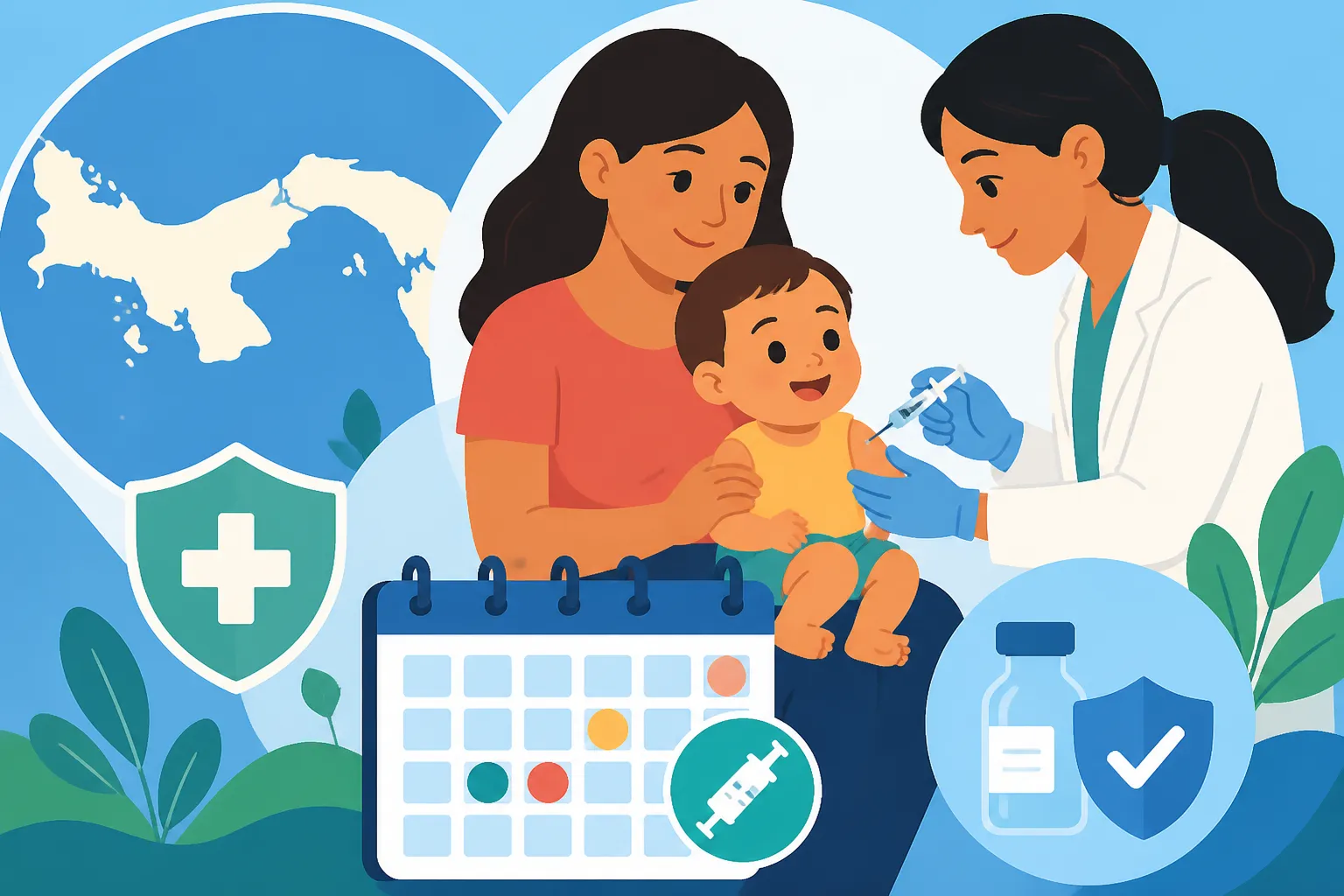
As your baby grows, the schedule continues with a series of combination vaccines, usually administered at 2, 4, and 6 months. These often include diphtheria, tetanus, pertussis (whooping cough), Haemophilus influenzae type b (Hib), and polio (IPV). You’ll also find rotavirus and pneumococcal conjugate vaccines (PCV) in this age range, protecting against severe diarrhea and pneumonia, respectively. It can feel like a lot of jabs in those first few months, but each one is a vital shield against serious illnesses. Always remember to bring your child's yellow vaccination card, also known as the "carnet de vacunación," to every appointment. This little card is your child’s health passport and is absolutely critical for tracking their immunizations.
Toddler and Early Childhood Boosters
Once your child passes their first birthday, the vaccination schedule doesn’t stop; it often includes crucial booster shots and new vaccines. Around 12 to 18 months, you can expect to see the measles, mumps, and rubella (MMR) vaccine, which is usually given in two doses, with the second dose typically around 4-6 years. The chickenpox (varicella) vaccine is also a standard part of the early childhood schedule. Some children might also receive boosters for DTaP, polio, and Hib during this period, reinforcing the immunity built during infancy.
The 4-6 year mark often involves another round of boosters, ensuring long-lasting protection before children enter primary school, where they'll be exposed to a wider range of germs. This phase of vaccination is vital for solidifying their immunity and protecting them as they become more independent and social. It's a busy time for parents, juggling school applications and playdates, but these vaccine appointments are just as important as any other milestone. For a detailed breakdown of the standard Panamanian schedule, see the table below.
| Age | Recommended Vaccines | Diseases Prevented | Notes |
|---|---|---|---|
| Understanding Childhood Vaccination Schedules in Panama |
As an expat parent, one of the biggest initial anxieties here in Panama can revolve around your children's health. The familiar routines and trusted pediatricians back home are suddenly replaced by a new system, new names, and a whole new set of worries – especially when it comes to keeping their immunizations on track. You want to ensure your child is protected, but figuring out Panama's specific vaccination schedule, where to go, and what to expect can feel like navigating a maze blindfolded. This comprehensive guide will walk you through everything you need to know about childhood vaccination schedules in Panama, demystifying the process and giving you peace of mind.
Panama's National Immunization Program: A Foundation of Health
When you move to Panama, it's reassuring to know that the country has a robust and well-established national immunization program. This isn't some fly-by-night operation; it's a concerted effort to protect all children residing within its borders, regardless of their family's origin or economic status. This deep commitment to public health means that essential vaccines are readily available and widely administered, often making the process smoother than you might initially anticipate. The fundamental goal is to achieve herd immunity, protecting not just your child, but the entire community from preventable diseases.
The Key Players: MINSA and CSS
At the heart of Panama's vaccination efforts are two major institutions: the Ministry of Health (Ministerio de Salud, commonly known as MINSA) and the Social Security Fund (Caja de Seguro Social, or CSS). MINSA acts as the primary governing body, much like a national health department. They are responsible for setting the official childhood vaccination schedule, procuring the vaccines, and overseeing the public health clinics where many children receive their immunizations. If you attend a Centro de Salud (health center) or Policlínica (poly-clinic) that isn't specifically part of the CSS network, you're likely engaging with a MINSA facility.
The CSS, on the other hand, provides healthcare services, including vaccinations, to individuals who are formally employed and contribute to the social security system. If you or your spouse work for a Panamanian company that registers you with the CSS, your children can access their network of clinics and hospitals for vaccinations. While the services provided by both MINSA and CSS are generally aligned with the national schedule, understanding which entity you'll primarily interact with can help clarify where to go. For expats, especially those who are self-employed or not formally part of a Panamanian company's payroll, MINSA's public health centers are often the first and most accessible point of contact. Regardless of which facility you use, the commitment to following national guidelines remains consistent. If you're covered by the social security system, understanding health insurance contributions through the CSS in Panama can be beneficial.
National Vaccine Policy and Availability
Panama's vaccine policy is comprehensive, covering a broad spectrum of infectious diseases that pose a risk to children. The list of vaccines included in the national schedule is regularly reviewed and updated by MINSA, often in collaboration with international health organizations like the World Health Organization (WHO) and the Pan American Health Organization (PAHO). This ensures that the schedule remains current and effective against prevailing health threats. The availability of these routine vaccines is generally very good across the country, from the bustling clinics in Panama City to the more remote health posts in provinces like Chiriquí.
While temporary shortages of a particular vaccine might occur from time to time in specific locations—a challenge faced by healthcare systems worldwide—Panamanian health authorities are typically proactive in managing inventory and directing parents to alternative clinics if needed. The program's success relies on widespread coverage, so there’s a strong incentive to ensure consistent supply. This means that for the core childhood vaccinations, you should generally find what you need without significant delays. It's a testament to the country's dedication to its youngest citizens, providing a solid foundation for their health from infancy through adolescence.
Decoding the Childhood Vaccination Schedule
Understanding the specific vaccination schedule in Panama can feel like learning a new language. While many of the vaccines are universal, the timing and specific combinations might differ from what you're accustomed to. Knowing this schedule is paramount to ensuring your child receives timely and complete protection.
Vaccinations for Infants: Birth to One Year
The first year of a child's life is a whirlwind of growth, discovery, and, crucially, a series of vital vaccinations designed to protect them during their most vulnerable stage. Soon after birth, typically within the first 24 hours in the hospital, newborns in Panama receive their first dose of the Hepatitis B vaccine. This is quickly followed by the BCG (Bacillus Calmette-Guérin) vaccine, offering protection against tuberculosis, which is a standard part of the Panamanian schedule and many other countries but might be new to parents from regions where tuberculosis is less prevalent.
At 2, 4, and 6 months, infants receive a series of doses for several important vaccines, often administered as combination shots to reduce the number of injections. These typically include the DTaP (Diphtheria, Tetanus, and Pertussis – whooping cough), Polio (IPV – inactivated poliovirus), and Hib (Haemophilus influenzae type b) vaccines. Additionally, the Rotavirus vaccine, protecting against severe diarrheal disease, and the Pneumococcal Conjugate Vaccine (PCV), which guards against various types of pneumococcal infections like pneumonia and meningitis, are usually given during these early visits. It’s a lot for tiny bodies, but each shot builds a critical layer of immunity. Always ensure you bring your child's carnet de vacunación, or yellow vaccination card, to every appointment. This document is your official record and is crucial for continuity of care, especially if you move between public and private clinics, or even change cities, like from Panama City to David.
Toddler and Early Childhood Boosters: Beyond One Year
As your child transitions from infancy into their toddler years and beyond, the vaccination schedule continues with crucial booster shots and additional vaccines. Around 12 to 18 months of age, children typically receive their first dose of the MMR (Measles, Mumps, and Rubella) vaccine, often followed by a second dose around 4-6 years of age. This period also sees the introduction of the Varicella (Chickenpox) vaccine. Some children may also receive boosters for DTaP and Polio to reinforce the immunity established in their first year.
The 4-6 year age range is another significant checkpoint, often requiring boosters for DTaP and Polio, along with the second dose of MMR. These pre-school boosters are strategically timed to ensure robust protection as children enter group settings like school, where exposure to infectious diseases increases significantly. Keeping track of these dates is important, and your pediatrician or clinic will usually provide reminders. Missing a dose isn't the end of the world, but it's always best to catch up as soon as possible to maintain optimal protection.
Adolescent Vaccinations
The vaccination journey doesn't end in early childhood; adolescence brings its own set of recommended immunizations. For pre-teens and teenagers, the schedule typically includes boosters for Tdap (Tetanus, Diphtheria, and Pertussis), which is crucial for maintaining protection against whooping cough, a highly contagious respiratory illness.
Another significant vaccine in this age group is the HPV (Human Papillomavirus) vaccine, which protects against certain types of cancer, including cervical cancer. This vaccine is usually recommended for both girls and boys. Additionally, the Meningococcal vaccine, which protects against meningococcal disease, a serious bacterial infection that can cause meningitis and other severe illnesses, might also be recommended. These adolescent vaccines are not just about protecting your child, but also about public health, helping to prevent the spread of diseases within schools and communities. If you're sending your child to an international school in Panama City, they will often have strict vaccination requirements that align with or even exceed the national schedule. For general health guidance and more specific details, consider consulting a comprehensive resource like The Complete Guide to Healthcare in Panama for Expats (2026).
Accessing Vaccinations for Your Child
Once you understand the schedule, the next logical step is figuring out where and how to get your child vaccinated in Panama. The good news is that Panama offers multiple avenues for immunization, catering to different preferences and circumstances.
Public Health Clinics vs. Private Pediatricians
Expats in Panama essentially have two main routes for accessing childhood vaccinations: the public healthcare system or private pediatric clinics. Both options are viable and have their own advantages.
Public Health Clinics (Centros de Salud and Policlínicas): These are run by MINSA or CSS and are widely available across the country. The biggest advantage here is cost – routine vaccinations are generally free of charge, as they are part of the national public health initiative. This is a huge benefit for families, particularly those on a tighter budget. However, public clinics can sometimes mean longer wait times, especially during peak hours or for popular Policlínicas. The facilities might also be more basic compared to private clinics. While staff are professional, English-speaking personnel may not always be available, which can be a point of stress for non-Spanish speaking parents. It's a good idea to bring a Panamanian friend or a translation app if your Spanish isn't strong. These clinics are often bustling hubs, serving a large community, and while efficient, they might lack the personalized touch of a private practice. Many expat families find they can navigate this system well, especially if they are patient and prepared for potential waits. You can inquire at your local Centro de Salud for their specific vaccination days and times.
Private Pediatricians and Clinics: If you prefer a more personalized experience, shorter wait times, and potentially English-speaking staff, private pediatricians and clinics are an excellent option. Major hospitals like Hospital Punta Pacifica or Hospital Nacional, or standalone private clinics, offer these services. You'll pay for the consultation and the vaccines, but the cost is generally quite reasonable compared to many Western countries. A typical pediatrician visit might range from $40-$80, plus the cost of the vaccine itself. This is often the preferred route for expats who have private health insurance in Panama, as many plans cover routine vaccinations as part of their well-child benefits. The environment is usually more modern, and you can often schedule appointments, reducing the uncertainty of walk-in clinics. If you're still deciding on insurance, understanding private health insurance plans in Panama is crucial. Even without comprehensive local insurance, a travel medical insurance like SafetyWing can offer peace of mind for unexpected medical issues, especially during the initial months of settling in when vaccinations might coincide with minor illnesses or travel plans.
Required Documentation and Process
Regardless of whether you choose a public or private facility, you'll need to be prepared with certain documents to ensure a smooth vaccination process. The most critical item is your child's yellow vaccination card (carnet de vacunación). This small, yellow booklet is the official record of all your child's immunizations and is incredibly important in Panama. If your child was born here, they would have received one at birth. If you've just moved to Panama, you'll need to present your child's vaccination records from your home country, and the clinic will help transfer them to a Panamanian carnet. This might involve a bit of translation or a doctor's review, so be patient.
Other documents you might need include your child's passport or birth certificate, and your own identification (e.g., cédula if you have residency, or your passport). It's always a good idea to call ahead to your chosen clinic to confirm their specific requirements, especially for your first visit. When you arrive at the clinic, you'll typically register, present your documents, and then wait to see the nurse or doctor for the vaccination. They will review the schedule, administer the vaccine, and meticulously record it in your child's yellow card, including the date, type of vaccine, and batch number. They'll also tell you when the next dose is due. This diligent record-keeping is vital for ensuring your child's full immunization.
Managing Records and Ensuring Continuity of Care
Keeping track of your child's health records in a new country can feel like a daunting administrative task. However, in Panama, the system is designed to be relatively straightforward, revolving around one crucial document and a commitment to continuity.
The Importance of the Yellow Vaccination Card
Let me tell you, this little yellow booklet, the carnet de vacunación, is your child's golden ticket in Panama. It’s not just a piece of paper; it’s the official and legally recognized record of your child’s vaccination history. Every single vaccine, from birth through adolescence, will be meticulously documented in this card by the healthcare professional administering the shot. It will include the date, the specific vaccine administered, the batch number, and often the signature and stamp of the clinic.
You absolutely must bring this card to every single vaccination appointment, whether it’s at a public health center or a private pediatrician's office. Without it, clinics may be hesitant to administer vaccines, as they need to accurately track the doses and ensure your child isn't over or under-vaccinated. Moreover, this card will be required for school enrollment, certain visa processes, and even for some international travel. Think of it as your child's immunization passport. Lose it, and you'll face a bureaucratic headache trying to recreate the records. My advice: keep it in a safe, designated place, and maybe even take photos of its pages for digital backup, just in case.
Transferring Records from Abroad
If you've moved to Panama with children who have already started their vaccination schedule in another country, transferring those records properly is a key step. You won't just hand over a printout from your old doctor and expect them to immediately understand it. What you need to do is present your child's existing vaccination records, ideally translated into Spanish, to a Panamanian pediatrician or a public health clinic. Many expat parents find it easiest to start this process with a private pediatrician who is used to working with international families and may have English-speaking staff. They can then transcribe the information onto a new Panamanian carnet de vacunación.
The Panamanian healthcare provider will compare your child's previous schedule with Panama's national guidelines. They will then determine which vaccines, if any, are still needed to complete the local schedule. Sometimes, a vaccine might have been given at a slightly different age, or a particular vaccine might be routine in Panama but not in your home country, or vice versa. The goal is to ensure your child meets the Panamanian immunization requirements without duplicating doses unnecessarily. This process ensures continuity of care and that your child is fully protected according to local standards. It might take a bit of effort and coordination, but it's a vital step for settling your family's health needs here. Knowing how to choose and register with a doctor or clinic in Panama can make this process smoother.
Addressing Common Expat Concerns About Vaccinations
Navigating vaccinations in a new country can bring up a unique set of worries for expat parents. It's completely normal to have questions about everything from communication to vaccine safety. Let's tackle some of these common concerns head-on.
Language Barriers and Communication with Medical Staff
Perhaps one of the most immediate concerns for many expats is the language barrier. While many medical professionals in private clinics, especially in Panama City, might speak some English, it's not a guarantee, particularly in public health centers. Trying to explain your child's medical history or understand post-vaccination instructions in a language you're not fully comfortable with can be incredibly stressful.
My best advice here is to be prepared. If your Spanish isn't fluent, consider bringing a trusted Spanish-speaking friend or a professional translator with you to appointments, especially the initial ones where you're establishing care or transferring records. Have key phrases and questions written down. Many doctors and nurses are incredibly patient and will use simple language or even gestures, but a translator can truly bridge the gap. Utilize translation apps on your phone for quick clarification, but don't rely on them for nuanced medical discussions. The goal is clear communication, so don't be shy about asking for clarification until you fully understand. Finding an English-speaking doctor in Panama is absolutely possible and can alleviate much of this stress.
Vaccine Safety and Quality Assurance
When it comes to your child's health, vaccine safety is, understandably, a paramount concern. Expats often wonder about the quality and safety standards of vaccines administered in Panama, especially if they are accustomed to specific brands or regulatory bodies in their home countries. It’s important to understand that Panama adheres to international standards for vaccine procurement and administration. Vaccines used in the national program are typically sourced from reputable international pharmaceutical manufacturers and must meet stringent quality control measures set by the World Health Organization (WHO) and MINSA itself.
The Panamanian Ministry of Health has a robust system in place for vaccine storage, handling, and administration, designed to maintain their efficacy and safety. Health professionals receive ongoing training to ensure proper techniques are followed. Minor side effects, like a low-grade fever or soreness at the injection site, are normal and indicate the immune system is responding, just as they would anywhere else in the world. Serious adverse reactions are extremely rare, but clinics are equipped to handle them. You can feel confident that the vaccines your child receives in Panama are held to high international standards of safety and efficacy.
Travel Considerations and Additional Vaccinations
Living in Panama often means exciting opportunities for regional travel, and this can bring up questions about additional vaccinations or specific health requirements for your child. While Panama's national schedule covers core diseases, certain destinations, particularly in other parts of Central or South America, might have unique health risks or require specific immunizations not on the standard Panamanian list.
For example, if you plan to travel to an area with a higher risk of yellow fever or typhoid, your pediatrician might recommend additional vaccines that aren't typically part of the routine childhood schedule in Panama. It’s crucial to discuss any upcoming travel plans with your child’s pediatrician well in advance, ideally several months before your departure. They can advise you on any supplementary vaccines needed, discuss potential health risks in your destination, and ensure your child is adequately protected. This proactive approach helps safeguard your family's health as you explore the region. Remember that while routine vaccinations are generally covered by local public health or private insurance, special travel vaccines might incur additional costs.
Looking Ahead: Maintaining Your Child's Health in Panama
Keeping your child's vaccinations up-to-date in Panama is a cornerstone of their overall health and well-being. By understanding the national program, navigating the different healthcare avenues, and diligently maintaining their yellow vaccination card, you'll ensure they receive the protection they need to thrive in their new home.
Staying Up-to-Date and Proactive Healthcare
The key to maintaining your child's vaccination status is to be proactive. Mark future vaccination dates in your calendar, and don't hesitate to call your clinic a week or two beforehand to confirm the appointment and vaccine availability. Many private pediatricians' offices are excellent at sending reminders, but it’s always best to keep track yourself. Regular well-child check-ups are not just about vaccinations; they are an opportunity for your pediatrician to monitor your child's growth and development, address any health concerns, and offer guidance on nutrition, safety, and other aspects of raising healthy children in Panama. These appointments are invaluable for establishing a strong relationship with a local healthcare provider.
Beyond vaccinations, becoming familiar with the broader Panamanian healthcare system is crucial. Know where your nearest public health clinic or emergency room is. Understand how to access specialist care in Panama if needed. Having a plan in place for both routine and unexpected medical situations will significantly reduce stress. Whether you rely on the public system, private clinics, or a combination, being an informed and proactive parent is your best tool for ensuring your child's health and happiness in Panama.
The Broader Picture: Healthcare for Your Family
While this guide focuses on vaccinations, remember that your child's health is part of a larger healthcare landscape in Panama. Having adequate health insurance is paramount. While the public system offers free vaccinations, other medical needs, particularly emergencies or specialist consultations, can incur costs. Exploring options for health insurance in Panama, whether through the CSS, a private local plan, or international coverage, is a critical step for any expat family. Companies like SafetyWing offer flexible travel medical insurance that can be a stop-gap solution, or even a primary one for highly mobile expat families, ensuring that unforeseen medical needs are covered as you navigate life and travel in and out of Panama.
Ultimately, Panama provides a comprehensive and accessible framework for childhood immunizations. With a little preparation and patience, you can confidently navigate the system and ensure your child is protected against preventable diseases, allowing them to enjoy all the wonders this vibrant country has to offer.
Disclaimer
The information provided in this guide is for general informational purposes only and does not constitute medical advice. While every effort has been made to ensure accuracy and relevance to the Panamanian context, vaccination schedules and health policies can change. Always consult with a qualified healthcare professional in Panama, such as a pediatrician or public health clinic, for personalized medical advice regarding your child's specific vaccination needs and health concerns.