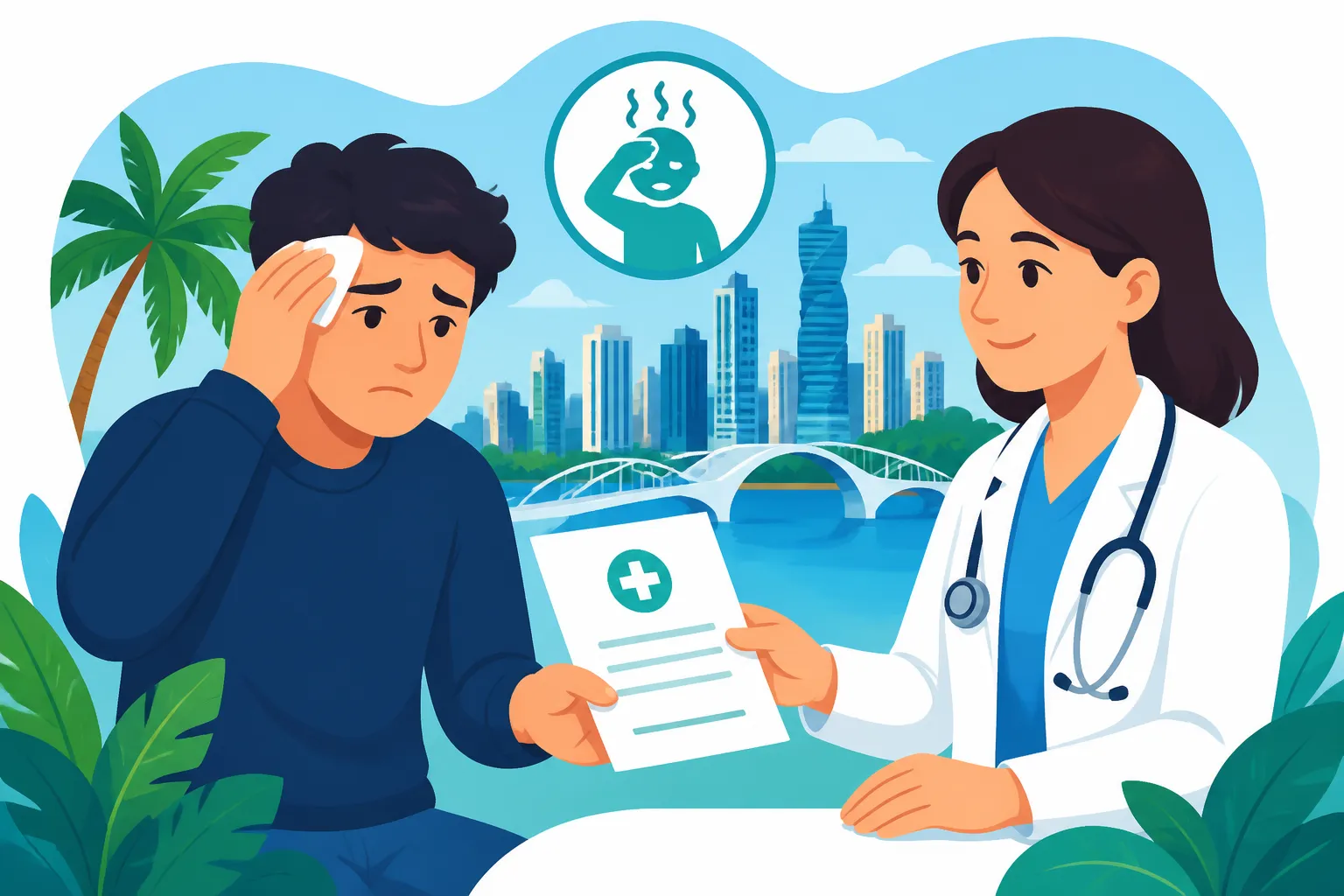
How Do I Get a Sick Note from a Doctor in Panama?
So, you've woken up feeling under the weather, or perhaps you've got a pressing appointment and need official documentation for your employer here in Panama. Getting a sick note, known locally as an incapacidad or licencia médica, can feel like a maze, especially when you're not at your best and the system works differently from what you're used to back home. This comprehensive guide is here to unravel the process, walking you through everything you need to know to secure that doctor's note efficiently and without added stress.
Understanding What a Sick Note (Incapacidad) Means in Panama
Before we dive into the 'how,' let's talk about the 'what.' In Panama, a sick note is typically referred to as an incapacidad temporal (temporary incapacity) or licencia médica (medical leave). It's a formal document from a licensed medical professional stating that you are unfit to work for a specific period due to illness or injury. For expats, understanding this term and its local implications is crucial, as miscommunication or misunderstanding can lead to issues with your employer or even your immigration status if not handled correctly.
The purpose of this note is to provide legal justification for your absence from work and to ensure you receive any entitled sick leave benefits, as outlined by Panamanian labour law. Without an official incapacidad, your absence might be considered unauthorized, leading to deductions from your pay or other disciplinary actions. This is particularly important for those employed by Panamanian companies, as the rules are quite clear on this. Even if you're working remotely for an overseas company, having a proper medical record of your illness can be vital for your own peace of mind and for communicating with your international employer, who might also appreciate formal documentation.
Panamanian labour law, which you can learn more about in resources like Understanding Sick Leave Entitlements Under Panamanian Labour Law, dictates specific requirements for sick leave. Generally, an incapacidad is required for absences exceeding 48 hours, though some employers might request one for shorter periods. It’s always best practice to communicate with your employer as soon as possible about your illness, even before you've secured the official note, to keep them in the loop and manage expectations.
The Legal Weight of Your Medical Note
In Panama, a properly issued incapacidad carries significant legal weight. It's not just a casual note from a doctor; it’s a formal certification. The document usually includes the doctor's license number, the date of issue, the patient's name, a brief diagnosis (often coded), and the duration of the recommended absence from work. This detail is important because it protects both you and your employer. For instance, if you're working for a Panamanian company and paying into the Caja de Seguro Social (CSS), your incapacidad is essential for claiming benefits for prolonged illness.
For us expats, this means you can’t just walk in, ask for a note, and expect it to be rubber-stamped. Doctors here are professionals and take their role in certifying your health seriously. They will conduct an examination and only issue a note if they deem it medically necessary. Trying to bypass this process or exaggerate symptoms can be counterproductive and might even damage your relationship with your medical provider. Always approach the situation with honesty and respect for the local medical protocols.
Furthermore, ensure that the incapacidad is stamped and signed by the doctor and, if possible, includes the clinic's letterhead. Some employers can be sticklers for these details, and a note lacking proper authentication might be rejected. This might seem like an extra bureaucratic hurdle, but it's part of the standard procedure here. Always ask for a copy for your own records, too, because you never know when you might need it again, especially if you have an international health insurance plan like SafetyWing that requires documentation for reimbursement.
The Process: Securing Your Sick Note in Panama
Alright, let's get down to brass tacks. You're sick, you need that note. What's your first step? The path you take will largely depend on whether you're using the public healthcare system (CSS), a private clinic, or a private hospital. Most expats, for reasons of convenience, speed, and often language, gravitate towards the private sector.
Where to Go: Public vs. Private Options
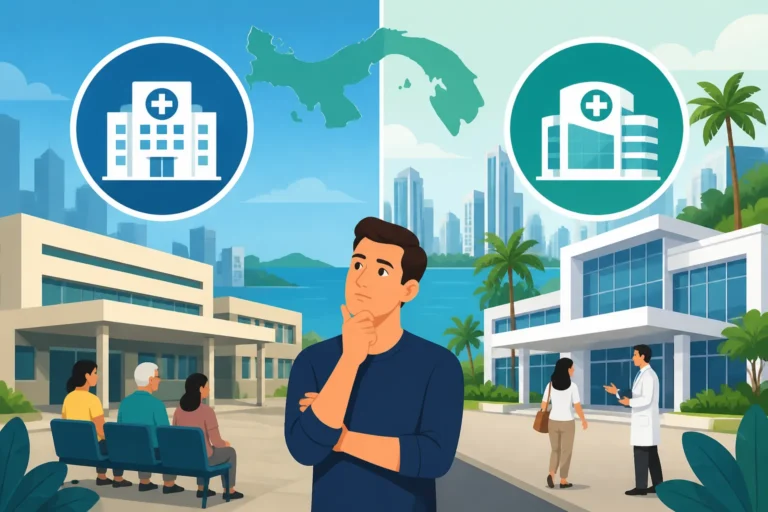
Panama offers a dual healthcare system: the public Caja de Seguro Social (CSS) and a robust private sector. While the CSS is more affordable if you're a contributor, it often comes with longer wait times and can be more challenging to navigate without strong Spanish language skills. Private clinics and hospitals, on the other hand, usually offer immediate appointments, English-speaking staff, and more streamlined processes, albeit at a higher cost. For a deeper dive, check out Public vs Private Healthcare in Panama: What Expats Need to Know.
- Private Clinics/Hospitals: This is often the preferred route for expats, especially for something as straightforward as a sick note. You can call ahead to schedule an appointment, or for minor ailments, many private clinics offer walk-in consultations. Hospitals like Hospital Punta Pacifica, Hospital Nacional, or Centro Médico Paitilla are well-known in Panama City for their expat-friendly services and English-speaking doctors. You can often get an appointment on the same day or the next day. The doctors are usually quite efficient and understand the need for proper documentation for employers. If you're wondering how to find one, our guide on How to Choose and Register with a Doctor or Clinic in Panama offers great advice.
- CSS Clinics (Policlínicas): If you're formally employed and contributing to the CSS, you are entitled to use their services. However, brace yourself for longer waits. You'll likely need to go early in the morning to get a number, and the process can take several hours. While the cost is minimal (or covered by your contributions), the time investment can be considerable, which might not be ideal when you're feeling unwell and just need a quick note. The benefit, however, is that an incapacidad from the CSS is unequivocally accepted by all Panamanian employers.
The choice really depends on your immediate needs, your comfort level with Spanish, and your financial situation or insurance coverage. If you're on a budget and have a less urgent need, the CSS is an option. If you need speed, convenience, and potentially English-language service, private is almost always the way to go.
Required Documents and What to Expect at Your Appointment
No matter where you go, come prepared. You'll typically need to present a form of identification. For foreigners, this means your passport or your Panamanian cédula (ID card) if you have one. It’s also wise to bring any relevant medical history or a list of current medications, especially if it’s your first time seeing this particular doctor.
When you arrive for your appointment, whether at a bustling policlínica or a quieter private practice, you’ll first register at the reception. They'll take your details, verify your identity, and possibly ask for your insurance information. If you're using private insurance, like a plan from SafetyWing, make sure you have your policy details handy. Many private clinics and hospitals have systems in place to process direct billing with major international insurance providers, or they will provide you with the necessary documentation for you to claim reimbursement later.
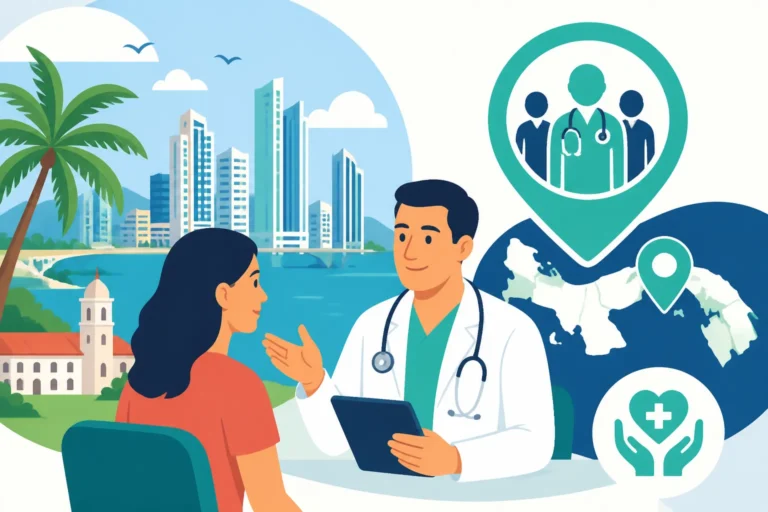
During the consultation, the doctor will examine you, ask about your symptoms, and may perform some basic tests. Be as clear and concise as possible about your symptoms. Even if there's a language barrier, try your best to communicate effectively. Many private clinics have English-speaking doctors, or at least staff who can assist with translation. After the examination, if the doctor determines you need to be off work, they will issue the incapacidad. They'll specify the period of rest and might prescribe medication. Don't be shy about asking questions – clarify how long the note is for, what you need to do next, and if any follow-up is required. Remember, a detailed look at general requirements can be found in What Documents Do I Need to See a Doctor in Panama?
Costs Involved and Insurance Coverage
Let's be realistic: healthcare, even for a simple sick note, isn't always "free" anywhere, and Panama is no exception. While CSS services are subsidized by your contributions, private care has out-of-pocket costs.
- Private Doctor's Visit: A consultation with a general practitioner in a private clinic typically ranges from $30 to $60, depending on the clinic and the doctor's specialty. This fee usually covers the consultation itself. Any tests, medications, or specialist referrals will be extra. For a more detailed breakdown of typical costs, refer to How Much Does a Doctor Visit Cost in Panama?.
- Medications: Prescribed medications are an additional cost. Panamanian pharmacies are generally well-stocked, and prices can vary. Always check if a generic equivalent (genérico) is available, as it can be significantly cheaper.
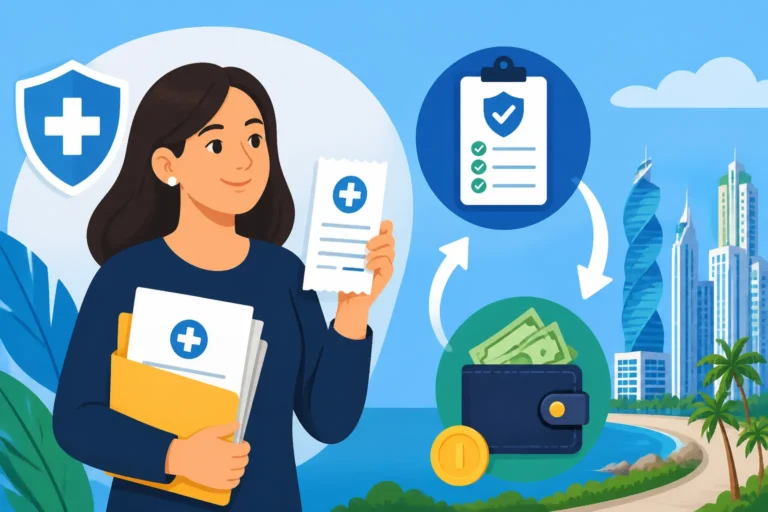
- Insurance: This is where your health insurance comes into play. If you have private health insurance in Panama, either local or international, check your policy. Most plans will cover doctor's visits and prescriptions, though you might have a deductible or co-pay. Make sure to get an itemized receipt (factura) from the clinic or pharmacy to submit for reimbursement. If you're on a flexible travel medical insurance like SafetyWing, understand their claims process to ensure you get your money back. More on insurance can be found in Health Insurance in Panama: Private and International Options Explained. Even if you're not planning to stay long, having travel health insurance is a smart move.
Navigating Different Scenarios: Short-Term vs. Prolonged Illness
Getting a sick note for a common cold is one thing, but what about more serious conditions or frequent absences? Panama's system is designed to handle various scenarios, and knowing how to approach each can save you a lot of grief.
Short-Term Illness and Single Consultations
For minor ailments like a stomach bug or the common flu that might keep you off work for a day or two, a single visit to a private clinic is usually sufficient. The doctor will issue an incapacidad for the recommended duration, typically 1 to 3 days. It’s usually a straightforward process. You pay your fee, get your note, and you're good to go.
The key here is prompt action. Don't wait until your sick leave is over to get a note. As soon as you realize you'll need to miss work, seek medical attention. This not only shows your employer you're responsible but also ensures the doctor can accurately assess your condition from the onset. Keep your employer informed throughout the process, even if it's just a quick message saying you've seen a doctor and will provide the note soon. This transparency goes a long way.
Chronic Conditions or Prolonged Leave
If you're dealing with a chronic condition that requires intermittent leave, or a more serious illness necessitating prolonged absence, the process becomes a bit more involved. Your doctor might require follow-up appointments, diagnostic tests, or specialist referrals. In these cases, the incapacidad might be issued for a longer period, sometimes with a stipulation for re-evaluation.
For prolonged leave, especially if you're a CSS contributor, the Caja de Seguro Social will typically take over the payment of your salary after a certain initial period (usually three days, covered by the employer). This requires proper registration of your incapacidad with the CSS. Your doctor will often guide you on this, or you can inquire at the clinic's administrative desk. This is where the legal weight of the incapacidad issued by a recognized medical professional or institution becomes critically important, as it directly impacts your financial stability during your recovery.
Emergency Situations
What if you have a medical emergency and end up in the ER? The good news is that hospitals, both public and private, are equipped to handle emergencies. After receiving treatment, if your condition warrants it, the attending physician will issue an incapacidad before you are discharged. This note will detail your medical condition and the recommended recovery period.
In an emergency, your priority is obviously your health. Worry about the sick note after you're stable. However, once the immediate crisis has passed, remember to explicitly ask for the incapacidad document. Hospital staff are usually accustomed to providing these, but in the chaos of an emergency room, it might be overlooked if you don't remind them. If you’re concerned about being prepared for such events, consider reading our guide on Emergency Medical Care in Panama: What Every Expat Needs to Know.
Common Challenges and Expat Tips for Getting a Sick Note
Living abroad always comes with its unique set of challenges, and getting a sick note in a foreign country is no exception. Let's look at some common hurdles and how to gracefully overcome them.
Language Barriers and Cultural Nuances
One of the most frequent frustrations for expats in Panama is the language barrier. While many doctors in private clinics, especially in Panama City, speak excellent English, this isn't always the case, particularly in public health facilities or smaller towns outside the capital. Trying to explain complex symptoms in broken Spanish when you're already feeling unwell is no fun.
- Tip 1: Prepare a "Symptom Cheat Sheet." Before your appointment, jot down your symptoms, how long you've had them, and any concerns you have, in both English and Spanish if you can. Google Translate can be your friend here, but try to keep it simple to avoid misinterpretations.
- Tip 2: Use Translation Apps. Have a reliable translation app on your phone. Many doctors are patient and willing to work with you.
- Tip 3: Seek English-Speaking Doctors. Actively search for clinics or doctors known for their English proficiency. Websites, expat forums, and local recommendations are invaluable. Our guide on How to Find an English-Speaking Doctor in Panama can certainly help you here.
Culturally, Panamanian doctors are generally quite thorough and caring. They appreciate direct communication and respect for their medical expertise. Avoid trying to self-diagnose or dictate treatment, but do feel empowered to ask questions until you understand everything.
Employer Expectations and Communication
Your employer in Panama might have specific protocols for sick leave. Some might require the incapacidad to be submitted within a certain timeframe (e.g., 24-48 hours), while others might accept a digital copy initially, followed by the original. Always clarify these expectations before you get sick, if possible, or as soon as you realize you need a note.
- Tip 1: Know Your Company Policy. If you work for a Panamanian company, ask HR for their sick leave policy during your onboarding. This will save you a lot of guesswork later.
- Tip 2: Communicate Proactively. As soon as you know you'll be absent, inform your supervisor and HR. Provide updates on when you expect to see a doctor and when you can provide the sick note. Good communication builds trust.
- Tip 3: Keep Records. Always keep a copy of your incapacidad and any communication you have with your employer regarding your sick leave. This documentation can be vital if any disputes arise.
Dealing with Follow-Up and Reimbursement
The process doesn't necessarily end when you walk out of the doctor's office with your note. There might be follow-up appointments, further tests, or the need to submit your incapacidad to your insurance provider for reimbursement.
- Tip 1: Understand Follow-Up Instructions. Make sure you clearly understand if and when you need to return to the doctor. Panamanian doctors are good about scheduling follow-ups if they deem it necessary for your recovery.
- Tip 2: Organize Your Documents for Insurance. If you're claiming reimbursement from private insurance (like your SafetyWing policy), keep all receipts, the original incapacidad, and any test results organized. Most insurance companies have online portals or apps for submitting claims, but having the physical documents ready is always a good idea. Remember, the clinic will usually provide a detailed factura (invoice) that includes the doctor’s license number and a breakdown of services, which is what your insurance will need. For more on this, check Can I Use International Health Insurance at Panamanian Hospitals?
- Tip 3: Don't Delay Submitting. Submit your incapacidad to your employer and insurance provider as soon as possible. Delays can complicate matters, particularly with insurance claims which often have time limits for submission.
Getting a sick note in Panama might involve a few extra steps compared to your home country, but it’s a manageable process once you understand the local system. Be prepared, communicate clearly, and don't hesitate to ask for help if you're feeling overwhelmed. Your health is the most important thing, and Panama's healthcare professionals are generally very capable and willing to provide the care and documentation you need to recover properly. For a broader perspective on healthcare in the country, take a look at The Complete Guide to Healthcare in Panama for Expats (2027).
Comparing Public and Private Options for Sick Notes
To give you a clearer picture, here's a brief comparison of what to expect when seeking a sick note through Panama's public versus private healthcare systems:
| Feature | Public (CSS Policlínica) | Private (Clinic/Hospital) |
|---|---|---|
| Cost of Consultation | Very low or covered by CSS contributions | $30-$60 USD (GP), higher for specialists |
| Wait Times for Appt | Often several hours, or days for non-emergencies | Same-day or next-day appointments common |
| Language Support | Predominantly Spanish, limited English | Many English-speaking doctors and staff, especially in cities |
| Required Documents | Panamanian cédula, CSS card | Passport or cédula |
| Insurance Acceptance | CSS contributions cover most, no external insurance | Widely accepts private Panamanian & international insurance |
| Process Speed | Slower, more bureaucratic | Faster, more streamlined |
| Sick Note Acceptance | Universally accepted by Panamanian employers | Universally accepted by Panamanian employers |
This table highlights the trade-offs, making it easier to decide which route is best for your situation when you're feeling unwell. Remember, your personal circumstances, including your residence status (see How Your Residence Status Affects Health Coverage in Panama) and employment type, will influence your best option.
Disclaimer
The information provided in this guide is for general informational purposes only and does not constitute medical or legal advice. While we strive to keep the information up-to-date and accurate, regulations and procedures in Panama can change. Always consult with a qualified medical professional for health concerns and a Panamanian legal expert or your HR department for specific advice regarding sick leave entitlements and requirements.