Is Public or Private Healthcare Better for Expats in Panama?
Moving to a new country like Panama is an adventure, but let's be real – the thought of navigating a foreign healthcare system can be a major source of anxiety. You're trying to figure out where to go if you get sick, what it'll cost, and if anyone will even understand you. This guide is here to untangle the complexities of Panama's public and private healthcare options, helping you understand which path is truly better for you as an expat, and how to make informed decisions for your well-being.
Understanding Panama's Dual Healthcare Reality
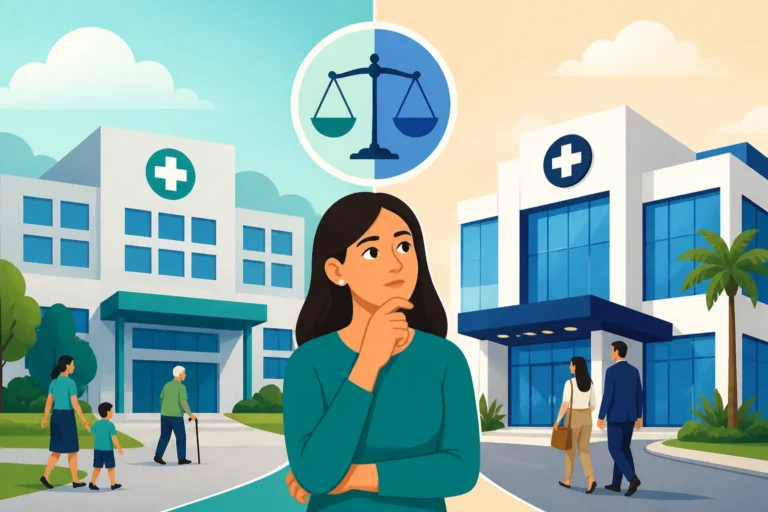
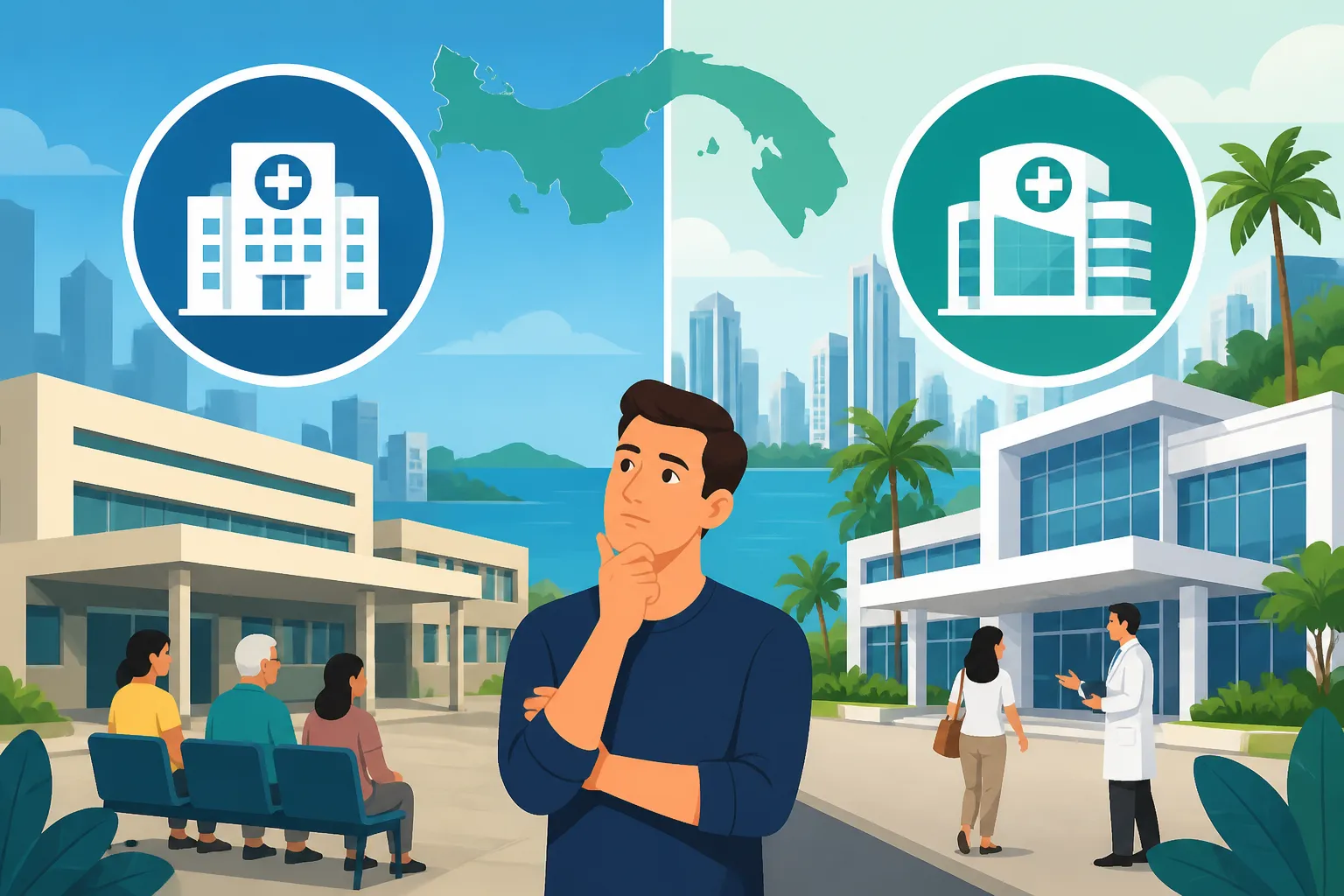
Panama, much like many countries, operates with a dual healthcare system: a public sector and a private sector. For us expats, understanding how both work is crucial because your experience can vary wildly depending on which door you walk through. It's not a simple choice; it's about finding what fits your needs, your budget, and your peace of mind.
The Public System: La Caja de Seguro Social (CSS)
The public healthcare system in Panama is primarily managed by the Caja de Seguro Social (CSS), or the Social Security Fund. If you're legally employed in Panama, you and your employer will be contributing to the CSS, which entitles you to its services. It's designed to provide universal healthcare access to Panamanian citizens and legal residents who contribute to it.
In theory, the CSS covers a wide range of medical services, from general consultations and emergency care to surgeries and prescription medications. There are hospitals and clinics scattered across the country, aiming to serve the entire population. However, the reality on the ground can be a bit different, especially for those of us accustomed to other systems. We're talking about facilities that can range from surprisingly well-equipped in major cities to quite basic in rural areas. The system is often stretched thin, leading to significant wait times for appointments, specialist referrals, and even certain procedures. Bureaucracy can also be a challenge; the paperwork can feel endless, and navigating the system often requires a good grasp of Spanish or a very patient local friend. For detailed insights into the public system, you might want to read more about How Panama's Health System Works: CSS and Private Care Explained (2027).
The Private Sector: Modern Hospitals and Clinics
On the flip side, Panama boasts a robust and modern private healthcare sector, particularly in Panama City. This is where you'll find state-of-the-art hospitals, specialized clinics, and a higher concentration of English-speaking medical professionals. Institutions like Hospital Punta Pacifica, Hospital Nacional, and Clínica Hospital San Fernando are examples of private facilities that attract both locals seeking premium care and medical tourists.
The private sector operates on a fee-for-service basis, meaning you pay directly for the care you receive, or your private health insurance covers it. The advantages are immediately apparent: shorter wait times, appointments often available on the same day or within a few days, a wider choice of specialists, and typically more personalized attention. The facilities themselves are often comparable to those found in North America or Europe, with advanced diagnostic equipment and comfortable patient rooms. For many expats, the private system offers a sense of familiarity and a higher level of comfort and efficiency.
The Expat Experience: Public vs. Private Differences
As an expat, the choice between public and private healthcare isn't just about cost; it's about what you prioritize in terms of access, quality, and overall experience. The differences between the two systems can significantly impact your life here.
Access, Wait Times, and Language Barriers
One of the most immediate and impactful differences you'll notice is in access and wait times. In the public CSS system, securing an appointment can be a test of patience. It’s not uncommon to wait weeks or even months for a routine specialist visit. For non-emergencies, you often need to arrive early in the morning to get a number, and then wait hours to be seen. If you're dealing with a chronic condition or need ongoing specialized care, these delays can be genuinely concerning. Furthermore, while Panama is a Spanish-speaking country, the public system rarely provides English-speaking staff. If your Spanish isn't fluent, you'll need to bring an interpreter, which adds another layer of stress and cost.
In stark contrast, the private sector excels in this area. You can usually call to book an appointment with a general practitioner or specialist within a day or two. Emergency rooms in private hospitals are generally less crowded, leading to faster triage and treatment. Many doctors in private practice, especially in Panama City, are bilingual or have spent time studying abroad, making communication much smoother. This alone is a huge relief for many expats, as struggling to explain symptoms in a medical emergency is nobody's idea of fun.
Quality, Technology, and Specialist Availability
When it comes to the actual quality of care, it's a mixed bag, but the private sector generally comes out ahead, especially concerning technology and specialized services. Public hospitals do have skilled doctors and nurses, but they often contend with older equipment, limited resources, and slower administrative processes. Getting access to cutting-edge diagnostics like MRIs or complex surgical procedures through the CSS might involve a very long wait or require a referral to a specific, often overcrowded, public facility.
Private hospitals, however, consistently invest in modern medical technology and facilities. They offer a broader range of specialist services, from advanced cardiology to sophisticated oncology treatments, often with faster scheduling. For critical or complex conditions, the availability of specialized equipment and highly trained sub-specialists in the private sector can be a lifesaver. This doesn't mean public care is bad, but private care often represents the gold standard in terms of infrastructure and immediate availability of advanced services. You can learn more about how specialists and hospital referrals work in Panama for better understanding.
Costs, Insurance, and Financial Implications
This is where the rubber meets the road for many of us. The CSS, funded by mandatory payroll contributions, is designed to be very low-cost at the point of service. You might pay a nominal fee for certain prescriptions or tests, but major treatments are largely covered. However, if you are self-employed or retired and not contributing to the CSS, you won't be eligible for its services unless you pay into it voluntarily, which can be a bureaucratic headache in itself. Expats who are employed will have CSS deducted from their salaries, but many still opt for private insurance due to the previously mentioned service limitations.
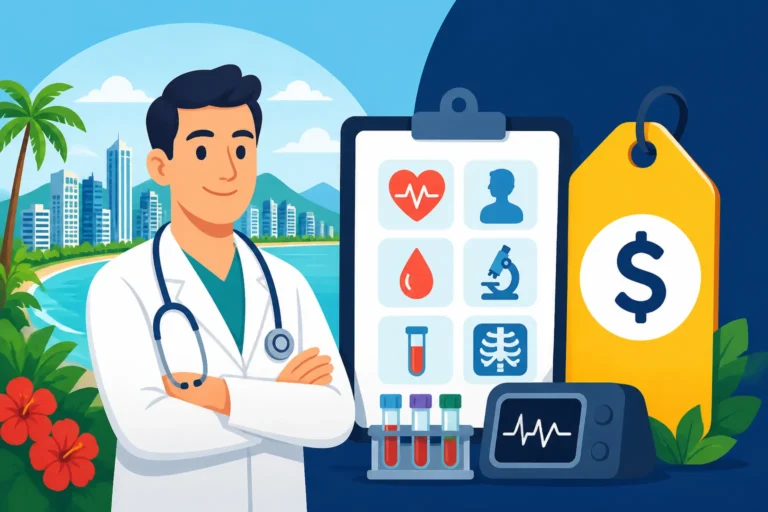
Private healthcare, as you might expect, comes with a higher price tag. A general doctor's visit can range from $30-$60, while specialist consultations might be $60-$120 or more. Procedures, hospital stays, and advanced diagnostics can quickly run into hundreds or thousands of dollars. This is precisely why private health insurance in Panama is not just an option, but a virtual necessity for most expats. International plans like those offered by SafetyWing are popular for their flexibility, especially for digital nomads or those who might travel frequently. Other local private insurers also offer comprehensive plans, often with lower premiums but possibly less coverage for international travel. Without private insurance, even a minor emergency or a short hospital stay could lead to a substantial unexpected bill. Understanding How Much Does Private Health Insurance Cost in Panama in 2026? is a crucial step in your planning.
| Feature | Public Healthcare (CSS) | Private Healthcare |
|---|---|---|
| Eligibility | Employees/employers contributing to CSS; voluntary for some residents | Anyone who can pay or has private insurance |
| Access/Wait Times | Often long waits for appointments, specialists, procedures | Shorter waits, easier appointments, faster service |
| Language | Primarily Spanish; interpreter often needed | Many English-speaking doctors, especially in major cities |
| Facilities | Varies, can be basic; sometimes older equipment | Modern, well-equipped, high-tech hospitals and clinics |
| Specialists | Limited availability, long referral times | Wide range of specialists, easy access |
| Costs | Low out-of-pocket for contributors; significant for non-contributors | Higher out-of-pocket; private insurance is essential |
| Coverage | Broad, but access can be restricted by capacity and wait times | Comprehensive with good insurance; direct payment without insurance |
| Emergency Care | Can be crowded, longer waits for non-critical cases | Generally faster, less crowded, higher standard of care |
Making Your Choice: A Strategic Approach to Panamanian Healthcare
Deciding between public and private healthcare, or even how to combine them, requires a thoughtful approach. There’s no one-size-fits-all answer, and your personal situation will dictate the best strategy.
When the CSS Might Be Right for You
For some expats, particularly those employed by a Panamanian company that faithfully contributes to the CSS on their behalf, the public system can serve as a basic safety net. If you're generally healthy, need only routine check-ups, or have a very tight budget, and your Spanish is proficient enough to navigate the system, the CSS might cover your most basic needs. It's also sometimes utilized for minor issues that aren't urgent or for prescriptions that are readily available.
However, it's important to set realistic expectations. If you anticipate needing frequent medical attention, specific specialist care, or simply value convenience and quick access, relying solely on the CSS can lead to frustration. Think of it as a baseline; it's there, and it's a right if you contribute, but for many expats, it's not the primary go-to for healthcare. Understanding How Do I Register with the CSS in Panama? is the first step if you decide to explore this route.
Why Private Healthcare Is Often the Expat's Lifeline
For the vast majority of expats, private healthcare in Panama quickly becomes their preferred, if not exclusive, option. This is particularly true for retirees, digital nomads, or anyone not formally employed by a Panamanian company. The reasons are numerous and compelling:
- Speed and Efficiency: No one wants to wait weeks for a diagnosis or treatment, especially when feeling unwell.
- Language Comfort: The ability to communicate directly with your doctor in English removes a huge barrier and ensures you fully understand your condition and treatment options.
- Quality and Modernity: Private facilities often match or exceed Western standards, providing reassurance in times of vulnerability.
- Choice of Doctors: You have the freedom to choose your specialists and clinics, allowing you to build a trusted medical team.
- Emergency Care: Private hospitals usually offer quicker and more comprehensive emergency services.
When a medical emergency strikes, knowing you can go to a reputable private hospital like Hospital Nacional or Punta Pacifica without worrying about language or long waits provides immense peace of mind. For those relocating, How to Choose a Hospital in Panama City? is a question you'll want to answer early on.
A Blended Strategy: Getting the Best of Both Worlds
Many savvy expats adopt a hybrid approach, using the CSS for certain basic needs while relying on private care for more significant issues or preferred services. For example, if you are contributing to the CSS, you might use it for routine vaccinations or very simple blood tests, where the wait isn't a major concern. Meanwhile, you'd retain private insurance for specialist visits, dental care, emergency situations, or any instance where speed, comfort, and language are paramount.
This blended strategy allows you to leverage the low cost of certain public services while maintaining access to the higher standards and convenience of the private sector through your insurance. It’s about being pragmatic and understanding the strengths and weaknesses of each system. Just make sure your private insurance, like a comprehensive plan from SafetyWing or a local provider, has clear terms for what it covers and how reimbursements work. Don't forget to look into How to Claim Reimbursement from Private Insurance in Panama.
Essential Healthcare Planning for Expats in Panama
Regardless of which route you lean towards, some fundamental steps are critical for every expat to ensure they're prepared for healthcare in Panama.
The Non-Negotiable Need for Health Insurance
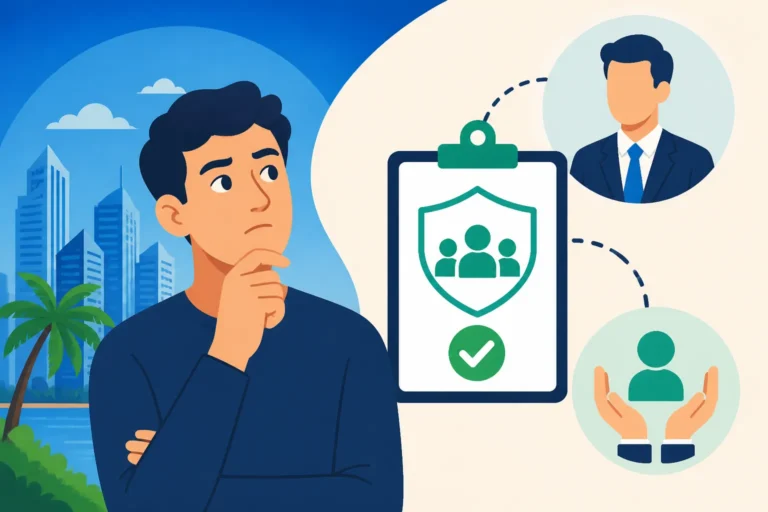
I cannot stress this enough: do not move to Panama without adequate health insurance. Whether you opt for a local private plan or a comprehensive international policy, having coverage is absolutely critical. Without it, you are exposed to significant financial risk. A simple accident or unexpected illness could lead to thousands of dollars in medical bills, which could jeopardize your financial stability in your new home.
When choosing a policy, consider factors like your age, pre-existing conditions, how often you travel outside Panama, and your desired level of coverage. Some expats prefer international plans like SafetyWing for their global coverage and flexibility, especially if they are digital nomads or frequent travelers. Others find local Panamanian private insurance plans to be more cost-effective if their primary concern is coverage within Panama. Always read the fine print, understand deductibles, co-pays, and what's excluded. For those just arriving, knowing How to Buy Private Health Insurance as a Newcomer in Panama is a must.
Finding the Right Doctors and Navigating Referrals
Once you've got your insurance sorted, the next step is building your healthcare team. It's a good idea to identify a general practitioner (GP) or family doctor in the private sector shortly after you arrive, even if you’re healthy. Ask for recommendations from other expats, community groups, or your insurance provider. Many clinics have websites where you can check doctor profiles and specialties.
In Panama's private system, you can often see a specialist directly without a GP referral, though some insurance plans might require it for reimbursement. This offers more direct access to specialized care, which is a huge advantage. For instance, if you have a skin concern, you can typically book an appointment with a dermatologist at a private clinic without going through a general doctor first. However, having a good GP who knows your medical history is invaluable for coordinated care and can provide referrals if needed. Platforms and expat forums are often great resources for finding an English-Speaking Doctor in Panama City.
Disclaimer
The information provided in this guide is for general informational purposes only and does not constitute medical, legal, or financial advice. While we strive to keep the information up-to-date and accurate, healthcare systems and regulations in Panama are subject to change. Always consult with qualified medical professionals, legal advisors, or immigration experts for advice tailored to your specific situation. Reliance on any information in this guide is solely at your own risk.