How Do I Get a Same-Day Sick Note in Panama?
Oh, the infamous sick note dilemma! It’s one of those uniquely frustrating expat hurdles, isn't it? You wake up feeling absolutely dreadful, or perhaps your child does, and suddenly you’re not just battling a fever, but also the bureaucratic maze of a new country just to get a piece of paper. This guide is going to walk you through exactly how to get a same-day sick note, or certificado de incapacidad as it’s known here, in Panama, cutting through the confusion and getting you back to resting as quickly as possible.
Understanding Sick Notes (Certificado de Incapacidad) in Panama
When you're living abroad, even the simplest things like a doctor's note can become a major headache. In Panama, an official sick note is more than just a formality; it's a legal document that can protect your job, your academic standing, or simply excuse you from an important obligation. Knowing what it is and why it's necessary is the first step in navigating the Panamanian healthcare system.
Why You Might Need One
The primary reason most expats seek a certificado de incapacidad is for work. Panamanian labor laws are quite specific about sick leave, and employers usually require official documentation from a licensed medical professional to justify an absence due to illness. Without it, your absence might be considered unauthorized, leading to deductions from your pay or even disciplinary action, depending on your company's policies and the length of your absence. Imagine you wake up with a nasty stomach bug, the kind that makes leaving the bathroom a perilous journey. You call your boss, but they need that official paper. This is where the panic sets in, especially if you're new to the country and haven't quite figured out how things work.
Beyond employment, you might need a sick note for university if you're a student, or even for certain legal processes if your illness prevents you from attending a scheduled appointment. It’s also common for parents to need a note for their children's schools, especially if the school requires proof of illness to excuse an absence or if there are specific public health concerns. The common thread here is that a verbal excuse simply won't cut it in Panama; you need that official stamp and signature.
The Legal Framework for Sick Leave
Panamanian labor law, specifically in the Labor Code, mandates certain protections for employees regarding sick leave. Generally, an employee is entitled to paid sick leave, provided they present a valid certificado de incapacidad issued by a doctor from either the public health system (Caja de Seguro Social, or CSS) or a recognized private medical facility. The specific number of days and how much is paid can vary, but the critical point is the requirement for documentation. For instance, initial sick leave periods might be covered entirely by the employer, while longer periods could involve benefits from the CSS if you are a contributing member. This means that a properly issued sick note isn't just a courtesy; it's a key part of exercising your legal rights as an employee.
It’s important to understand that the system differentiates between short-term incapacitation and long-term illness. For short periods, usually up to a few days, a sick note from a private doctor is generally accepted by employers. However, for extended absences, or if your illness requires prolonged recovery, the CSS often gets involved, and you might need to register with them and follow their specific protocols to ensure continued benefits. This is where things can get a bit more complex, and understanding your entitlements under Panamanian Labour Law can really save you a lot of grief.
Navigating the System: Where to Go for a Same-Day Sick Note
When you're feeling unwell, the last thing you want is a scavenger hunt for medical care. Your choice of where to go will largely depend on how quickly you need that sick note and your comfort with the public versus private healthcare systems in Panama. For same-day service, one option stands head and shoulders above the rest.
Public Healthcare System (CSS) for Sick Notes
The Caja de Seguro Social (CSS) is Panama's public health system, and it provides healthcare services to all contributing residents, including many expats employed by Panamanian companies. Theoretically, you can get a sick note here. However, in practice, obtaining a certificado de incapacidad on the same day through the CSS is often an exercise in patience that few unwell individuals possess. Walk-in clinics within the CSS system, or even scheduled appointments at polyclinics, typically involve long wait times. You could spend hours, sometimes half a day or more, just to see a doctor. This is due to the high patient volume and the inherent bureaucratic processes that, let's be honest, can be a challenge even when you're feeling 100%.
Language barriers can also be a significant issue in the public system. While some staff may speak English, it's not guaranteed, especially outside of Panama City's more international areas. Trying to explain your symptoms and the urgency of a sick note in Spanish while feeling ill can be incredibly stressful. So, while the CSS is a vital part of the healthcare infrastructure here, for a same-day sick note, it’s usually not the most practical or efficient option for an expat. You might want to understand more about How Panama's Health System Works: CSS and Private Care Explained to get a full picture.
Private Clinics and Hospitals for Quick Service
Now, if you need that sick note today, private clinics and hospitals are your absolute best bet. This is where Panama truly shines for expats seeking quick, efficient medical attention. Panama City, in particular, boasts numerous top-tier private hospitals and countless smaller clinics that offer same-day appointments, and often, walk-in services for general consultations. These facilities are designed with patient convenience in mind, and they understand the need for prompt documentation. You'll typically find English-speaking staff, modern equipment, and significantly shorter wait times.
Hospitals like Hospital Punta Pacífica, Hospital Nacional, and Centro Médico Paitilla in Panama City are renowned for their excellent service. Many have dedicated urgent care or walk-in clinics that operate like a well-oiled machine. For example, if you head to an outpatient clinic in a private hospital in the morning, chances are you'll be seen by a doctor, get your diagnosis, and walk out with a signed certificado de incapacidad within an hour or two. These clinics often have their own pharmacies too, making it a one-stop-shop for your medical needs. Even in larger towns outside the capital, such as David or Chitré, you'll find reputable private clinics offering similar services, albeit perhaps with fewer English-speaking staff. This is also where understanding Public vs Private Healthcare in Panama: What Expats Need to Know becomes crucial.
Online Consultations and Telehealth Options
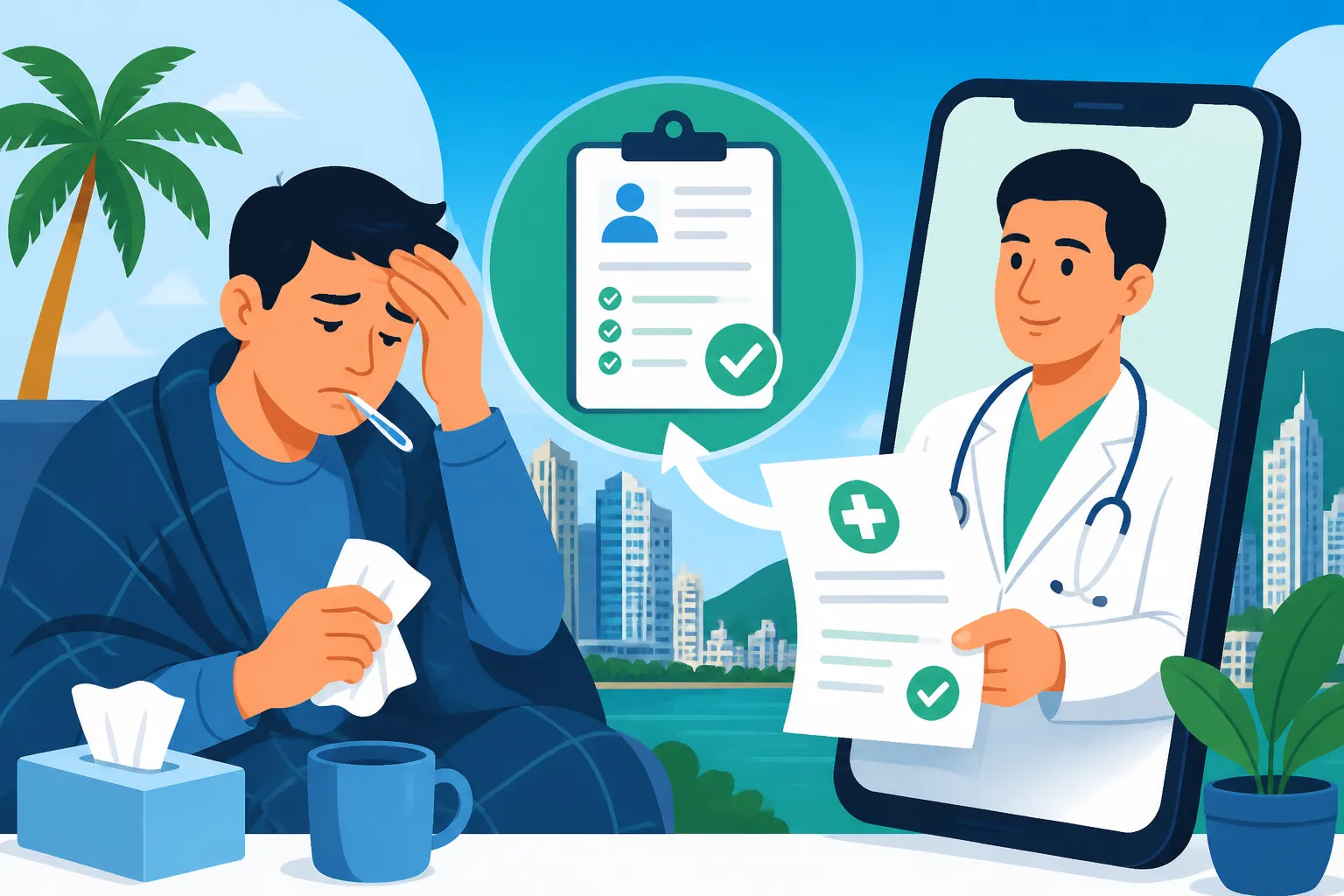
The landscape of healthcare is always evolving, and Panama is no exception. Telehealth and online consultations have become increasingly popular, especially after recent global health events. Several private providers in Panama now offer virtual doctor visits, which can be incredibly convenient when you're too sick to leave the house. The process usually involves booking an appointment online, having a video call with a licensed Panamanian doctor, and then, if deemed medically appropriate, receiving your sick note via email or a secure portal. This can be a game-changer for getting a same-day sick note without the added stress of commuting when you’re unwell.
However, there are a few things to keep in mind. First, not all conditions can be diagnosed or treated effectively via telehealth. If the doctor determines you need a physical examination, they will refer you to an in-person clinic. Second, ensure the telehealth provider is legitimate and that the certificado de incapacidad they issue is recognized by your employer or institution. Most reputable private clinics now offer telehealth as part of their services, so checking with them directly is always a good idea. This option can also be fantastic if you're traveling or simply unable to make it to a physical location, offering a flexible way to access care.
The Step-by-Step Process to Get Your Sick Note
Once you've decided on the best place to go (likely a private clinic or hospital for same-day service), understanding the practical steps will make the experience much smoother. It's not as daunting as it sounds, especially if you're prepared.
What to Expect During Your Consultation
When you arrive at a private clinic or hospital for a general consultation, the first step will be registration. You’ll provide your personal details, and if you have private health insurance, they will ask for your policy information. Once registered, you'll likely have a brief wait before being called in to see the doctor.
During the consultation, the doctor will ask about your symptoms, when they started, and any relevant medical history. Be as clear and concise as possible, even if you’re translating. They may perform a basic physical examination, take your temperature, check your blood pressure, or listen to your lungs, depending on your symptoms. This is their opportunity to assess your condition and determine if a certificado de incapacidad is medically justified. Don't be shy about stating upfront that you require a sick note for work or school. Often, they will ask if you need one, but it’s always better to make your needs clear from the beginning. They might also prescribe medication, so be prepared to discuss that. Knowing How to Find an English-Speaking Doctor in Panama can significantly ease this process if your Spanish isn't fluent.
Necessary Documents and Information
Being prepared with the right documents can save you a lot of time and hassle. Here’s a quick checklist of what you should typically bring to your doctor's visit:
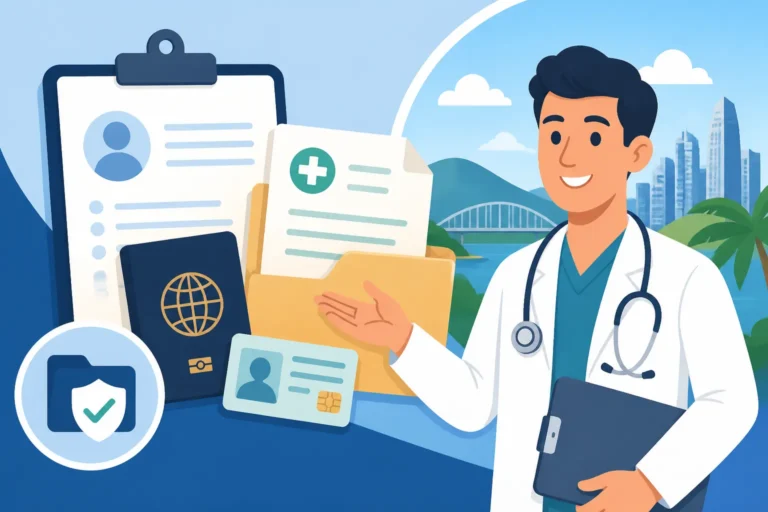
- Your Passport or Panamanian Cédula: This is your primary form of identification. If you have a cédula, it's always preferred.
- Health Insurance Card/Information: If you have private health insurance, bring your card or policy details. This includes international health insurance. Even if you're relying on travel insurance like SafetyWing, have your policy number and contact information readily available. Some clinics might need to verify your coverage before your appointment, or you'll pay upfront and claim reimbursement later.
- Contact Information: Your local phone number and possibly your employer’s contact information, just in case.
- Payment Method: While many private clinics accept credit cards, it's always a good idea to have some cash on hand for smaller fees or if their card machine is down – it happens!
- Medical History (if relevant): If you have a chronic condition or are on regular medication, it helps to have a brief summary or a list of your medications.
Make sure you have all these readily accessible. A common expat frustration is being sent away just because a single document is missing, so double-check before you leave your home. For a broader overview of what documents are generally needed, refer to What Documents Do I Need to See a Doctor in Panama?
Receiving and Understanding Your Sick Note
Once the doctor has examined you and determined you are indeed incapacitated, they will issue the certificado de incapacidad. This document is usually a standardized form, often pre-printed by the clinic or hospital, and will contain several key pieces of information:
- Your Full Name and Identification Number: This will match your passport or cédula.
- Date of Consultation and Issuance: The day you saw the doctor.
- Diagnosis: The medical reason for your incapacitation. This is usually in Spanish.
- Recommended Days of Incapacitation: The period for which you are excused from work or other obligations. This is the crucial part for your employer.
- Doctor’s Name, License Number, and Signature: Essential for the validity of the note.
- Clinic/Hospital Stamp: An official seal or stamp from the medical facility.
It’s crucial to review the sick note before you leave the clinic. Check that all your details are correct, the dates are accurate, and the number of days you've been granted off aligns with what was discussed with the doctor. If anything looks incorrect or unclear, ask for clarification or a correction immediately. If your employer requires an English translation, you’ll be responsible for obtaining one, as the notes are always issued in Spanish. Keep the original document safe, as photocopies might not always be accepted as official.
Costs, Insurance, and Key Considerations
Money matters, especially when you're unexpectedly ill. Understanding the costs and how your insurance factors in can alleviate a lot of stress during an already difficult time.
Cost Breakdown for Doctor Visits and Sick Notes
The cost of seeing a doctor in Panama, especially in the private sector, is generally much more affordable than in North America or Western Europe. For a general consultation at a private clinic, you can expect to pay anywhere from $30 to $80 USD. Specialist consultations might be a bit higher, ranging from $60 to $100+. The good news is that the cost of the certificado de incapacidad itself is usually included in the consultation fee, or if charged separately, it's a minimal additional cost.
For example, a walk-in visit to a clinic in El Cangrejo, a popular expat neighborhood in Panama City, might run you about $50-$60 for a quick consultation and the sick note. If you were to try and get this through the public CSS system, the cost would be minimal, perhaps just a few dollars for an administrative fee, but as discussed, the wait times make it impractical for a same-day need. This relatively low out-of-pocket cost is one of the reasons many expats opt for private care even if they have access to the public system.
Using Your Health Insurance (Private and Travel)
This is where your planning ahead truly pays off. If you have private health insurance in Panama, whether it's a local plan or an international one, your doctor's visit and the issuance of a sick note will likely be covered, subject to your deductible and co-pay. Most private clinics and hospitals work directly with major insurance providers, allowing for a seamless billing process where you only pay your co-pay. Always confirm with the reception desk when you check in how your specific insurance plan is handled. Some plans, especially international ones, might require you to pay upfront and then submit a claim for reimbursement.
For those on short trips or without a long-term private plan, travel insurance, such as SafetyWing, can be a lifeline. Travel insurance primarily covers medical emergencies and urgent care while you're abroad. If your illness requires a doctor's visit and leads to the need for a sick note, the consultation fee would likely be covered under the medical benefits of your SafetyWing policy, again, subject to your policy's terms, deductibles, and claim procedures. It's crucial to understand that while SafetyWing and similar travel insurance plans will cover the medical cost of the visit, they aren't directly involved in the issuance of the sick note itself—that's the doctor's responsibility. You’ll need to keep all receipts and the original sick note to submit your claim. Always check the specifics of your plan before seeking care to avoid surprises. Understanding Private and International Health Insurance Options Explained can provide more context on how to best utilize your coverage.
Here's a quick comparison of obtaining a sick note through public vs. private channels:
| Feature | Public System (CSS) | Private Clinics/Hospitals |
|---|---|---|
| Cost | Very Low (e.g., $1-$5 administrative fee) | Moderate (e.g., $30-$80 for consultation, sick note included) |
| Same-Day Service | Highly Unlikely (long wait times, bureaucracy) | Very Likely (walk-in options, efficient scheduling) |
| English-Speaking Staff | Rare (hit or miss, expect to use Spanish) | Common (especially in major cities/hospitals) |
| Documentation Quality | Official certificado de incapacidad | Official certificado de incapacidad |
| Insurance Acceptance | CSS membership required | Private Panamanian & International plans (e.g., SafetyWing for visit cost) |
| Convenience | Low (long queues, multiple visits sometimes needed) | High (streamlined process, often one-stop for meds) |
Tips for a Smooth Process
Navigating medical care in a foreign country is never entirely stress-free, but a few pointers can definitely help make the process smoother:
- Go Early: If you're heading to a private clinic for a walk-in appointment, try to get there right when they open. This significantly reduces your wait time.
- Bring a Local Friend: If your Spanish isn't strong, having a Spanish-speaking friend or colleague with you can be invaluable for translating symptoms and asking questions.
- Have Cash Ready: Even if you plan to use a card or insurance, having some cash (U.S. dollars) is always a good backup for small fees or if technology fails.
- Communicate Clearly: Don't hesitate to clearly state why you're there and what you need (e.g., "Necesito un certificado de incapacidad para el trabajo").
- Confirm Validity: Before leaving, ensure the sick note is correctly filled out, signed, and stamped. Ask if there are any specific local employer requirements you should be aware of.
- Understand Your Insurance: Know your deductible, co-pay, and reimbursement process before you're sick. If you have a plan like SafetyWing, understand what is covered for outpatient visits and what documentation they require for claims.
By following these steps and being prepared, getting a same-day sick note in Panama is entirely manageable, allowing you to focus on what's truly important: feeling better. And remember, for more in-depth information about the broader healthcare landscape, articles like The Complete Guide to Healthcare in Panama for Expats (2026) and How to Choose Private Health Insurance in Panama (2026) are fantastic resources. You might also find useful advice in Navigating the Panamanian Healthcare System: An Expat's Roadmap (2026) and How to Find and Register with a Doctor in Panama.
Disclaimer
The information provided in this guide is for general informational purposes only and does not constitute medical, legal, or financial advice. While we strive to keep the information up-to-date and correct, Panama's laws, regulations, and healthcare practices can change. Always consult with a qualified medical professional for health concerns, a legal expert for immigration and labor law matters, and a financial advisor for insurance and financial planning. Specific experiences may vary depending on individual circumstances and locations within Panama.