How Do I Transfer My Medical Records to a New Clinic in Panama?
One of the biggest anxieties when you move to a new country, especially when it comes to something as personal and critical as your health, is how on earth you're going to keep your medical history straight. Panama, with its unique blend of modern facilities and old-school bureaucracy, can feel like a labyrinth when you’re trying to move your sensitive health records from one doctor to another, let alone from another country. This guide is here to walk you through the process, offering practical advice and empathetic insights for expats navigating the Panamanian healthcare system.
The Initial Hurdles of Navigating Medical Records in a New Country
Let's be honest, moving your life across borders is tough enough without the added stress of wondering if your new doctor will understand your medical history. Many expats arrive in Panama expecting a seamless, digital transfer of records, similar to what they might have experienced back home. The reality, however, often involves a bit more legwork, patience, and sometimes, a healthy dose of charm. It’s not always a straightforward digital process, and that can be a real source of frustration.
Why Traditional Methods Often Fall Short in Panama
In many parts of the world, electronic health records (EHRs) are the norm, allowing for quick, secure transfers between healthcare providers with just a few clicks. Panama, while boasting excellent private hospitals and clinics, doesn't always operate on this kind of interconnected digital infrastructure. You might find that your previous clinic in Panama, or even your doctor back home, has records in a format that isn't easily shared or recognized here. This isn't a reflection of the quality of care, but rather the differing administrative approaches.
Imagine you've been seeing a family doctor for years, and they have everything from your childhood vaccination records to your recent blood tests neatly filed in their system. When you switch doctors within Panama City, or move from Chiriquí to Herrera, you can't just expect that information to magically appear in your new clinic's system. Often, clinics operate independently, and there isn't a national, unified patient record system that allows for instant data sharing. This means you, the patient, often become the primary custodian and courier of your own medical history, which can feel daunting, especially if you have complex health needs.
Furthermore, if you're coming from abroad, the challenge is even greater. Your medical records from your home country might be in a language other than Spanish or English, and even if they are in English, the format might be unfamiliar to Panamanian doctors. It’s not uncommon for expats to arrive here with a stack of papers, only to find that their new doctor wants them to redo tests or provide more detailed, translated reports. This can feel like a step backward, but understanding this reality upfront can help you prepare and manage your expectations.
Understanding the Language Barrier and Bureaucracy
Beyond the technological aspect, the language barrier can add another layer of complexity. While many doctors in major private clinics in Panama City, like those at Hospital Punta Pacifica or Hospital Nacional, speak excellent English, their administrative staff might not. When you're trying to explain what specific records you need, or detailing the sensitive nature of your health history, it can be tough to bridge that communication gap. This is where having a basic grasp of Spanish, or bringing along a trusted bilingual friend, can make a huge difference.
Panamanian bureaucracy, while often well-intentioned, can also be a slow-moving beast. Requesting records might involve filling out physical forms, waiting for approvals, and multiple follow-up calls. It's not always as simple as sending an email and expecting an immediate reply. Expats often express frustration with the "mañana" culture, where things get done when they get done, and direct answers aren't always readily available. This isn't unique to healthcare, of course, but when it's your health on the line, the stakes feel much higher. You might find yourself needing to be persistent, polite, and prepared to visit offices in person to get things moving. This is also why understanding the general Navigating the Panamanian Healthcare System: An Expat's Roadmap (2027) is so beneficial early on.
Step-by-Step Guide to Transferring Your Records to a New Panamanian Clinic
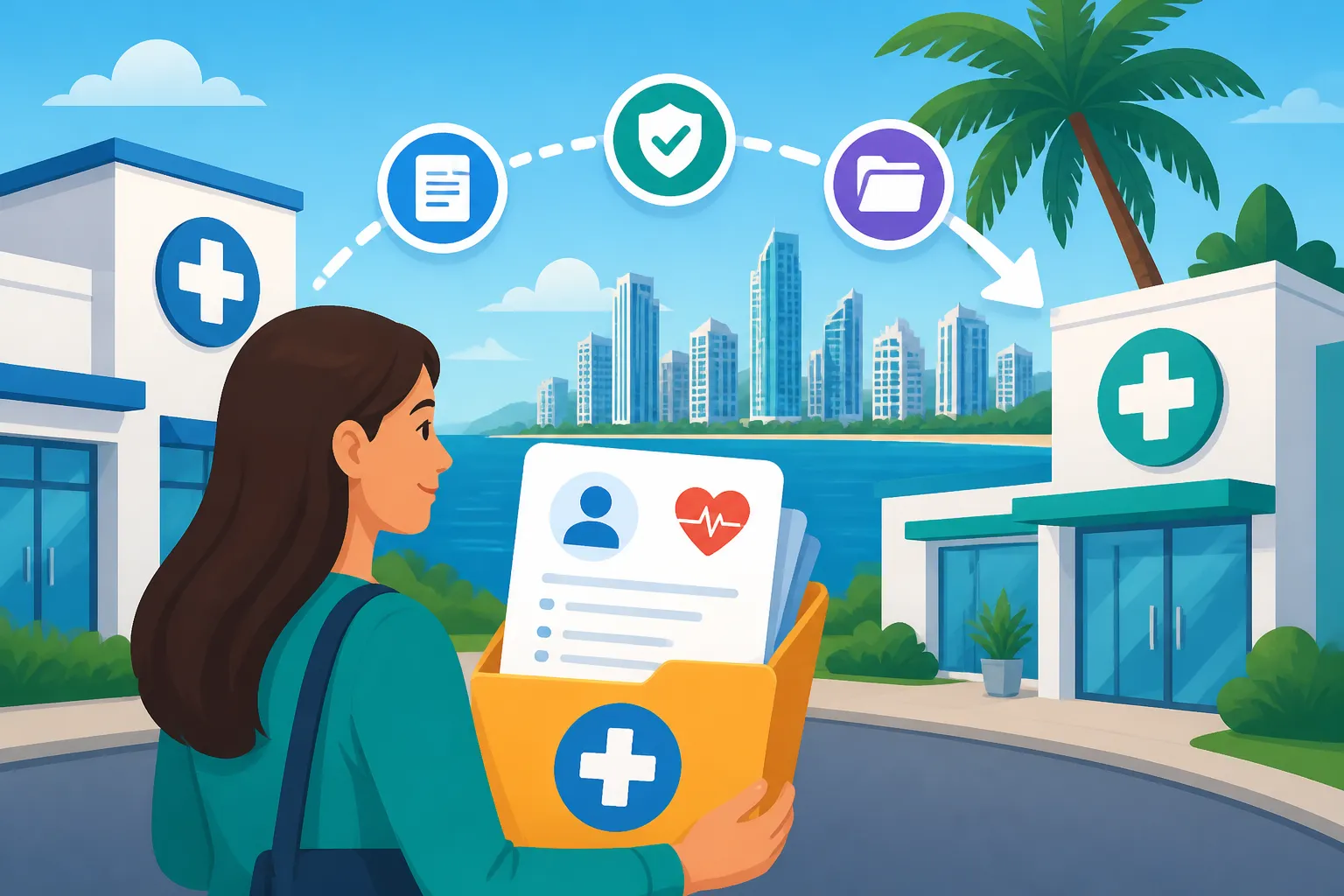
Okay, so you understand the hurdles. Now, let’s talk about how to actually get your precious medical history from point A to point B in Panama. The key here is proactivity, organization, and a healthy dose of patience. Think of yourself as your own medical record manager – because, in Panama, you often are.
Gathering Your Existing Records Foreign and Local
The first step, whether you’re coming from another country or just switching clinics within Panama, is to gather everything you have. This means digging out old medical reports, vaccination cards, prescription lists, and any specialist consultation notes. Don’t assume anything is too old or irrelevant; a comprehensive history is always better.
If you’re transferring records from your home country, try to obtain digital copies wherever possible. Many healthcare providers abroad can export your records into a PDF format. If available, secure an official medical summary from your primary care physician, detailing diagnoses, treatments, allergies, and current medications. Crucially, ask your previous doctors for the actual test results (blood work, imaging scans, biopsy reports) rather than just summaries, as Panamanian doctors may want to review the raw data. If these documents are not in Spanish or English, seriously consider having key documents translated by a certified translator. While not always strictly required, it can significantly ease the process for your new Panamanian doctor and reduce the need for repeat testing. This is particularly important for chronic conditions or complex medical histories.
For records from a previous Panamanian clinic, the process is usually simpler, but still requires effort. You’ll need to formally request them.
Requesting Records from Your Previous Panamanian Provider
So, you've decided on a new doctor, perhaps after reading our guide on How to Choose and Register with a Doctor or Clinic in Panama. Now it's time to get your records from your old one. You’ll need to contact your previous clinic or hospital directly. Usually, this means visiting their administrative office in person or calling them. Be prepared to provide:
- Your Cedula or Passport: For identification.
- Your Full Name and Date of Birth: To locate your file.
- Dates of Service: The timeframe for which you need records.
- Specific Records Needed: Be clear if you need general consultation notes, specific lab results, imaging reports (like X-rays or MRI scans), or a full medical summary.
Many clinics will require you to fill out a "solicitud de expediente médico" (medical record request form). There might be a small administrative fee for copying the records. Panamanian law typically grants patients the right to access their medical records, but the process can take a few days to a few weeks, depending on the clinic's internal procedures and how quickly they can process your request. Don't be shy about following up politely if you haven't heard back within a reasonable timeframe. It's also worth noting that if you’re collecting Prescription Medications and Pharmacies in Panama: The Complete Guide, having your latest prescription history from your old doctor is incredibly helpful.
Presenting Your Records to Your New Doctor
Once you have your hands on your records – congratulations, that’s a big step! – the next crucial phase is to present them effectively to your new doctor. When you have your first appointment with your new Panamanian healthcare provider, bring all of your collected medical records with you. It’s wise to organize them clearly, perhaps in chronological order or by category (e.g., lab results, specialist reports, medication list).
During your consultation, clearly explain that you have your previous medical history and offer to share it. Many doctors will prefer to review the documents themselves, sometimes even making copies for their own files. Be prepared to discuss your health history in detail, even if you’ve provided extensive documentation. Doctors often like to hear it directly from you to get a full picture. If you have any specific concerns or current medications, make sure these are highlighted. This is where having key information readily available can be invaluable for the doctor to understand your needs, especially if you have particular ongoing health requirements or need to discuss Understanding Out-of-Pocket Healthcare Costs and Co-Pays in Panama for future visits.
Important Considerations and Best Practices for Expats
Navigating medical care as an expat in a new country always comes with a learning curve. Beyond the direct transfer of records, there are a few important considerations and best practices that can make your healthcare journey in Panama smoother. Think of these as ways to empower yourself in a system that might not always operate like the one you're used to.
Digital vs. Physical Records: What to Expect
While the trend globally is towards digital, you'll find a mix in Panama. Modern, private hospitals like Hospital Paitilla or Centro Médico Nacional are often quite digitalized, maintaining electronic patient files and even offering patient portals where you can view some results. However, smaller clinics, independent doctors, or older practices might still rely heavily on physical paper files.
What does this mean for you? It means being prepared for both. Always keep your own digital copies of important medical documents – scan everything into PDFs and keep them on a secure cloud storage or a USB drive. This way, if a physical record goes missing (which, let's be real, can happen anywhere), you have a backup. Also, maintaining a physical folder with printed copies of your most critical records is a good idea. This is especially true for your What Documents Do I Need to See a Doctor in Panama?. When you move, or even just switch clinics, having these readily accessible prevents delays and repeated tests. Don't rely solely on one clinic to maintain your comprehensive history; take an active role in managing your own data.
The Importance of Communication and Follow-Up
In Panama, like in many Latin American countries, personal relationships and direct communication often go a long way. If you have questions about your records, or if there's a delay in obtaining them, don't hesitate to follow up. A polite phone call or a personal visit to the clinic's reception can often resolve issues faster than waiting for an email reply. Be respectful and patient, but also persistent.
When speaking with your new doctor, be as clear and comprehensive as possible about your medical history. Don't assume they'll glean everything from a stack of papers. Explain any ongoing conditions, allergies, and current medications in detail. If you have complex issues, consider bringing a written summary of your health conditions and the history of treatments. Many doctors in private practices are very thorough and appreciate this level of patient engagement. Clear communication about your needs can also help clarify aspects of your Health Insurance in Panama: Private and International Options Explained.
When to Consider International Health Insurance for Seamless Transitions
Having robust health insurance can also significantly smooth your transition and provide peace of mind. While local Panamanian plans exist, many expats opt for international health insurance. Companies like SafetyWing offer flexible plans designed for digital nomads and expats, which can be incredibly useful not just for coverage but also for navigating international healthcare systems. An international plan might include services like telehealth, medical evacuation, and assistance with finding English-speaking doctors, which can be invaluable when you’re dealing with medical record transfers or urgent care in a new country.
For instance, if you're in the process of transferring records and suddenly need to see a specialist, having a comprehensive plan can alleviate financial stress. Furthermore, some international policies, particularly those focused on global travel, might have resources that can assist with understanding medical requirements or even help you communicate with different healthcare providers. This is definitely something to look into, especially as part of understanding The Complete Guide to Healthcare in Panama for Expats (2027). While not directly involved in transferring records, having a good plan, like those offered by SafetyWing, provides a safety net that can make the whole expat experience less stressful, covering emergencies and helping with How to Claim Reimbursement from Private Insurance in Panama. It means you're prepared for unexpected medical needs while you sort out your long-term care strategy.
Common Pitfalls and How to Avoid Them
Even with the best preparation, you might encounter some bumps in the road when dealing with medical records in Panama. Knowing these common pitfalls ahead of time can help you either avoid them entirely or navigate them with greater ease, minimizing stress and ensuring you get the care you need.
Lost Documents and Data Privacy Concerns
It's an unfortunate reality, but paper records can get lost. In a busy clinic, a misplaced folder isn't unheard of. This is precisely why creating your own comprehensive digital and physical backups is so critical. Think of your backup as your personal "medical fortress." Don't rely solely on any single clinic to hold the only copy of your vital health history. Make multiple copies of important documents – your lab results, specialist diagnoses, medication lists – and keep them secure.
Regarding data privacy, while Panamanian law does protect patient confidentiality, the systems for electronic data transfer might not be as robust or interconnected as in some other countries. Be cautious about sharing sensitive information via unsecured email or messaging apps. When transferring digital files, ensure you're using secure methods or delivering them in person on an encrypted USB drive. Always be mindful of who you're sharing your information with and ask about their data handling policies, especially if you're engaging with smaller, less formalized practices. This proactive approach ensures your sensitive information remains protected.
Navigating Specialist Referrals with Incomplete Records
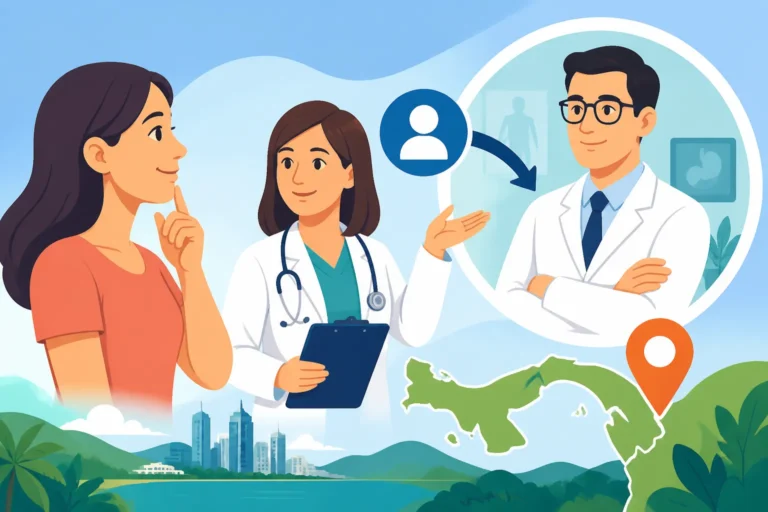
One of the most frustrating scenarios for an expat is needing to see a specialist but having incomplete or scattered medical records. Imagine you’ve moved to Panama and develop a new symptom that requires a gastroenterologist, but all your previous relevant test results are stuck in a foreign medical system or with an old Panamanian clinic that's slow to respond. Your new general practitioner might be hesitant to make a definitive referral or to start new treatments without a full picture. This can lead to delays in diagnosis and treatment, and potentially, the need for expensive repeat tests.
To avoid this, ensure your initial GP in Panama receives as complete a medical history as possible. This includes any past specialist reports, imaging results, and a clear list of all medications you've ever taken for specific conditions. If you know you have ongoing conditions that might require specialist care, try to get a referral from your primary care doctor before you need it in an emergency. Being proactive with your general practitioner to consolidate your history, perhaps by showing them your detailed records, will equip them to make accurate and timely referrals. Companies like SafetyWing, which provide robust expat medical insurance, can sometimes offer support in navigating specialist networks, which can be particularly helpful if your local GP is having trouble getting the complete picture. Having clear records ensures that when you do get to see a specialist, they have all the information they need to provide effective care without redundant procedures. For more on this, check out our guide on Understanding Private Health Insurance Plans in Panama.
| Step | Description | Required Documents (Examples) | Tips |
|---|---|---|---|
| 1. Gather Existing Records | Collect all available medical documents from past providers (both foreign and local). | Medical Summaries, Lab Results, Imaging Reports, Vaccination Card, Prescription List, Specialist Notes | Start early! Scan all documents to create digital backups. Consider certified translations for key foreign documents if not in Spanish or English. |
| 2. Formal Request from Previous Clinic | Contact your old Panamanian clinic/hospital's administrative office. | Cedula/Passport, Full Name, Date of Birth, Dates of Service, Specific Records Requested | Be prepared to fill out a form and potentially pay a small administrative fee. Follow up politely if there are delays. |
| 3. Organize Records | Arrange all collected records in a clear, logical manner (e.g., chronological, by medical condition, or by document type). | Digital copies (PDFs on a USB/cloud), Physical folder with printouts | Keep your primary care doctor's summary at the very front. Make sure medication lists are current and legible. |
| 4. Present to New Doctor | Bring all organized records to your first appointment with your new Panamanian doctor. | All gathered documents (digital and physical) | Explain your medical history clearly, even with documents. Allow the doctor time to review. Offer to leave copies or have them scanned by the clinic. |
| 5. Follow Up & Update | Ensure your new clinic integrates your records into their system. Keep your personal backups updated with any new test results or consultations. | New lab results, consultation notes from your new doctor | Request copies of any new tests or reports for your personal file. Regularly update your digital health summary. |
Disclaimer
The information provided in this guide is for general informational purposes only and does not constitute medical, legal, or professional advice. While we strive to provide accurate and up-to-date information, healthcare regulations and practices in Panama can change. Always consult with a qualified Panamanian healthcare professional or legal expert for advice tailored to your specific situation. We are not responsible for any actions taken based on the information in this guide.