What Hospitals Have International Departments in Panama City?
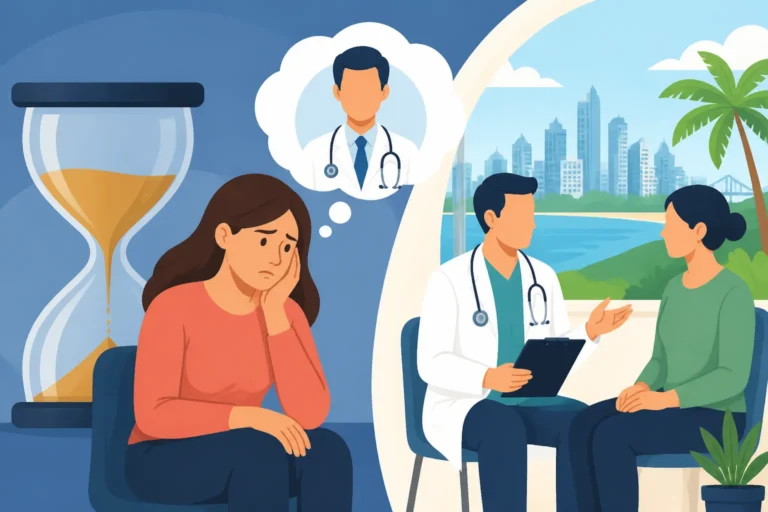
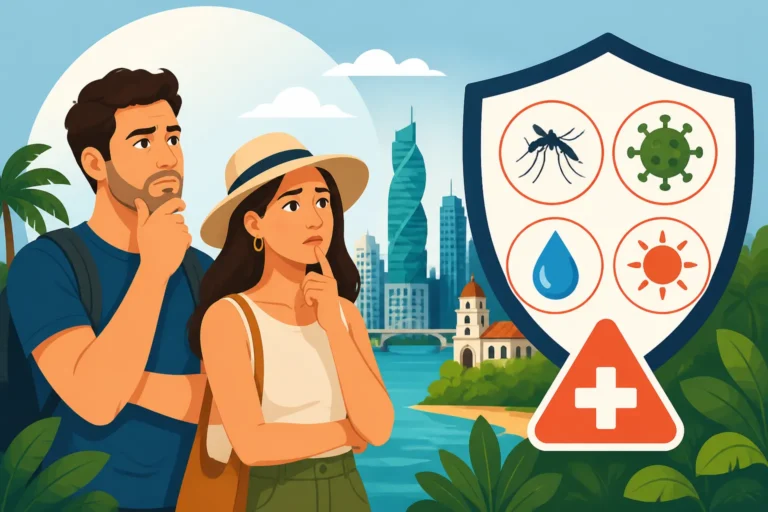
Moving to a new country like Panama, one of the biggest anxieties for many of us expats is navigating the healthcare system, especially when a serious medical issue arises. The fear of language barriers, unfamiliar procedures, and simply not knowing where to turn can be overwhelming. This guide is here to shed some light on the hospitals in Panama City that understand these concerns and offer dedicated services, or entire departments, specifically designed to support international patients like us.
Why Dedicated International Departments Are a Lifesaver for Expats
When you're settling into life in Panama, the last thing you want to worry about is a medical emergency where you can't properly communicate your symptoms or understand the treatment plan. It's a very real concern, and it's why dedicated international departments in hospitals are such a comfort to the expat community. They act as a crucial bridge, helping to smooth over many of the challenges foreigners face in a local healthcare setting.
Communication Beyond Spanish: A Breath of Fresh Air
Let's be honest, even if your Spanish is pretty good for ordering a café con leche or haggling at the market, trying to describe a persistent ache or a complex medical history in a language that isn't your mother tongue is an entirely different beast. The stress alone can make you feel worse. This is where international departments truly shine. They often have dedicated staff, including doctors, nurses, and administrative personnel, who are fluent in English and often other major languages.
Imagine walking into an emergency room, feeling unwell, and being able to explain everything clearly, without the need for a translation app or a frantic call to a bilingual friend. They can interpret not just words, but nuances, cultural expressions of pain, and specific medical terms you're used to from back home. It takes a huge weight off your shoulders, allowing you to focus on getting better rather than on communication struggles. This seamless interaction is invaluable, particularly when discussing sensitive health matters or complex diagnoses, ensuring you fully grasp every aspect of your care.
Familiarity and Cultural Comfort in a Foreign Setting
Beyond just language, international departments are often set up with an understanding of what foreign patients expect from their healthcare experience. This isn't about being picky; it's about comfort and trust in an already vulnerable situation. You might be accustomed to a certain doctor-patient dynamic, specific levels of transparency, or particular administrative processes from your home country. While Panama's private healthcare system is excellent, it does have its own way of doing things, and sometimes those subtle differences can lead to confusion or anxiety.
These departments strive to minimize that cultural gap. They often have experience dealing with diverse international insurance providers, understanding the paperwork required, and even anticipating questions you might have about local medical practices. It’s like having a guide who speaks your language, both literally and figuratively, making the entire experience less daunting. For expats navigating a new country, this small touch of familiarity can make all the difference, providing peace of mind during potentially stressful health situations.
Navigating Complex Systems: From Referrals to Reimbursements
One of the trickiest parts of healthcare in any new country is figuring out the administrative maze. How do specialist referrals work in Panama? What documents do you need to see a doctor in Panama? How do you handle billing with an international insurance plan? These are the kinds of questions that can stump even seasoned expats. International patient services are specifically designed to help you through these intricacies.
They can assist with scheduling appointments with specialists, explaining local procedures for diagnostic tests, and most importantly, liaising directly with your private or international health insurance company. This is a huge benefit, as dealing with insurance claims in a foreign country can be a bureaucratic nightmare. Having a dedicated team to help you understand out-of-pocket healthcare costs and co-pays in Panama, manage the paperwork, and ensure timely reimbursements can save you countless hours of frustration and potential financial headaches. They essentially act as your advocate, ensuring your focus remains on your health, not the paperwork.
Key Hospitals in Panama City with Exceptional International Patient Services
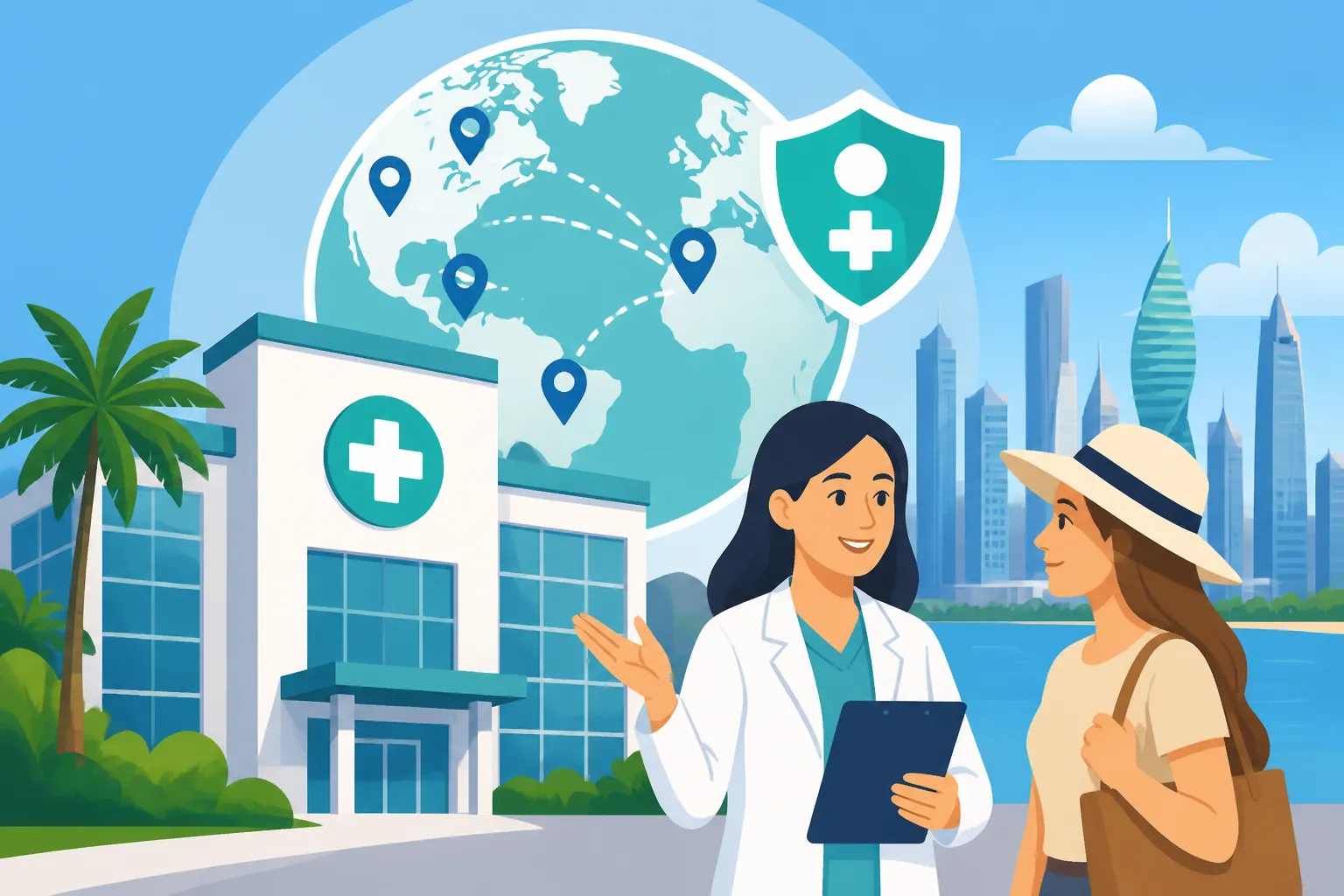
Panama City boasts several modern, well-equipped hospitals that are popular with expats and medical tourists alike. Among them, a few stand out for their robust international patient services, making them go-to choices for those seeking high-quality care with an added layer of expat-friendly support.
Hospital Punta Pacífica: A Hub for International Care
Hospital Punta Pacífica is often the first name that comes to mind when expats talk about healthcare in Panama City. Affiliated with Johns Hopkins Medicine International (though this affiliation ended in 2021, its legacy of high standards remains), it maintains a reputation for cutting-edge technology, state-of-the-art facilities, and a strong commitment to international patient care. It's located in the swanky Punta Pacífica neighborhood, making it easily accessible from many expat-heavy areas.
Their approach to international patients is comprehensive. You'll find a wide range of specialized services, from cardiology and oncology to orthopedics and advanced diagnostics. The staff are accustomed to dealing with foreign patients, and you'll generally find English speakers readily available, especially within their dedicated international patient services or information desks. Many expats choose Punta Pacífica for routine check-ups, specialist consultations, and emergency care due to its perceived higher standards and the ease of communication. This institution consistently strives to provide top-tier medical services, ensuring a comfortable and professional experience for everyone.
Hospital Nacional: Long-Standing Excellence with Expat Experience
Hospital Nacional is another prominent private hospital in Panama City that has a long history and a strong reputation within the local and international community. Situated in the heart of the city, it offers a broad spectrum of medical services and boasts a team of highly qualified specialists across numerous fields. While perhaps not as overtly "international" in its branding as Punta Pacífica, its experience serving a diverse clientele for decades means its staff are very familiar with the needs of foreign patients.
You'll find many English-speaking doctors and nurses here, particularly if you ask for them. The hospital has invested heavily in modernizing its facilities and equipment, ensuring that patients receive contemporary medical care. Many expats appreciate Hospital Nacional for its consistent quality and a slightly more "local" yet still premium feel, often finding that costs can be a little more competitive for similar services compared to other top-tier private hospitals. It’s a solid choice for those seeking reliable, comprehensive care in a well-established institution.
Centro Médico Paitilla: Modern Facilities and Patient-Centric Approach
Centro Médico Paitilla, located in the Paitilla area of Panama City, is another excellent private hospital frequently recommended to expats. It’s known for its modern infrastructure, comfortable patient rooms, and a strong focus on patient-centered care. Like the other top private hospitals, it offers a full range of medical and surgical specialties, supported by advanced diagnostic and treatment technologies.
The hospital has a good track record of serving international patients, and while they may not have a "department" explicitly named "International Patient Services" in the same way some larger facilities do, their staff are generally well-prepared to assist non-Spanish speakers. You can often find English-speaking administrative staff and medical professionals who can guide you through the process, from appointment booking to discharge. Many expats find Paitilla to be a welcoming environment with efficient service, making it a reliable option for both routine and more complex medical needs. Its commitment to quality care ensures that patients receive thorough and attentive treatment throughout their stay.
Navigating the Process: From Appointments to Billing
Even with excellent international departments, there are still a few steps you, as an expat, should be aware of to make your healthcare journey in Panama as smooth as possible. Understanding the practicalities will save you a lot of hassle and stress, especially if you're dealing with a sudden illness or injury.
Making an Appointment and What to Bring
Booking an appointment in Panama, especially for a specialist, usually involves calling the clinic or hospital directly. While some doctors now use online booking systems, a phone call is still very common. This is where those international departments or English-speaking staff come in handy. Don't hesitate to ask if there's someone who can assist you in English when you call. You'll typically need to provide your full name, contact information, and a brief reason for your visit.
When you head to your appointment, it’s always a good idea to be over-prepared. Make sure to bring:
- Your passport and residency card (Cedula): These are essential for identification and for any registration processes.
- Your insurance card/policy details: Whether it's a local private plan or international coverage, have all the necessary information readily available.
- Medical history: If you have existing conditions, a list of medications, or relevant past test results, bring them along. Having these translated into Spanish, even simply, can be incredibly helpful for the doctor.
- A list of questions: Write down anything you want to ask the doctor to ensure you don't forget important points during the consultation.
- Payment method: While many hospitals accept credit cards, it's always wise to confirm this beforehand or have some cash on hand for initial consultations or co-pays.
For those curious about the general process, our guide on Navigating the Panamanian Healthcare System: An Expat's Roadmap (2027) provides a comprehensive overview. Similarly, if you're wondering What Documents Do I Need to See a Doctor in Panama?, we've got you covered there too.
Understanding Costs, Insurance, and Reimbursements
Healthcare costs in Panama can vary significantly, even among private hospitals, but are generally lower than in North America. An initial consultation with a general practitioner might be around $30-$60, while a specialist could charge anywhere from $60-$120 or more. However, these are just consultation fees; diagnostic tests, procedures, and hospital stays add up quickly.
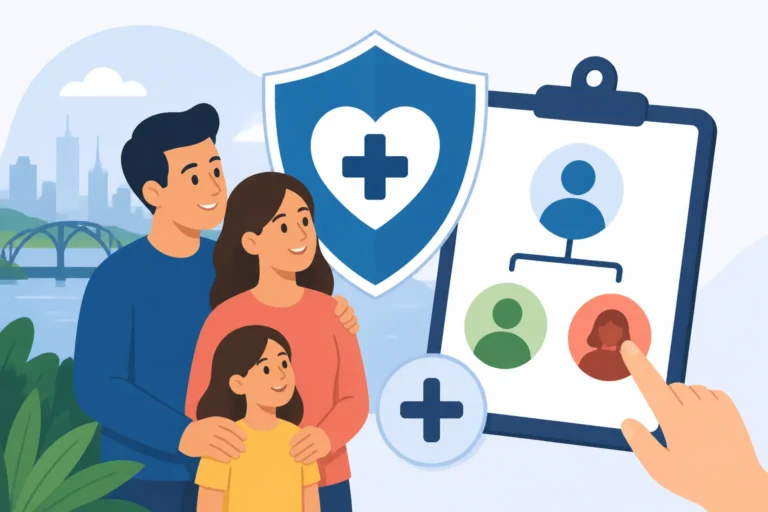
This is why having good health insurance is not just recommended, it's almost a necessity for expats. You'll want to choose between private and international options explained in our guide Health Insurance in Panama: Private and International Options Explained. Many expats opt for private insurance plans that offer comprehensive coverage for hospital stays, specialist visits, and medications. You can find detailed information on How to Choose Private Health Insurance in Panama (2027).
For those who are just starting out, or who might be traveling frequently, international travel medical insurance can be a good stop-gap. Providers like SafetyWing offer flexible plans that cover emergencies and can be particularly useful for digital nomads or those who haven't yet secured a long-term local plan. It’s critical to understand your policy’s specifics, especially regarding deductibles, co-pays, and the claims process. When using an international department, their staff often assist with pre-approvals and filing claims, streamlining what can otherwise be a complex process of claiming reimbursement from private insurance in Panama. Don't assume everything is covered; always check with your insurer and the hospital's billing department beforehand.
Choosing the Right Path: Insurance, Costs, and Alternatives
Deciding on your healthcare strategy in Panama involves more than just knowing which hospitals have international departments. It’s about fitting the pieces together – your health needs, budget, and peace of mind.
Private Insurance: Your Best Bet for Comprehensive Care
For most expats seeking the peace of mind that comes with accessing Panama City's top private hospitals and their international services, a robust private health insurance plan is the way to go. These plans, whether local Panamanian or international, typically offer coverage for a wide array of services including consultations, specialist referrals, diagnostic tests, surgeries, and hospital stays. The distinction between public vs private healthcare in Panama is significant, with private offering quicker access, better facilities, and often, English-speaking staff.
When looking at options, consider the coverage limits, deductibles, and co-payments. A higher deductible usually means a lower monthly premium, but you'll pay more out of pocket if you need to make a claim. Familiarize yourself with how to choose private health insurance in Panama (2026) to ensure you pick a plan that truly meets your needs. Some popular local insurers include Generali, ASSA, and Mapfre, while international providers like SafetyWing offer more flexible global coverage often favored by those with a transient lifestyle or who travel extensively outside of Panama. These plans ensure you're covered whether you're at home or abroad, providing a critical safety net.
Costs and The "What Ifs" Without Insurance
The cost of healthcare in Panama, while generally more affordable than in countries like the US, can still quickly become substantial, especially in private hospitals offering international patient services. For example, a basic emergency room visit without insurance could range from $100-$300 before any tests or treatments. A simple outpatient surgery could run into thousands of dollars. Our comprehensive guide to The Cost of Healthcare in Panama: A Complete Breakdown for Foreigners (2026) dives into this further.
Without health insurance, you are responsible for 100% of these costs. This is where the importance of even a basic international travel medical insurance plan, like those offered by SafetyWing, becomes clear for short-term residents or visitors. It can cover catastrophic events, ensuring you don't face financial ruin from an unexpected medical emergency. Even if you don't have a dedicated international department, understanding what to do in an Emergency Medical Care in Panama: What Every Expat Needs to Know is vital.
Table: Comparison of Top Private Hospitals for Expats in Panama City
| Feature | Hospital Punta Pacífica | Hospital Nacional | Centro Médico Paitilla |
|---|---|---|---|
| Location | Punta Pacífica | Bella Vista | Paitilla |
| International Focus | High; strong reputation for expat care | High; long history with international patients | Moderate to High; modern, accommodating |
| Language Support | Excellent, dedicated English-speaking staff | Good, many English speakers available | Good, English speakers often found |
| Facilities | Modern, cutting-edge | Modern, recently renovated | Modern, comfortable |
| Specialties | Comprehensive, including advanced procedures | Broad range of specialties | Full range, patient-centered approach |
| Cost (Estimate) | Higher tier | Mid to higher tier | Mid to higher tier |
| Insurance Liaison | Very helpful with international policies | Experienced with various plans | Accommodating with insurance processes |
Beyond International Departments: Other Expat-Friendly Options
While these top hospitals offer dedicated services, it's worth noting that many smaller private clinics and individual doctors across Panama City are also very expat-friendly. You might not find a "department" per se, but many practitioners, especially those who have trained abroad or cater to a diverse clientele, speak excellent English. Finding an English-speaking doctor in Panama City is often easier than you'd think, even outside the major hospital settings.
For routine appointments, smaller clinics can sometimes offer more personal attention and shorter wait times. It’s always a good idea to ask for recommendations from other expats in your community. Often, these smaller practices can provide a more intimate setting, which some expats prefer for ongoing care. The key is knowing your options and finding what feels right for you and your family. For more general advice, consider our comprehensive guide, Navigating the Panamanian Healthcare System: An Expat's Roadmap (2027).
Disclaimer
The information provided in this guide is intended for general informational purposes only and does not constitute medical, legal, or financial advice. While we strive to provide accurate and up-to-date information, circumstances in Panama can change rapidly. Always consult with qualified medical professionals, legal advisors, and insurance providers for advice tailored to your specific situation. We are not responsible for any decisions made based on the information presented herein.