How Do I Find an Optometrist or Eye Doctor in Panama?
Finding a good optometrist or eye doctor in a new country like Panama can feel like a daunting task, especially when your vision is on the line. It's not just about getting a new pair of glasses; it's about understanding a new healthcare system, navigating language differences, and knowing where to even begin your search for quality care. This guide is here to walk you through everything you need to know about finding reliable eye care professionals in Panama, making the process a whole lot less blurry.
Understanding Eye Care Professionals in Panama
Before you even start looking for a clinic, it’s crucial to understand the different types of eye care professionals available in Panama and what each one does. This knowledge will save you time and ensure you get the right kind of care from the outset.
Optometrists vs. Ophthalmologists: What's the Difference Here?
In Panama, just like in many other countries, there’s a clear distinction between an optometrist and an ophthalmologist, though the lines can sometimes feel a bit blurred for newcomers.
An Optometrist (Optometrista) is your go-to professional for routine eye exams, vision testing, and prescribing corrective lenses – think glasses and contact lenses. They can detect common eye conditions and diseases, but they generally don't perform surgery or treat complex eye conditions with medication in the same way an ophthalmologist would. If you just need a check-up, a new prescription, or want to explore contact lenses, an optometrist is usually your first stop. They operate in optical shops and private clinics dedicated to vision correction. They’re fantastic for preventative care and maintaining good vision health.
On the other hand, an Ophthalmologist (Oftalmólogo) is a medical doctor who has specialized in eye and vision care. This means they've completed medical school and then pursued additional training in ophthalmology. They are equipped to diagnose and treat all eye diseases, perform eye surgery, and prescribe medications, including stronger ones than an optometrist might. If you have a specific eye condition like glaucoma, cataracts, diabetic retinopathy, or if you experience a sudden change in vision or eye injury, an ophthalmologist is the specialist you need to see. They typically work in hospitals or specialized eye clinics. Think of them as the surgeons and disease experts for your eyes.
It’s not uncommon to initially see an optometrist for a general concern, who might then refer you to an ophthalmologist if they identify a more serious underlying issue that requires medical or surgical intervention. Understanding this hierarchy will help you streamline your search.
The General Process for Eye Care in Panama
Navigating medical appointments in Panama can feel a little different from what you might be used to back home. Generally, for routine eye care with an optometrist, you can often find "ópticas" (optical shops) that have an optometrist on staff, and you might even be able to walk in for an appointment, especially for basic eye tests. However, it's always best to call ahead and book an appointment, especially in busier urban centers like Panama City.
For ophthalmologists, particularly those practicing in major hospitals, an appointment is almost always required. You can either call the hospital's general appointment line or contact the ophthalmology department directly. Some clinics and doctors now offer online booking through their websites or platforms like Doctoralia, which can be very convenient. When you call, be prepared to provide basic information, and if you have any existing medical records or a referral from another doctor, have those ready to mention. The good news is that wait times for appointments, especially in the private sector, are often much shorter than what some expats might experience in their home countries. You can often get an appointment within a few days, or even the same day for urgent cases, which is a huge relief when you're dealing with something as vital as your eyesight.
Where to Begin Your Search for an Eye Doctor
Once you know what kind of eye professional you need, the next step is actually finding one. Panama has a robust private healthcare system, especially in urban areas, which offers excellent eye care, but knowing where to look is key.
Leveraging Expat Networks and Online Resources
One of the most valuable resources you have as an expat in Panama is the expat community itself. Seriously, these folks have been through it all and are often more than willing to share their experiences and recommendations.
- Facebook Groups: Jump into local expat Facebook groups like "Expats in Panama," "Panama City Expats," or groups specific to your area (e.g., "Boquete Expats"). A quick post asking for recommendations for an optometrist or ophthalmologist will usually yield a flood of helpful suggestions, often including personal anecdotes and even contact details. This is also a great way to find English-speaking doctors, which can make a world of difference when discussing complex medical issues.
- Expat Forums and Community Pages: Beyond Facebook, there are various expat forums and websites dedicated to living in Panama. These often have sections where members discuss healthcare providers. While less interactive than real-time groups, they can be a repository of vetted information.
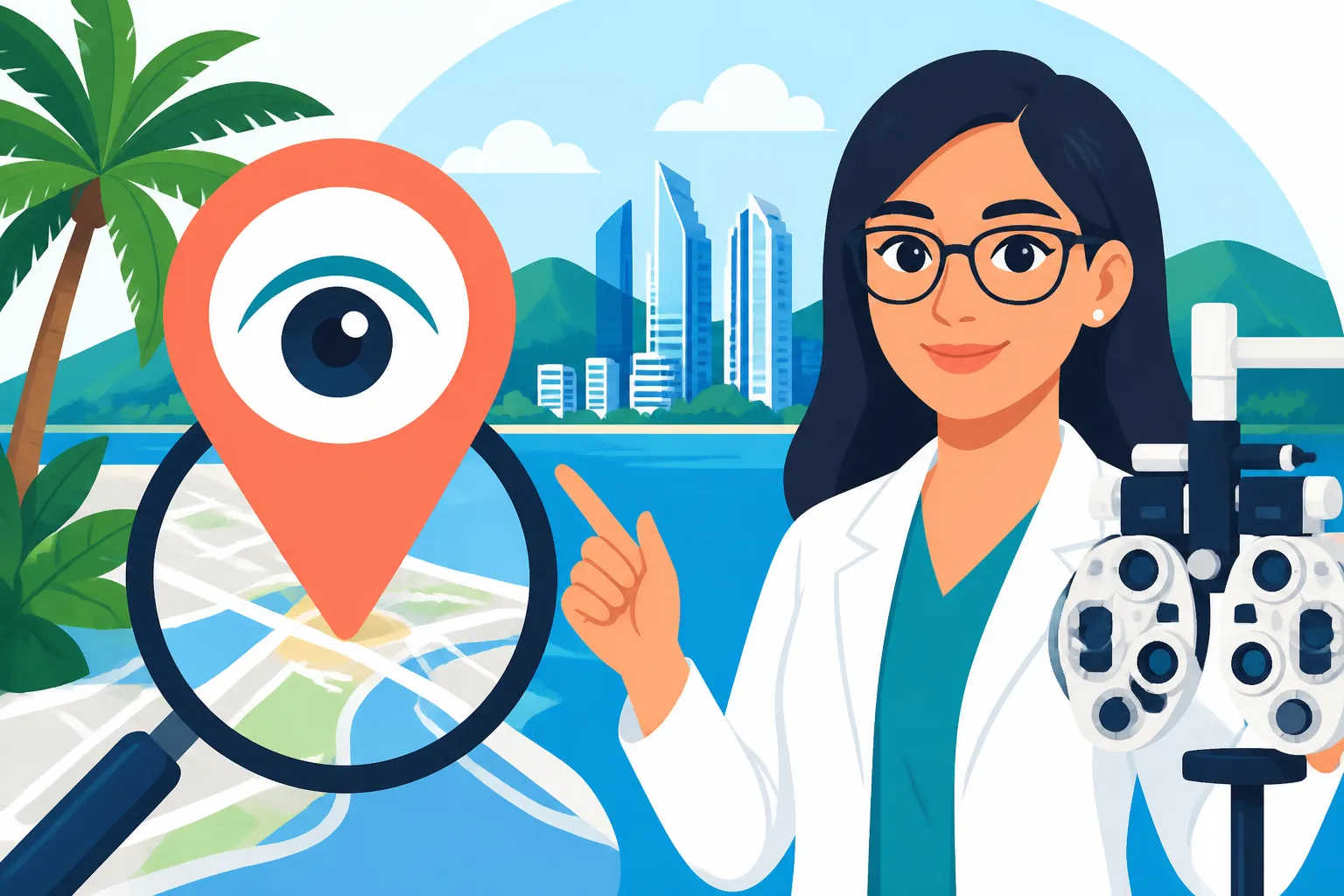
- Online Directories and Google Maps: Don't underestimate the power of a good old Google search. Look for "oftalmólogo Panamá City" or "optometrista David" depending on your location. Websites like Doctoralia are popular in Panama and allow you to search for doctors by specialty, read reviews, and sometimes even book appointments directly. When using Google Maps, you can often see reviews and contact information for clinics, which can help you narrow down your choices. Always cross-reference any information you find online with expat recommendations if possible.
Many expats also find solace in the fact that while some medical processes here can feel opaque, the community support is strong. Remember, someone else has probably had your exact question before.
Reputable Clinics and Hospitals with Eye Departments
Panama boasts several high-quality private hospitals and clinics, particularly in Panama City, that offer excellent ophthalmology services. These institutions often have state-of-the-art equipment and highly trained specialists.
- Hospital Punta Pacifica: Located in the heart of Panama City, Hospital Punta Pacifica is affiliated with Johns Hopkins Medicine International and is widely regarded for its modern facilities and comprehensive medical services, including a strong ophthalmology department. You’ll find experienced ophthalmologists here who can handle everything from routine check-ups to advanced eye surgeries. This hospital is also well-known for having a higher proportion of English-speaking staff, which is a major plus for many expats.
- Centro Médico Paitilla: Another prominent private hospital in Panama City, Centro Médico Paitilla also has a well-established ophthalmology department. It’s a trusted name in the local medical community and offers a wide range of eye care services. Many experienced eye specialists maintain offices and perform procedures here.
- Hospital Nacional: Also in Panama City, Hospital Nacional is another excellent choice for comprehensive eye care. It’s one of the older, more established private hospitals and is known for its strong medical departments.
- Smaller Cities and Regions: If you're outside Panama City, say in David or Boquete, you'll find reputable private clinics rather than large hospitals dedicated solely to eye care. For instance, in David, you'll find various ópticas and smaller medical centers that have ophthalmologists on staff a few days a week. Ask around in local expat groups for specific clinic names in these areas. While these might not have the scale of the Panama City hospitals, the quality of care can still be excellent. For example, Clinica Obarrio in Panama City is a popular option.
Choosing a major hospital for your eye care means you're often getting access to not just an ophthalmologist, but potentially a team of specialists if your condition requires multi-disciplinary attention. This integrated care approach can be incredibly reassuring. If you're looking into Understanding How to Choose a Hospital in Panama, these names are usually at the top of the list for specialized care.
Practicalities and Considerations for Your Eye Appointment
Now that you have a list of potential doctors and clinics, let's talk about the nitty-gritty details of actually getting your eye care sorted in Panama. These are the things that can make or break your experience as an expat.
Costs, Insurance, and Payment Methods
Healthcare costs in Panama, particularly in the private sector, are generally more affordable than in North America or Europe, but they are certainly not "free." You'll want to be prepared for the financial aspect.
- Consultation Costs: A standard consultation with an optometrist for an eye exam might range from $30-$60, while a specialist ophthalmologist visit could be anywhere from $50-$100, depending on the doctor's experience and the clinic's prestige. These are generally paid out-of-pocket at the time of service.
- Prescription Lenses and Frames: The cost of glasses can vary wildly based on the frames you choose and the complexity of your lenses. You can find very affordable options starting from $50-$100 for basic frames and single-vision lenses, all the way up to several hundred dollars for designer frames and progressive or specialty lenses. Contact lenses are also widely available at competitive prices.
- Private Health Insurance: If you have private health insurance in Panama, check your policy details regarding vision care. Many local and international private insurance plans cover routine eye exams, and some may offer partial coverage for glasses or contact lenses, or a higher level of coverage for specialist consultations and treatments. However, comprehensive vision benefits (like covering new glasses annually) are often an add-on or a separate policy entirely. If you're new to Panama, understanding How to Choose Private Health Insurance in Panama (2027) is critical.
- Emergency Coverage: For unexpected eye injuries or sudden, severe vision changes, your health insurance, including travel or expat insurance like SafetyWing, would typically cover emergency consultations and necessary treatments. While SafetyWing is primarily a travel medical insurance, it's designed with digital nomads and long-term travelers in mind, meaning it can be a lifesaver for initial emergency care before you settle into a more permanent local insurance plan. Remember, it's crucial to understand Emergency Medical Care in Panama: What Every Expat Needs to Know for any unexpected situations.
- Payment Methods: Most private clinics and hospitals accept cash (US dollars, as Panama uses the USD), major credit cards, and debit cards. Some may also offer direct billing to certain insurance providers, but often, you'll pay upfront and then seek reimbursement from your insurer. It’s always a good idea to confirm payment options when you book your appointment. For a more detailed look at expenses, check out The Cost of Healthcare in Panama: A Complete Breakdown for Foreigners (2026) and Understanding Out-of-Pocket Healthcare Costs and Co-Pays in Panama.
Type of Professional Role in Panama Typical Services Average Consultation Cost (USD) Insurance Coverage
:## Seeking Specialist Eye Care in Panama? Here's How to Navigate Your Options
When you're an expat, suddenly needing specialized medical care, like finding an optometrist or ophthalmologist, can feel like you’ve been thrown into the deep end of the pool without a life raft. Your vision is precious, and finding the right professional in Panama means more than just a quick Google search; it means understanding a new system, finding trusted advice, and knowing what to expect every step of the way. It’s a common frustration, but I’ve been there, and I’m here to tell you it’s entirely navigable. This guide will walk you through finding excellent eye care in Panama, from routine check-ups to more complex medical needs.
Understanding the Spectrum of Eye Care Professionals
One of the first hurdles you’ll face in seeking eye care in Panama is distinguishing between the different types of specialists. It's not just a "doctor for eyes"; there's a nuanced difference that impacts where you go and what services you receive.
Optometrists vs. Ophthalmologists: What's the Difference Here?
In Panama, just like many places, the terms "optometrist" and "ophthalmologist" are not interchangeable, and understanding their distinct roles is your first step towards getting appropriate care.
An Optometrist, known locally as an Optometrista, is a healthcare professional who provides primary vision care. Their expertise lies in conducting eye exams, diagnosing vision problems like nearsightedness or farsightedness, and prescribing corrective lenses – glasses and contact lenses. Many ópticas (optical shops) across Panama, from bustling Panama City to more relaxed Boquete, have a resident optometrist who can perform these routine checks. If you simply need a new prescription, an annual eye check-up, or are experiencing common vision changes, an optometrist is usually your first and most efficient point of contact. They are excellent for preventative care and ensuring your vision remains sharp. They don't typically perform surgery or prescribe strong medications for eye diseases, but they are adept at identifying potential issues that might require a medical doctor's attention.
An Ophthalmologist, or Oftalmólogo in Spanish, is a medical doctor. This means they've completed medical school and then pursued a specialized residency in ophthalmology. They are highly trained medical and surgical specialists who focus on the full spectrum of eye care. This includes diagnosing and treating all eye diseases, performing delicate eye surgeries (such as cataract removal, glaucoma surgery, or laser vision correction), and managing complex conditions like diabetic retinopathy or macular degeneration. If you suspect you have an eye disease, have suffered an eye injury, are experiencing sudden or severe vision loss, or need surgical intervention, an ophthalmologist is the specialist you absolutely must see. They work in hospitals and dedicated eye clinics, often having access to advanced diagnostic and surgical equipment.
It's very common, and perfectly normal, to start with an optometrist for a general check-up. If they find anything concerning that falls outside their scope, they will refer you directly to an ophthalmologist. This collaborative approach ensures you receive the best care for your specific needs. Knowing this distinction from the start will save you from potentially making an unnecessary trip or, worse, delaying critical specialist care.
The General Process for Eye Care in Panama
Navigating medical appointments in a foreign country can be a bit of a dance, and eye care in Panama is no exception. While the process is generally straightforward in the private sector, there are nuances to be aware of.
For routine appointments with an Optometrista, especially for a new glasses prescription or a contact lens check, you can often find optical shops that accommodate walk-ins. However, to ensure minimal waiting time and a dedicated slot, making an appointment by phone or through an online booking system (if available) is always recommended. This is particularly true in popular optical chains like Ópticas Chevalier or Rodelmar, which can get busy.
When it comes to seeing an Oftalmólogo, particularly in the more prominent private hospitals in Panama City, scheduling an appointment in advance is almost always a requirement. You can typically call the hospital’s general reception, or often, the ophthalmology department directly. Many ophthalmologists also have private practices within medical centers, and you’d book directly with their office. Don't be surprised if they ask you for some basic personal information, and if you have any existing medical records, especially regarding previous eye conditions or surgeries, have them ready to share. The good news is that, unlike some public health systems, wait times in Panama's private sector for specialists are often quite reasonable, ranging from a few days to a couple of weeks, and sometimes even same-day for urgent cases. This efficiency is a huge plus, especially when you're dealing with something as crucial as your vision.
Where to Begin Your Search for an Eye Doctor
So, you’ve pinpointed the type of eye doctor you need. Now, how do you actually find one that you can trust and communicate with effectively? Here's where your expat resourcefulness truly comes into play.
Leveraging Expat Networks and Online Resources
Your fellow expats are truly your best allies when it comes to finding reputable services in Panama. They’ve been through it all and have a wealth of firsthand knowledge.
- Expat Facebook Groups: This is often the first and most effective place to start. Groups like "Expats in Panama," "Panama City Expats," "Boquete Expats," or "Chiriqui Province Expats" are goldmines of information. A simple post asking for recommendations for an optometrist or ophthalmologist will usually elicit multiple responses, often including specific doctor names, clinic locations, and even direct contact numbers. Crucially, many expats will highlight doctors who speak English, which can be an enormous relief. The ability to articulate your symptoms and understand diagnoses clearly, without a language barrier, is invaluable.
- Online Doctor Directories: Websites like Doctoralia are quite popular in Panama. These platforms allow you to search for doctors by specialty, filter by location, and read patient reviews. You can often see which doctors list English as a spoken language. While reviews are helpful, always cross-reference them with expat recommendations where possible, as cultural expectations for reviews can differ.
- Google Maps and Local Search: Don't underestimate a good old Google search. Searching for "oftalmólogo Panamá City" or "clínica de ojos David" will bring up local clinics and practices. Google Maps often includes contact information, opening hours, and sometimes even patient reviews, giving you a quick overview of options in your immediate vicinity.
Utilizing these resources means you're not just picking a name out of a hat; you're tapping into the collective experience of a community that understands your needs. It’s about building a network of trust.
Reputable Clinics and Hospitals with Eye Departments
Panama's private healthcare system, especially in Panama City, is quite advanced and hosts several top-tier hospitals and clinics with excellent ophthalmology departments. These facilities offer comprehensive care and state-of-the-art equipment.
- Hospital Punta Pacifica: Widely recognized for its modern facilities and affiliation with Johns Hopkins Medicine International, Hospital Punta Pacifica in Panama City boasts a robust ophthalmology department. You’ll find highly skilled ophthalmologists here, often fluent in English, who can handle everything from routine eye conditions to complex surgical procedures. Its reputation for high standards of care makes it a go-to for many expats.
- Centro Médico Paitilla: Another leading private hospital in Panama City, Centro Médico Paitilla also has a well-established and respected ophthalmology department. It’s known for housing a number of experienced eye specialists and offering a broad range of diagnostic and treatment options. Many ophthalmologists who practice here have international training and experience.
- Hospital Nacional: Located conveniently in Panama City, Hospital Nacional is another excellent choice with a comprehensive eye care unit. It’s one of Panama’s long-standing private hospitals, known for its extensive medical specialties and experienced doctors. These major hospitals are often where you'll find the most advanced diagnostic equipment and surgical capabilities.
- Specialized Eye Clinics: Beyond the large hospitals, Panama City also has dedicated eye clinics, such as Clinica Obarrio, which specialize purely in ophthalmology. These clinics often offer a very focused and efficient experience, with a team of eye specialists under one roof.
- Regional Options: If you're living outside Panama City, say in David or the Chiriquí province, large, dedicated eye hospitals might be less common. Instead, you'll find reputable private clinics and medical centers that have ophthalmologists on staff a few days a week, or ópticas with optometrists. For example, Clinica David or Clínica Chiriquí in David are regional hospitals that may have affiliated ophthalmologists or eye care services. It’s always best to inquire directly with these facilities or check local expat groups for specific recommendations in your area.
Choosing a hospital or a specialized clinic with an established ophthalmology department often means you're accessing a higher level of integrated care, which can be reassuring, especially if your eye condition requires detailed investigations or multi-specialty input. It's a significant factor when considering How to Choose a Hospital in Panama.
Practicalities and Considerations for Your Eye Appointment
Now that you have potential clinics and doctors in mind, let's cover the essential practicalities that will ensure a smooth and stress-free eye care experience in Panama. These details can often trip up newcomers, but with a bit of foresight, you’ll be well-prepared.
Costs, Insurance, and Payment Methods
Understanding the financial aspect of healthcare in Panama is paramount. While costs are generally lower than in North America or Western Europe, they still require planning.
- Typical Consultation Costs: For a routine eye exam with an Optometrista, expect to pay between $30 and $60. If you’re seeing an Oftalmólogo for a specialist consultation, the fee typically ranges from $50 to $100, though more complex diagnostic tests or follow-ups might incur additional charges. These fees are usually paid upfront at the time of your visit.
- Eyewear and Contact Lenses: The cost of new glasses or contact lenses can vary significantly. Basic frames with standard single-vision lenses can start from around $50-$100, while designer frames, progressive lenses, or specialized coatings can quickly push the price into several hundred dollars. Panama has numerous optical shops (ópticas) where you can get your prescription filled, often within the same day for simpler lenses. Brands like Ópticas Chevalier, Rodelmar, or Specsavers (if available) offer a range of options. If you're comparing costs, remember to also factor in the quality of the lenses and any warranties offered. You can also explore Prescription Medications and Pharmacies in Panama: The Complete Guide for broader medication-related inquiries, though eyewear is a separate category.
- Health Insurance Coverage: If you have private health insurance in Panama, whether a local plan or an international one, it's crucial to understand your vision benefits. Many plans cover specialist consultations with an ophthalmologist, especially if it's for a medical condition rather than just a routine vision test for glasses. Some policies may also offer partial reimbursement for eye exams, glasses, or contact lenses, but this often varies greatly by plan and can sometimes be an optional add-on. For new arrivals, considering insurance options like SafetyWing for initial emergency coverage, or a comprehensive local private plan, is a smart move. While SafetyWing is known for its travel medical coverage, it can provide a valuable safety net for unexpected medical needs, including eye emergencies, before you fully integrate into a long-term local insurance plan. Make sure to delve into How to Choose Private Health Insurance in Panama (2027) to ensure your policy aligns with your needs.
- Out-of-Pocket Expenses: Most private clinics and doctors operate on a pay-as-you-go model for consultations. You'll pay for the service and then submit the receipt to your insurance company for reimbursement if applicable. It's always wise to clarify billing procedures beforehand. For a deeper understanding of potential expenses, refer to Understanding Out-of-Pocket Healthcare Costs and Co-Pays in Panama.
- Payment Methods: US Dollars cash is universally accepted, as it's Panama's official currency. Most private clinics, optical shops, and hospitals also accept major credit and debit cards. Smaller, independent clinics might prefer cash, so it’s always good to have some on hand.
Language Barriers and Communication Tips
Communicating effectively with your eye doctor is paramount, especially when discussing your vision, symptoms, and treatment options.
- English-Speaking Doctors: While many medical professionals in Panama City, especially in the higher-end private hospitals, have a good command of English, it's not universally guaranteed. When booking your appointment, always ask if the doctor or clinic staff speak English. Expat group recommendations are invaluable here, as they often highlight English-speaking practitioners. If finding an English-speaking doctor is a priority, our guide on How to Find an English-Speaking Doctor in Panama offers more detailed strategies.
- Translation Apps and Friends: If your Spanish isn't fluent and an English-speaking doctor isn't available, consider bringing a Spanish-speaking friend to your appointment. Alternatively, translation apps on your smartphone can be surprisingly helpful for basic communication, though they are no substitute for a fluent interpreter in complex medical discussions.
- Key Spanish Phrases: Learning a few basic phrases related to your eye condition can go a long way. For example: "Me duelen los ojos" (My eyes hurt), "No veo bien de lejos/cerca" (I can't see well far/near), "Necesito un examen de la vista" (I need an eye exam), "Tengo la vista borrosa" (My vision is blurry). Doctors appreciate the effort, and it can help bridge small communication gaps.
What to Bring to Your Appointment
Being prepared for your appointment will make the process much smoother and ensure the doctor has all the necessary information.
- Previous Prescriptions and Eyewear: Bring your old glasses or contact lens prescription, as well as your current glasses or contact lens boxes. This helps the doctor understand your history and current correction.
- Medical History: Have a brief summary of your general medical history, including any chronic conditions (like diabetes or high blood pressure, which can affect eye health), allergies, and a list of all medications you are currently taking. Even if it seems unrelated, it can be vital for eye health.
- Passport/ID and Insurance Card: Always carry your passport or Panamanian cédula (residency ID) and your health insurance card (if applicable). These are essential for registration and billing. A dedicated article on What Documents Do I Need to See a Doctor in Panama? offers a full checklist.
- List of Questions: Write down any questions or concerns you have before your appointment. It's easy to forget things once you're in the doctor's office, especially in a new environment.
Getting Your Prescriptions Filled and Ongoing Care
Once you've had your eye exam and received a prescription, the next steps involve getting your new eyewear and understanding how to manage any ongoing eye care needs.
Ópticas and Purchasing Eyewear
After your eye exam, if you need new glasses or contact lenses, you’ll head to an óptica. These optical shops are plentiful in Panama, especially in shopping malls and commercial areas of major cities.
- Variety and Price: Panamanian ópticas offer a wide range of frames, from budget-friendly options to international designer brands. Similarly, lenses come with various features like anti-glare coatings, blue light filters, and progressive designs. You’ll find competitive pricing for both glasses and contact lenses. Many ópticas also offer package deals that include frames and basic lenses.
- On-Site Optometrists: As mentioned, many ópticas have optometrists on staff, making it convenient if you need a quick vision check before purchasing eyewear. They can often fill your prescription on the same day for common lenses or within a few days for specialized prescriptions.
- Contact Lenses: If you wear contact lenses, you can usually purchase them directly from the óptica with a valid prescription. Most common brands are available, and if yours isn't stocked, they can often order it for you. Remember that Understanding the Pharmacy System and Buying Medicines in Panama also applies to certain medicated eye drops that an ophthalmologist might prescribe.
Follow-up Appointments and Specialist Referrals
Maintaining good eye health often requires ongoing care, especially if you have a specific condition or are recovering from a procedure.
- Routine Follow-ups: Your optometrist or ophthalmologist will advise you on when to schedule your next check-up, whether it's an annual exam or a follow-up for a specific treatment. It's important to adhere to these recommendations to monitor your eye health.
- Specialist Referrals: If your optometrist identifies a condition that requires medical intervention, or if your ophthalmologist determines you need a sub-specialist (e.g., a retina specialist), they will provide a referral. This process is generally seamless within the private healthcare system. Understanding How Specialist and Hospital Referrals Work in Panama can help you prepare for this.
- Long-Term Care and Insurance: For long-term eye conditions, ensure your private health insurance covers ongoing treatments, medications, and regular consultations. For expats, having comprehensive coverage that anticipates these needs is crucial. This is where a robust insurance plan, perhaps supplementing SafetyWing's emergency coverage with a local long-term plan, truly pays off. They can help with the costs of managing chronic conditions or further consultations if any complex eye issues arise.
Finding an optometrist or eye doctor in Panama doesn't have to be an overwhelming ordeal. With these tips and a bit of networking within the expat community, you'll be seeing clearly in no time!
Disclaimer
The information provided in this guide is intended for general informational purposes only and does not constitute medical or legal advice. While we strive to provide accurate and up-to-date information, healthcare systems, regulations, and costs in Panama can change. Always consult with a qualified medical professional or legal expert for advice tailored to your specific situation. We are not responsible for any actions taken based on the information contained herein.