Do I Need Private Health Insurance in Panama?
Oh, the perennial expat dilemma in Panama! One of the first things that keeps us up at night, right after figuring out how to pay the electric bill, is navigating the healthcare system. The big question, "Do I need private health insurance in Panama?", isn't just a simple yes or no; it's a deep dive into Panama's unique healthcare landscape, your personal circumstances, and what truly gives you peace of mind. This guide will meticulously break down the options, help you understand the realities on the ground, and empower you to make an informed decision about your health coverage in this beautiful, sometimes perplexing, country.
Understanding Panama's Healthcare Landscape for Expats
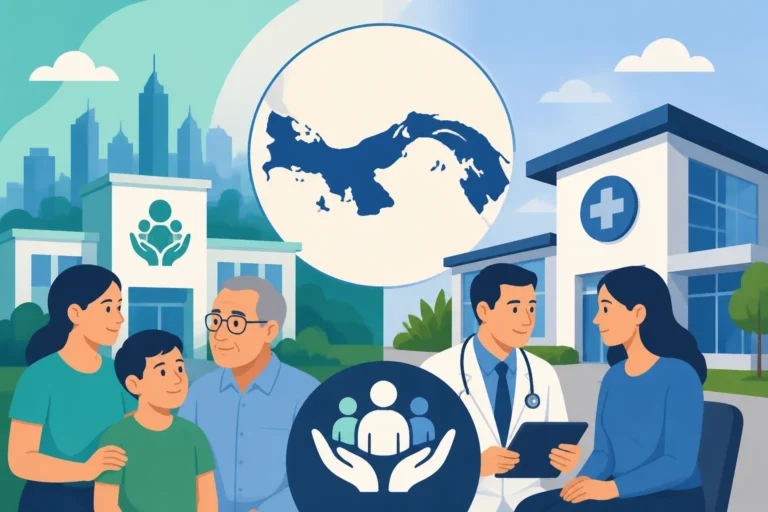
When you first arrive in Panama, the healthcare system can feel like a maze, especially if you're used to something entirely different back home. Panama actually boasts a two-tiered system: the public system, primarily managed by the Caja de Seguro Social (CSS), and a robust private sector. Many foreigners often arrive with preconceived notions, and let me tell you, it's crucial to shed those to truly understand your options here.
The Public Healthcare System: CSS Explained
The Caja de Seguro Social (CSS), or Social Security Fund, is Panama's public healthcare provider. If you're employed legally in Panama, your employer is mandated to register you with the CSS, and contributions are deducted directly from your paycheck. This system provides access to public hospitals, clinics, and pharmacies across the country. It's designed to offer basic healthcare services to all contributors and their dependents, making it a truly universal system in principle.
The CSS is incredibly comprehensive in its coverage, often including doctor visits, specialist consultations, surgeries, hospital stays, and prescription medications. For many Panamanians, and indeed some expats who work locally, it's the primary source of medical care. The cost of care through CSS is incredibly low, almost negligible for many routine services, which is a massive draw. You can think of it as a safety net. However, the reality on the ground often involves long wait times for appointments, especially for specialists or non-urgent procedures. Facilities can vary greatly in quality and modernity depending on their location, and the administrative process can be slow and bureaucratic. Moreover, language can be a significant barrier; while some staff may speak English, it's certainly not guaranteed, and you'll mostly navigate the system in Spanish. To get a deeper understanding, you can explore guides like How Panama's Health System Works: CSS and Private Care Explained (2027).
The Private Healthcare System: Modern Facilities and Speedy Care
On the other side of the coin, Panama has a thriving private healthcare sector, particularly in Panama City and major expat hubs like Coronado or David. This is where you'll find modern hospitals, state-of-the-art equipment, and a higher concentration of English-speaking doctors and staff. Hospitals like Hospital Punta Pacifica, Hospital Nacional, and Centro Médico Paitilla in Panama City are renowned for their quality and offer a level of service comparable to many Western countries.
Accessing private healthcare means paying out-of-pocket for services, or relying on private health insurance. The costs are significantly higher than the public system, but in return, you get much shorter wait times, often same-day or next-day appointments, more personalized care, and a greater choice of specialists. For many expats, this is the preferred route, especially for serious conditions or when time is of the essence. The comfort and efficiency of the private system often outweigh the higher cost, particularly for those accustomed to a certain standard of care. This is where the core of the private insurance debate lies.
Why Expats Often Choose Private Health Insurance
Given the existence of the public CSS system, you might wonder why so many expats opt for private health insurance in Panama. Trust me, I've heard countless stories (and experienced a few myself!) that highlight the very real reasons behind this choice. It boils down to a desire for control, comfort, and consistent quality.
Avoiding Long Wait Times and Bureaucracy
This is, by far, one of the biggest drivers. Imagine you're experiencing persistent pain, or you need to see a specialist for a nagging issue. In the CSS system, getting an appointment with a dermatologist, a cardiologist, or an orthopedist can take weeks, sometimes months. You might need a referral from a general practitioner first, which also has its own wait. Then there's the administrative shuffle – paperwork, different lines for different services, and often a lack of clear communication, especially if your Spanish isn't fluent.
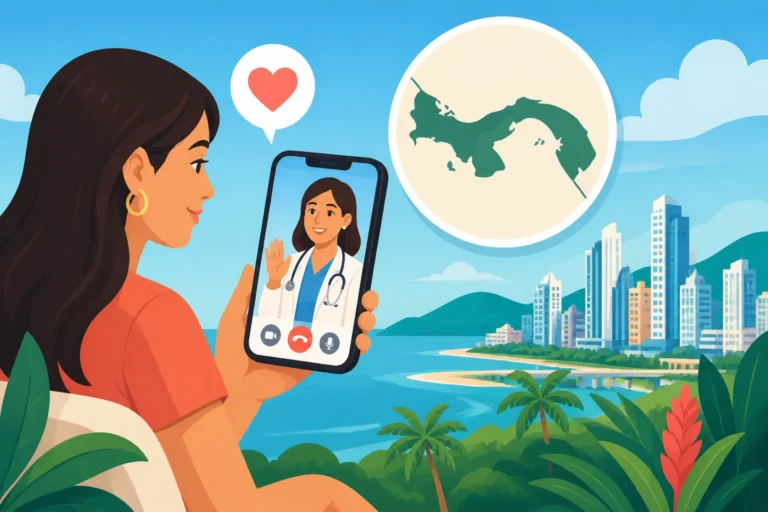
With private health insurance, these hurdles largely disappear. You can often call a private clinic or hospital directly, schedule an appointment with a specialist for the next day, or even walk into certain clinics for immediate attention. For example, if you need to see a specialist, you can simply call their private office, often find an English-speaking assistant, and be seen within days. This expedited access is invaluable, particularly when you're feeling unwell and just want answers quickly. It significantly reduces the stress and frustration that comes with navigating a slow, bureaucratic system in a foreign language. The convenience alone is a huge selling point for many, especially if you're used to quick access to medical care.
Access to Higher Standards of Care and English-Speaking Professionals
While the CSS provides essential care, the private hospitals in Panama City, for instance, are truly world-class. They boast modern facilities, advanced diagnostic equipment, and often attract doctors who have trained internationally and are fluent in English. For an expat, this can make all the difference. Communicating your symptoms accurately, understanding diagnoses, and discussing treatment plans in your native language can alleviate immense anxiety during a vulnerable time.
Consider a scenario where you're facing a complex medical procedure. Having the option to choose your surgeon, know that they're working in a state-of-the-art facility, and be able to communicate effectively with them and the nursing staff, provides a huge sense of security. It's not just about luxury; it's about clarity, comfort, and confidence in the care you're receiving. Many expats prioritize this for peace of mind, especially when they are far from their home country support systems. Want to know more about the facilities? Check out our article on How to Use Major Hospitals Like Punta Pacifica and Hospital Nacional.
Essential for Newcomers and Tourists
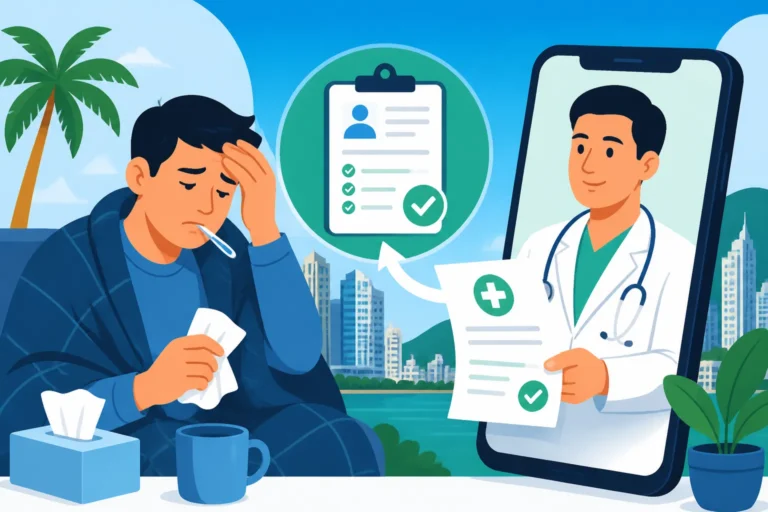
If you're a new arrival in Panama, or simply visiting as a tourist, private health insurance isn't just recommended; it's practically non-negotiable. You won't be eligible for the CSS until you are legally employed and making contributions, which can take time to set up even after you secure a job. In the interim, any medical emergency or illness would leave you responsible for the full out-of-pocket costs, which, while often lower than in North America, can still be substantial.
For those just getting their feet wet, or digital nomads who aren't permanently settling, a flexible international health insurance plan is a lifesaver. Companies like SafetyWing offer travel medical insurance that covers emergencies and illnesses while you're abroad, including in Panama. It’s designed for the transient lifestyle and can provide that critical gap coverage until you figure out your long-term residency and work situation, or if you're only here for a short stint. Imagine twisting your ankle on a cobblestone street in Casco Viejo or coming down with a nasty stomach bug after trying a new street food – having a plan like SafetyWing means you can get immediate care at a private clinic without fretting over an unexpected bill. It's a pragmatic choice for anyone not yet fully integrated into Panama's social security system.
Peace of Mind and Financial Security
Ultimately, private health insurance offers a profound sense of peace of mind. Knowing that you can access quality care quickly, without language barriers, and without the stress of navigating a complex public system, allows you to truly enjoy your life in Panama. It also provides crucial financial security. While individual doctor visits or minor procedures might be affordable out-of-pocket, a major illness, accident, or surgery can quickly accumulate significant costs. Private insurance protects you from these potentially crippling expenses.
Think about it: an emergency appendectomy, a necessary MRI scan, or a hospital stay after an accident could run into thousands of dollars. Having a plan that covers a significant portion of these costs, or even all of them, means you don't have to choose between your health and your financial stability. It’s an investment in your well-being and your future here. This financial buffer is often the deciding factor for many expats who choose to secure private coverage. The cost of healthcare in Panama is generally more affordable than in countries like the USA, but catastrophic events still carry a high price tag. For a full breakdown of what to expect, read The Cost of Healthcare in Panama: A Complete Breakdown for Foreigners (2026).
Navigating Your Options: Public, Private, and Hybrid Approaches
So, you've seen the pros and cons. Now, how do you actually decide what's best for you? It's not always a one-size-fits-all answer. Your residency status, employment, health needs, and financial situation all play a role in making this very personal decision.
The Expat's Dilemma: When CSS is Available, But Private is Preferred
Many expats who work in Panama and are legally registered with the CSS face a unique situation. They technically have public health coverage, but they often still choose to pay for private health insurance as a supplemental plan. This "hybrid" approach offers the best of both worlds, in a way. The CSS acts as a basic safety net, and in some cases, you might use it for very routine, non-urgent care, or to access certain specialized services that might have a particularly good public offering.
However, for most day-to-day needs, faster appointments, and the peace of mind of superior facilities and English-speaking staff, the private insurance kicks in. This strategy minimizes out-of-pocket costs when using the private system, as your insurance will cover the bulk of the expenses. It's like having a reliable umbrella even when you technically have a roof over your head, just in case the roof springs a leak. This is especially common for families who want to ensure their children receive immediate, high-quality care. For those wondering how to register for CSS, check out How to Register with the CSS (Caja de Seguro Social) in Panama.
Considerations for Retirees (Pensionado Visa)
Panama's Pensionado (Retiree) Visa is incredibly attractive, and it comes with some great benefits, but free healthcare isn't one of them. While you might qualify for some discounts on medical services as a Pensionado, you won't automatically be covered by the CSS unless you're also working and making contributions. Therefore, private health insurance is generally a must for retirees moving to Panama.
Many retirees find that local Panamanian private insurance plans are quite affordable, especially compared to their home countries. There are excellent options tailored for the older demographic. These plans can cover everything from routine check-ups to major surgeries, ensuring that your golden years in paradise aren't overshadowed by health worries. When choosing, consider factors like pre-existing conditions, which can influence premiums and coverage. Looking into How to Choose Private Health Insurance in Panama (2027) will be a valuable step for you.
What About Short-Term Stays and Digital Nomads?
If you're in Panama on a tourist visa, or here for a short-term work assignment, or you're a digital nomad, the CSS is generally not an option for you. In these cases, a robust travel medical insurance policy is absolutely essential. Many international providers cater specifically to this demographic.
For example, SafetyWing is a popular choice among digital nomads and short-term expats because its Nomad Insurance product is designed for individuals who travel frequently or live abroad for extended periods. It offers comprehensive medical coverage for unexpected illnesses and injuries, emergency travel, and some even include repatriation benefits. This type of insurance is perfect for bridge coverage before you commit to a long-term local plan, or if your lifestyle means you're not staying put in Panama for years on end. It provides critical protection against unforeseen medical costs without the commitment of a full-blown residency-based plan. This is your go-to for peace of mind while exploring or working remotely in Panama.
Here’s a quick overview to help you compare the main options:
| Feature | Public (CSS) System | Private System (with/without Insurance) |
|---|---|---|
| Cost | Very low/subsidized, deducted from salary | Higher out-of-pocket, covered by private insurance |
| Access/Wait Times | Can be long for specialists and procedures | Quick access, often same-day/next-day appointments |
| Facility Quality | Varies, some basic, some modern | Generally modern, state-of-the-art hospitals and clinics |
| Language Barrier | Predominantly Spanish, limited English staff | Many English-speaking doctors and administrative staff |
| Choice of Doctor | Limited, assigned by the system | Wide choice of specialists and clinics |
| Eligibility | Legally employed and contributing workers | Anyone willing to pay out-of-pocket or with private insurance |
| Ideal For | Basic care for employed residents, emergency backup | Fast, high-quality care, expats, retirees, and those without CSS |
| Emergency Care | Available, but can involve waits for non-critical cases | Immediate and efficient, dedicated emergency departments |
| Medications | Covered by CSS pharmacies, but stock can vary | Available at private pharmacies, often better stock |
Making an Informed Decision for Your Health and Wallet
Deciding on health insurance in Panama is a personal journey, but there are some universal considerations that can guide you. It’s about balancing your personal health needs, financial capacity, and comfort levels.
Personal Health Needs and Budget
First and foremost, consider your health. Do you have any pre-existing conditions that require regular specialist visits or medications? Are you planning a family soon, or do you have young children who need frequent pediatrician appointments? If your health needs are significant or specific, the convenience and specialized care offered by the private system, backed by insurance, become far more valuable. If you're generally healthy and rarely visit a doctor, you might tolerate the CSS system more easily, but even then, a major unexpected event can happen to anyone.
Your budget is equally important. While private insurance adds an expense, it's often significantly less than what you might pay in North America or parts of Europe. Local Panamanian private plans, or even comprehensive international plans, offer various tiers of coverage. It’s crucial to shop around and get quotes. Don’t just look at the monthly premium; consider deductibles, co-pays, and what's included (or excluded) in the policy. You can often find a plan that fits your needs without breaking the bank. For options, you might want to delve into Health Insurance in Panama: Private and International Options Explained.
Researching Local and International Providers
Once you've assessed your needs, start looking into actual providers. For international coverage, especially if you're not planning to stay solely in Panama, global providers are excellent. As mentioned, companies like SafetyWing are specifically tailored for the mobile expat and digital nomad lifestyle, offering comprehensive coverage that travels with you. For a longer-term, more settled life in Panama, you'll want to explore local Panamanian insurance companies like ASSA, Internacional de Seguros, or Mapfre, which have a strong presence in the market. These companies offer plans specifically designed for residents in Panama and often have direct billing relationships with the major private hospitals and clinics.
When comparing plans, pay close attention to:
- Coverage limits: What's the maximum they'll pay out annually or per incident?
- Geographic coverage: Does it cover you only in Panama, or internationally as well? This is important if you travel frequently.
- Direct billing vs. reimbursement: Direct billing means the hospital bills the insurer directly, saving you upfront costs. Reimbursement means you pay first, then claim back. Direct billing is almost always preferred for convenience.
- Network of providers: Which hospitals and clinics are in their network? Do they include the ones you prefer?
- Maternity, dental, and optical coverage: These are often add-ons or separate policies.
- Customer service: Can you reach them easily? Do they have English-speaking support?
The Importance of a Legal Opinion (Especially for Residency)
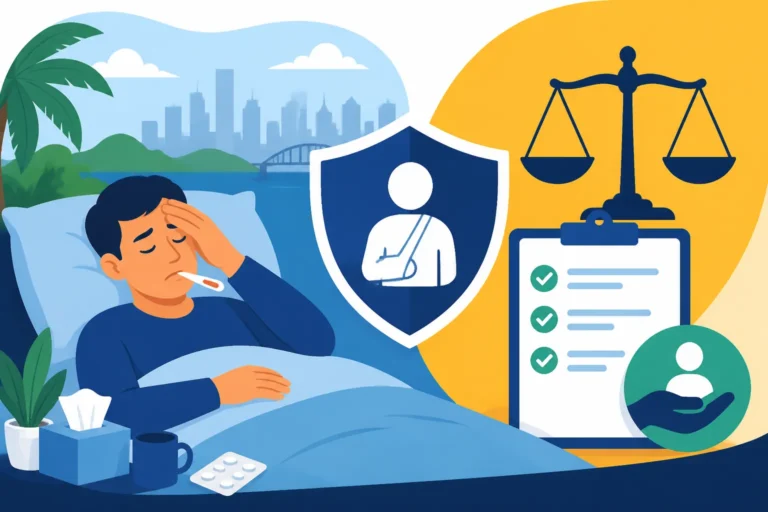
If your decision about private health insurance is tied to your residency application, it's always wise to consult with a qualified Panamanian immigration lawyer. While private health insurance isn't explicitly a requirement for all residency visas (some paths may simply require proof of economic solvency), having it is strongly recommended for your personal well-being. Your lawyer can clarify any specific health insurance requirements tied to your visa category. They can also advise on how your residency status impacts your access to the public system versus the private one. For example, some residency programs might involve an initial period where you don't contribute to CSS. Understanding these nuances from a legal perspective can save you headaches down the road. Our guide, How Your Residence Status Affects Health Coverage in Panama, can offer further insights.
Ultimately, the question "Do I need private health insurance in Panama?" usually leans towards a resounding "yes" for most expats who prioritize swift access to quality, English-speaking care and financial security. While the public system exists, the private sector generally provides the experience many foreigners seek. It's an investment in your well-being, allowing you to fully embrace life in this vibrant country without undue medical stress.
Disclaimer
Please note that the information provided in this guide is for general informational purposes only and does not constitute medical, legal, or financial advice. Healthcare systems, insurance policies, and regulations in Panama can change. It is always recommended to consult with a qualified medical professional, insurance broker, and legal expert for advice tailored to your specific situation.